Troubleshooting
Why Your Circuit Breaker Keeps Tripping (Fix It)
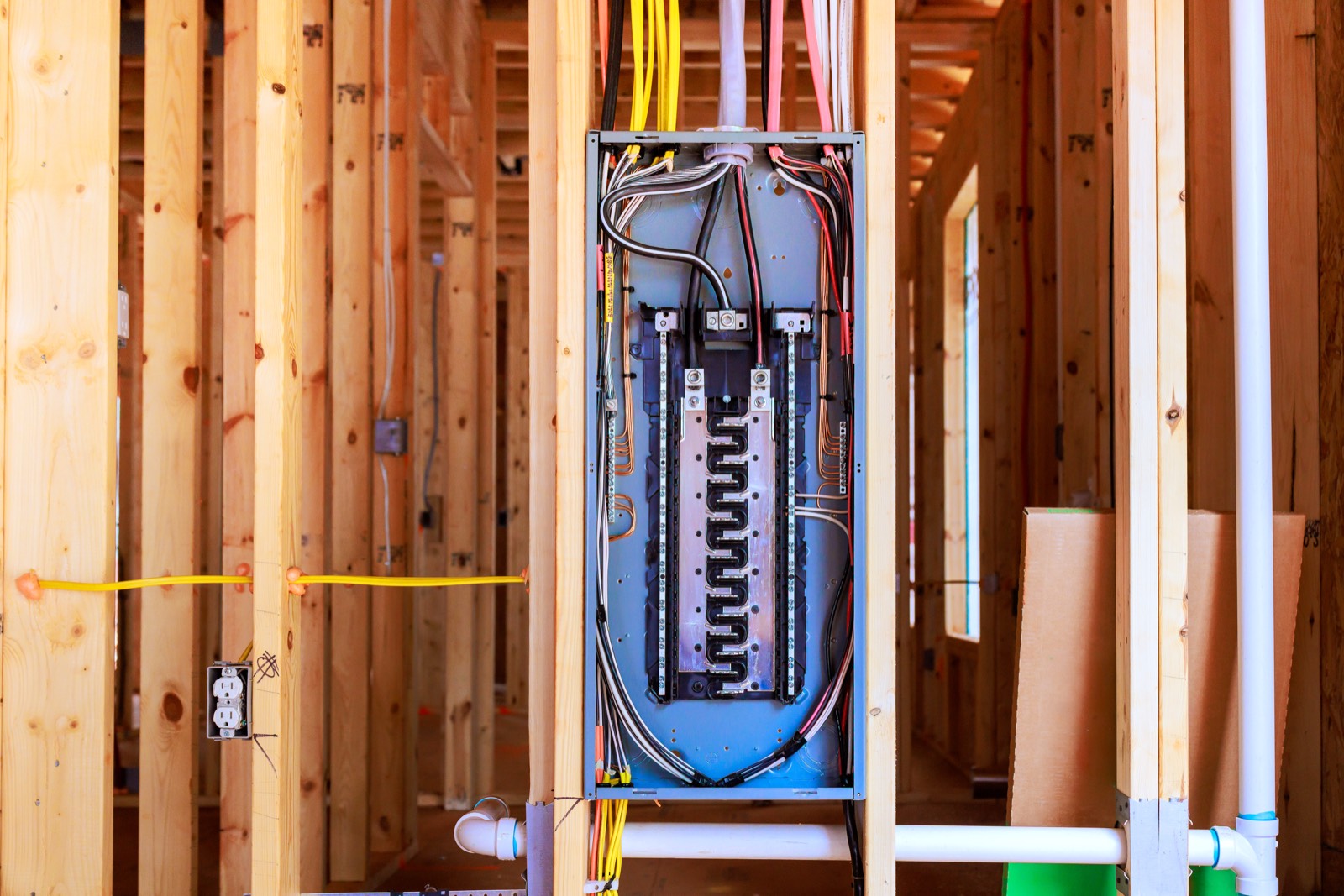
A circuit breaker that keeps tripping is one of the most common electrical complaints I hear from GTA homeowners. I'm Sam from City Power Electrical Services (ECRA/ESA #7015314), and while a tripping breaker is annoying, it's actually your panel doing its job — protecting you from something potentially dangerous. Here's what's causing it and when you need to worry.
Cause 1: Circuit overload. This is the most common reason by far. A circuit overload happens when you're drawing more power through a circuit than it's rated for. A standard 15-amp circuit can handle about 1,440 watts of continuous load (that's 15 amps x 120 volts x 80% for the continuous load derating required by the Canadian Electrical Code). If you plug a 1,500-watt space heater, a 400-watt gaming PC, and a desk lamp into outlets on the same 15-amp circuit, you've exceeded its capacity. The breaker trips to prevent the wire from overheating.
The fix for overloads is either to redistribute your loads across different circuits or to have an electrician add a new circuit. In older GTA homes, it's common to find entire floors running on just one or two circuits — nowhere near enough for modern electrical demands. Adding dedicated circuits for heavy-draw items like space heaters, window AC units, or kitchen countertop appliances is often the best solution.
Cause 2: Short circuit. A short circuit occurs when a hot wire touches a neutral wire or a ground wire, creating a sudden, massive spike in current. The breaker trips immediately — often with a visible spark or a popping sound. Short circuits can be caused by damaged wire insulation, a faulty appliance, loose connections, or rodent damage to wiring.
If a breaker trips and immediately trips again when you reset it with nothing plugged in, you likely have a short circuit in the wiring itself. This requires professional diagnosis. Don't keep resetting the breaker hoping it will hold — you're stressing the breaker and the wiring each time.
Cause 3: Ground fault. A ground fault occurs when a hot wire contacts a grounded surface, like a metal junction box or a water pipe. GFCI outlets and GFCI breakers are designed to detect ground faults and trip almost instantly. If the GFCI outlets in your kitchen, bathroom, or exterior keep tripping, the cause could be moisture in an outlet box, a failing appliance (hair dryers and kitchen appliances are common culprits), or damaged wiring.
To diagnose a GFCI trip, try unplugging everything on the circuit and resetting the GFCI. Then plug items back in one at a time. If the GFCI trips when you plug in a specific appliance, that appliance is likely the problem. If it trips with nothing plugged in, the fault is in the wiring and you need an electrician.
Cause 4: Arc fault. Modern homes in Ontario are required to have arc-fault circuit interrupter (AFCI) breakers on bedroom circuits (and increasingly on other circuits as the code evolves). AFCI breakers detect dangerous arcing — the kind that happens when a wire is damaged or a connection is loose. They're sensitive and can sometimes trip from non-dangerous arcing, like from certain vacuum cleaners, treadmills, or older appliances with worn motor brushes.
If an AFCI breaker is nuisance-tripping, a qualified electrician can investigate whether the issue is a genuine arc fault (dangerous) or a nuisance trip (annoying but not dangerous). Sometimes moving the offending appliance to a non-AFCI circuit is the simplest solution.
Cause 5: Failing breaker. Circuit breakers don't last forever. After 20 to 30 years, a breaker can become weak and trip at lower currents than it should. If a breaker trips under loads that shouldn't be a problem, and you've ruled out the other causes, the breaker itself may need replacement. This is a straightforward fix — a licensed electrician can replace a standard breaker for $100 to $200 including the part and ESA permit.
There's one specific situation I want to warn GTA homeowners about: Federal Pioneer Stab-Lok panels. These panels were extremely common in Ontario homes built in the 1970s and 1980s. The breakers in these panels are known to fail to trip when they should, which is far more dangerous than a breaker that trips too easily. If you have a Federal Pioneer panel and breakers that never trip despite heavy loads, that's actually a red flag. I recommend having the panel evaluated by a licensed electrician.
When to call an electrician. If a breaker trips once after you overloaded the circuit with too many appliances, that's normal — just redistribute your loads. If a breaker trips repeatedly, trips immediately on reset, trips with nothing plugged in, or if you notice a burning smell, scorch marks, or warm spots on your panel, call an electrician immediately. These are signs of a wiring problem that won't fix itself and could be a fire hazard.
One thing I advise against: replacing a breaker with a higher-rated one. If your 15-amp breaker keeps tripping, you might be tempted to swap it for a 20-amp breaker. Don't. The wire on that circuit is rated for 15 amps. Putting a 20-amp breaker on 14 AWG wire means the wire can overheat before the breaker trips. This is a genuine fire hazard and a code violation.
If your breakers are tripping regularly in your GTA home, call City Power Electrical Services at 416-837-4038. I'll diagnose the issue, explain your options, and fix it properly. A tripping breaker is a warning — listen to it.
Want a licensed electrician to take a look?
Free written quote, usually the same day. ESA permits handled.