Buying Guide
Standby vs Portable Generator: Which Is Right?
When GTA homeowners ask me about generator options for power outages, the first decision is standby versus portable. I'm Sam from City Power Electrical Services (ECRA/ESA #7015314), and I install both types across the Greater Toronto Area. Here's an honest comparison to help you decide.
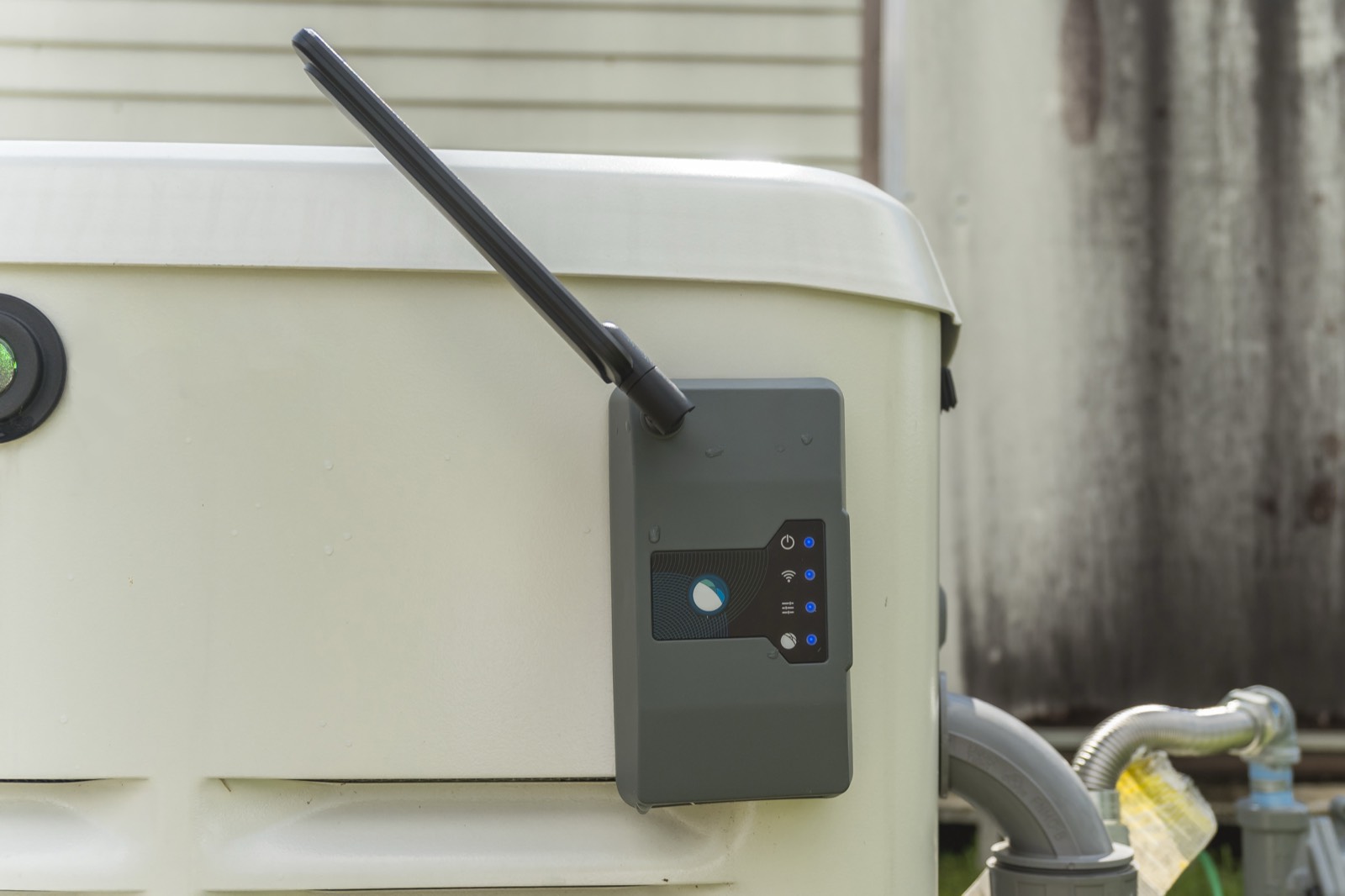
Standby Generator: The Basics. A standby generator is a permanently installed unit that sits outside your home on a concrete pad, connected to your natural gas or propane supply and your electrical panel through an automatic transfer switch (ATS). When utility power is lost, the ATS detects the outage and automatically starts the generator within 10 to 30 seconds. When utility power is restored, the ATS automatically switches back and shuts down the generator. You don't have to do anything — it's fully automatic.
Standby Generator: Cost. The total installed cost for a residential standby generator in the GTA is $12,000 to $25,000, depending on the generator size. An 11 to 14 kW unit (for smaller homes or essential loads only) runs $12,000 to $16,000 installed. A 20 to 24 kW unit (sufficient for most whole-home coverage) runs $14,000 to $22,000 installed. These costs include the generator unit, automatic transfer switch, concrete pad, gas line connection (by a licensed TSSA-certified gas fitter), electrical connections, and all permits and inspections.
Standby Generator: Power Output. Residential standby generators range from 11 kW to 26 kW for air-cooled units and up to 50 kW or more for liquid-cooled units. A 22 kW standby generator can power a typical 200-amp home including central AC, well pump, and all normal household loads. The power output is continuous and consistent, making it suitable for running sensitive electronics, sump pumps, and medical equipment.
Standby Generator: Fuel. Most GTA standby generators run on natural gas, which is piped directly from your gas utility. You never need to refuel — the gas supply is continuous (and gas service is almost never interrupted during power outages because gas distribution doesn't rely on electricity). Propane is an option for rural properties without natural gas service, but requires a storage tank and periodic refills.
Standby Generator: Maintenance. Standby generators automatically exercise (run briefly) once a week to keep the engine and battery in condition. Annual professional maintenance — oil and filter change, spark plug inspection, coolant check (for liquid-cooled units), and battery test — costs $200 to $400.
Portable Generator: The Basics. A portable generator is a standalone unit that you store in your garage or shed and wheel out when needed. You start it manually (pull-start or electric start), connect it to your home through a manual transfer switch and power inlet box (the safe, code-compliant way), or run extension cords directly to appliances (the less convenient way).
Portable Generator: Cost. A quality portable generator costs $800 to $3,500 depending on size and brand. A 3,500-watt unit (enough for a few essentials — fridge, furnace fan, lights, phone charging) costs $800 to $1,500. A 7,500 to 10,000-watt unit (enough for most essential circuits including a sump pump, well pump, and some appliances) costs $1,500 to $3,500. Honda and Yamaha are the premium brands known for reliability and quiet operation. Champion, Westinghouse, and Firman offer good value at lower prices.
Adding a manual transfer switch and power inlet box (the safe way to connect a portable generator to your panel) costs $800 to $1,500 installed by a licensed electrician. Total setup: $1,600 to $5,000 for a portable generator with a proper manual transfer switch.
Portable Generator: Power Output. Most portable generators for home use range from 3,000 to 12,000 watts. A 7,500-watt unit can run a furnace fan, refrigerator, sump pump, several lights, and some outlets. It will not run central air conditioning or an electric stove simultaneously. You need to manage your loads — turning off the dryer before starting the oven, for example.
Portable Generator: Fuel. Portable generators typically run on gasoline, though some models offer dual-fuel (gasoline and propane). A 7,500-watt generator running at 50% load uses approximately 2.5 to 4 litres of gasoline per hour. You need to store gasoline safely and refuel the generator periodically (typically every 8 to 12 hours depending on tank size and load). During extended outages (like the 2013 GTA ice storm that left some areas without power for over a week), fuel availability can become a real issue.
Portable Generator: Maintenance. Portable generators need oil changes, air filter cleaning, and periodic carburetor maintenance. If you store the generator for months between uses (common in GTA), you need to either run it periodically or use fuel stabilizer to prevent carburetor issues. Many portable generator problems I see come from improper storage — stale fuel clogging the carburetor is the number one cause of a generator that won't start when you need it most.
Side-by-Side Comparison.
Startup: Standby is automatic in 10 to 30 seconds. Portable requires manual start and connection.
Power: Standby provides 11 to 50+ kW continuous. Portable provides 3 to 12 kW.
Fuel: Standby uses natural gas (unlimited supply) or propane. Portable uses gasoline (must be stored and refilled).
Cost: Standby runs $12,000 to $25,000 installed. Portable with transfer switch runs $1,600 to $5,000.
Convenience: Standby is fully automatic — you might not even know the power went out. Portable requires you to be home, go outside, start the generator, and connect it.
Cold weather: Standby auto-exercises weekly and has an engine heater. Portable may be difficult to start in extreme cold after sitting unused.
Safety: Standby is permanently installed outdoors with proper exhaust routing. Portable must be operated outdoors (carbon monoxide from a portable generator in an enclosed space is lethal — this kills people every year in Canada).
One critical safety point about portable generators: NEVER run a portable generator inside your home, garage, or any enclosed space. Carbon monoxide from generator exhaust is colourless and odourless and can kill in minutes. The generator must be outdoors, at least 6 metres from any window, door, or vent, with the exhaust pointing away from the house. Buy a CO detector for your home if you don't already have one (you're required to by Ontario law if you have a fuel-burning appliance or attached garage).
My recommendation. If you can afford it and you want hassle-free power outage protection, the standby generator is the better investment. It's automatic, powerful, runs on unlimited natural gas, and protects your home even when you're away. If budget is the primary concern, a quality portable generator with a proper manual transfer switch is a responsible and effective solution at a fraction of the cost.
To discuss generator options for your GTA home, call City Power Electrical Services at 416-837-4038. I'll help you choose the right solution for your needs and budget.
Want a licensed electrician to take a look?
Free written quote, usually the same day. ESA permits handled.