Troubleshooting
7 Signs You Need an Electrical Panel Upgrade
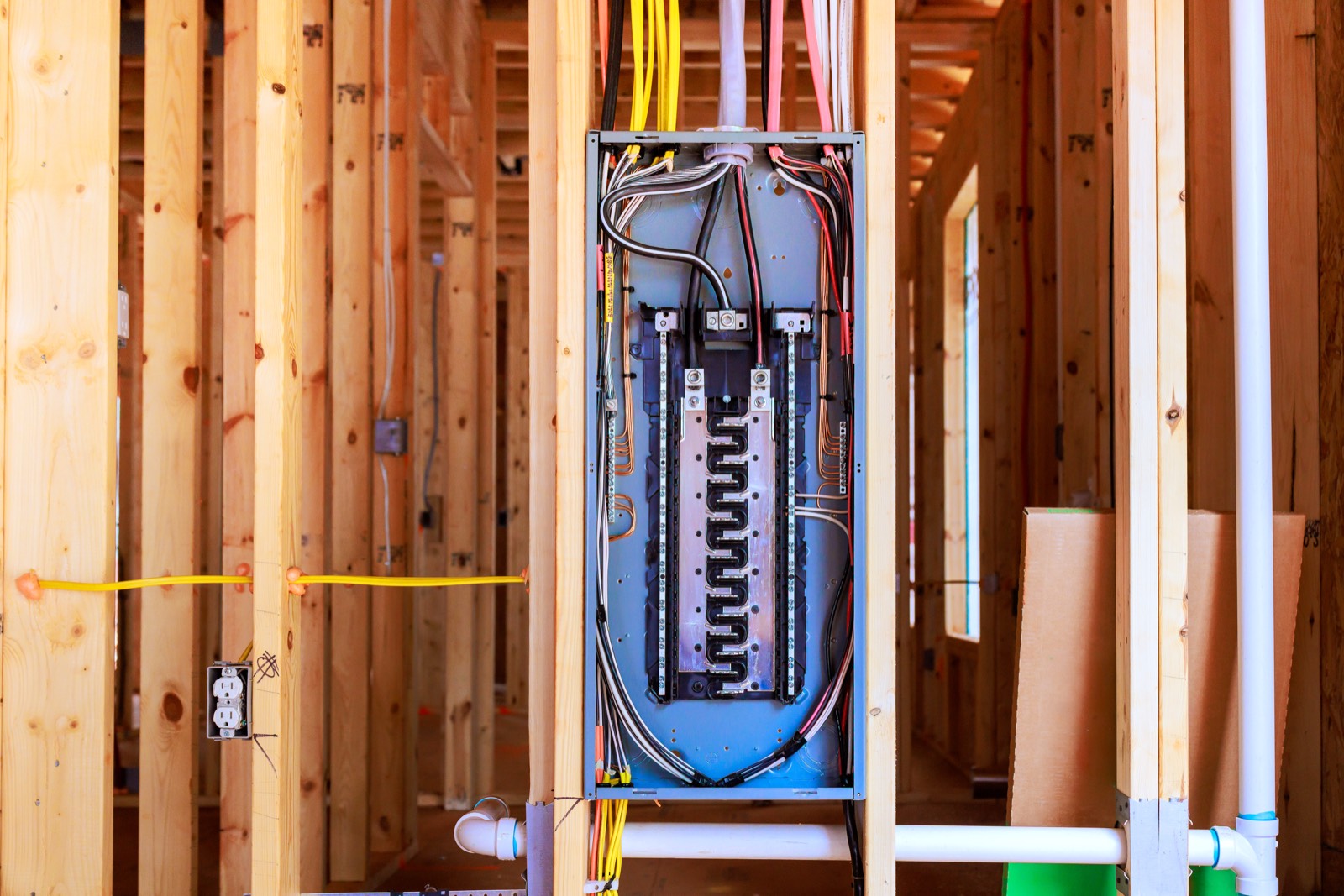
Your electrical panel is the heart of your home's electrical system, and when it can't keep up with your demands, it lets you know. I'm Sam from City Power Electrical Services (ECRA/ESA #7015314), and I've upgraded hundreds of panels across the GTA. Here are the seven clearest signs your panel is telling you it needs to be replaced.
Sign 1: You still have a fuse panel. If your GTA home still has a fuse box with screw-in fuses instead of circuit breakers, it's time for an upgrade. Fuse panels haven't been installed in new homes for decades, and while they can still function safely, they have significant limitations. Fuses must be the correct amperage for the wire they protect — and I frequently find homes where someone has installed 25-amp or 30-amp fuses on circuits that should have 15-amp fuses. This defeats the overcurrent protection and creates fire risk. Fuse panels are also limited in capacity — most are 60 amps, which is grossly insufficient for modern electrical demands.
Insurance companies in Ontario are increasingly reluctant to insure homes with fuse panels, or they charge higher premiums. A panel upgrade to a modern 200-amp breaker panel typically costs $3,200 to $5,500 and gives you decades of reliable service.
Sign 2: Your panel is 100 amps and you're adding major loads. A 100-amp panel was standard in homes built from the 1960s through the 1980s, and it was adequate for the electrical loads of that era. But today, if you're adding an EV charger, central air conditioning, a hot tub, a home workshop, or finishing a basement with additional circuits, 100 amps may not be enough. Calculate your total electrical load (or have an electrician do it) — if it exceeds about 80 amps continuous, you should upgrade to 200 amps.
Sign 3: Breakers trip frequently. If you're regularly resetting breakers, especially if multiple breakers trip during heavy usage (running the AC, dryer, and oven simultaneously), your panel is struggling with the demand. This is especially common in older GTA homes where original circuits were designed for a few lamps and a radio, not multiple TVs, computers, gaming consoles, and kitchen gadgets.
Sign 4: You see double-tapped breakers. Open your panel and look at the breakers. If you see two wires connected to a single breaker that's only rated for one wire, that's a double-tap — a code violation and a fire hazard. It usually means your panel ran out of space and someone improperly crammed extra circuits in. A panel upgrade with more spaces is the proper fix.
Sign 5: Your panel is a known fire hazard. Certain panel brands have documented safety issues. Federal Pioneer Stab-Lok panels, widely installed in Ontario homes in the 1970s and 1980s, have breakers that may fail to trip during an overload or short circuit. Zinsco and Sylvania panels are also considered problematic. If you have one of these panels, replacement should be a priority regardless of the panel's age.
Sign 6: You see signs of overheating. If your panel's breakers feel warm to the touch, if you see discolouration or melting on the panel cover or bus bars, or if you smell something burning near your panel, these are serious warning signs. Overheating in a panel means connections are loose, the bus bars are deteriorating, or the panel is severely overloaded. This is a fire hazard that requires immediate attention — not next month, now.
Sign 7: You're planning a renovation or home sale. If you're renovating your GTA home, many upgrades will require additional electrical circuits: a new kitchen needs multiple dedicated circuits, a basement apartment needs its own panel, and even a bathroom renovation may require new circuits for GFCI outlets and exhaust fans. Starting a renovation with an outdated panel often means the panel becomes the bottleneck. Upgrade it first and the renovation goes much smoother.
If you're selling your home, a modern 200-amp panel is a selling point. Buyers (and their home inspectors) will flag an outdated fuse panel, a 60-amp service, or a known-problem brand like Federal Pioneer. Having a new panel with an ESA inspection certificate removes a common objection and can actually speed up the sale.
Beyond these seven signs, there's a general principle: if your panel is more than 30 years old, it's worth having a licensed electrician evaluate it. Circuit breakers have a finite lifespan. The connections can loosen over decades of thermal cycling. The bus bars in some older panels (especially aluminum bus bars) can develop problems. A 30-minute panel evaluation by a licensed electrician can identify issues before they become dangerous.
The upgrade process is straightforward. It typically takes one full day. We coordinate with your utility company (Toronto Hydro, Alectra, or Hydro One) for the service disconnect, swap the panel, reconnect everything, and restore power by end of day. The ESA inspection follows within a few business days. You'll have power for most of the day — the outage during the actual swap is typically 4 to 6 hours.
A few things that are not signs you need a panel upgrade: if you need one or two additional circuits, an electrician can often add them to your existing panel if there's space. If one specific breaker trips, it might just need a circuit dedicated to the offending appliance. Not every electrical issue requires a panel upgrade — a good electrician will tell you honestly whether you need one or not.
If you've noticed any of these signs in your GTA home, call City Power Electrical Services at 416-837-4038 for a free panel evaluation. I'll tell you straight whether you need an upgrade or not — and if you do, I'll give you an honest price with no surprises.
Want a licensed electrician to take a look?
Free written quote, usually the same day. ESA permits handled.