Cost Guide
Knob and Tube Wiring Removal Cost in Ontario
Knob-and-tube wiring is the single most common reason I get calls from homeowners in Toronto's older neighbourhoods. I'm Sam from City Power Electrical Services (ECRA/ESA #7015314), and I've removed knob-and-tube from hundreds of GTA homes. Here's what it costs and why it matters.
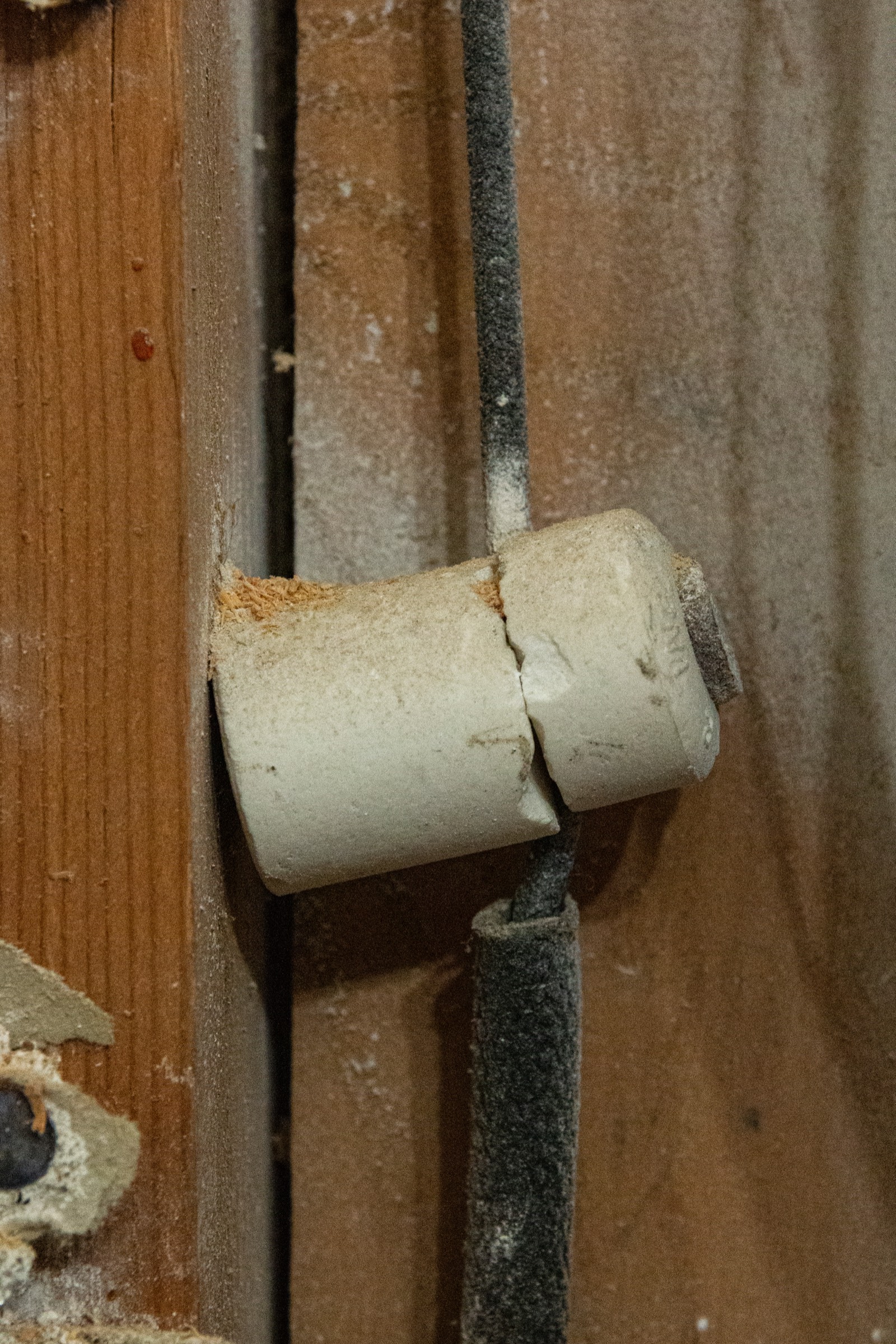
First, let's be clear about what knob-and-tube is. It's the original wiring method used in Canadian homes built from the late 1800s through the 1940s. You'll find it in neighbourhoods like the Annex, Cabbagetown, Roncesvalles, the Danforth, Riverdale, old Etobicoke, and Long Branch. The wiring runs through ceramic knobs (which hold the wires along joists) and ceramic tubes (which protect wires passing through framing members). There's no ground wire and no modern overcurrent protection.
The cost to remove and replace knob-and-tube wiring in a typical GTA home ranges from $8,000 to $16,000. Here's what drives that range.
For a small bungalow or semi-detached home (800 to 1,200 square feet) with accessible attic and basement, the cost is typically $8,000 to $11,000. This includes removing or de-energizing all knob-and-tube circuits, running new NMD90 copper wiring, installing a new 200-amp panel (most K&T homes still have 60-amp fuse panels), new receptacles and switches, and the ESA permit and inspection.
For a two-storey or larger home (1,500 to 2,500+ square feet), particularly one where the walls are finished and attic access is limited, you're looking at $12,000 to $18,000. The additional cost comes from the difficulty of fishing new wires through closed walls and the drywall repair needed afterward.
A common question I get is whether partial knob-and-tube removal is an option. The answer is: sometimes, but it depends on your insurance company. Many insurance companies in Ontario now require complete removal of all active knob-and-tube wiring to maintain coverage. Some will accept a partial approach where the most critical circuits (kitchens, bathrooms, areas with insulation contact) are replaced first. I always recommend getting written confirmation from your insurer about what they require before starting the project.
Speaking of insurance, this is the number one reason homeowners call me about knob-and-tube. Many insurance companies — including Aviva, Intact, Economical, and others — either refuse to insure homes with active knob-and-tube wiring or charge significantly higher premiums. If you're buying a home with K&T, your mortgage lender may require it to be removed as a condition of financing. A home inspection that flags active knob-and-tube can derail a real estate transaction if not addressed.
Let me break down the project components and their approximate costs. The panel upgrade from 60-amp fuse panel to 200-amp breaker panel runs $4,000 to $5,500 (higher than a standard panel upgrade because the service entrance usually needs complete replacement). Running new branch circuits to replace all K&T circuits costs $3,000 to $8,000 depending on the home size and accessibility. New receptacles and switches cost $500 to $1,200. AFCI breakers where required by current code add $400 to $800. The ESA notification and inspection runs $200 to $400. Drywall patching (if walls need to be opened) adds $1,000 to $3,000 — this is often done by a drywall contractor separately.
There are a few things that can increase cost. If your attic has blown-in insulation over the knob-and-tube (which is actually a fire hazard — K&T wiring is designed to dissipate heat in open air, and insulation traps that heat), the insulation may need to be removed before the electrical work can proceed. Insulation removal typically costs $1,500 to $3,000 for an attic and is done by an insulation contractor. Some of the knob-and-tube wiring in century homes runs through bizarre paths — I've found K&T routed through chimneys, run through plaster without tubes, and spliced with electrical tape. These discoveries add time and cost to the project.
Timeline for a complete K&T removal is typically 4 to 8 working days for the electrical work, depending on home size. The ESA inspection happens after we're done, usually within a few business days of filing the notification.
One critical point: never let anyone install insulation over active knob-and-tube wiring. This violates the Ontario Electrical Safety Code and creates a genuine fire risk. If an insulation company offers to blow insulation into your attic without addressing the K&T first, find a different insulation company.
After the project is complete, you'll receive an ESA certificate of inspection, which you can provide to your insurance company to confirm the work was done properly by a licensed contractor. This certificate is essential — keep it with your important home documents.
If you have knob-and-tube wiring in your GTA home, don't wait for an insurance deadline to force the issue. Call City Power Electrical Services at 416-837-4038 for a free assessment. I'll tell you exactly what you have, what needs to be done, and what it will cost — no pressure, no games.
Want a licensed electrician to take a look?
Free written quote, usually the same day. ESA permits handled.