
Troubleshooting
Where Are GFCI Outlets Required in Ontario?
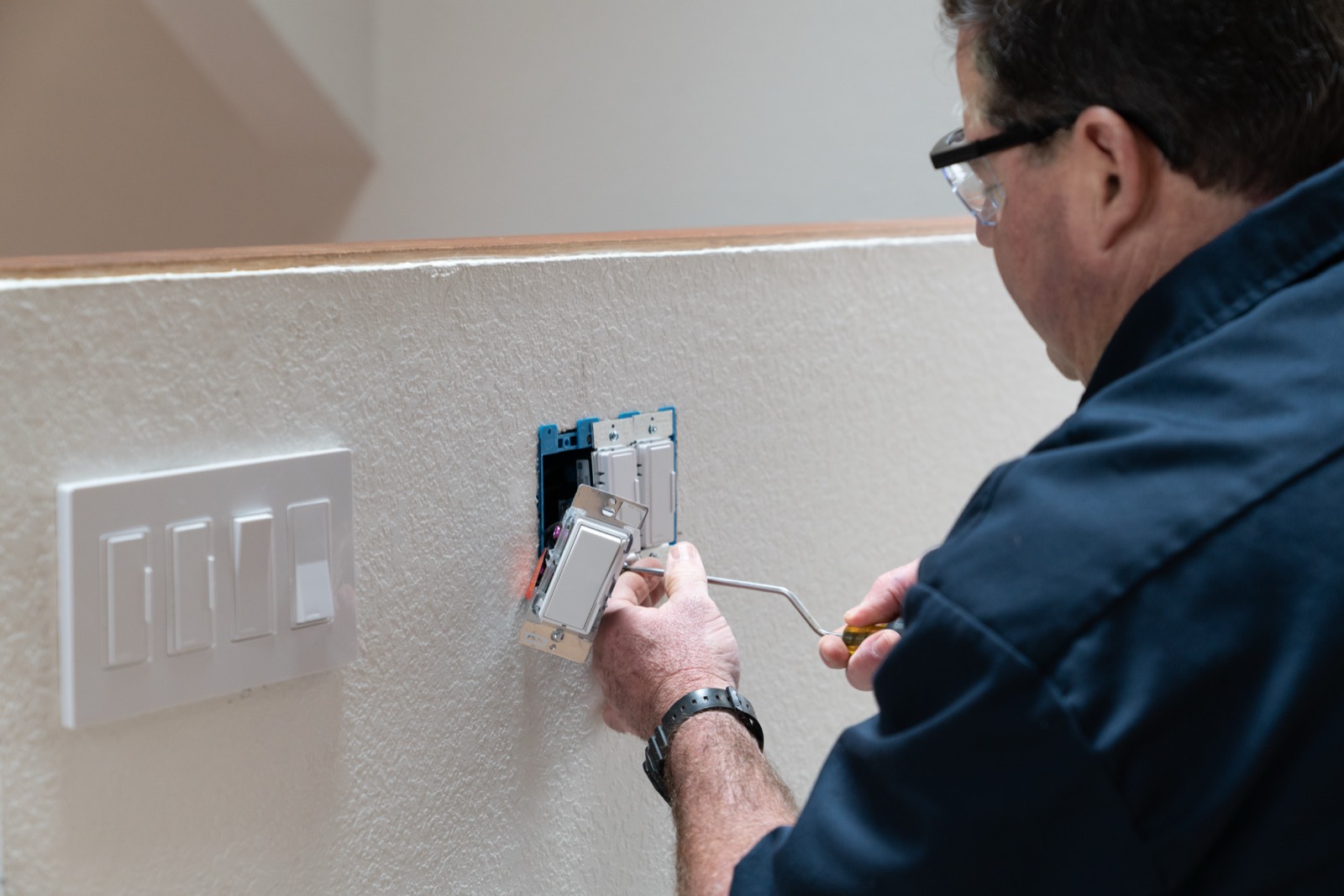
GFCI outlets (Ground Fault Circuit Interrupter) are one of the most important electrical safety devices in your home. I'm Sam from City Power Electrical Services (ECRA/ESA #7015314), and I install and replace GFCI outlets across the GTA daily. Here's where they're required in Ontario and why they matter.
First, what does a GFCI do? A GFCI monitors the current flowing through the hot and neutral conductors of a circuit. Under normal conditions, the current on both conductors is equal. If even a tiny amount of current (as little as 5 milliamps) leaks to ground — through a person, through water, through a damaged appliance — the GFCI detects the imbalance and trips the circuit within about 25 milliseconds. That's fast enough to prevent a lethal electrical shock.
Without GFCI protection, a ground fault can push current through your body — from your hand holding a faulty appliance to your feet on a wet floor. It takes less than 100 milliamps (0.1 amps) through the heart to cause fatal ventricular fibrillation. A standard 15-amp breaker won't trip at 0.1 amps — it's designed to trip at 15 amps. That's why GFCIs exist: they protect people from currents that are too small to trip a breaker but more than enough to kill.
Now, where does the Ontario Electrical Safety Code (based on the Canadian Electrical Code) require GFCI protection?
Bathrooms. All receptacles in bathrooms must be GFCI-protected. This is the most well-known GFCI requirement and has been in the code for decades. Water and electricity are everywhere in bathrooms — wet hands, wet floors, running taps — so GFCI protection is essential. If your GTA home has standard outlets in the bathroom, they should be upgraded to GFCI.
Kitchens. All receptacles serving the kitchen countertop (within 1.5 metres of a sink) must be GFCI-protected. This applies to the receptacles you use for your toaster, kettle, blender, and other countertop appliances. The refrigerator receptacle doesn't require GFCI in most cases (and shouldn't have it — a nuisance trip when you're away could spoil all your food). The dishwasher circuit requires GFCI protection.
Outdoors. All outdoor receptacles must be GFCI-protected. This includes deck outlets, patio outlets, garden outlets, and any receptacle exposed to weather. Outdoor receptacles must also have weather-resistant covers (the "in-use" type that covers the outlet while a cord is plugged in, not just a flip-up cover).
Garages and accessory buildings. All receptacles in garages, sheds, workshops, and other accessory buildings must be GFCI-protected. The only exception is a receptacle for a dedicated appliance that's not easily moved (like a freezer) — but even then, GFCI is recommended.
Unfinished basements. All receptacles in unfinished basements must be GFCI-protected. If your basement is partially finished, the unfinished areas (laundry area, utility room, storage area) still need GFCI.
Laundry areas. The receptacle for the washing machine should be GFCI-protected. This is a relatively newer requirement but makes sense — a washing machine is a water-using appliance connected to an electrical outlet.
Within 1.5 metres of a sink. Any receptacle within 1.5 metres of a sink basin (kitchen, bathroom, laundry room, wet bar) requires GFCI protection, regardless of the room it's in.
Swimming pools, hot tubs, and spas. All receptacles within 3 metres of a pool, hot tub, or spa must be GFCI-protected. Additionally, all equipment circuits (pumps, heaters, blowers) must have GFCI protection. This is one of the most critical safety requirements in the code.
Sump pump receptacles. This is a topic of debate among electricians. Code technically requires GFCI protection for the sump pump receptacle (it's in an unfinished basement), but a nuisance GFCI trip during a storm — exactly when your sump pump is needed most — could cause a flooded basement. Some jurisdictions allow an exception for sump pumps. I recommend discussing this with your electrician and potentially using a GFCI breaker (which is monitored at the panel) rather than a GFCI receptacle (which requires physical access to reset).
How GFCI protection can be provided. There are three ways to provide GFCI protection. A GFCI receptacle is the most common — it's the outlet with the TEST and RESET buttons. A GFCI receptacle can protect not only its own outlet but also all "downstream" outlets wired after it on the same circuit. A GFCI breaker in the panel protects the entire circuit. This is a good option when you want GFCI protection on multiple outlets without replacing each one. A portable GFCI plug-in device can be used for temporary protection but isn't a permanent code-compliant solution.
Testing your GFCIs. Every GFCI outlet has a TEST button. You should press this button at least once a month to verify the GFCI trips properly. Press TEST — the outlet should lose power. Press RESET — power should be restored. If pressing TEST doesn't trip the outlet, or if pressing RESET doesn't restore power, the GFCI is faulty and must be replaced immediately. GFCIs have a finite lifespan — they can fail after 10 to 15 years.
Common GFCI issues I see in GTA homes. Older homes with no GFCI protection anywhere — this is a code and safety concern. GFCIs that have been painted over (the paint can prevent the mechanism from functioning). GFCIs wired incorrectly (line and load reversed, which means downstream outlets aren't protected). GFCIs that nuisance-trip constantly (usually caused by a long circuit run, moisture in an outdoor box, or a failing appliance).
The cost to install or replace a GFCI outlet is typically $80 to $150 per location including the GFCI device, labour, and any minor wiring adjustments. If your home needs GFCI outlets in multiple locations, a bulk installation brings the per-outlet cost down.
If your GTA home is missing GFCI protection in any of these required locations, call City Power Electrical Services at 416-837-4038. It's one of the most affordable safety upgrades you can make, and it could save a life.
Want a licensed electrician to take a look?
Free written quote, usually the same day. ESA permits handled.