Cost Guide
Commercial LED Retrofit Cost & ROI in Ontario
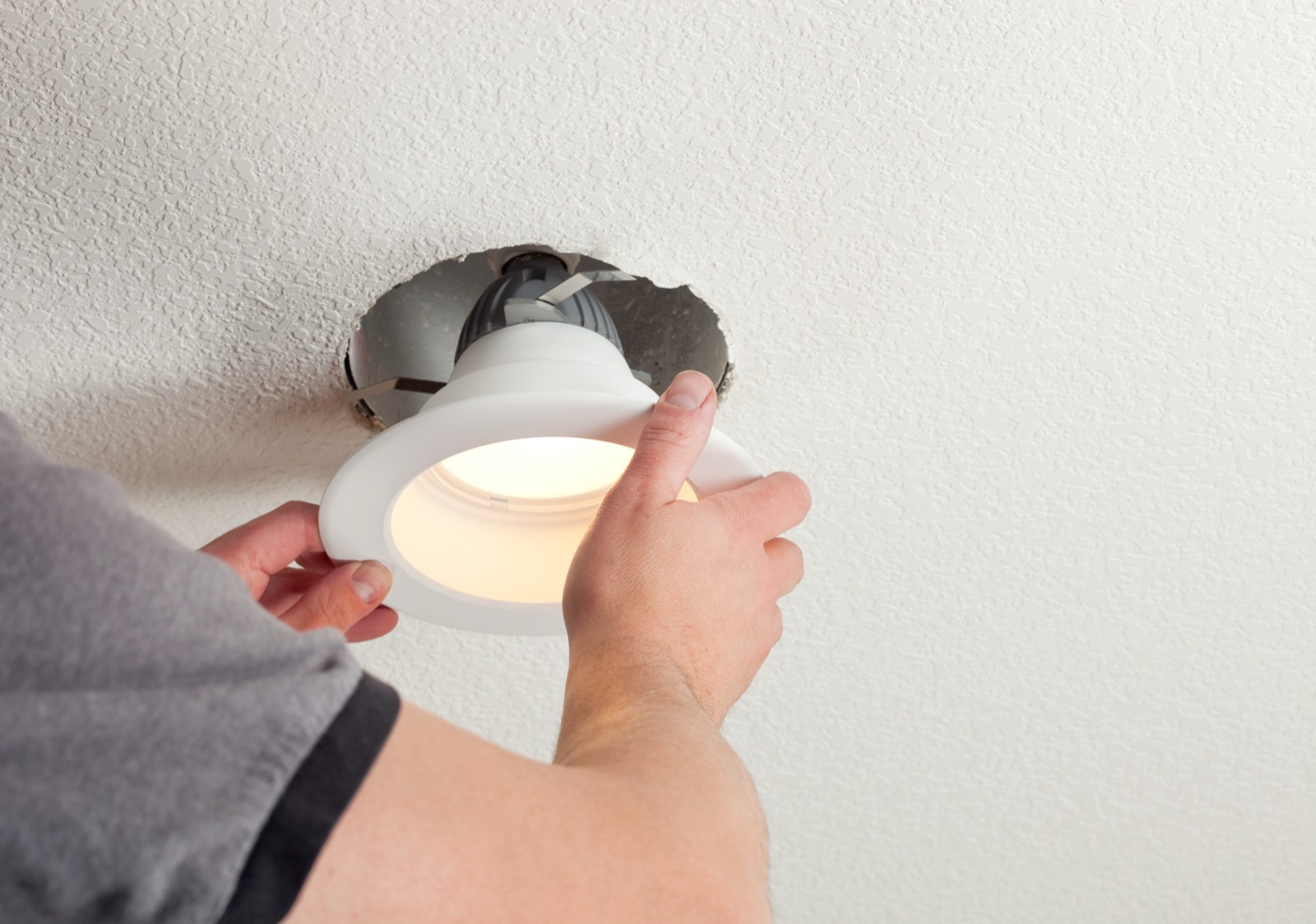
Switching from fluorescent, metal halide, or high-pressure sodium lighting to LED is one of the highest-ROI investments a business can make. I'm Sam from City Power Electrical Services (ECRA/ESA #7015314), and I've completed LED retrofits for offices, warehouses, retail stores, and industrial facilities across the GTA. Here's what it costs and how fast it pays for itself.
The cost of a commercial LED retrofit depends on the type and quantity of fixtures being replaced. Here are the most common scenarios.
For a standard office with 2x4 fluorescent troffer fixtures (the flat, rectangular fixtures in drop ceilings), the cost to retrofit is $80 to $150 per fixture. This typically involves replacing the fluorescent tubes and ballast with an LED panel or LED retrofit kit. For a 5,000-square-foot office with about 50 troffers, the total retrofit cost is $4,000 to $7,500. This includes the LED panels or retrofit kits, labour to remove old ballasts and install new fixtures, disposal of old fluorescent tubes (which contain mercury and must be properly recycled), and any necessary wiring modifications.
For a warehouse or industrial facility with high-bay lighting (typically 400W metal halide or high-pressure sodium), the savings are dramatic. A 400W metal halide fixture replaced with a 150W LED high-bay saves about 250 watts per fixture. At Ontario's industrial electricity rates, that's significant. The cost per high-bay LED replacement is $250 to $500 installed, depending on the fixture quality and mounting height. For a 10,000-square-foot warehouse with 20 high-bay fixtures, the total retrofit cost is $5,000 to $10,000.
Retail stores with track lighting, display lighting, and general illumination typically cost $100 to $200 per fixture to retrofit. A 3,000-square-foot retail space with 40 fixtures would run $4,000 to $8,000.
Parking lot and exterior lighting retrofits are also highly cost-effective. Replacing 250W or 400W metal halide wall packs and pole lights with LED equivalents costs $200 to $600 per fixture installed. LED exterior fixtures last 50,000 to 100,000 hours compared to 10,000 to 20,000 for metal halide, so you also save significantly on maintenance and lamp replacement costs.
Now let's talk about the ROI, which is the real reason to do this. LED lighting uses 40% to 75% less energy than the fixtures it replaces. For a typical GTA office running fluorescent lighting 10 hours per day, 5 days per week, the energy savings from an LED retrofit are approximately $2 to $4 per fixture per month. For our 50-fixture office example, that's $100 to $200 per month in energy savings, or $1,200 to $2,400 per year.
With a retrofit cost of $4,000 to $7,500, the simple payback period is 2 to 4 years. After that, it's pure savings for the remaining 15 to 20+ year lifespan of the LED fixtures.
For warehouses, the payback is even faster. Replacing 20 x 400W metal halide fixtures with 150W LED high-bays saves about 5,000 watts of demand. Running 12 hours per day, that's approximately $300 to $500 per month in energy savings. The payback period for a warehouse LED retrofit is often 12 to 24 months.
Utility rebates can significantly reduce your upfront cost. Ontario's Save on Energy program (delivered through your local utility) offers incentives for commercial and industrial LED retrofits. Toronto Hydro, Alectra Utilities, and Hydro One all participate. The rebates vary by utility and program year, but typical incentives are $20 to $50 per fixture for interior retrofits and $50 to $150 per fixture for exterior and high-bay retrofits. Some programs also offer incentives based on the kW demand reduction. These rebates can cover 20% to 50% of the total project cost, making the ROI even more attractive.
We handle the rebate paperwork for our commercial clients. The process typically involves a pre-approval application, the retrofit work, and then a verification step. Some utilities require pre-and-post lighting audits.
Beyond energy savings, there are additional benefits that affect your bottom line. LED lighting produces better light quality with higher CRI, which improves employee productivity and reduces eye strain. LED fixtures don't flicker like aging fluorescent ballasts, which is a common complaint in offices. LEDs generate less heat, which reduces cooling costs in summer — this is particularly noticeable in offices with many ceiling fixtures. Maintenance costs drop dramatically because LED fixtures last 5 to 10 times longer than fluorescent or HID lamps.
For multi-tenant commercial buildings, an LED retrofit can increase the building's value and attract tenants who care about energy efficiency and operating costs.
Here's what a typical commercial LED retrofit project looks like. We start with a lighting audit where we visit your facility, count and identify all existing fixtures, measure light levels, and calculate your current energy consumption. We then provide a detailed proposal showing the recommended LED replacements, total cost, available rebates, energy savings projections, and the payback period. Once approved, we schedule the installation to minimize disruption to your business — we often do retail and office retrofits after hours or on weekends. After installation, we handle ESA permits as required, dispose of old fluorescent tubes and ballasts properly, and file the rebate paperwork.
Whether you run a small office or a large warehouse in the GTA, an LED retrofit is likely the fastest-payback energy investment available to you. Call City Power Electrical Services at 416-837-4038 for a free lighting audit and proposal. We'll show you exactly what you'll save and how fast the project pays for itself.
Want a licensed electrician to take a look?
Free written quote, usually the same day. ESA permits handled.