Answered by a licensed electrician
Why are my outlets not working but the breaker isn't tripped?
Quick answer
The most common causes are a tripped GFCI outlet upstream (check bathrooms, kitchen, garage, and basement for a GFCI with its reset button popped), a breaker that tripped internally without flipping to OFF, or a loose backstab wire connection inside an outlet feeding the dead ones. Reset every GFCI first, then firmly cycle the breaker fully OFF then ON. If outlets are still dead, a loose connection needs professional diagnosis.
Dead outlets with no tripped breaker confuse homeowners more than any other electrical problem — because the cause is usually hiding somewhere other than the dead outlet itself.
Check these two things first
Start with GFCI outlets — the ones with TEST and RESET buttons. A single GFCI protects every ordinary outlet wired downstream of it, and builders chain surprising areas together: one garage GFCI often protects outdoor receptacles, the basement, and a bathroom. Walk the house and press RESET on every GFCI you find, including ones in odd spots like behind the garage door or under the electrical panel.
Next, the panel — but look closely. A tripped breaker doesn't always swing to OFF; many trip internally and sit in a middle position that looks normal at a glance. Don't just look: push each suspect breaker firmly to OFF, then back to ON. If a breaker immediately re-trips, leave it off and call us — something on that circuit is faulted.
The hidden cause: loose connections
If GFCIs and breakers check out, the likely culprit is a loose connection in an upstream outlet on the same circuit. Power for several outlets typically daisy-chains through each outlet box in sequence; one loose wire — especially a "backstabbed" spring connection that's relaxed over 20–30 years — cuts power to everything after it. These faults are also intermittent: outlets that die in cold weather or come back when you bump the wall are classic loose-connection behaviour, and they're a genuine fire risk because loose connections arc and generate heat.
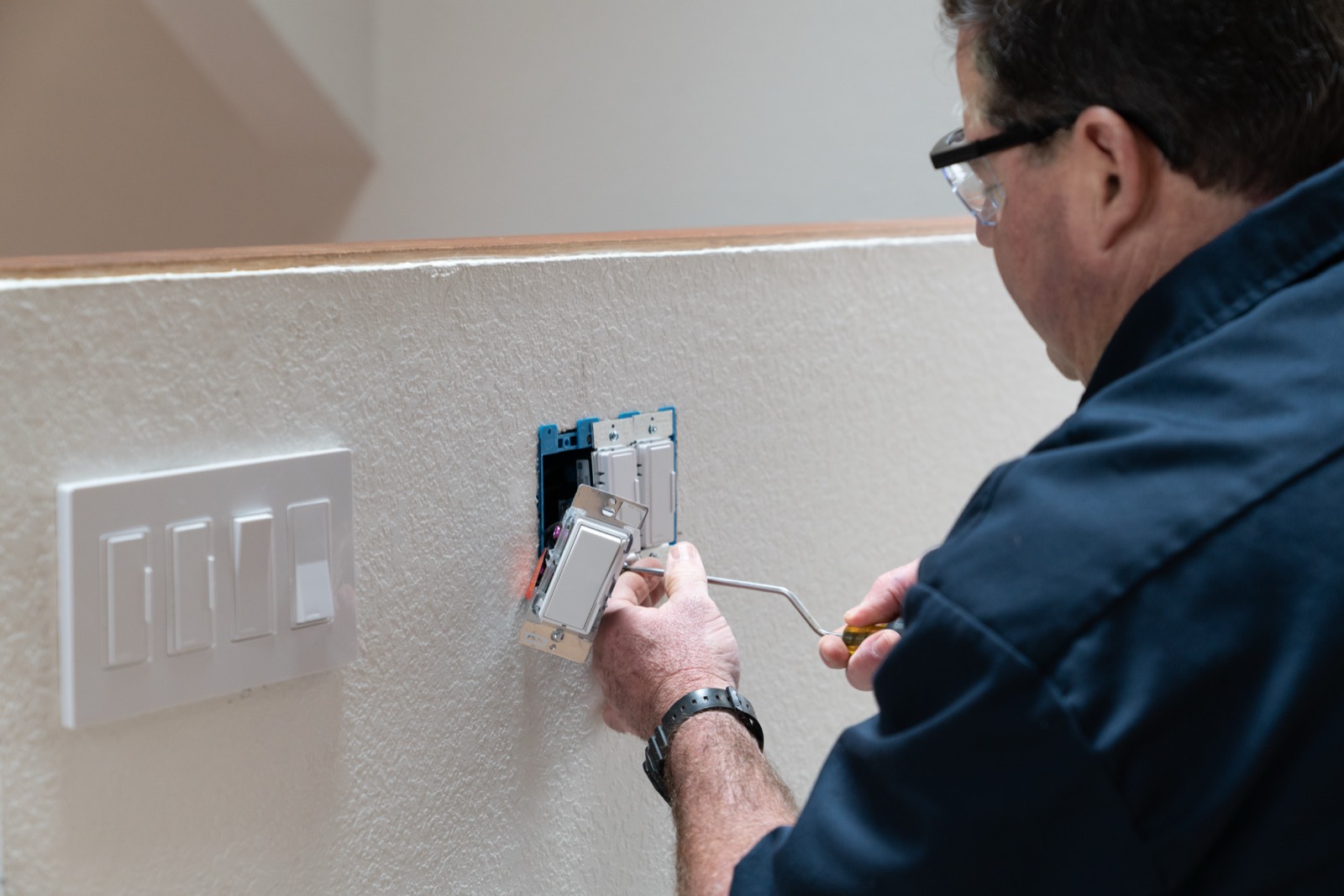
Finding the failed connection means opening each device on the circuit in sequence with the power off — methodical work that takes us under an hour in most homes as part of outlet and switch repair. In homes with aluminum wiring, loose connections are dramatically more common and more dangerous, and warrant a whole-circuit remediation rather than a spot fix.
When to stop DIYing
Resetting GFCIs and cycling breakers is safe for any homeowner. Opening outlet boxes is where we'd draw the line — especially if you've noticed warmth, buzzing, or any burnt smell, which mean active arcing. We troubleshoot dead outlets across the GTA daily, usually same-day; call 416-837-4038 or book a visit. If your home is over 25 years old and this keeps happening, a full electrical inspection will map every aging connection before the next one fails.
Want a licensed electrician to take a look?
Free written quote, usually the same day. ESA permits handled.
People also ask
Why would one GFCI outlet kill power to other outlets?
GFCI outlets protect everything wired downstream of them. One GFCI in a garage or bathroom often protects outdoor outlets, basement outlets, and other bathrooms. When it trips, every downstream outlet goes dead — which is why the fix is often a reset button two rooms away.
What is a backstab connection and why does it fail?
Backstabbing is pushing wire into spring-grip holes on the back of an outlet instead of securing it under the side screws. It's fast for builders but the spring grip weakens over decades, causing intermittent or dead outlets. Electricians repair it by re-terminating on the screws.
When are dead outlets an emergency?
If outlets died alongside burning smells, buzzing, scorch marks, or warm switch plates, stop flipping breakers and call immediately — those are signs of arcing. Dead outlets with no other symptoms are urgent but not dangerous if you leave the circuit unused until repaired.