Answered by a licensed electrician
Do tankless water heaters need an electrical upgrade?
Quick answer
Gas tankless heaters need only a standard 120V outlet for ignition and controls — almost never an upgrade. Electric tankless heaters are a different story: whole-home units draw 80–120 amps across multiple 240V circuits, more than half of a 200-amp service, and frequently require a panel upgrade plus $1,500–$3,000 of wiring. For most Ontario homes, gas tankless or a heat-pump tank is the practical choice.
Tankless water heaters get sold on endless hot water and closet-sized footprints — and the brochure rarely mentions that the electric versions are among the most demanding appliances you can put in a house. Whether you need electrical work depends entirely on which type you're buying.
Gas tankless: a non-event electrically
A gas tankless unit (Rinnai, Navien, Rheem gas models) heats water with a gas burner; electricity only runs the ignition, fan, and controls. It needs a standard 120V receptacle — a dedicated circuit is good practice and cheap to add during installation ($250–$500 if one isn't nearby). If your home has gas service, this is why the overwhelming majority of Ontario tankless installs are gas: the electrical scope is trivial.
Electric tankless: read this before you buy
Heating water instantly with electricity takes enormous instantaneous power. A whole-home electric tankless unit rated for Ontario's cold groundwater runs 24–36 kW — that's 100–150 amps at 240V, fed by two to four separate double-pole breakers. For perspective, that one appliance can demand more capacity than everything else in your house combined. On a 100-amp service it's simply not happening; even on 200 amps, the load calculation often fails once the EV charger, range, dryer, and AC are counted.
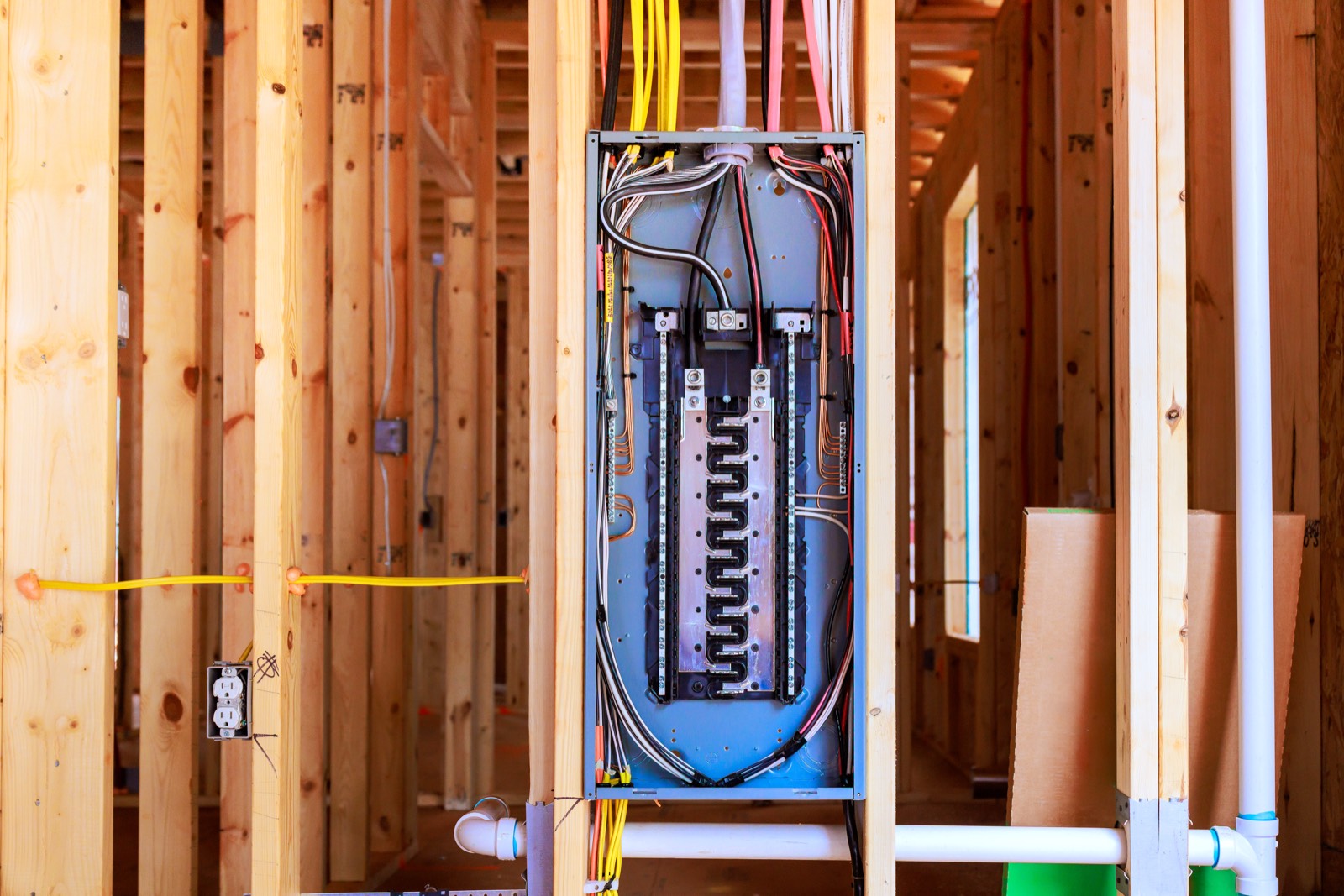
If you're set on electric tankless, budget honestly: the wiring (multiple 8 or 6 AWG 240V runs) costs $1,500–$3,000, a panel upgrade adds $3,200–$4,500 if needed, and the ESA permit applies. Point-of-use electric tankless units — a small heater under a far-away bathroom sink — are the exception: at 15–30 amps they're a normal dedicated-circuit job.
The alternative that usually wins
For homeowners going all-electric, a heat-pump (hybrid) water heater delivers most of the benefit with a fraction of the demand: one modest dedicated circuit, 60–70% less energy than a resistance tank, and substantial rebates in current federal and provincial programs. We install the circuit, and the energy audit math almost always favours it over electric tankless in Ontario's climate.
Whatever direction you're leaning, the first step is free: we'll run your panel's load calculation during an estimate visit and tell you exactly what your service can support — before you've bought equipment that doesn't fit. 416-837-4038.
Want a licensed electrician to take a look?
Free written quote, usually the same day. ESA permits handled.
People also ask
How many amps does an electric tankless water heater use?
Whole-home electric tankless units rated 18–36 kW draw 75–150 amps across two to four 240V circuits — by far the largest load in any home that has one. Point-of-use units for a single sink are far smaller (15–30 amps) and often feasible without an upgrade.
Can I run an electric tankless heater on a 100-amp service?
Realistically, no — a whole-home unit alone can exceed what a 100A service safely supplies once you add normal household loads. Even 200A services need a load calculation first. This is the main reason electric tankless adoption is low in Ontario compared to gas.
What does a heat-pump water heater need electrically?
Usually just a dedicated 15A or 30A circuit — vastly less than tankless — while cutting water-heating electricity use by 60–70% versus a standard electric tank. With current rebates, it's the efficiency upgrade we point most electrification-minded homeowners toward.