Local
Toronto Knob and Tube Neighbourhoods
Toronto knob-and-tube questions usually start with pre-1950 housing stock, not a postal code
The neighbourhood names matter because the housing stock matters. In Toronto, knob-and-tube concerns come up most often around pre-1950 homes in the Annex, Cabbagetown, Riverdale, Parkdale, High Park and The Beaches. Those areas have many older detached, semi-detached and row houses that may have been renovated several times since the original wiring was installed.
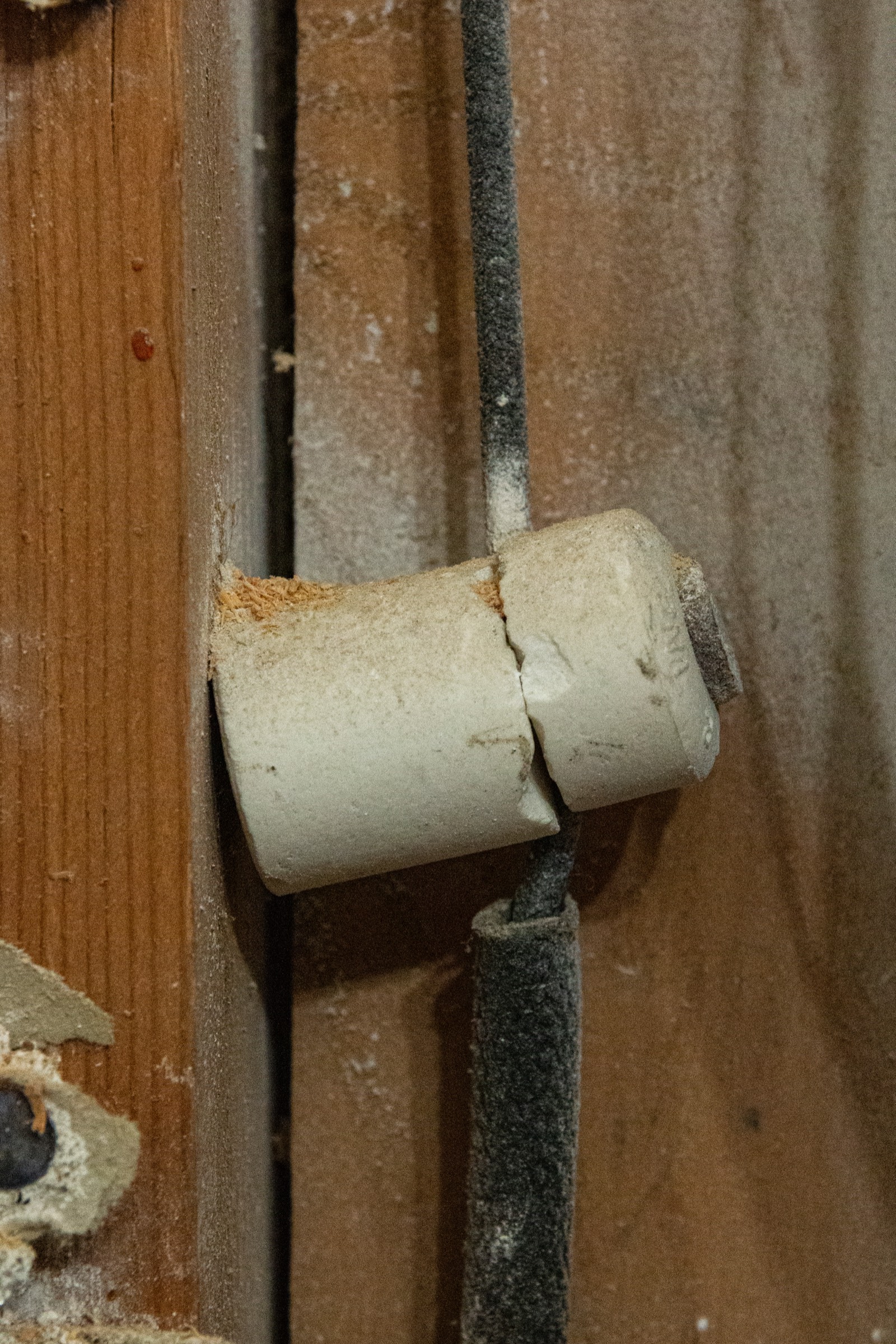
That does not mean every home on those streets has active knob-and-tube wiring. Some houses were fully rewired decades ago. Some were partly rewired when kitchens, basements or additions were done. Some still have old wiring only on lighting circuits. Others have modern cable throughout but old ceramic knobs left in place after decommissioning.
The risk is assuming the visible part tells the whole story. A newer breaker panel, renovated kitchen or grounded-looking receptacles do not prove the whole house was rewired. In older Toronto homes, we often need to trace what is still energized, not just look for old materials.
For buyers, sellers and renovators, the practical question is: does the home still have active knob-and-tube, and if yes, where? A Licensed Electrical Contractor can inspect, test and document the answer. If replacement is needed, City Power handles ESA-permitted knob-and-tube replacement with a written estimate, cleanup and inspection where required.
Partial rewires can leave active knob-and-tube in the places buyers do not see
Partial rewires are common in older Toronto houses because renovations often happen room by room. A kitchen may have modern grounded circuits, GFCI protection and appliance wiring, while second-floor bedrooms or hallway lights remain on older two-wire circuits.
The common hiding spots are predictable:
- Attics, especially above second-floor ceilings where old lighting drops may still run under or near insulation
- Basement ceilings and joist bays, where old conductors may transition into newer junction boxes
- Plaster walls, where fishing new cable was skipped because opening walls was expensive
- Ceiling fixtures, especially original centre lights, wall sconces and stair lights
- Older switch legs, where the switch box looks newer but the cable leaving the box is not
- Behind finished basement ceilings, bulkheads and older panel-board finishes
One confusing situation is seeing modern NMD cable leaving the panel, then finding older wiring downstream. That can happen when someone replaced the panel or extended a circuit without rewiring every branch. Another is seeing three-prong receptacles on an ungrounded circuit. A receptacle tester may show a problem, but it will not always tell you where the old wiring begins.
A proper inspection is not just a glance at the panel. It includes removing selected covers, checking representative fixtures and receptacles, identifying ungrounded circuits, looking in accessible attic and basement areas, and separating abandoned material from wiring that is still live. If you are trying to confirm what you have before listing, buying or renovating, start with the signs in how to know if you have knob-and-tube wiring, then get the home tested before making decisions.
Insurance, refinancing and home sales are the main triggers in these neighbourhoods
The issue usually becomes urgent when a third party asks for proof. In the Annex, Cabbagetown, Riverdale, Parkdale, High Park and The Beaches, older-home electrical questions commonly come up during insurance review, refinancing, a home sale, or a renovation application process.
Insurers may ask whether knob-and-tube is present before binding or renewing coverage. Some may require replacement. Others may ask for an electrical inspection report or a letter from a Licensed Electrical Contractor confirming the wiring status. Requirements vary by insurer, so the safe approach is to confirm the wording they need before booking the work.
A lender or refinance file can raise the same issue when the appraisal or insurance documents flag older wiring. During a sale, the buyer’s home inspector may identify suspected knob-and-tube in the basement, attic or panel area. That can lead to conditions, price discussions or a request for an ESA-permitted correction before closing.
The strongest position is documentation. If no active knob-and-tube remains, you want that confirmed clearly. If active wiring is present, you want a written scope that separates replacement work from unrelated upgrades. The insurance side is covered in more detail in knob-and-tube insurance in Ontario, but the local Toronto reality is simple: older neighbourhoods draw extra scrutiny because the housing era makes the question reasonable.
Homeowners should also avoid cosmetic fixes. Replacing a few receptacles or removing visible ceramic parts does not solve active wiring hidden behind plaster. It can make the next inspection harder and may create more doubt for a buyer, insurer or lender.
ESA-permitted replacement is different from a general renovation permit
Electrical work in Ontario is governed through the Ontario Electrical Safety Code and the Electrical Safety Authority process. For knob-and-tube replacement, the important point is that the electrical work must be done by a properly licensed electrical contractor where required, with ESA notification and inspection where required.
A City of Toronto building permit, when your renovation needs one, does not replace the ESA electrical process. They deal with different parts of the project. For example, opening walls for a main-floor renovation may involve municipal building requirements, while the wiring replacement still needs the electrical notification and inspection path. If you are planning a larger renovation, the distinction is explained in Toronto renovation permit vs ESA permit.
On a knob-and-tube replacement, the ESA inspection is focused on the electrical installation. Depending on the scope, that can include checking new cable methods, boxes, splices, grounding and bonding, panel terminations, circuit protection, labelling, device installation and whether the old wiring has been disconnected from supply. The inspector is not there to certify the age of the house or the sale value. The goal is electrical compliance and safety.
In Toronto, utility coordination may also matter if the work is combined with service or panel changes. Toronto Hydro may need to be involved for disconnect and reconnect steps when the service equipment is affected. A straight branch-circuit replacement may not require the same utility step, but it still needs to be planned so the home is not left with unsafe temporary wiring.
For knob and tube work in Toronto neighbourhoods, City Power Electrical Services is licensed as an Electrical Contractor under ECRA/ESA #7015314. We serve Toronto and the GTA from our North York office at Sheppard and Don Mills, and every job is permitted with the ESA where required and inspected.
The right scope depends on what is active, accessible and being renovated
A local knob-and-tube plan should be based on tracing, not guessing. Two houses on the same Riverdale street can need very different scopes. One may have only a few old lighting runs left. Another may have active old wiring across bedrooms, hallways, attic lights and a finished basement ceiling.
Before pricing, we look for the practical constraints that affect the job:
- Are the walls plaster, drywall or already open for renovation?
- Is there attic access above the second floor?
- Is the basement unfinished, finished with removable tiles, or fully drywalled?
- Are original ceiling fixtures staying, being moved, or being replaced with pot lights?
- Are circuits overloaded because modern appliances were added to old layouts?
- Does the panel have space and capacity for the corrected circuits?
- Does the homeowner need insurance documentation by a specific date?
This is where older Toronto houses can be more complicated than they first look. A Parkdale home with high ceilings and original plaster may need a different fishing strategy than a Beaches home with accessible attic space. A Cabbagetown row house may have party-wall and access constraints. A High Park home with several renovation eras may have junctions from different decades that must be identified one by one.
In many Toronto neighbourhoods with older housing, a complete knob-and-tube replacement typically costs $9,000–$15,000, depending on the home’s size, wall finishes, and access conditions. If you are budgeting before an offer, listing or refinance, use that as a planning range, then get the actual scope confirmed on site. More detail is available in knob-and-tube removal cost in Ontario.
For sellers, the best time to deal with the question is before the listing goes live. For buyers, it is before the condition period expires. For homeowners planning renovations, it is before finishes go back on the wall. Electrical access is everything: the same correction is usually cleaner when coordinated with other work instead of after fresh plaster, tile or built-ins are complete.
City Power can inspect, document and replace knob-and-tube in Toronto homes
If you own or are buying an older home in the Annex, Cabbagetown, Riverdale, Parkdale, High Park or The Beaches, do not rely on assumptions. The answer is not the neighbourhood name. The answer is whether active knob-and-tube remains in that specific house.
City Power provides free written estimates and 24/7 emergency service across Toronto and the GTA. Sam, a licensed electrician with fifteen-plus years in the trade, founded and runs the company. For knob-and-tube work, we inspect accessible areas, explain what we find in plain language, separate urgent safety issues from renovation choices, and complete the replacement under the ESA process where required.
If you are dealing with an insurer, lender, buyer or renovation schedule, call 416-837-4038 and ask for a knob-and-tube inspection or replacement estimate. We will tell you what can be confirmed visually, what needs testing, and what the safest next step is before you spend money opening walls.
Want a licensed electrician to take a look?
Free written quote, usually the same day. ESA permits handled.