Local
GTA Electrical Utility Map
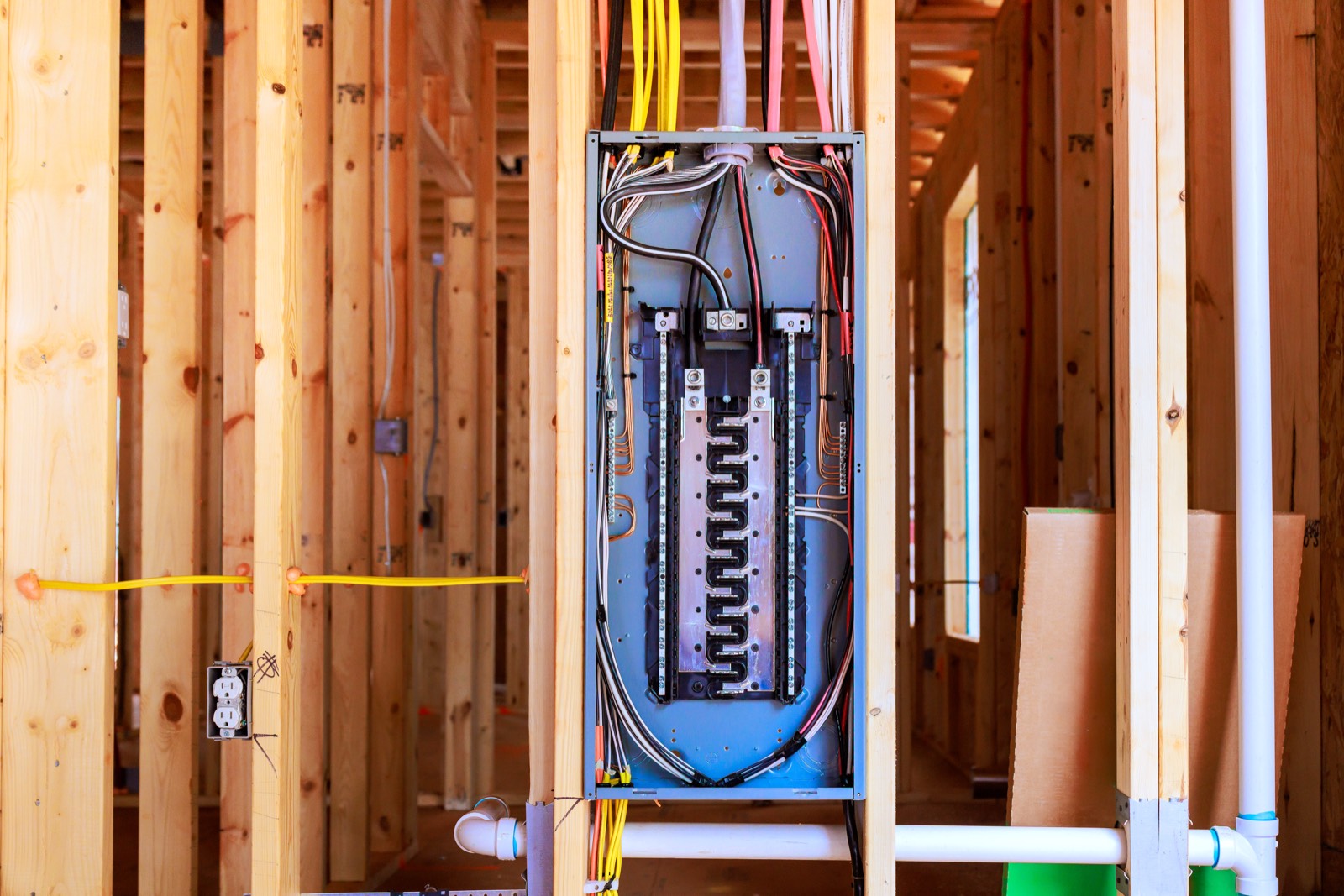
If you are planning a panel or service upgrade in the GTA, the first practical question is simple: which utility controls the service connection and meter at your address?
That answer is local. Toronto Hydro, Alectra, Oakville Hydro, Burlington Hydro, Oshawa Power, Elexicon and Hydro One all show up in the Greater Toronto Area, and they do not all process service work the same way.
The electrician handles the customer-side electrical work and the ESA notification. The utility handles the utility-side connection and meter. Those are related steps, but they are not the same approval.
City Power Electrical Services is a Licensed Electrical Contractor, ECRA/ESA #7015314, based in North York and serving Toronto and the GTA. We coordinate service upgrades across multiple utility territories, but the utility serving the address determines the utility-side process.
Your GTA utility is based on the service address, not your preferred provider
The utility for a panel upgrade is assigned by geography. You do not choose it the way you might choose an internet provider.
For most homeowners, the map looks like this:
| Area | Common local utility |
|---|---|
| City of Toronto, including North York, Scarborough and Etobicoke | Toronto Hydro |
| Mississauga, Brampton, Markham, Vaughan, Richmond Hill, Hamilton and Barrie | Alectra Utilities in many areas |
| Oakville | Oakville Hydro |
| Burlington | Burlington Hydro |
| Oshawa | Oshawa Power |
| Ajax, Pickering, Whitby and some nearby communities | Elexicon Energy |
| Rural edges and fringe properties outside dense municipal utility areas | Hydro One often appears |
This matters because the utility controls the meter, overhead or underground service connection, and final reconnect. A licensed electrician cannot simply remove a sealed meter, change the service conductors and reconnect the home without utility coordination.
It also matters for timing. A panel change inside the house can be a one-day electrical job, but the utility side may require a booked disconnect/reconnect window, service layout confirmation, or metering review before the work date.
If you are comparing quotes for a 200-amp panel upgrade, make sure the contractor has identified the utility at your address. A quote that ignores the meter and service connection is not complete for a true service upgrade.
Toronto Hydro covers Toronto, but housing type changes the service issue
Toronto Hydro serves the City of Toronto. That includes old Toronto, North York, Scarborough and Etobicoke, but the electrical service conditions can look very different from street to street.
In central Toronto neighbourhoods, older houses may still have overhead service drops, narrow side yards, older meter locations and limited space around the panel. A service upgrade may involve the mast, meter base, grounding, panel location, and clearances around the working space.
In North York and Scarborough, many postwar bungalows and split-level homes have been renovated several times. We often see older 100-amp services supporting new kitchens, finished basements, heat pumps, EV chargers and hot tubs. The utility may be Toronto Hydro, but the load issue is usually inside the home: the panel has run out of safe capacity for modern circuits.
In Etobicoke and suburban Toronto pockets, underground services are more common in some subdivisions. That can change what is practical. An underground service upgrade may require more coordination than an overhead reconnection because the utility-side cable route and meter equipment need to match the utility’s requirements.
Toronto also has local renovation patterns that affect electrical planning. Laneway suites, basement apartments, main-floor renovations and EV charger additions can all trigger a serious look at service capacity. If your project involves a laneway suite, see our guide to Toronto laneway suite electrical planning. If it involves a basement rental unit, the electrical scope is different again; start with Toronto second suite electrical requirements.
For panel upgrade budgeting, the published GTA range is clear: A 100A-to-200A panel upgrade in the GTA typically costs $3,200–$4,500 including the panel, labour, ESA permit, and inspection. If the home is starting from a 60A fuse service, the published range is different: Upgrading from a 60A fuse panel runs $4,000–$6,000 because the service entrance and meter base usually need replacement too.
Alectra territory is large, so service conditions vary by municipality
Alectra serves many GTA municipalities including Mississauga, Brampton, Markham, Vaughan, Richmond Hill, Hamilton and Barrie. That does not mean every Alectra job is the same.
Mississauga and Brampton have many subdivisions where the service is underground and the panel is in a garage, basement or utility room near the front of the house. For a 200-amp upgrade, the key questions are usually whether the existing service conductors and meter base are suitable, whether the route from meter to panel is accessible, and whether the panel location has proper working clearance.
Markham, Vaughan and Richmond Hill include a mix of older village cores, 1970s and 1980s subdivisions, large newer homes, and infill rebuilds. In larger homes, the issue is often load calculation: EV charging, electric cooking, basement suites, pool equipment, saunas and backup power equipment can stack up quickly.
Hamilton and Barrie bring another mix again: older urban housing, newer subdivisions, and rural-edge properties where utility territory and service style must be confirmed before quoting. A home may look suburban but still have service rules shaped by the local utility infrastructure on that street.
Alectra coordination is still separate from ESA inspection. Alectra controls its utility-side connection and meter process. ESA inspection confirms that the electrical work completed by the licensed electrical contractor meets Ontario Electrical Safety Code requirements.
That split is important during scheduling. A service upgrade normally needs the electrician, utility and ESA steps lined up in the right order. If the utility disconnect is booked but the ESA inspection path is not handled, the job can stall. If the ESA notification is filed but the utility has not confirmed its side, the job can also stall.
Homes in some Alectra municipalities also overlap with common GTA aluminum-wiring-era subdivisions. That is a separate issue from utility territory, but it can affect panel work because every circuit entering the panel must be handled correctly. For that topic, see our guide to GTA aluminum wiring subdivisions.
Oakville, Burlington, Oshawa, Elexicon and Hydro One each need address-level confirmation
Outside Toronto Hydro and Alectra territory, several GTA utilities appear often enough that homeowners should know the names before planning a service upgrade.
Oakville Hydro and Burlington Hydro are separate local utilities. Even though Oakville and Burlington are close to larger Alectra-served areas, you should not assume Alectra controls the meter. If the property is in Oakville, Oakville Hydro is the utility to confirm. If it is in Burlington, confirm Burlington Hydro.
Oshawa Power serves Oshawa. Elexicon serves communities including Ajax, Pickering and Whitby. In Durham Region, the utility line can matter when comparing homes only a short drive apart. A Pickering address and an Oshawa address may involve different utility offices, forms and scheduling procedures.
Hydro One commonly appears on rural or fringe properties outside dense municipal utility territories. This is especially relevant near the edges of the GTA, where a property can feel connected to the same housing market but be served by a different electrical distribution system. Larger lots, long driveways, overhead lines across private property, farm-style services and outbuildings can all make the utility-side review more important.
Do not rely only on the city name. Use the exact address. A contractor can often identify the likely utility from the municipality, but the safest approach before booking a service upgrade is to confirm the account utility and meter authority for that address.
This is especially important for backup power and high-load equipment. A standby generator, transfer switch, EV charger, hot tub or future battery system can all affect the service plan. For broader planning, see our guide to GTA home backup power or ULO-rate EV charging in the GTA.
The utility handles the meter; ESA inspection is still separate
A utility reconnect does not replace ESA inspection. They answer different questions.
The utility is concerned with its equipment and connection to the premises. That usually includes the service drop or underground service lateral, meter, utility seals, and the safe connection of the customer’s service equipment to the distribution system.
ESA is concerned with electrical safety under the Ontario Electrical Safety Code. For a panel upgrade, the ESA inspection path typically looks at the new panel, breakers, grounding and bonding, service equipment, conductor sizing, labelling, and whether the installation matches the filed notification.
The licensed electrical contractor is responsible for filing the ESA notification where required. City Power provides free written estimates, and every job is permitted with the ESA where required and inspected. We also include full cleanup, because a service upgrade should not leave the home looking like a construction site.
A clean service-upgrade plan should identify:
- The utility serving the exact address
- Whether the service is overhead or underground
- Existing service size and panel condition
- Meter base condition and location
- Main grounding and bonding condition
- Loads being added now, such as EV charging or basement equipment
- Loads likely to be added later, such as a generator, hot tub or heat pump
- ESA notification and inspection requirements
- Utility disconnect and reconnect requirements
This is why a site visit matters. Two houses in the same municipality can have different service entrances, different panel locations and different utility requirements.
Start with the utility map, then design the service upgrade
The practical order is: identify the utility, confirm the existing service, calculate the load, then quote the upgrade in writing.
For a homeowner, the fastest way to prepare is to gather three things before the visit: a recent utility bill, a photo of the panel with the main breaker visible, and a photo of the meter area outside. If the service is overhead, include the mast and wires entering the house. If it is underground, include the meter base and the route into the home if visible.
During the visit, we look at the panel, meter area, grounding, service entrance, working clearances, visible wiring condition and the equipment you want to add. We also ask about near-future plans. A panel upgrade designed only for today may be short-sighted if you are planning an EV charger, legal basement unit, pool equipment or backup power.
You can browse more GTA electrical planning guides on our electrical blog, or start with the main panel upgrade service page if you already know your home needs more capacity.
City Power Electrical Services serves Toronto and the GTA, including Toronto, North York, Scarborough, Etobicoke, Mississauga, Brampton, Markham, Vaughan, Richmond Hill, Aurora, Newmarket, Oakville, Milton, Burlington, Hamilton, Pickering, Ajax, Whitby, Oshawa and Barrie. For urgent electrical issues, we offer 24/7 emergency service. For planned service upgrades, call 416-837-4038 and ask for a written estimate tied to your actual utility territory.
Want a licensed electrician to take a look?
Free written quote, usually the same day. ESA permits handled.