Comparison
Tesla Wall Connector vs Universal Charger
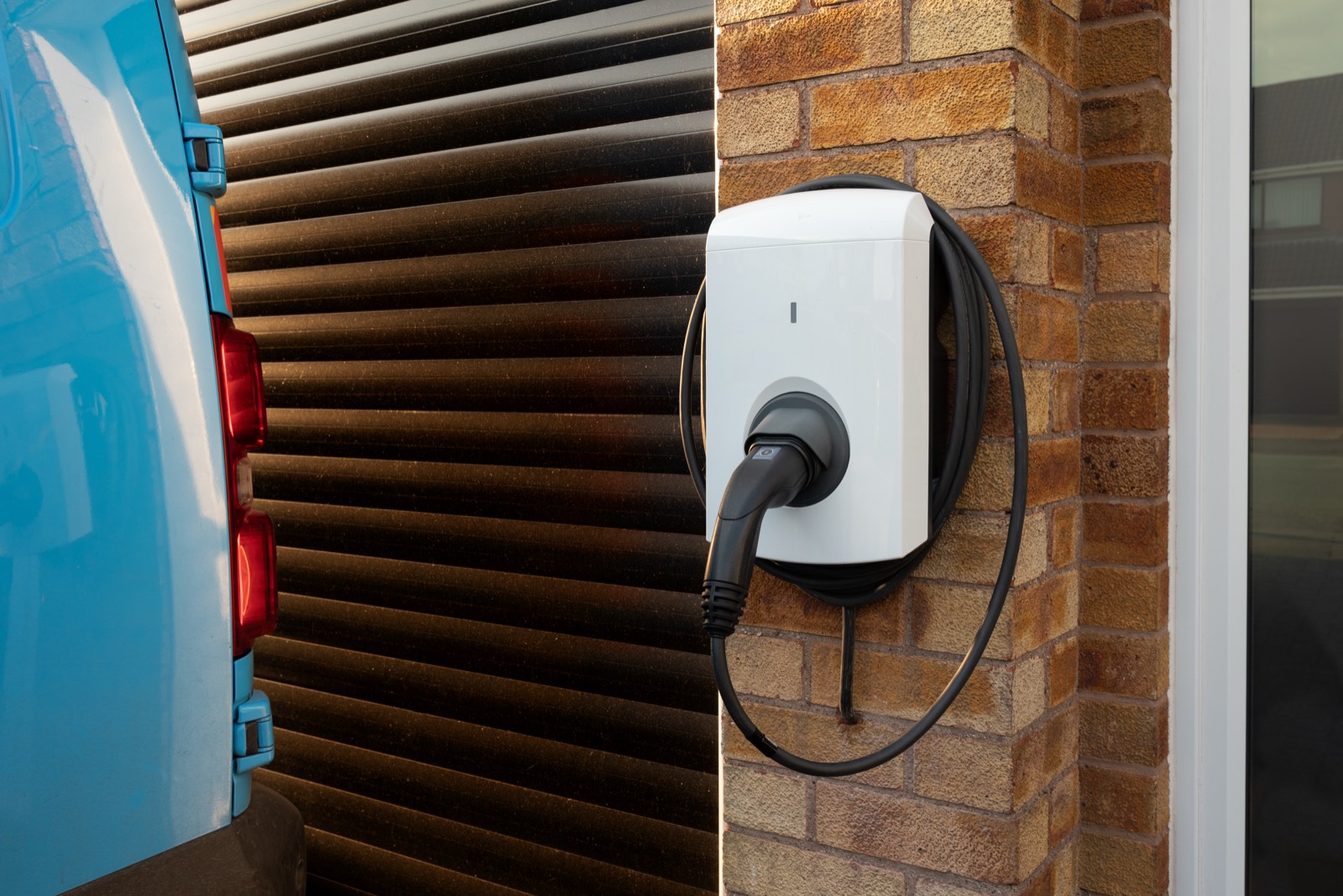
The short verdict: choose the regular Tesla Wall Connector if your household is all Tesla and likely to stay that way. Choose the Tesla Universal Wall Connector if you want one hardwired Level 2 charger that can serve both Tesla and most non-Tesla EVs without depending on a loose adapter every day.
For many Toronto and GTA homeowners, the electrical work is the same either way: a properly sized 240V circuit, ESA notification where required, correct breaker and conductor sizing, and a charger location that works in a garage, driveway, carport, or exterior wall. The real decision is not usually the breaker. It is connector compatibility, day-to-day convenience, and whether your next vehicle might be a different brand.
If you are planning the electrical side now, see our EV charger installation service or our dedicated Tesla Wall Connector installation page.
The main difference is the connector ecosystem
The regular Tesla Wall Connector is built around Tesla’s connector ecosystem. It is the cleanest choice when the vehicle parking in that spot is a Tesla and you want the simplest daily routine: pull in, grab the handle, plug in, and let the car manage charging.
The Universal Charger is designed for mixed households. It keeps Tesla-style charging convenient while also supporting non-Tesla vehicles that use the common North American AC charging inlet with an adapter arrangement built into the charger system. That matters if you own a Tesla today but your spouse drives another EV, if you are replacing vehicles on different timelines, or if you want the charger to be useful to future owners of the house.
Keep the model details current before buying. EV connector standards are changing quickly, and automakers are moving at different speeds. Before we install any charger, we want the exact charger model and the vehicle charge port confirmed, not just the brand name.
| Question | Tesla Wall Connector | Tesla Universal Wall Connector |
|---|---|---|
| Best fit | Tesla-only household | Mixed Tesla and non-Tesla household |
| Daily adapter use | Usually none for Tesla vehicles | Usually avoids a loose everyday adapter for mixed charging |
| Future vehicle flexibility | Lower if the next EV is not Tesla-compatible | Higher if the next EV brand changes |
| Installation type | Typically hardwired Level 2 | Typically hardwired Level 2 |
| Electrical requirements | Based on circuit size, load calculation, and OESC rules | Same electrical review as a regular Wall Connector |
| App and settings | Tesla ecosystem features, charging settings, access controls depending on model and setup | Similar Tesla ecosystem approach, with broader vehicle compatibility |
| Good resale feature | Strong for Tesla buyers | Stronger for unknown future EV buyers |
The charger you pick should match the cars that actually use the parking space. A charger in a single-car garage used by one Model Y is a different decision from a two-car driveway where the second vehicle may change brands in two years.
Adapter needs are the practical daily issue
Adapters work, but they are not all equal as a daily habit. A loose adapter can be left in the trunk, dropped, exposed to snow and grit, or borrowed by another driver. For occasional use, that may be fine. For every-night charging in a dark driveway in February, fewer loose parts is better.
With a regular Tesla Wall Connector, a non-Tesla EV may need an appropriate adapter if the vehicle inlet is different. That can be acceptable if non-Tesla charging is rare. It is less ideal if the non-Tesla vehicle is the main commuter and charges every night.
With the Universal Charger, the point is convenience across vehicle types. The driver should not have to treat the charger as “the Tesla charger” and then remember a separate workaround for the other car. That is why the Universal model often makes sense for:
- A Tesla now, but another EV brand likely later
- A household with two EVs using different connectors
- A rental, laneway suite, or future sale where the next user is unknown
- A garage where guests or family members may charge different vehicles
- A homeowner who wants one neat wall-mounted unit instead of a charger-plus-adapter routine
The one thing we do not recommend is buying any charger before confirming the exact vehicle inlet, desired amperage, Wi-Fi location, and mounting spot. A charger that looks right online can still be the wrong fit if the cord reach, parking direction, or panel capacity was assumed incorrectly.
App features matter, but the electrical installation still matters more
Charger apps are useful for setup, access control, scheduling, usage viewing, and firmware updates, depending on the charger model and vehicle. Tesla’s ecosystem is generally strongest when the car, charger, and account are all in the same family. The Universal Charger keeps that familiar approach while making the physical connector side more flexible.
But app features do not replace correct electrical work. In Ontario, a Level 2 EV charger is a continuous high-load appliance. It can run for hours at a time, often overnight, when no one is watching it. That means the installation has to be treated differently from a casual receptacle or light fixture.
The installer should confirm:
- The home’s service size and available capacity
- The panel condition, breaker space, and grounding
- Whether load management is needed to avoid a panel upgrade
- The charger’s maximum output and the circuit size it will be set to use
- Conductor size, breaker type, and termination requirements
- Indoor, garage, or outdoor environmental exposure
- ESA notification and inspection requirements
A charger app may let you adjust charging current, but the circuit must still be installed for the permitted setting. You cannot solve an undersized wire by changing a setting later and hoping everyone remembers. The charger should be commissioned so the equipment, breaker, wiring, and settings all agree.
If you are comparing hardwired equipment with a receptacle-based setup, read Hardwired vs plug-in EV charger. If your question is more about output, 40 amp vs 48 amp EV charger explains why the highest number is not always the best choice for a GTA home.
Indoor, outdoor, and garage installations have different details
A garage installation is usually the neatest option when the panel is nearby and the vehicle parks in the same orientation every night. The charger can often be mounted at a comfortable height, the cable can hang cleanly, and the run from the panel may be shorter. The common mistake is placing the charger where the cord crosses a walkway, rubs against the garage door track, or only reaches if the car is backed in perfectly.
Outdoor installations need more attention to weather, impact, and routing. The charger location should be suitable for rain and snow exposure, the wiring method must match the environment, and the unit should not be placed where a vehicle, shovel, garbage bin, or snowblower will hit it. If conduit is exposed on the exterior wall, it should be planned so it looks intentional and is mechanically protected where needed.
Driveway and carport installations add cord-management questions. The charger should serve the actual parking spot without stretching the cable across a public sidewalk or shared path. In a Toronto semi, townhouse, or narrow side yard, that detail matters as much as the charger brand.
Condo installations are a separate conversation because the route may involve common elements, parkade rules, load studies, board approval, and utility or metering coordination. If you are in a condo, start with condo EV charger installation cost before buying hardware.
Wherever the charger goes, the Ontario Electrical Safety Code and the manufacturer’s installation instructions both matter. We also check practical items: Wi-Fi signal if the charger needs it, snow clearing patterns, garage storage, bollard needs, panel access, and whether the charger cord can be stored without kinking or sitting on the floor.
Cost is usually driven by the circuit, not the charger name
For a normal detached or semi-detached GTA home, the price difference between installing one compatible hardwired charger and another is usually less important than the path from the panel to the charger.
For either Tesla wall charger, a simple GTA Level 2 install — with the panel close and room on the service — is typically $800–$1,500 including labour, materials, and the ESA permit. If the Tesla Wall Connector or Universal Wall Connector needs a longer cable route or work through finished walls, installation rises to $1,500–$3,500, with the charger adding another $500–$1,200. Most homeowners comparing these Tesla charger options end up around $1,500 to $3,000 all-in.
When electrical capacity is limited, load management can often avoid a panel upgrade; if not, a 200A upgrade ($3,200–$4,500) can be completed during the charger installation.
| What changes the number | Why it matters |
|---|---|
| Panel distance | Longer runs need more cable, conduit, labour, and sometimes finished-wall fishing |
| Available capacity | A tight panel may need load management or a service upgrade |
| Charger output setting | Higher output can require larger conductors and different breaker sizing |
| Indoor vs outdoor location | Exterior work may need weather-rated routing and more mechanical protection |
| Finished basement or garage ceiling | Concealed routes take longer than open framing |
| ESA notification | EV charger work normally needs proper permitting and inspection where required |
The ESA step is not paperwork theatre. The inspection process is there to confirm the installation follows the OESC and the equipment is connected as intended. For more on that, see Do I need a permit to install an EV charger in Ontario?.
What we recommend for a GTA home
If the house is Tesla-only, the regular Tesla Wall Connector is clean, familiar, and usually the right pick. It looks good on the wall, works naturally with Tesla vehicles, and avoids paying for flexibility you may never use.
If there is any realistic chance the charger will serve a non-Tesla EV, we lean toward the Universal Charger. In a GTA household, vehicle changes are common: one person replaces a gas commuter with an EV, a company car changes brands, or the home is sold before the charger reaches the end of its useful life. The Universal option protects against that uncertainty without changing the core electrical work.
Our practical recommendation is:
- Tesla-only for the foreseeable future: regular Tesla Wall Connector
- Two EVs or uncertain next vehicle: Universal Charger
- Condo or shared parking: confirm approvals before choosing hardware
- Outdoor driveway: choose based on connector needs, then plan mounting, weather exposure, and cord reach carefully
- Panel near the garage with capacity available: either charger can be a straightforward installation
- Tight 100A service: do the load calculation before buying anything
City Power Electrical Services is a licensed Ontario electrical contractor, ECRA/ESA #7015314. We provide free written estimates, file ESA notifications where required, and clean up after the work. If you already bought the charger, we can confirm whether it suits the vehicle and the panel. If you have not bought one yet, we can help you choose the charger before the electrical route is finalized.
To plan the visit, see EV charger install day: what to expect or call 416-837-4038 for a written quote.
Want a licensed electrician to take a look?
Free written quote, usually the same day. ESA permits handled.