EV Charger Installation
Charge your electric vehicle at home or at your business.
About ev charger installationCity Power installs hardwired Tesla Wall Connectors for homeowners who want faster, cleaner charging than a standard outlet can provide. We size the circuit properly, check panel capacity, arrange the ESA permit where required, and leave the setup ready for daily use.
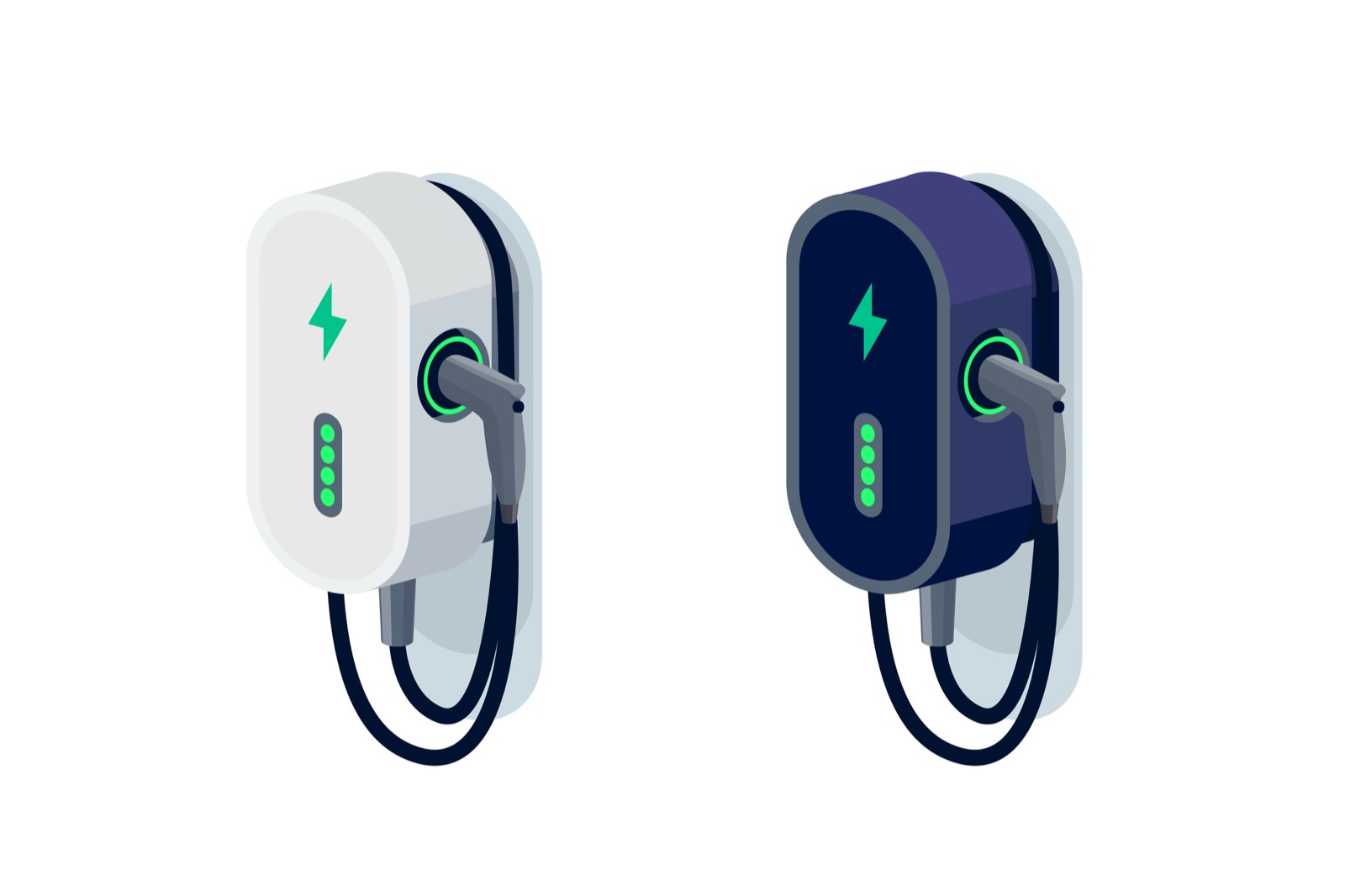
A Tesla Wall Connector is only as good as the electrical circuit behind it. Before we choose a breaker size or pull cable, we look at your existing service, panel space, major loads, charger location and daily driving needs. That load calculation is what decides whether your home can support the charger as planned, needs load management, or needs a panel upgrade first.
City Power installs hardwired Tesla Wall Connectors in Toronto and the GTA for detached homes, townhomes and garages where the owner has authority to add a dedicated EV charging circuit. If you are comparing charger hardware before booking, our guide to Tesla Wall Connector vs Universal Charger explains the practical differences without getting stuck on marketing claims.
A typical installation can include:
The cleanest jobs are usually in garages where the panel is nearby and the cable can be run along framing, ceiling joists or a mechanical room route. Finished basements, long runs to detached garages, brick exterior walls, trenching, and crowded panels add planning time. We explain those access issues before work starts, not after the wall is open.
For general EV charging options beyond Tesla-branded equipment, see our main EV charger installation service.
A Level 2 charger is a continuous, high-load appliance. It may run for hours overnight, often when nobody is watching it. That is why we do not treat a Tesla Wall Connector like a light fixture or a convenience outlet. The breaker, conductor size, terminations, routing and mounting all have to match the load and the conditions.
You should book a dedicated installation if:
We also check for common failure points before quoting: double-tapped breakers, undersized garage feeds, old fuse panels, overloaded subpanels, aluminum branch wiring, missing grounding, and DIY receptacles that were never inspected. If the charger location is fed from a garage subpanel, we confirm that the subpanel feeder can carry the added load before treating it as usable capacity. If a new subpanel is the right fix, we can price that separately through our subpanel installation service.
Condo and apartment installations are different because they involve parking ownership, board approval, energy billing and shared electrical infrastructure. If that is your situation, start with EV charger installation for condos and apartments instead of this single-family home service page.
A new EV charging circuit normally requires an ESA notification and inspection in Ontario. That matters because an EV charger is not a temporary appliance; it becomes part of the home’s electrical system.
For a Tesla Wall Connector, the inspector may look at the same fundamentals we check during installation:
The Ontario Electrical Safety Code is concerned with the whole installation, not just whether the charger powers up. A charger can appear to work and still be wrong if the breaker is oversized, the cable is not protected, the circuit is loaded beyond the service calculation, or the terminations are not suitable for continuous charging.
If the load calculation shows your existing service is too tight, we discuss options. In many homes, a load-management device can allow safe EV charging without immediately replacing the main service. In other homes, especially where a 100A panel is already carrying electric cooking, dryer, hot tub, heat pump or future basement loads, a 200A panel upgrade may be the better long-term decision. If utility coordination is needed, the local utility may be Toronto Hydro, Alectra, Hydro One or another GTA distributor depending on your address.
We start with the basics: your address, panel photos, charger location, distance from panel to charger, whether the garage is finished, and whether the charger will be indoors or outdoors. For simple layouts, photos can help us give useful guidance. For finished walls, long routes, exterior mounting, tight panels or uncertain capacity, a site visit is the better way to quote accurately.
For a simple Tesla Wall Connector setup in the GTA — close to the panel with enough capacity — expect $800–$1,500 including labour, materials, and the ESA permit. Longer wire runs or finished walls push it to $1,500–$3,500. Most Tesla Wall Connector installations finish in the $1,500 to $3,000 all-in range. We do not quote current Tesla hardware pricing on this page; if you want us to supply equipment, it is quoted in writing after a site visit or current confirmation.
When panel capacity is limited, load management can often prevent a service upgrade; if not, we can complete a 200A upgrade ($3,200–$4,500) during the same project. That decision is not made by guessing from the panel label. It comes from the load calculation, the condition of the existing service, and what else you plan to add to the home.
On installation day, we protect the work area, confirm the route, shut down only what is necessary, install the breaker and wiring, mount and hardwire the Wall Connector, set the output, test the unit, label the panel and clean up. If the ESA inspection is separate from the installation date, we tell you what to expect and keep the work accessible for review.
City Power serves Toronto and the GTA from our North York office at Fairview Mall, Sheppard and Don Mills. If you are comparing this with other electrical work, our electrical services hub lists related residential and specialty services.
Yes, a new hardwired EV charging circuit normally requires an ESA notification and inspection in Ontario. City Power files the ESA notification where required, installs the circuit to the Ontario Electrical Safety Code, and coordinates inspection. This protects you, your home insurance position, and the next owner who may ask for proof the charger was installed legally.
Maybe. We need to complete a load calculation before choosing the circuit size. A panel can have empty breaker spaces and still lack service capacity, or it can look full but have options through load management or a subpanel plan. We review the service size, major appliances, existing loads and charger location before recommending a safe setup.
For a simple Tesla Wall Connector setup in the GTA — close to the panel with enough capacity — expect $800–$1,500 including labour, materials, and the ESA permit. Longer wire runs or finished walls push it to $1,500–$3,500. Most Tesla Wall Connector installations finish in the $1,500 to $3,000 all-in range. Charger hardware is quoted separately if supplied.
Yes, if the location can be wired safely and the equipment is installed for the environment. Outdoor work may require weather-rated routing, proper wall penetrations, physical protection for cable, and a mounting position that keeps the charger accessible without creating a trip or damage hazard. We check those details during the estimate.
Charge your electric vehicle at home or at your business.
About ev charger installation
Pool and spa electrical must meet strict safety codes due to the water proximity.
About pool & spa wiring
Free estimates on all projects. Same-day service available across the GTA. Send the details and a licensed electrician replies the same day.
Or call 416-837-4038Free written quote
Tell us about the job and we reply the same day. For an emergency, call 416-837-4038 instead.
A licensed electrician answers every call, day or night.