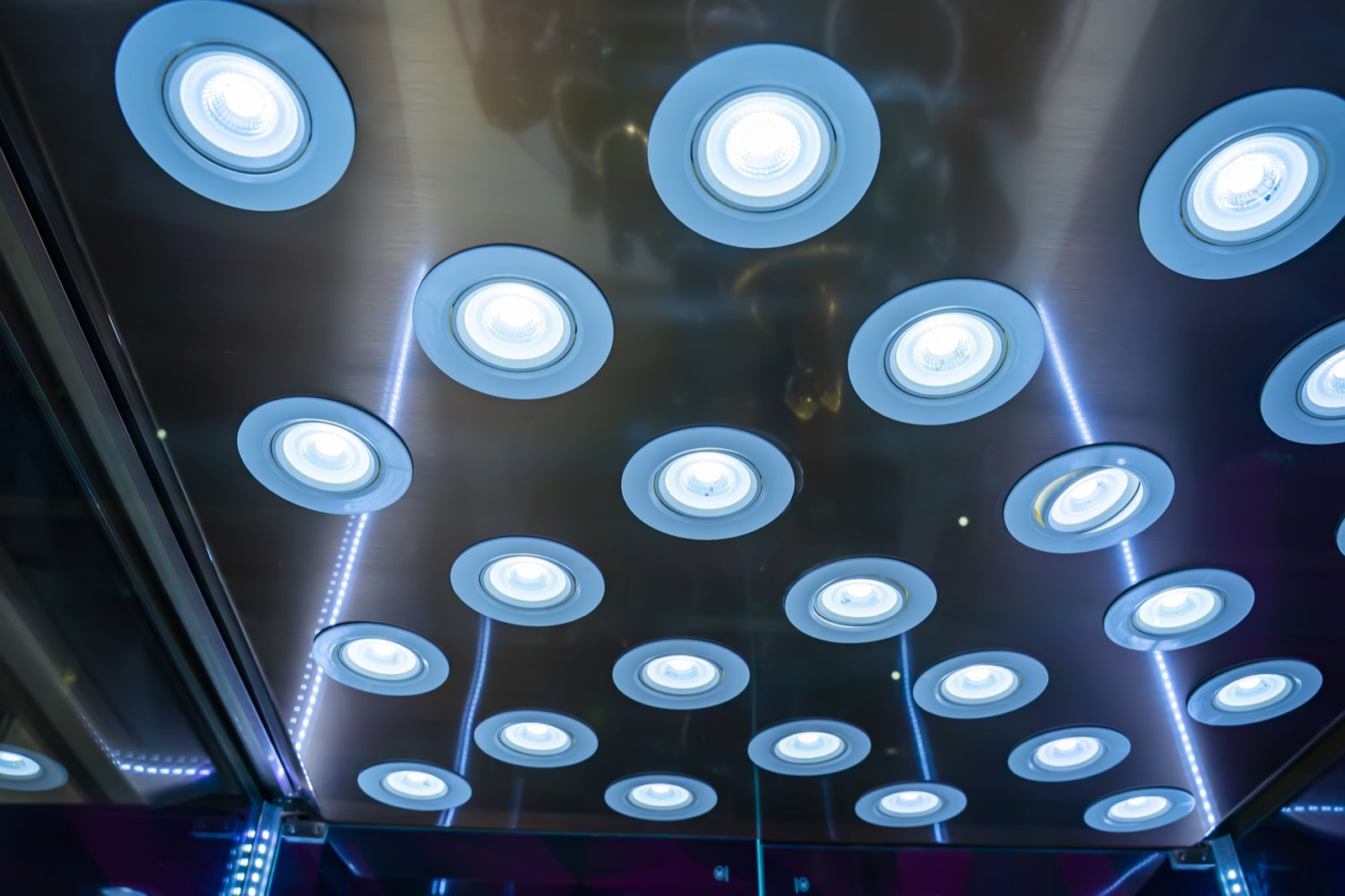
Lighting & Pot Lights
Transform any room with expertly installed lighting.
About lighting & pot lightsSubpanel installation adds breaker space and local circuit control for garages, workshops, basements, additions and EV equipment. City Power designs the feeder, grounding and panel layout so the new panel is safe, inspected where required and practical to use.
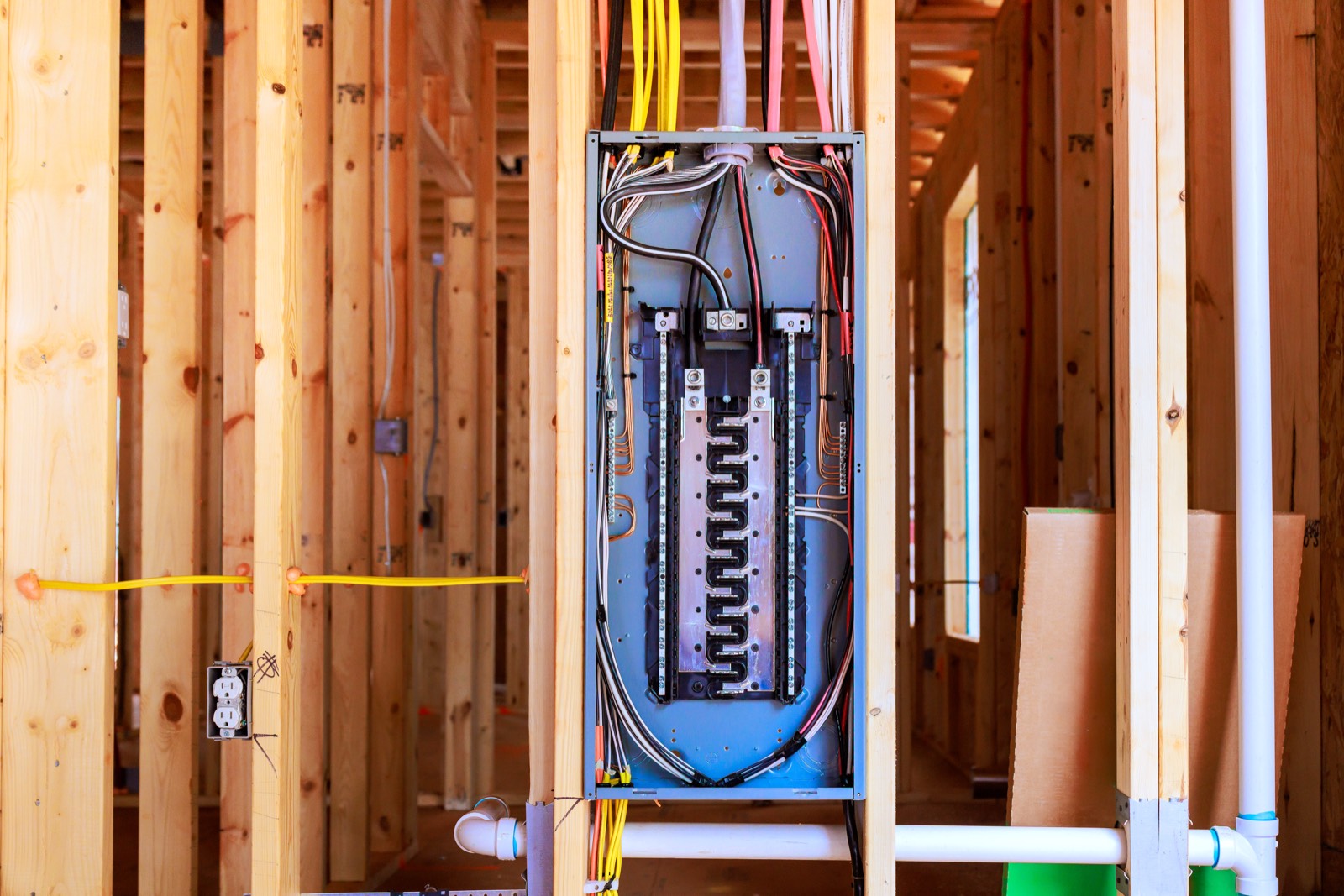
A subpanel is not a second electrical service. It is a smaller distribution panel supplied by a feeder breaker in the main panel, usually installed closer to a group of new loads: a detached garage, basement workshop, rear addition, finished basement, pool equipment area or EV charging location.
The main panel still controls the service. The subpanel gives you organized breaker space, shorter branch-circuit runs and a cleaner layout when the existing panel is crowded or physically far from the new work.
A proper subpanel installation includes:
The most common mistake is treating a subpanel like a main panel. In a subpanel, the neutral must be isolated from the cabinet, and bonding must be handled through the equipment bonding conductor and approved hardware. That detail matters: a wrong neutral bond can put current on metal parts that should not carry current.
A subpanel makes sense when you have electrical capacity available, but the main panel is no longer the right place to land every new circuit.
Typical residential use cases include a garage with tools, compressor loads and receptacles; a basement workshop with saws, dust collection and task lighting; a finished basement with several new lighting and receptacle circuits; or a home addition where running every branch circuit back to the original panel would be messy and expensive.
A subpanel can also be useful when planning for EV charging. If the charger is near a garage wall and the main panel is on the other side of the house, a subpanel may support the EV circuit plus future garage circuits in one organized location. For charger-specific work, see our Tesla Wall Connector installation page.
A subpanel is not always the answer. If the existing service is already overloaded, the main panel is obsolete, or there is no breaker space for a properly sized feeder, the right route may be a panel upgrade instead. For subpanel installation planning, a related 100A-to-200A main panel upgrade in the GTA is usually $3,200–$4,500 with the panel, labour, ESA permit, and inspection included. If a subpanel project also involves moving up from a 60A fuse panel, the cost is typically $4,000–$6,000 since the service entrance and meter base often have to be replaced as well.
The practical question is not simply, “Can we fit another panel?” It is: can the service, main panel, feeder path and new load all work together safely under the Ontario Electrical Safety Code.
Subpanel work is panel work, so it has to be designed rather than guessed. City Power checks the load, the main breaker size, the existing panel rating, the available spaces, the grounding and bonding condition, and the physical path from the main panel to the proposed subpanel location.
The feeder is sized for the panel and expected load. That includes the breaker size, conductor material, conductor insulation, installation method, distance and voltage drop. A long run to a detached garage or rear addition may need a different conductor size than a short feeder beside the main panel, even when the breaker rating is the same.
Grounding and bonding are just as important as amperage. For a typical subpanel, the neutral bar is isolated from the metal cabinet. The bonding conductor is connected to the cabinet and to the bonding bar so fault current has a safe, low-impedance path back to the source. Detached structures can add extra requirements, including grounding electrodes where required by the OESC and the installation conditions.
Breaker type matters too. New circuits may require AFCI or GFCI protection depending on the space and equipment being supplied. For those details, see AFCI and GFCI breaker installation. Garages, unfinished basements, workshops and outdoor-related circuits are common places where protection requirements need careful attention.
Panel placement also has rules. The panel needs safe working space, a dry and accessible location, proper height and protection from physical damage where necessary. It should not be hidden behind shelving, installed in a cramped closet, or placed where future access will be blocked by appliances or stored material.
For new panel work, ESA notification is normally required. City Power files ESA notifications where required, completes the installation to the Ontario Electrical Safety Code, and arranges inspection. The inspector may check the feeder size, breaker rating, neutral isolation, bonding, panel labelling, cable protection, grounding arrangement and the branch circuits supplied from the subpanel.
We start by looking at the main panel, service size, available breaker spaces, existing loads and the equipment you want to add. Photos help for an initial conversation, but subpanel work is normally quoted in writing after a site visit because the feeder route changes the job.
The site visit confirms practical details:
If the subpanel is for a garage workshop, we map receptacle locations against the tools you actually use instead of guessing. A table saw, air compressor, welder-style receptacle, dust collector and general-use outlets should not all be treated as the same load. If the subpanel is for an addition, we coordinate lighting, receptacles, heating, smoke/CO detector feeds and mechanical equipment early so the panel has enough spaces from day one.
If the subpanel supports electric heating, we also look at the load impact. A permanently wired heater needs a properly sized circuit and thermostat arrangement; see electric baseboard heater installation for that specific scope.
If the subpanel is being considered for backup power equipment, the design has to coordinate with transfer equipment rather than simply adding breakers. See transfer switch installation for that route.
Subpanel installation is quoted in writing after a site visit. The price depends on feeder size, distance, wall finish, panel size, grounding requirements, breaker types, trenching if any, and whether the main panel needs correction first. If the work reveals that the service itself is the constraint, we will explain when a panel upgrade is the safer long-term fix rather than selling you a subpanel that does not solve the capacity problem.
City Power is a Licensed Electrical Contractor, ECRA/ESA #7015314, serving Toronto and the GTA. We provide free written estimates, file ESA notifications where required, arrange inspection, and clean up when the work is complete. You can also browse our electrical services for related residential and commercial wiring work.
Sometimes, but a full panel is not the only issue. We also check service capacity, the main panel rating, available spaces for the feeder breaker, grounding and the proposed new loads. If the service is already tight, a subpanel may create a cleaner layout but not more electrical capacity.
Detached garages can have extra grounding requirements depending on the installation, feeder type and OESC requirements. The key points are a correctly sized feeder, isolated neutral in the subpanel, proper bonding, and grounding electrodes where required. We confirm this on site and include the required grounding work in the written quote.
New panel work normally requires an ESA notification and inspection in Ontario. City Power files ESA notifications where required and arranges inspection. The inspector may review the feeder breaker, conductor sizing, neutral isolation, bonding, grounding, cable protection, breaker types and panel labelling.
It depends on what problem you are solving. A subpanel can be the right choice when you have capacity but need breaker space or a better location. If the home needs more service capacity, For a GTA subpanel project tied to a 100A-to-200A service upgrade, the usual total is $3,200–$4,500, covering the panel, labour, ESA permit, and inspection.
Transform any room with expertly installed lighting.
About lighting & pot lightsIs your electrical panel outdated or overloaded? We upgrade 60A and 100A panels to modern 200A breaker panels, ensuring your home can handle today's electrical demands safely.
About panel upgrades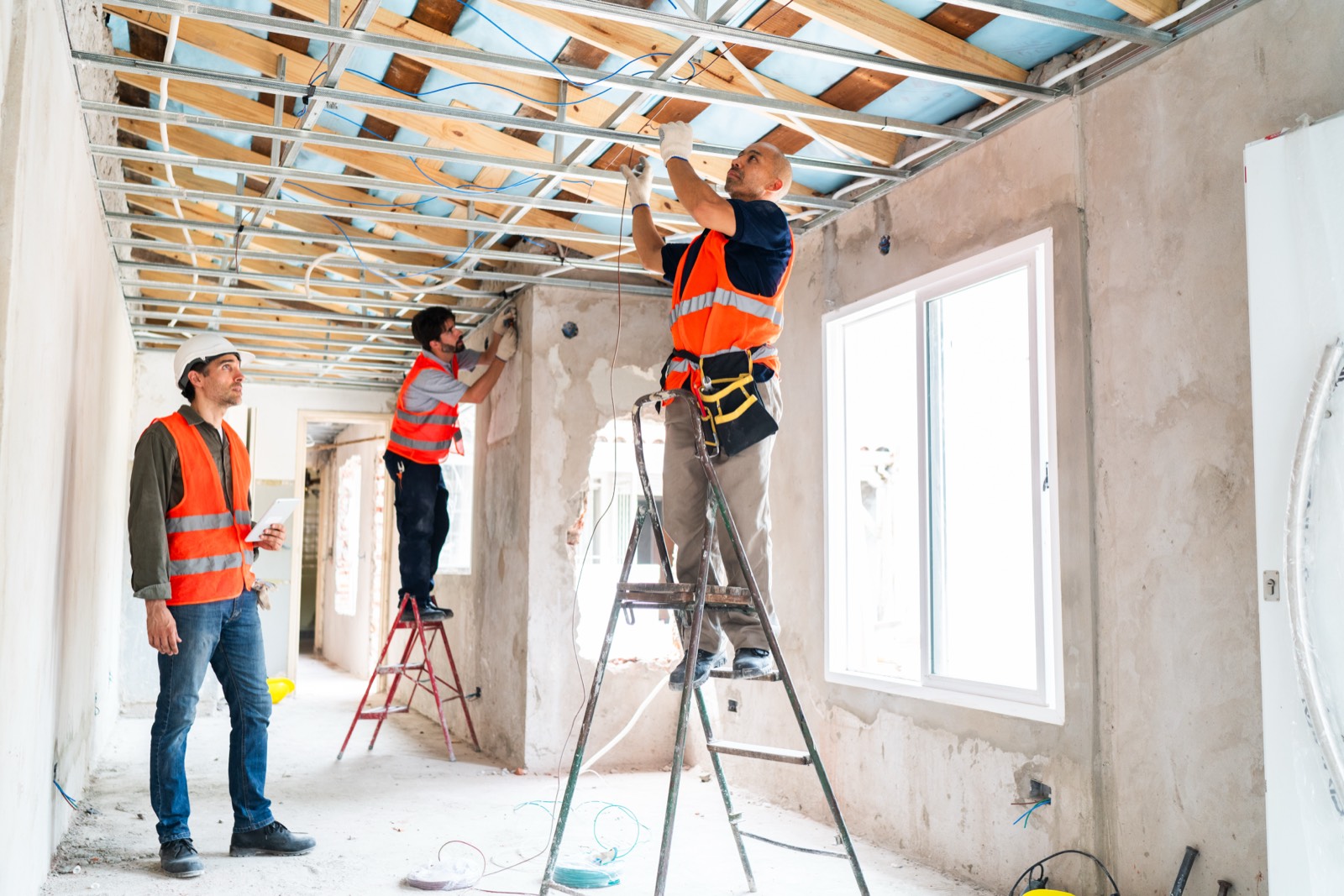
Whether you're building new or renovating, we provide complete electrical wiring services that meet or exceed the Ontario Electrical Safety Code.
About wiring & rewiringFree estimates on all projects. Same-day service available across the GTA. Send the details and a licensed electrician replies the same day.
Or call 416-837-4038Free written quote
Tell us about the job and we reply the same day. For an emergency, call 416-837-4038 instead.
A licensed electrician answers every call, day or night.