
Lighting & Pot Lights
Transform any room with expertly installed lighting.
About lighting & pot lightsNeed steady heat in a cold bedroom, basement, addition or garage? City Power installs hardwired electric baseboard heaters with 240 V dedicated circuits, proper thermostat wiring, load calculations and ESA permits where required.

A hardwired electric baseboard heater is a fixed heating appliance. It needs the right breaker, cable size, thermostat and connection method for the heater wattage and the room it serves. We install electric baseboard heaters for homeowners who need reliable zone heat without running cords, overloading receptacles or relying on portable heaters.
Most residential baseboard heaters are 240 V. That lets the heater deliver useful heat with lower current than a 120 V unit of the same wattage. The circuit is sized from the heater nameplate load, the thermostat rating and the Ontario Electrical Safety Code requirements that apply to fixed electric space heating.
A typical installation can include:
Thermostat wiring matters. Many baseboard heaters use a line-voltage thermostat, often mounted on the wall near the room entrance so the room is easier to control. In other cases, a built-in thermostat on the heater is acceptable, but it is less convenient and may read the temperature close to the heater rather than where people sit or sleep.
If the heater is part of a larger renovation, we coordinate it with other electrical work such as dedicated circuit installation, lighting, outlets or a subpanel installation when the panel location or circuit count makes that a cleaner solution.
Electric baseboard heat makes sense when one area of the house needs independent, permanent heat. We often see it in bedrooms over garages, finished basements, enclosed porches, small additions, workshops and garages that are used seasonally. It is also common where ductwork does not reach well, where a room has been finished after the original heating system was designed, or where occupants want a separate temperature zone.
The common warning sign is a portable space heater that keeps coming back every winter. Portable heaters draw a lot of current from ordinary receptacle circuits. If the same circuit also supplies a computer, TV, freezer, dehumidifier or bedroom outlets, nuisance tripping and overheated connections can follow. A permanent hardwired heater on its own circuit is cleaner and safer.
Good locations are not random. A baseboard heater needs open wall space, airflow and clearance from furnishings, bedding, drapes and stored items. In a bedroom, we look at bed placement, window walls and furniture layout. In a basement, we look for moisture risk, finished-wall access and whether the heater will be blocked by shelving. In a garage, we check whether the heater type is appropriate for the environment and how the wiring can be protected from impact.
This page is specifically for electric baseboard heater installation. If you need a high-load appliance circuit for equipment such as an electric tankless water heater, see our tankless water heater circuit service. If you are planning several upgrades at once, our main electrical services page shows the broader residential scope.
Before we install a heater, we confirm whether the panel has capacity for the added load. Fixed electric heat is not treated like a small occasional appliance. A load calculation helps confirm whether the existing service and panel can carry the new heater, other heating loads, major appliances, EV charging, air conditioning and future circuits.
For one small room, capacity may be straightforward. For multiple heaters in a basement, addition or garage, the load can add up quickly. If the panel is full, that does not automatically mean the service lacks capacity; it may mean the panel needs circuit space, a properly planned subpanel, or a different layout. If the service is already tight, we explain the options before work starts.
Where an ESA notification is required, we file it and arrange inspection. The inspector is looking for safe, code-compliant work: correct breaker and conductor sizing, approved wiring methods, proper box fill and terminations, correct grounding and bonding, suitable thermostat ratings, appropriate heater location and a labelled circuit. We do not bury or close work that needs to remain visible for inspection.
The Ontario Electrical Safety Code also affects how wiring is protected. A clean route through an unfinished basement ceiling is different from a finished bedroom wall or a garage surface run. In finished areas, we aim to minimize openings while keeping the wiring serviceable and code-compliant. In garages or utility spaces, conduit or other mechanical protection may be needed depending on the route.
We are City Power Electrical Services, a Licensed Electrical Contractor, ECRA/ESA #7015314. Sam founded and runs the company and is a licensed electrician with fifteen-plus years in the trade. We serve Toronto and the GTA from our North York office at Sheppard and Don Mills, provide free written estimates, and clean up after the work.
On site, we first confirm what problem the heater is meant to solve. A cold basement office may need different placement than a child’s bedroom or a garage workbench area. We check the panel, available breaker space, service size, existing large loads and the likely cable route from the panel to the heater.
Then we choose the installation approach. If the basement ceiling is open, the route may be direct. If the room is finished, we discuss whether small access holes, surface raceway or another path makes the most sense. We also decide whether a wall thermostat, built-in thermostat or other control arrangement is best for the room.
For pricing, a hardwired 240V baseboard, wall convector, or in-ceiling panel heater with a wall thermostat — installed with its own circuit, typically $600–$1,200 total. A simple nearby panel and open route land differently than a finished room on the opposite side of the house. Multiple heaters, finished-wall fishing, panel work or unusual routing are quoted in writing after a site visit.
If the work is urgent because a room has no heat, call 416-837-4038. City Power offers 24/7 emergency service across Toronto and the GTA, and we will tell you clearly whether a temporary repair, a new circuit or a full heater installation is the right next step.
Yes, a hardwired electric baseboard heater is normally installed on its own dedicated heating circuit sized to the heater load. That prevents the heater from sharing capacity with bedroom outlets, basement plugs or other appliances. We confirm the wattage, breaker size, wire size and thermostat rating before installation.
Yes, those are common locations, but the details change. Bedrooms need careful placement around beds, curtains and furniture. Basements need suitable routing and moisture-aware placement. Garages may need extra mechanical protection for wiring and an appropriate heater location so the unit is not blocked or damaged.
Sometimes, but we check before installing. We review the panel, breaker space, service size and existing loads, then perform a load calculation where needed. One small heater may be simple; several heaters in an addition or basement can push the service closer to its limit.
A hardwired 240V baseboard, wall convector, or in-ceiling panel heater with a wall thermostat — installed with its own circuit, typically $600–$1,200 total. If the route is long, walls are finished, multiple heaters are needed or panel changes are required, we provide a free written estimate after a site visit.
Transform any room with expertly installed lighting.
About lighting & pot lights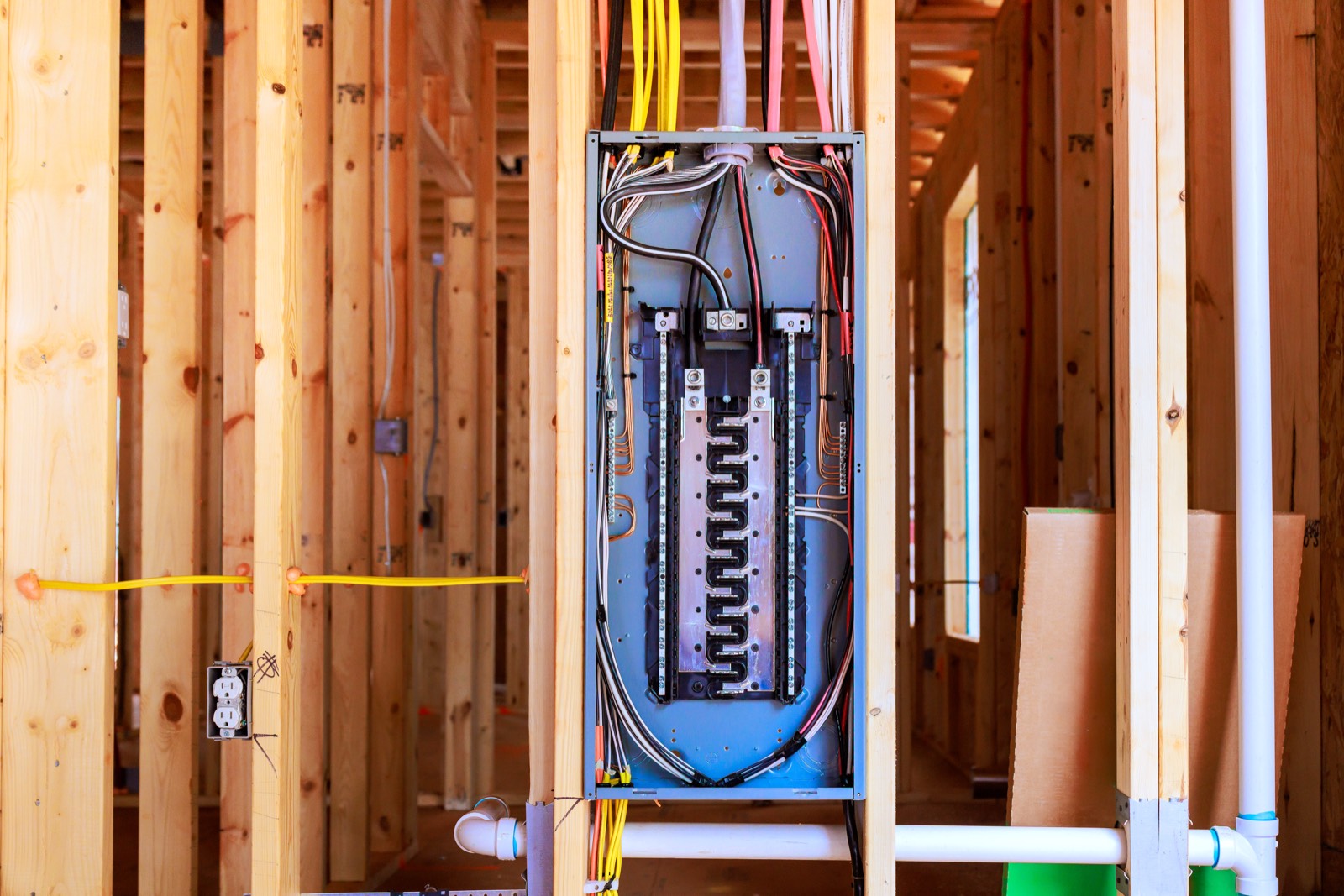
Is your electrical panel outdated or overloaded? We upgrade 60A and 100A panels to modern 200A breaker panels, ensuring your home can handle today's electrical demands safely.
About panel upgrades
Whether you're building new or renovating, we provide complete electrical wiring services that meet or exceed the Ontario Electrical Safety Code.
About wiring & rewiringFree estimates on all projects. Same-day service available across the GTA. Send the details and a licensed electrician replies the same day.
Or call 416-837-4038Free written quote
Tell us about the job and we reply the same day. For an emergency, call 416-837-4038 instead.
A licensed electrician answers every call, day or night.