
Lighting & Pot Lights
Transform any room with expertly installed lighting.
About lighting & pot lightsA tankless water heater circuit is the dedicated electrical feed your installer may need before a gas or electric tankless unit can run safely. We size, install, permit, and inspect the circuit so the plumbing or HVAC installation can proceed.
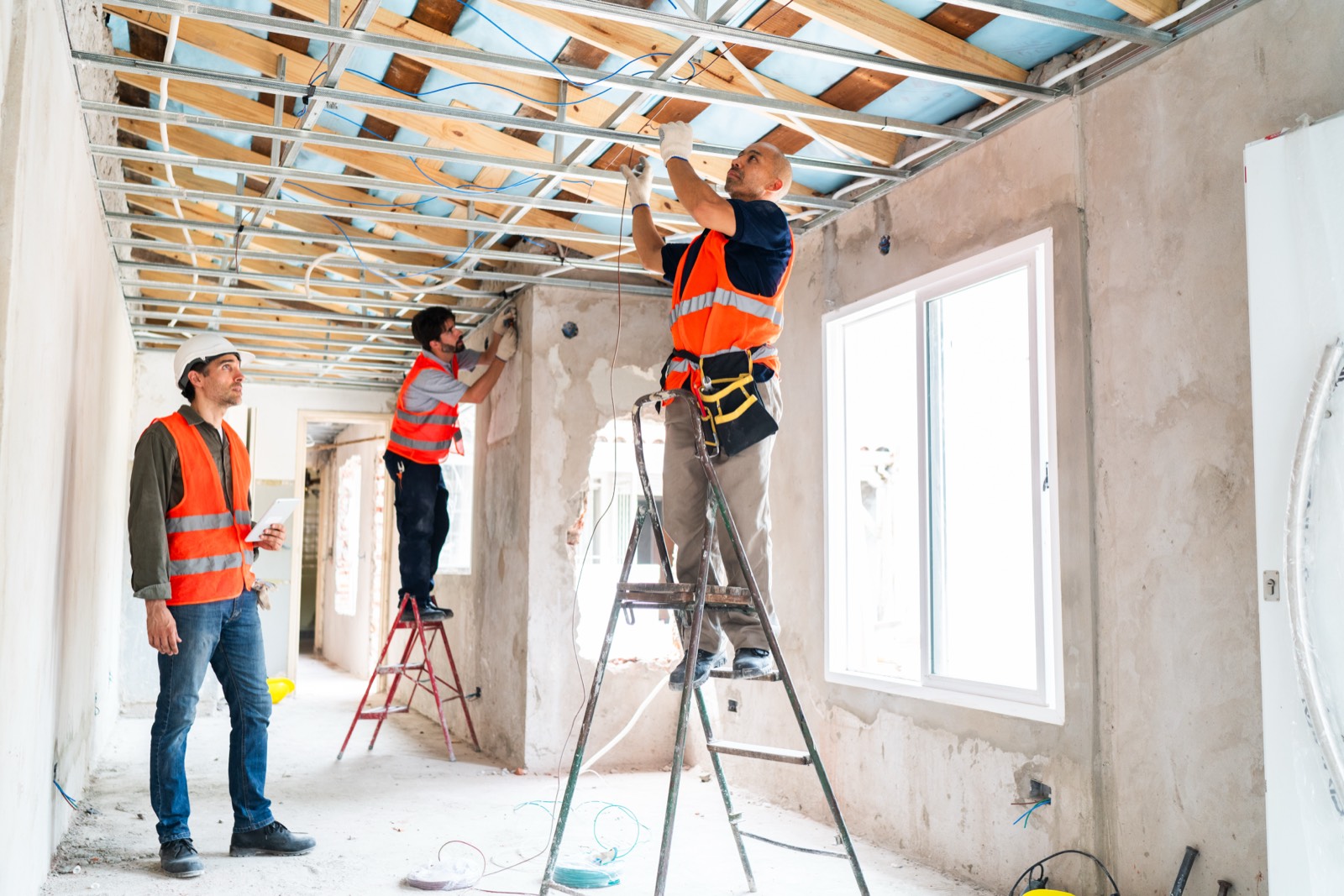
A tankless water heater circuit is sized from the manufacturer’s nameplate, the installation manual, and the location of the unit. Gas and electric tankless heaters have very different electrical needs, so we do not price or wire them as one generic appliance.
A gas tankless water heater usually needs electricity for the control board, ignition, fan, freeze protection, and sometimes a condensate pump. In many homes that means a 120V receptacle near the unit, often on a dedicated circuit so the heater is not sharing with basement plugs, freezers, laundry loads, or garage equipment. If the existing receptacle is on a busy circuit, nuisance tripping can leave you with no hot water even though the gas and plumbing are fine.
An electric tankless water heater is a different conversation. Many whole-home units draw 80–120 amps across multiple 240V circuits. That can be more than half of a 200-amp service, and it often requires several two-pole breaker spaces, large copper conductors, and a careful load calculation before anyone pulls cable. Some smaller point-of-use units need less, but the rule is the same: the unit’s rating decides the wiring.
Our scope can include:
If your installer has only said “you need power nearby,” we can turn that into a clear electrical scope. If the water heater has not been purchased yet, we can review options before you commit to a model that your panel cannot reasonably support. For simpler appliance-style circuits, our related dedicated circuit service explains how we run new feeds from the panel to a specific load.
The best time to call is after the tankless water heater model and location are chosen, but before the plumber or HVAC installer books the final installation day. That gives us time to check the panel, confirm the route, and complete any ESA notification without turning your hot-water changeover into an emergency.
You likely need a tankless water heater circuit if:
Panel space matters almost as much as amperage. A panel can look full but still have capacity with a proper solution, or it can have spare-looking spaces that are not usable for the breaker type the unit requires. We check the panel label, breaker compatibility, grounding and bonding, service size, and the existing large loads such as range, dryer, EV charger, hot tub, electric heat, and air conditioning.
If your breaker already trips, we treat that as a symptom, not a reason to install a larger breaker. Oversizing a breaker without matching the conductor is unsafe. The right fix may be a dedicated circuit, load management, a panel correction, or a service upgrade. If you are trying to understand the symptom before booking, see why a circuit breaker keeps tripping.
We also coordinate the electrical timing with the plumber or HVAC installer. The rough-in may need to happen before the water heater is mounted. The final connection may need to happen after the unit is in place. If the wall is being opened, we plan our cable route while access is available; if the basement is finished, we explain the cleanest practical path before work starts.
A new tankless water heater circuit is electrical work under the Ontario Electrical Safety Code. City Power Electrical Services is a Licensed Electrical Contractor, ECRA/ESA #7015314, with ESA notifications filed when required for tankless water heater circuit work. That matters because water-heater circuits are fixed appliance loads, and mistakes can stay hidden behind finished ceilings or inside mechanical rooms.
For an electric tankless unit, the ESA inspection may look at conductor size, breaker rating, cable protection, terminations, panel fill, bonding, disconnecting means where required, and whether the installation matches the equipment rating. For a gas tankless unit, the electrical portion may be simpler, but the same basic rules apply: correct circuit, correct box and receptacle, proper grounding, and no unsafe extension-cord workaround.
We do not perform the plumbing or gas fitting. We install the electrical portion and coordinate with the licensed trade handling the water, venting, condensate, and gas side. That separation is useful: the plumber or HVAC installer can focus on the heater, while we confirm the electrical supply is safe, permitted where required, and ready when they need it.
Condos and townhomes can add another layer. The panel may be in-suite, in a service room, or governed by condominium rules. Penetrations, shutoffs, working hours, and access to common electrical rooms may need approval. If that is your situation, start with our condo electrician service so the building rules are handled before the water-heater date is booked.
We start by asking for photos of the tankless model label or installation manual, the main electrical panel, the proposed heater location, and the route between them. For many homes, we can tell quickly whether this is a straightforward dedicated circuit or whether a site visit is needed before quoting.
On site, we check the panel capacity, breaker space, cable route, wall and ceiling access, grounding and bonding, and any nearby loads that affect the calculation. We then provide a free written estimate. If the work proceeds, we install the circuit, label it, file the ESA notification where required, arrange the inspection, and clean up the work area.
For pricing, a gas tankless unit that only needs a nearby 120V dedicated circuit is often similar to other dedicated appliance circuits. For a tankless water heater, installing a standard 20A dedicated circuit from the panel is usually $250–$500, based on the run length and the wall finishes involved. Heavier 30A–50A circuits run $400–$900.
Electric tankless heaters cost more because they can need multiple large 240V runs. If you are set on electric tankless, budget honestly: the wiring, often multiple 8 or 6 AWG 240V runs, costs $1,500–$3,000, a panel upgrade adds $3,200–$4,500 if needed, and the ESA permit applies.
If the panel does not have enough capacity, we will say so before you buy equipment that is difficult to support. Sometimes the practical recommendation is a gas tankless unit with a modest electrical circuit rather than a whole-home electric tankless unit. Sometimes a panel upgrade is the clean path, especially if you are also planning a range, dryer, EV charger, or other major load. You can compare related wiring scopes on our appliance circuit installation page or browse other residential electrical services.
Not every model has the same requirement, but many manufacturers call for a dedicated circuit or a specific electrical connection. Gas tankless units often need 120V power for controls, ignition, fan, and accessories. Electric tankless units usually need one or more 240V circuits. We verify the manual and nameplate before installing anything.
Sometimes the outlet is physically close enough, but that does not mean it is the right circuit. If the receptacle shares a circuit with a freezer, laundry equipment, sump pump, or basement plugs, a trip can shut down your hot water. We check the circuit load and install a dedicated feed when the manual or site conditions call for it.
It might. Many whole-home electric tankless units draw 80–120 amps across multiple 240V circuits, so we need to review service size, existing loads, and breaker space. If capacity is not there, the options may include choosing a different unit, changing the design, or upgrading the panel.
Book it after the tankless model and location are selected, but before the plumber or HVAC installer arrives for the final installation. That gives time for a panel review, routing plan, ESA notification where required, and inspection coordination. It also avoids paying another trade to wait while electrical issues are solved.
Transform any room with expertly installed lighting.
About lighting & pot lights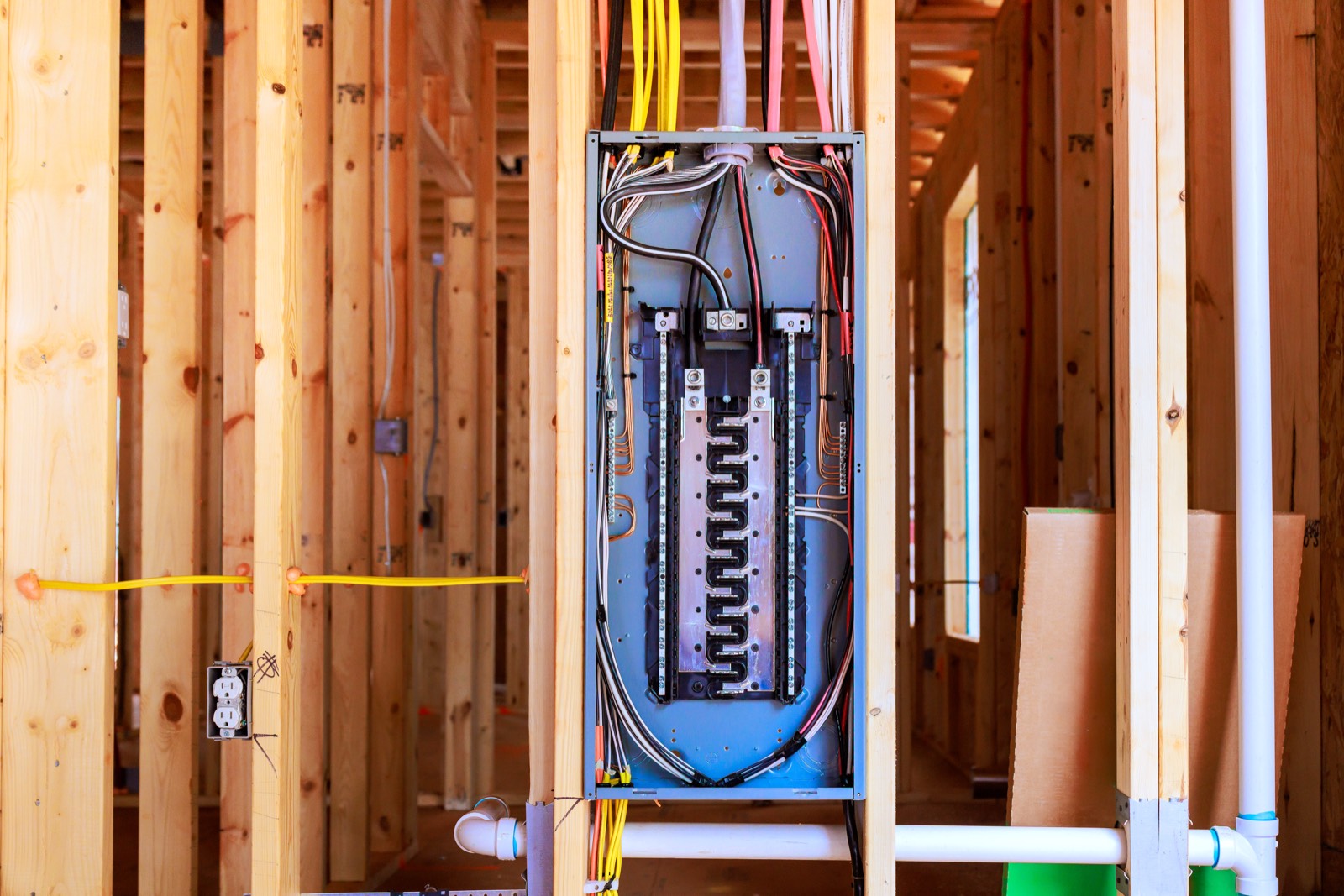
Is your electrical panel outdated or overloaded? We upgrade 60A and 100A panels to modern 200A breaker panels, ensuring your home can handle today's electrical demands safely.
About panel upgradesWhether you're building new or renovating, we provide complete electrical wiring services that meet or exceed the Ontario Electrical Safety Code.
About wiring & rewiringFree estimates on all projects. Same-day service available across the GTA. Send the details and a licensed electrician replies the same day.
Or call 416-837-4038Free written quote
Tell us about the job and we reply the same day. For an emergency, call 416-837-4038 instead.
A licensed electrician answers every call, day or night.