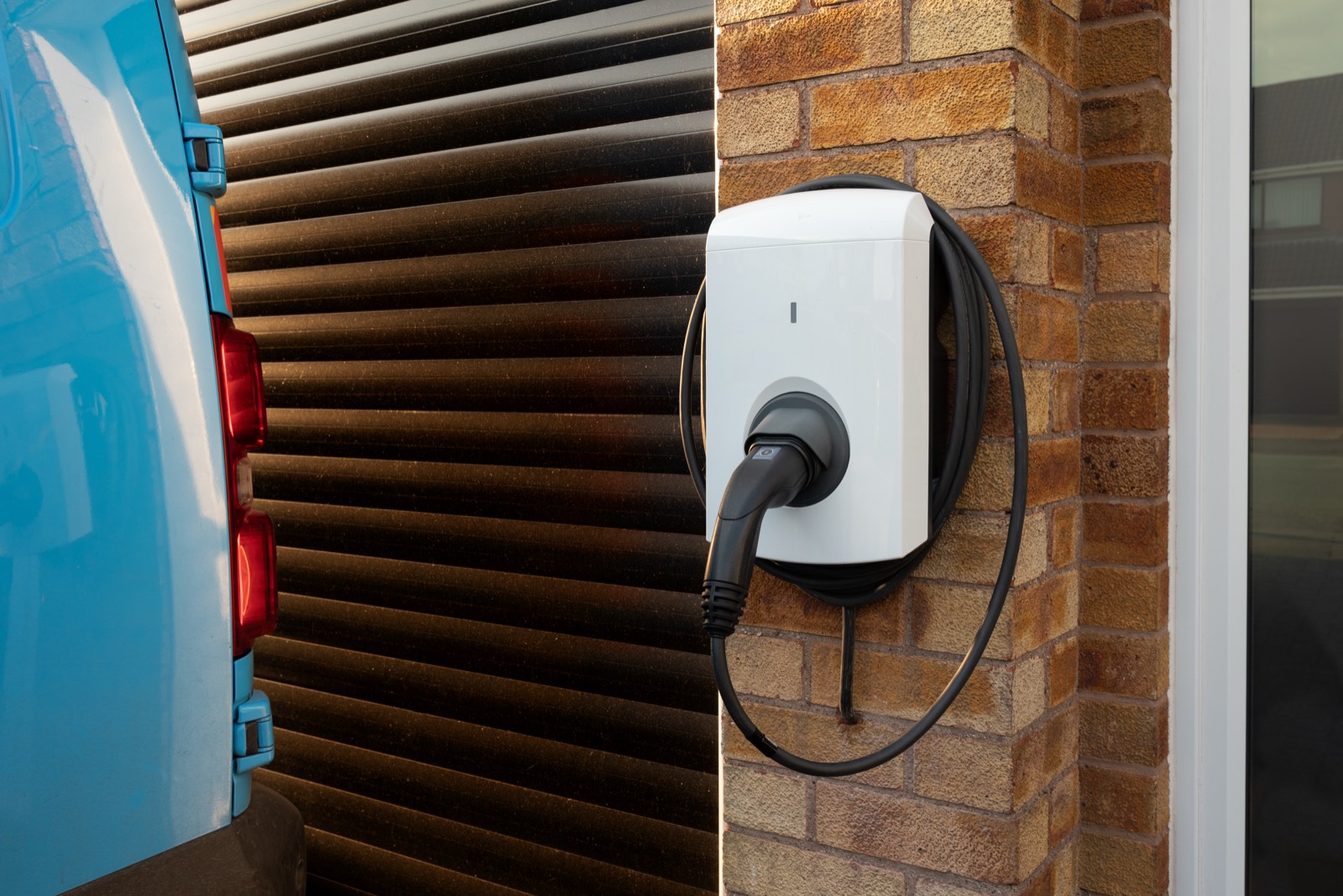
EV Charger Installation
Charge your electric vehicle at home or at your business.
About ev charger installationTransfer switch installation lets a portable or standby generator power selected circuits without backfeeding the utility grid. City Power installs manual and automatic transfer equipment for GTA homeowners planning reliable, code-compliant backup power.
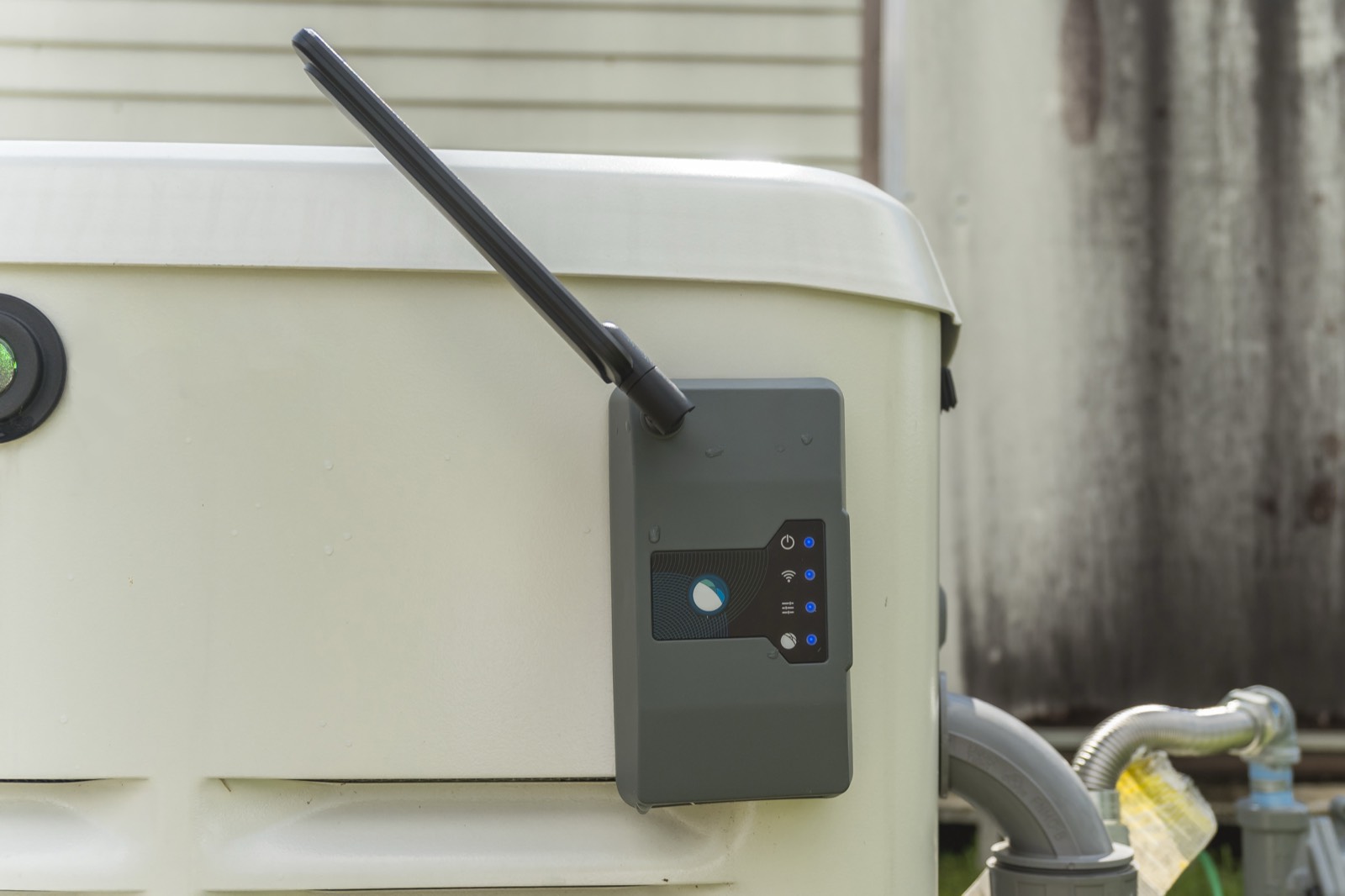
A transfer switch is the part of a backup power system that decides where your house power is coming from: the utility or the generator. It is not just an accessory. It is the safety device that prevents generator power from being pushed back onto Toronto Hydro, Alectra, Hydro One, Elexicon or another local utility system during an outage.
That backfeed risk is the reason a generator should not be connected through a dryer outlet, range outlet, homemade cord, or any other improvised method. A properly installed transfer switch uses approved switching equipment so generator conductors and utility conductors cannot energize the same circuits at the same time.
City Power installs transfer equipment as part of a complete backup power plan. That can mean a small manual setup for essential loads or an automatic transfer switch for a permanent standby generator. If you are still comparing generator sizes, see our main generator installation service for the full backup power scope.
The work can include:
We pay close attention to neutral bonding, grounding, overcurrent protection, conductor sizing, and whether the generator equipment requires a specific transfer method. These details matter because different portable and standby generators are not wired the same way.
A manual transfer switch is usually the right fit when you own, or plan to buy, a portable generator. During an outage, you move the generator outside, connect it to a weather-rated inlet, start it, and manually switch selected circuits from utility power to generator power.
Manual systems are best for essentials rather than the whole house. Common backed-up circuits include the furnace controls, refrigerator, freezer, internet equipment, selected lighting, a garage door opener, and a kitchen counter circuit. The exact mix depends on generator capacity and your panel layout. We do not load a portable generator as if it were a 200A service; we help you choose a practical circuit list that the generator can actually carry.
An automatic transfer switch is used with a permanently installed standby generator. When the utility supply fails, the transfer equipment works with the generator controls so the generator can start and take over the connected loads. When utility power returns and stabilizes, the system transfers the load back. This is the more convenient option for homeowners who travel, work from home, have medical equipment concerns, or want backup power without going outside in a storm.
Some standby systems feed the whole panel after a proper load calculation. Others feed a separate essential-load panel, similar in concept to a subpanel installation, so only selected circuits are backed up. The right design depends on generator size, electrical service capacity, heating equipment, air conditioning, well or sump equipment, and whether large 240V loads need to be excluded.
The transfer switch also has to coordinate with protective devices already in the home. If we are moving or extending circuits, we check whether AFCI or GFCI protection is required or affected; our AFCI and GFCI breaker installation work follows the same OESC approach.
Transfer switch installation is electrical work under the Ontario Electrical Safety Code. Where an ESA notification is required, City Power files it, performs the work, and arranges inspection. City Power Electrical Services is a Licensed Electrical Contractor, ECRA/ESA #7015314, led by Sam, a licensed electrician with more than fifteen years of trade experience.
The ESA inspection is not a formality. The inspector may look at conductor sizes, breaker ratings, grounding and bonding, panel labelling, cable protection, transfer equipment approval markings, generator inlet location, and whether the installation prevents parallel connection between generator and utility sources.
For portable generator systems, the inspection focus is often the manual transfer device, inlet box, wiring method, breaker sizing, and labelling. The inlet must be located so the generator can run outdoors in a safe location, away from doors, windows, vents, and enclosed spaces. Generator exhaust is a carbon monoxide hazard, so the electrical layout should never encourage someone to run a portable generator in a garage.
For standby generator systems, there may be additional coordination. Some automatic transfer switches are installed close to the service equipment and may require a planned utility disconnect or reconnection step. Depending on your address, that may involve Toronto Hydro, Alectra, Oakville Hydro, Burlington Hydro, Oshawa Power, Elexicon, Hydro One, or another local distributor. We tell you what is needed before work starts so the estimate, outage window, and inspection path are clear.
If your project includes other electrical upgrades, we plan the sequence. For example, a transfer switch may be installed at the same time as a generator-ready panel layout, a new essential-load panel, or other work from our electrical services. We do not recommend buying a transfer switch solely by amperage or online compatibility notes; the panel, service, generator neutral configuration, and intended loads all have to match.
We start with a site visit or clear photos of the panel, service equipment, proposed generator location, and cable route. For a portable generator setup, we confirm where the inlet can go, how the wiring will reach the panel, which circuits you want backed up, and whether the panel has room for the required equipment.
For a standby generator setup, we review the transfer switch location, service capacity, utility access, generator control wiring, and the circuits or panel section to be backed up. If the project needs a standby generator package, a typical GTA home — unit, automatic transfer switch, gas connection, electrical, and permits — runs $12,000–$20,000 depending on size (10–26 kW) and site conditions. For a lower-cost backup power setup, a manual transfer switch with a portable generator inlet box typically runs $1,500–$2,500.
If the scope is outside those published bands, we quote it in writing after a site visit. That applies to unusual panel locations, long exterior runs, finished walls, service upgrades, multiple panels, detached garages, or equipment supplied by the homeowner that has unclear approval markings.
On installation day, we protect the work area, shut down power where needed, mount the transfer equipment, run the approved wiring method, terminate conductors, torque connections as required, label circuits, and test operation. For manual systems, we show you the correct operating sequence: utility off, generator connected, generator started, selected loads transferred, and then the reverse sequence when power returns.
For transfer switch installations, we arrange ESA permits when required and ensure the work is inspected. We provide a free written estimate, complete the cleanup, and leave the transfer switch labelled so the next person at the panel understands what is backed up and how the system is intended to operate.
Yes, if the generator will feed house circuits. A transfer switch or approved transfer equipment isolates the home from utility power and prevents dangerous backfeed. Without it, a generator connection can energize utility lines or damage equipment when power returns. For a portable generator, we usually pair a manual transfer switch with an outdoor inlet box.
A manual transfer switch is operated by you during an outage and is commonly used with a portable generator. An automatic transfer switch is used with a permanently installed standby generator and transfers power when utility supply fails. Manual systems are lower-cost and selective; automatic systems are more convenient and can support larger planned backup loads.
Sometimes, but it depends on generator size, service equipment, and the load calculation. Many portable generator systems are designed for selected essential circuits only. A standby generator with an automatic transfer switch may support a larger portion of the home, but large loads such as electric heat, ranges, dryers, EV chargers, or air conditioning must be reviewed carefully.
Transfer switch installation is electrical work under the Ontario Electrical Safety Code. Where ESA notification is required, City Power files it and arranges inspection. The inspection may review the transfer equipment, inlet, wiring, breaker sizing, grounding and bonding, labelling, and whether the system safely prevents utility backfeed.
Charge your electric vehicle at home or at your business.
About ev charger installation
Pool and spa electrical must meet strict safety codes due to the water proximity.
About pool & spa wiringFree estimates on all projects. Same-day service available across the GTA. Send the details and a licensed electrician replies the same day.
Or call 416-837-4038Free written quote
Tell us about the job and we reply the same day. For an emergency, call 416-837-4038 instead.
A licensed electrician answers every call, day or night.