
Lighting & Pot Lights
Transform any room with expertly installed lighting.
About lighting & pot lightsAFCI and GFCI breaker installation protects dwelling circuits from arc faults and ground faults where the OESC requires it. Homeowners usually call us during renovations, ESA corrections, panel work, or repeated breaker trips that need proper diagnosis.
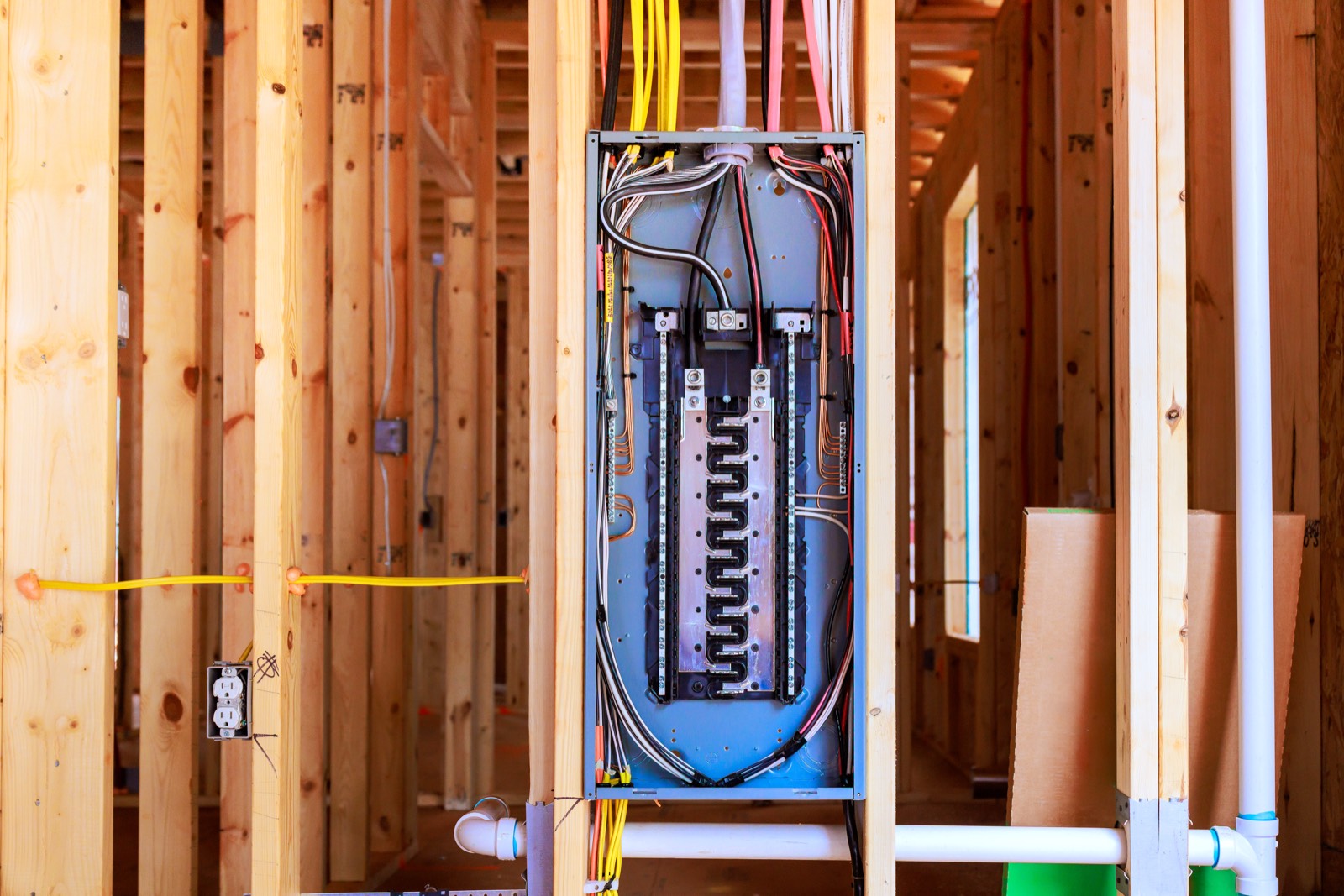
AFCI and GFCI breaker installation is not just swapping one breaker for another. The breaker must match the panel, the circuit wiring must support the protection, and any trip must be treated as a possible wiring fault until proven otherwise.
An AFCI breaker, or arc-fault circuit interrupter, looks for arcing patterns that can come from damaged cable, loose terminations, backstabbed receptacles, pinched cords, or failing devices. Arc faults can happen without enough current to trip a standard breaker, which is why arc-fault protection is used on many dwelling receptacle circuits under the Ontario Electrical Safety Code.
A GFCI breaker, or ground-fault circuit interrupter, watches for current leaking away from the intended path. It is commonly used where shock risk is higher, such as wet, damp, outdoor, garage, bathroom, laundry, kitchen, basement, sump, spa, or equipment circuits where the OESC requires ground-fault protection.
Some circuits need both protections. A dual-function AFCI/GFCI breaker combines arc-fault and ground-fault protection in the panel. That can be the right approach when receptacle-level devices are not practical, when a renovation is being brought up to current code, or when an ESA defect notice calls for breaker-level protection.
We first identify what the circuit actually serves. A bedroom receptacle run, kitchen counter circuit, finished basement circuit, exterior receptacle, bathroom fan circuit, or appliance circuit can each require different protection and different troubleshooting. If the issue is part of a larger panel problem, we will explain whether a panel upgrade or subpanel installation makes more sense than forcing new devices into an unsuitable panel.
The correct breaker is the one approved for the exact panel, not just one that appears to fit. Mixing breaker brands or installing a breaker that is not listed for the panel can create poor bus contact, overheating, nuisance tripping, or an ESA correction later.
Before installing AFCI or GFCI breakers, we check:
Many newer AFCI and GFCI breakers need a neutral connection. Some use a pigtail to the neutral bar; newer panels may use plug-on neutral breakers. If the neutral bar is full, damaged, double-tapped where it should not be, or crowded by previous work, the breaker may not be the only issue.
Shared-neutral circuits need extra care. If two circuits share a neutral, installing single-pole GFCI or AFCI breakers without understanding the wiring can cause immediate tripping or unsafe operation. In some cases, the proper solution is a two-pole breaker with common trip, rewiring at the panel, separating circuits, or replacing the old shared-neutral arrangement.
This is also where old panel limitations show up. A fuse panel, obsolete breaker panel, damaged bus, missing covers, double-lugged neutrals, or insufficient service capacity can turn a simple code correction into a panel scope. For homes needing AFCI or GFCI breaker work as part of a 100A-to-200A panel upgrade in the GTA, the typical cost is $3,200–$4,500 with the panel, labour, ESA permit, and inspection included. If AFCI or GFCI protection is added during a 60A fuse panel upgrade, the project is usually $4,000–$6,000 because the service entrance and meter base often also have to be replaced.
Repeated AFCI or GFCI trips should not be dismissed as nuisance trips until the circuit has been checked. Modern breakers are sensitive because they are designed to find faults that older breakers ignore.
Common AFCI trip causes include loose receptacle screws, backstabbed outlets, damaged extension cords, nail or staple damage in cable, poor splices in hidden junction boxes, failing dimmers, motor loads on the same circuit, or worn appliance cords. If new lighting, a fan, or smart controls were recently added, the device or wiring method may be part of the problem. We coordinate this with related work such as dimmer switch installation or USB and smart outlet installation when the circuit devices are being updated at the same time.
Common GFCI trip causes include moisture in exterior boxes, neutral-to-ground contact downstream, bootleg grounds, damaged underground cable, failing appliance elements, shared neutrals, water entering an outdoor receptacle, or a miswired line/load connection. On outdoor and garage circuits, a wet in-use cover, cracked conduit fitting, or unsealed cable entry can be enough to trip the breaker.
Our troubleshooting separates the load from the wiring. We may disconnect downstream devices, test insulation, inspect boxes, verify polarity and grounding, check neutral separation, and reset the breaker under controlled conditions. If the breaker holds with the load removed, the fault is likely downstream. If it trips with the circuit isolated, the issue may be in the homerun, breaker, panel, or neutral arrangement.
This matters because replacing a tripping breaker with a standard breaker to avoid the trip can remove required protection. If code requires AFCI or GFCI protection, the repair is to find and correct the fault, not bypass the protection.
AFCI and GFCI breaker work must follow the Ontario Electrical Safety Code. City Power Electrical Services is a Licensed Electrical Contractor, ECRA/ESA #7015314, led by Sam, a licensed electrician with more than fifteen years of experience. AFCI and GFCI breaker installations include ESA permitting where it applies and are inspected as required.
ESA notification is commonly required when branch circuit wiring is altered, panel work is performed, or an electrical defect notice is being corrected. Simple like-for-like service work can vary by situation, so we confirm the ESA requirement before quoting. ESA notification fees typically run $100–$200 for common residential jobs like a panel upgrade or new circuit, scaling up with project scope, and fees for typical residential jobs run $100–$200 and are normally baked into your quote.
A typical visit starts with the reason for the call: renovation, failed inspection, ESA notice, insurance request, breaker trip, or panel upgrade planning. We open the panel only after making the work area safe, identify the affected circuits, confirm the breaker and panel listing, inspect terminations, and test the circuit before installing new protection.
If the panel and wiring are suitable, we install the approved AFCI, GFCI, or dual-function breaker, label the circuit, test the breaker using the test function and appropriate circuit testing, and confirm downstream receptacles or devices behave correctly. If we find damaged wiring, shared neutrals, moisture, overheated terminations, or incompatible devices, we stop and explain the repair options before proceeding.
Breaker-only AFCI and GFCI installation is quoted in writing after a site visit because the cost depends on the panel model, breaker availability, circuit condition, troubleshooting time, and whether ESA notification is required. We do not guess over the phone when a tripping breaker may be protecting you from a real fault.
If the work is part of a broader electrical plan, we can coordinate it with other residential electrical services, a panel upgrade, or device replacements so the ESA inspection covers the required scope cleanly. We serve Toronto and the GTA from our North York office at Fairview Mall, Sheppard and Don Mills, and provide free written estimates, full cleanup, and 24/7 emergency service when a breaker issue cannot wait.
It depends on the circuit location, what the circuit serves, and the current Ontario Electrical Safety Code requirement for that work. AFCI protection targets arcing faults, while GFCI protection targets shock risk from current leakage. Some renovated dwelling circuits may need dual-function AFCI/GFCI protection. We verify the circuit and panel before recommending the breaker type.
Sometimes, but repeated trips are often caused by wiring, moisture, shared neutrals, damaged cords, or a connected device rather than a failed breaker. We test before replacing it. If the breaker is doing its job, installing another breaker will not solve the problem and bypassing the protection may create a code and safety issue.
ESA notification is required for many panel and branch-circuit changes in Ontario, especially when wiring is altered, a renovation is involved, or an ESA defect is being corrected. We confirm the requirement for your specific job, include required ESA steps in the written quote, and arrange inspection where required.
Some older, damaged, full, or obsolete panels cannot safely accept the required breaker type. The issue may be breaker availability, neutral bar space, bus condition, or panel listing. If that happens, we explain whether circuit repairs, a subpanel, or a panel upgrade is the correct path instead of forcing incompatible equipment into the panel.
Transform any room with expertly installed lighting.
About lighting & pot lightsIs your electrical panel outdated or overloaded? We upgrade 60A and 100A panels to modern 200A breaker panels, ensuring your home can handle today's electrical demands safely.
About panel upgrades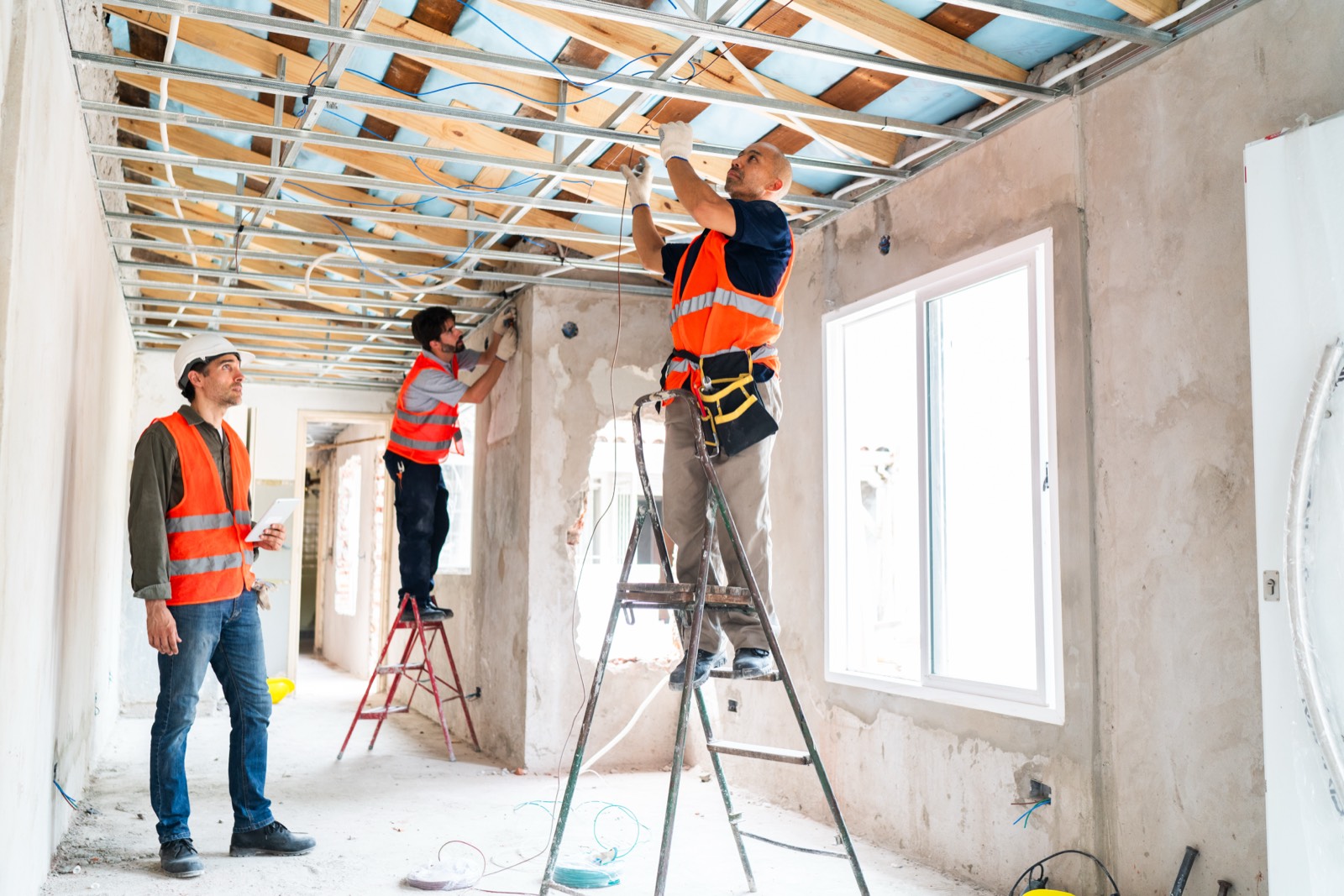
Whether you're building new or renovating, we provide complete electrical wiring services that meet or exceed the Ontario Electrical Safety Code.
About wiring & rewiringFree estimates on all projects. Same-day service available across the GTA. Send the details and a licensed electrician replies the same day.
Or call 416-837-4038Free written quote
Tell us about the job and we reply the same day. For an emergency, call 416-837-4038 instead.
A licensed electrician answers every call, day or night.