
Lighting & Pot Lights
Transform any room with expertly installed lighting.
About lighting & pot lightsCity Power installs Level 2 EV chargers for condo owners, tenants, landlords and apartment properties that need board or landlord approval, load review, metering decisions and ESA-inspected wiring to a parking stall.
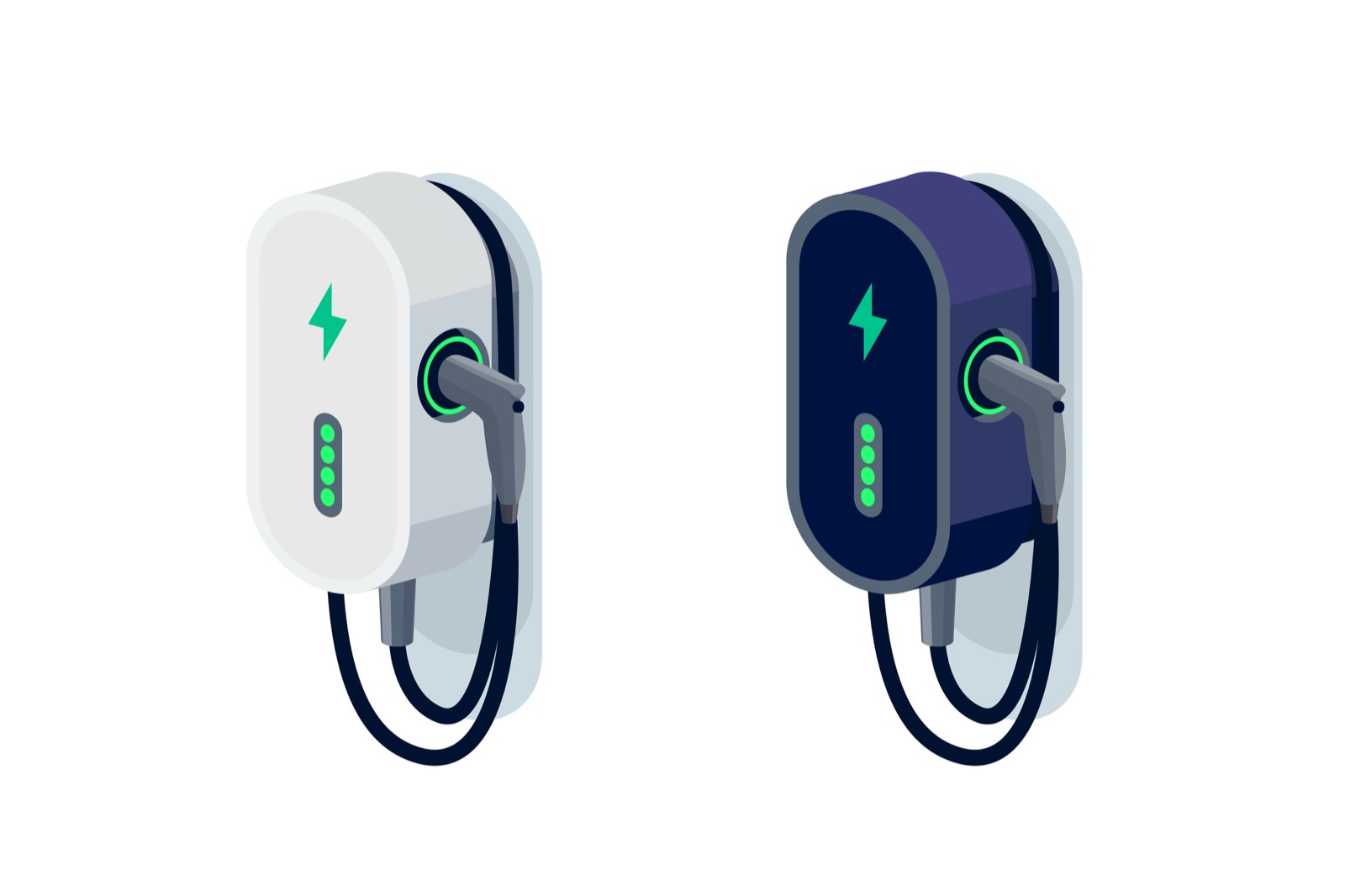
Condo and apartment EV charger installation is different from a driveway charger because the wiring often crosses shared property before it reaches your stall. Before anyone pulls cable, the building has to agree on where the power comes from, how it is metered, how the conduit is supported, and who can access the charger for maintenance.
For a condo corporation, that usually means working through property management and the board approval process. For a rental apartment, the landlord must approve the installation before any permanent electrical work starts. If you own the unit but not the parking area, approval still matters because the parkade ceiling, electrical room, slab, walls, cable trays and common panels may belong to the building.
We help turn the request into a practical electrical plan. That can include:
If the building already has EV infrastructure, the job may be a connection to an existing EV panel or load-sharing system. If it has no EV infrastructure, the first step is usually a site review and written scope, not a same-day install. For single-family pricing and background, see our main EV charger installation service and EV charger installation cost guide.
You need a condo or apartment EV charger plan when your parking stall is not beside your own private panel. The common situations are underground parking, stacked townhouse garages, leased parking spaces, visitor areas being converted to assigned charging, and rental buildings where the electrical room serves multiple tenants.
The big question is capacity. A Level 2 charger is a continuous electrical load, so the building cannot simply add chargers until the panel looks full. The available capacity has to be reviewed against existing loads and future EV requests. In some buildings, load sharing lets multiple chargers use one electrical allowance by reducing charging speed when several cars are plugged in. In others, each stall needs its own circuit, breaker space and metering path.
Metering is the next decision. Some owners want the charger connected to their suite meter so the electricity appears on their normal bill. Some buildings prefer a networked charger, submeter or common-panel arrangement so property management can recover the cost. That choice affects the route, equipment, permissions and labelling.
Cable routing is often the hardest physical part. A neat installation in a parkade may require surface conduit along concrete ceilings, approved anchors, protection near drive aisles, bends around beams and clear identification at the stall. Core drilling, trenching, cutting or passing through rated walls needs building approval before it is included in the electrical scope. We plan the route so the work is serviceable and so property management knows what will be visible before they sign off.
A new EV charging circuit requires proper electrical design, ESA notification where required and inspection. City Power Electrical Services is licensed to handle condo and apartment EV charger installations, ECRA/ESA #7015314. Every job is permitted with the ESA where required and inspected, and that matters in multi-unit buildings because unapproved wiring can create problems for the owner, landlord, condo corporation and insurer.
The Ontario Electrical Safety Code governs conductor sizing, breaker sizing, bonding, overcurrent protection, approved equipment, wiring methods and labelling. The ESA inspection is not a design meeting; it checks that the installed work matches the code and the notification. We plan the work first so the inspection is a confirmation, not a surprise.
For condo corporations, EV charging requests are handled through the building’s approval process, and Ontario’s Condominium Act may be part of that process. We do not give legal advice, but we do supply the electrical details a board or manager normally needs: charger model, circuit size, power source, route, mounting method, metering approach, load-management approach and ESA inspection plan. Tenants should confirm landlord approval in writing before scheduling any installation.
Use only chargers and components approved for use in Canada. We install common Level 2 equipment, including hardwired units and brand-specific chargers such as Tesla Wall Connector installation, where the building approves the equipment and the electrical capacity is available. If a small local panel is needed for multiple loads or future expansion, we may recommend subpanel installation, but only after a load review.
Our process starts with the building, not just the car. We ask for the parking-stall number, panel location if known, charger preference, vehicle type, management contact and any condo or landlord forms. Photos help, but a site visit is usually needed because distance, concrete structure, ceiling height, existing conduit and electrical-room access can change the design.
On site, we look at the panel or electrical room, breaker space, service capacity, grounding and bonding, the route to the stall, mounting options and how the charger will be protected from vehicle impact. We also check whether the circuit can be direct, whether load management is needed, and whether metering has to be coordinated with property management or the utility serving the building.
After that, we provide a free written estimate. Condo and apartment EV charger installations are quoted in writing after a site visit because the approval path, metering and cable route can vary widely from one building to the next. For a straightforward Level 2 installation in the GTA — panel nearby, capacity available — published pricing runs $800–$1,500 for labour, materials and the ESA permit. For condo or apartment installations, longer cable routes or finished walls can raise costs to $1,500–$3,500, with the EV charger adding $500–$1,200. Most homeowners land between $1,500 and $3,000 all-in, but parkade routing, load sharing, metering and building requirements can change the final written quote.
Once approved, we schedule the work with building access rules in mind. That may include elevator bookings, loading dock access, electrical-room keys, notice to residents, parking coordination and inspection timing. We install the circuit, mount the charger, label the equipment, clean the work area and arrange the ESA inspection where required.
City Power was founded and is run by Sam, a licensed electrician with fifteen-plus years in the trade. We serve Toronto and the GTA from our North York office at Fairview Mall, Sheppard and Don Mills, and we can coordinate condo and apartment EV work across the area. For other electrical scopes, start with our electrical services hub.
Often, yes, but you need condo corporation approval before permanent wiring is installed. The building must agree on the power source, conduit route, charger location, metering and any load-management requirements. We can review the stall and electrical room, prepare a written electrical scope, and complete the ESA-notified installation once approval is in place.
That depends on the metering design approved by the building. Some chargers connect to the owner’s suite meter, while others use a submeter, networked charger report or common-panel billing arrangement. We identify the practical options during the site visit, but the condo corporation or landlord decides what billing method is acceptable for the property.
Yes, a new EV charging circuit must be installed under the Ontario Electrical Safety Code, with ESA notification where required and inspection. The inspection checks the installed wiring, breaker, conductor sizing, bonding, approved equipment and labelling. City Power is a Licensed Electrical Contractor, ECRA/ESA #7015314, and we include required ESA coordination in the job.
Condo and apartment installations are quoted in writing after a site visit because approval, metering and parkade routing change the scope. Published GTA pricing for straightforward Level 2 installation is $800–$1,500 when the panel is nearby and capacity is available. Longer runs or finished walls are $1,500–$3,500, and the charger itself adds $500–$1,200.
Transform any room with expertly installed lighting.
About lighting & pot lights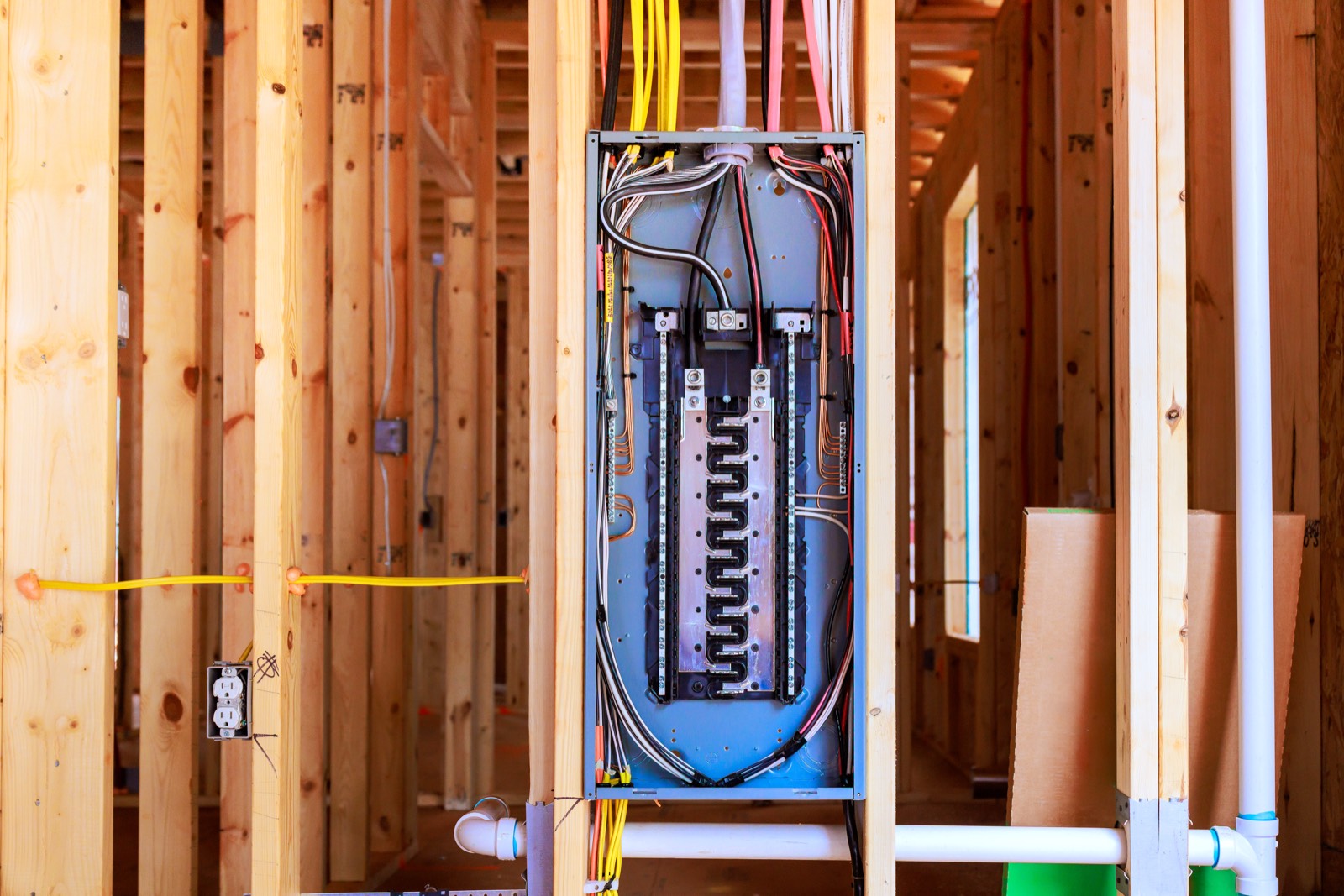
Is your electrical panel outdated or overloaded? We upgrade 60A and 100A panels to modern 200A breaker panels, ensuring your home can handle today's electrical demands safely.
About panel upgrades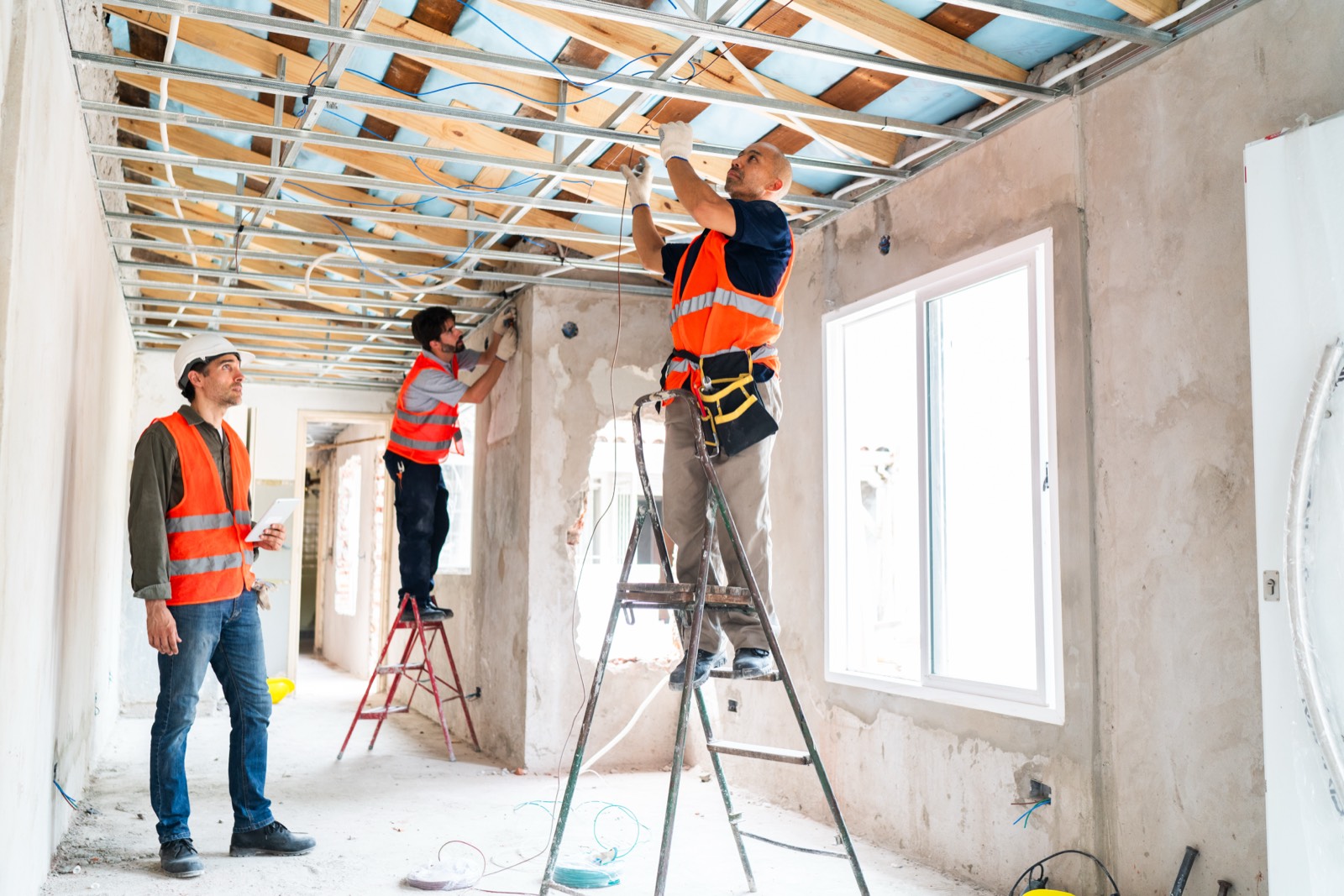
Whether you're building new or renovating, we provide complete electrical wiring services that meet or exceed the Ontario Electrical Safety Code.
About wiring & rewiringFree estimates on all projects. Same-day service available across the GTA. Send the details and a licensed electrician replies the same day.
Or call 416-837-4038Free written quote
Tell us about the job and we reply the same day. For an emergency, call 416-837-4038 instead.
A licensed electrician answers every call, day or night.