Cost Guide
Landscape Lighting Installation Cost Toronto
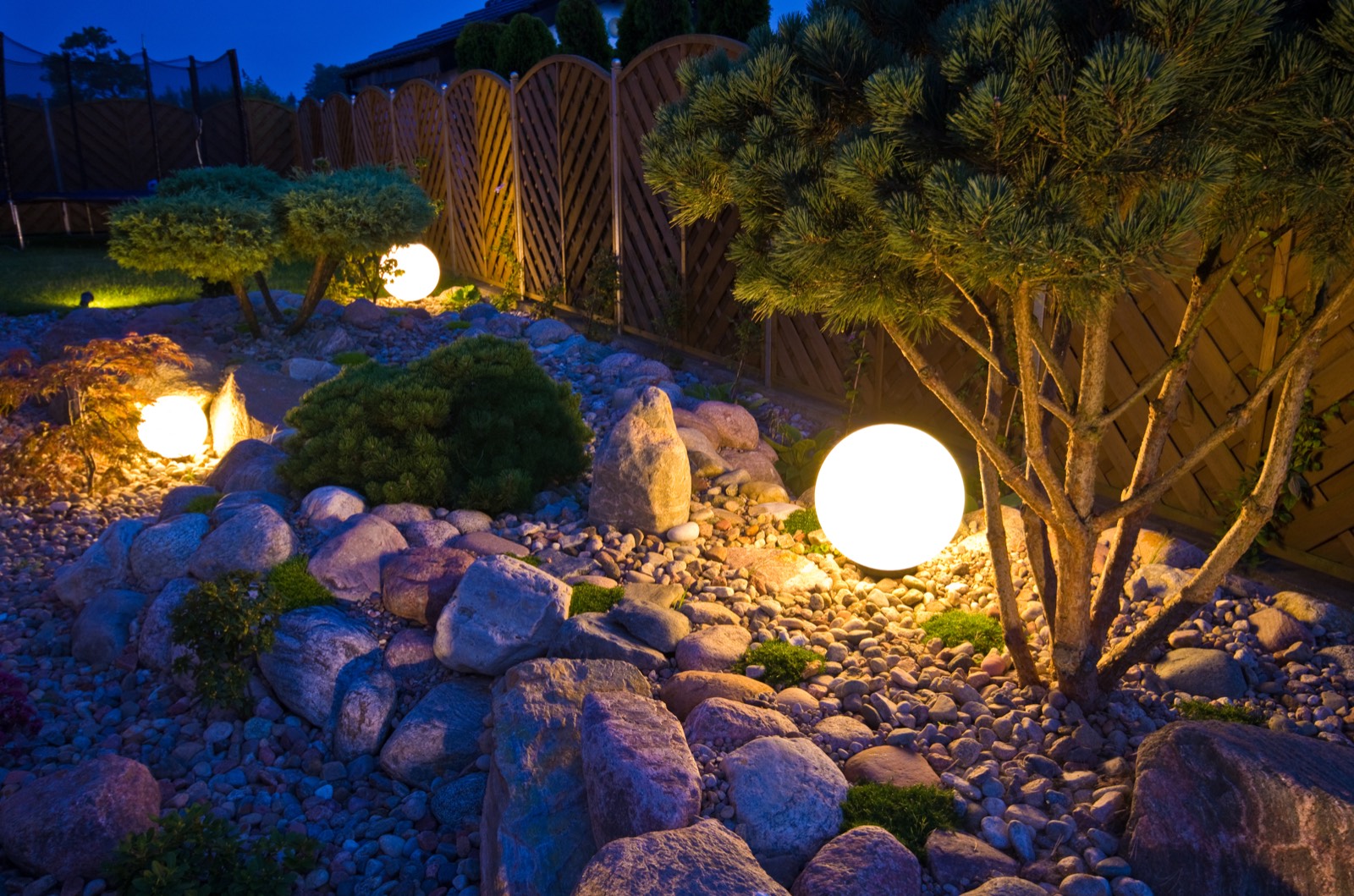
If you are pricing landscape lighting in Toronto, North York, Scarborough, Etobicoke, Oakville or the wider GTA, the honest answer is that cost depends on the layout more than the fixture count alone. A small front-yard accent system is very different from a backyard, side-yard and pathway project with long cable runs, multiple switching zones and difficult trenching.
City Power’s published starting point is: low-voltage landscape lighting packages start around $1,500–$3,000 for a front yard, including the transformer, 6–10 fixtures, wiring, and scale with property size. Larger systems are quoted in writing after a site visit because fixture choice, transformer location, cable routes, burial conditions and controls change the work quickly.
For installation help, see our outdoor lighting service.
A front-yard low-voltage package usually starts around $1,500–$3,000
A typical front-yard package is the simplest cost category because the transformer can often be placed near an existing exterior receptacle, the cable routes are shorter, and the design usually focuses on curb appeal: lighting the entry path, one or two trees, porch columns, garden beds, or the house face.
That published $1,500–$3,000 starting range is for a low-voltage system with a transformer, 6–10 fixtures and wiring. It is not a per-fixture promise for every property. A narrow Toronto semi with soft garden beds is not the same job as a stone-heavy Oakville lot with long setbacks and mature landscaping.
Low-voltage landscape lighting normally uses a transformer to step household voltage down for the outdoor lighting cable. The transformer must be sized for the total load, voltage drop over the cable run, and future expansion if you want extra fixtures later. Undersizing the transformer can leave the end fixtures dim; oversizing without proper circuit planning can create nuisance trips or poor control.
The front-yard scope often includes:
- Transformer location and mounting
- Low-voltage cable routing through garden beds or along hardscape edges
- 6–10 LED path, accent or uplight fixtures
- Weather-rated connections and exterior-rated equipment
- Timer, photocell or smart control setup where suitable
- Testing after dark so fixture angles are corrected before the job is done
The biggest front-yard cost jump usually happens when there is no safe, usable exterior power source. If we need to add a new GFCI-protected outdoor receptacle or correct an unsafe one first, that electrical work is separate from simply placing low-voltage fixtures. For receptacle pricing context, see outlet installation cost in Ontario.
Larger backyard and pathway systems are quoted after a site visit
Backyard and pathway lighting costs rise because the system becomes a small outdoor electrical layout, not just a few accent lights. Long cable runs, multiple zones, patios, decks, fences, pools, stairs, retaining walls and mature planting all affect labour and materials.
A backyard design might include path lights along a side walkway, step lights at a deck, uplights on trees, low glare fixtures around a seating area, and separate control for security or entertaining. That can require a larger transformer, heavier low-voltage cable, separate cable runs to reduce voltage drop, and more time to bury and protect the wiring without damaging landscaping.
For larger systems, pricing is quoted in writing after a site visit. The site visit lets us check where power can come from, whether a GFCI-protected outdoor receptacle is already available, whether the transformer should be plug-in or hardwired, and how cable can be routed without crossing areas likely to be cut by shovels, aerators, edging tools or future planting.
| Scope or cost driver | Typical pricing approach |
|---|---|
| Front-yard low-voltage package with transformer, 6–10 fixtures and wiring | Starts around $1,500–$3,000 |
| Larger backyard, side-yard and pathway systems | Quoted in writing after a site visit |
| Premium fixture selection or client-supplied fixtures | Quoted in writing after a site visit |
| New GFCI-protected outdoor receptacle or circuit needed for the transformer | Quoted based on the electrical work required |
| Hardscape cutting, trenching through roots, or routing under walkways | Quoted in writing after a site visit |
| Timers, photocells, smart controls or multiple zones | Included where specified, or quoted with the system |
Client-supplied fixtures can work, but they change the quote. We need to confirm that the fixtures are outdoor-rated, compatible with the transformer, suitable for the location and serviceable later. Very cheap fixtures often fail at the stake, gasket, lens, cable connector or finish. A low-cost fixture that fills with water is not a bargain once the system has to be opened up again.
The transformer, cable route and burial method drive the labour
The transformer is the centre of the system, and its location affects both cost and performance. It needs a suitable power source, weather-rated installation conditions, working clearance, and a cable route that keeps voltage drop under control. If the transformer is hidden too far from the lighting zone, the cable run may need to be heavier or split into more than one run.
Burial depth matters because landscape cable cannot simply be tucked under mulch and forgotten. The required depth and protection depend on the wiring method, voltage, cable type, location and exposure under the Ontario Electrical Safety Code. In practical terms, we route and bury cable so it is not easily damaged by normal yard work, edging, aeration, snow clearing, pets or seasonal planting.
Three burial details affect cost on Toronto and GTA properties:
- Soft garden beds are faster. Cable can often be routed with less disturbance, then covered and cleaned up.
- Hardscape is slower. Interlock, concrete, flagstone, armour stone and retaining walls can force longer routes or careful lifting and reinstatement.
- Tree roots and irrigation matter. Mature roots, sprinkler lines and drainage pipes require slower hand work and route planning.
Weather-rated connections are also important. Outdoor splices and terminations need to be suitable for wet locations. A system may work on installation day and still fail after freeze-thaw cycles if the connectors, fixture seals or cable entries are not right for the location.
Where 120V wiring is added or altered for the transformer, receptacle or control, the work must be done as electrical work, not landscaping work. City Power installs landscape lighting as a Licensed Electrical Contractor, ECRA/ESA #7015314, with ESA permits and inspections handled whenever they are required.
Timers, photocells and switching choices change convenience more than fixture count
Controls are a small part of the visible system, but they change how the lighting performs every night. The simplest setup is a transformer with a built-in timer. Better layouts often use a photocell so the system responds to dusk, then a timer shuts it off later. Some homeowners want smart control for scenes, schedules or remote changes.
A photocell needs to be located where it sees natural light, not where porch lights, headlights or the landscape lights themselves confuse it. A timer should be accessible enough that seasonal changes are not a chore. If you want separate front-yard, pathway and backyard zones, that may mean a larger transformer with multiple outputs, more cable runs, or separate control equipment.
Switching may also matter if the outdoor lighting is tied into existing porch, garage or side-door controls. Replacing or adding switches indoors is a different scope than installing low-voltage fixtures outside. For related indoor control pricing, see switch installation cost in Ontario.
Common control options include:
- Built-in transformer timer for fixed on/off schedules
- Photocell for dusk activation
- Timer plus photocell for dusk-on and scheduled-off operation
- Smart control where the equipment is compatible and weather-appropriate
- Separate zones for front yard, backyard, steps or pathway lighting
We generally recommend keeping the controls understandable. If a future homeowner, tenant, property manager or landscaper cannot tell how the system is supposed to turn on, it will eventually be bypassed, unplugged or left running at the wrong times.
Weather-rated equipment and GFCI protection are not optional outdoors
Outdoor lighting fails early when indoor habits are used outside. Water, salt, freeze-thaw cycles, UV exposure and soil contact are hard on electrical equipment. The fixture may be low voltage, but the transformer and its supply are still part of an outdoor electrical installation.
A safe system uses equipment rated for the location. That includes outdoor-rated fixtures, wet-location connectors, appropriate cable, weather-rated boxes where required, and a GFCI-protected receptacle or circuit where the transformer plugs in or is supplied. Covers must be suitable for outdoor use, and receptacles exposed to weather need the correct weather protection.
GFCI protection is especially important because landscape systems live in damp soil, near metal stakes, irrigation, hoses and people walking barefoot in the yard. If a GFCI trips repeatedly, the answer is not to remove protection. The answer is to find the wet connector, damaged cable, overloaded transformer, failed fixture or defective receptacle.
A panel-mounted surge protector can also be worth discussing when you are adding outdoor electronics, smart controls or expensive LED drivers. It will not stop every outdoor failure, but it can reduce damage from surges affecting the home’s circuits. For pricing context, see surge protector installation cost in Ontario.
Outdoor lighting should also be aimed carefully. More brightness is not automatically better. Glare into windows, across property lines or toward drivers can make a system feel cheap even when the fixtures are expensive. Good landscape lighting hides the source, lights the surface, and leaves dark areas where dark areas belong.
The accurate quote comes from a night-use plan and a daytime site visit
The best landscape lighting quote starts with how you actually use the property. Front steps need safe footing. A side path needs visibility without glare. A backyard seating area needs softer light than a driveway edge. A specimen tree may need one fixture, while a wide stone wall may need several fixtures placed evenly.
Before the visit, decide which result matters most:
- Safer entry steps and walkways
- Curb appeal from the street
- Backyard entertaining
- Lighting for a gate, garbage path or side entrance
- Accent lighting for trees, stonework or gardens
- Separate zones for front and back
- Minimal visibility of fixtures and cable
During the site visit, we check the existing exterior receptacles, GFCI protection, possible transformer locations, panel or circuit limitations if new wiring is needed, hardscape routes, garden bed access, fixture locations and control preferences. If a new outdoor receptacle or dedicated circuit is required, we include that in the written estimate instead of treating it as a surprise after the lighting plan is chosen. For circuit pricing context, see dedicated circuit installation cost in Ontario.
The written quote should say what is included: fixture count, fixture type, transformer, cable, controls, trenching or burial method, ESA notification where required, cleanup, and whether fixtures are supplied by City Power or by the client. If the scope is still uncertain, the right answer is not a vague per-light number. It is a clear written price after the property has been walked.
City Power provides free written estimates, full cleanup, and 24/7 emergency service across Toronto and the GTA. For landscape lighting, the practical starting point is simple: a front-yard low-voltage package starts around $1,500–$3,000, while larger backyard and pathway systems are quoted in writing after a site visit so the transformer, burial, controls and weather-rated electrical work are priced properly.
Want a licensed electrician to take a look?
Free written quote, usually the same day. ESA permits handled.