Cost Guide
Surge Protector Installation Cost Ontario
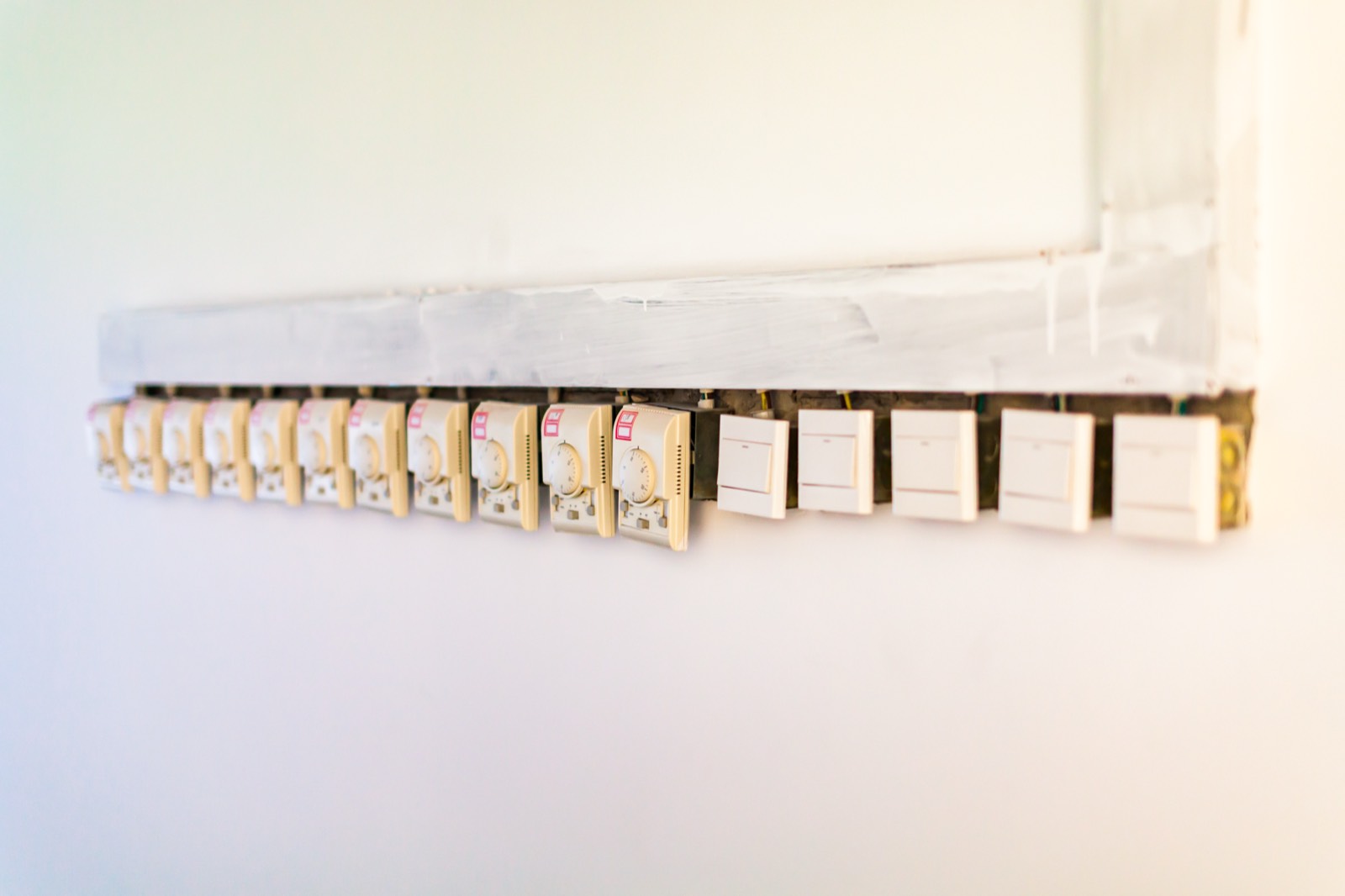
A panel-mounted whole-home surge protector in Ontario typically costs $400–$700 installed. That includes the surge protective device, connection at the electrical panel, labour, and the ESA notification where required.
That price is for a normal residential installation where the panel has room, the service is in good condition, and the surge device can be mounted close to the panel with short leads. If the panel is crowded, damaged, missing proper grounding, or already due for other work, the job needs a site visit and a written quote.
City Power Electrical Services installs whole-home surge protection across Toronto and the GTA. We are an ECRA/ESA licensed electrical contractor, and every job is permitted with the ESA where required and inspected.
A whole-home surge protector is installed at the panel, not behind one appliance
A whole-home surge protector protects the electrical system from voltage spikes by giving surge energy a controlled path away from your home’s circuits. It is usually mounted at or beside the main electrical panel and connected to the bus through a breaker or manufacturer-approved connection method.
This is different from a plug-in power bar. A plug-in strip only protects the devices plugged into that strip, and only if it is in good condition and properly grounded. A panel-mounted device sits upstream of your branch circuits, so it helps protect hardwired and plug-in equipment across the home: furnace and air-conditioner boards, appliances, smart switches, garage door openers, home theatre gear, networking equipment, and EV charging equipment.
The installation details matter. A surge protector works best when the conductors between the device and the panel are short and straight. Long coiled leads add impedance, which reduces how effectively the device clamps a surge. That is why the device is normally mounted immediately next to the panel, not across the room.
For most homes, we are looking for:
- A device approved for use in Canada
- The correct voltage configuration for the service
- A mounting location close to the panel
- A breaker or connection method that matches the device instructions
- A visible status light or indicator so you can tell whether the device is still functional
- Proper grounding and bonding at the service
Surge protection is especially worth considering when a home has an EV charger, smart-home controls, expensive appliances, a finished basement with electronics, or a home office. It does not make equipment indestructible, and it does not replace point protection for delicate electronics, but it lowers the risk from many common transient voltage events.
The normal installed price is $400–$700, with labour anchored by licensed electrician rates
A panel-mounted surge protector costs $400–$700 installed for a typical Ontario home. Licensed electricians in Toronto charge $95–$150 per hour in 2026, with most service calls carrying a minimum charge of $150–$250. Surge protection is often a compact job when the panel is accessible and ready, but the panel condition determines whether it stays simple.
| Price factor | What it means | Cost impact |
|---|---|---|
| Standard panel-mounted surge protector | Device mounted at or beside the main panel with a suitable breaker/connection | $400–$700 installed |
| Electrician labour | Licensed electrician time for panel work, testing, labelling, and cleanup | Labour is anchored by $95–$150 per hour |
| Service call minimum | Applies to many small electrical visits | Most service calls carry a $150–$250 minimum |
| ESA notification | Required where the work falls under ESA notification rules | ESA notification fees typically run $100–$200 for common residential jobs and are normally baked into your quote |
| No breaker space | A breaker position may need to be freed up or the panel may need other correction | Quoted in writing after a site visit |
| Panel defects or grounding issues | Loose connections, corrosion, double taps, damaged bus, missing bonding, or grounding problems | Quoted in writing after a site visit |
| Higher-spec or special application device | Larger service, unusual panel, generator integration, or commercial-grade requirements | Quoted in writing after a site visit |
The cleanest installation is usually a Type 2 surge protective device on the load side of the service disconnect, connected through a properly sized breaker as required by the manufacturer. Some devices are designed for a two-pole breaker. Others use a different approved connection method. We follow the device instructions and the Ontario Electrical Safety Code, not guesswork.
If we are already at the panel for related work, surge protection is often easy to quote together with that scope. For example, homeowners sometimes add surge protection when planning dedicated circuit installation, EV charging, a panel correction, or a renovation that adds a lot of electronics.
Panel space, breaker requirements, and device rating change the quote
The three biggest technical variables are panel space, how the device connects, and the rating of the surge protector.
Panel space comes first. Many surge devices need a breaker connection, and many residential installations use a two-pole breaker position so the device can connect across both hot legs of a 120/240V service. If your panel has open, usable breaker spaces, the work is usually straightforward. If it is full, the electrician has to determine whether there is a code-compliant way to make space. That may involve rearranging breakers only if the panel manufacturer allows it, correcting improper tandem breaker use, or quoting a larger panel solution.
Breaker compatibility is just as important. Breakers are not universal. A breaker must match the panel make, model, and listing. Installing a breaker that simply “fits” but is not approved for the panel is not acceptable. The surge device also has installation instructions that specify breaker size, conductor size, and connection method. Those instructions are part of the safety listing.
Device rating also matters. We look at the service voltage, whether the home has a standard split-phase service, the device’s surge current rating, its short-circuit current rating, and whether it has status indication. Higher ratings are not always a reason to overspend, but the device must be suitable for the available fault current and the electrical system it is protecting.
A few panel details can push the work from simple to quoted:
- No available breaker spaces
- A panel cover that no longer fits properly
- Mixed or incorrect breaker brands
- Corrosion or heat damage near the bus
- Loose neutral or grounding conductors
- Old fuse equipment or obsolete panels
- Service equipment with no safe place to mount the device nearby
If the panel itself is the issue, surge protection may not be the first repair. A damaged, overloaded, or obsolete panel should be corrected before adding accessories. In those cases, we may recommend an electrical inspection with a written report or a separate panel quote.
The installed price includes the device, safe panel connection, testing, and cleanup
A proper quote should say what is being installed, how it connects, and whether ESA notification is included. For a standard residential surge protector installation, the scope normally includes the surge protective device, labour, panel connection, basic testing, labelling, and cleanup.
The visit starts with the panel. We confirm the service type, panel condition, breaker compatibility, available space, grounding and bonding, and the best mounting location. If the cover has to come off, this is not a handyman task. Live service equipment can be dangerous even when individual branch circuits are off.
The installation usually involves mounting the device close to the panel, routing conductors as short and straight as practical, landing the conductors according to the device instructions, installing the required breaker or connection, and confirming the indicator shows normal operation. We also label the breaker or device location so it is clear what was added.
Where ESA notification is required, the work is filed and inspected as required. The inspector may check that the device is approved, the breaker is suitable for the panel, conductor routing and terminations are correct, the panel cover fits, and grounding and bonding are not compromised. If the work is part of a larger panel or service job, the inspection may look at the full scope.
Surge protection is often paired with other panel-adjacent work because access is already being reviewed. It may be discussed during a subpanel installation cost assessment, a generator project, or after nuisance failures of appliance boards and smart controls. It can also be part of a broader plan if you are comparing backup power options such as generator installation in Ontario.
You need a site visit when the panel is full, old, or showing heat damage
A photo can help, but some surge protector quotes need an in-person look. The reason is simple: the cost is not only the device. The electrician has to know whether the panel can accept it safely.
Book a site visit if any of these apply:
- The panel has no open breaker spaces
- You see rust, staining, buzzing, or a burning smell
- Breakers feel loose or do not line up cleanly
- The panel is an old fuse box
- You have aluminum branch wiring and uncertain terminations
- You have a generator, solar-ready equipment, battery storage, or EV charger at the panel
- You are in a condo or townhouse with limited access to service equipment
- The panel location is finished tightly into cabinetry or drywall
Condo and townhouse installations can require extra coordination. The panel may be in the unit, but the service equipment, grounding path, or common electrical room may be controlled by the condominium corporation or property management. We do not guess in those settings; we confirm access and approval requirements before quoting.
Older Toronto and GTA homes can also have layered panel history: original fuse equipment, a later breaker panel, added air conditioning, a basement renovation, and then an EV charger. A surge protector may still be a good idea, but the panel has to be safe and code-compliant first.
If your main concern is whether the home’s overall electrical system is safe before adding protection, start with a proper inspection instead of a device-only quote. A surge protector cannot fix loose connections, poor grounding, overloaded circuits, or amateur wiring.
The accurate quote comes from panel photos plus a written scope
The fastest way to get an accurate surge protector quote is to send clear panel photos and describe the equipment you want protected. For many straightforward homes, that is enough to confirm whether the job likely fits the $400–$700 installed range. If the photos show concerns, we will recommend a site visit and quote the work in writing.
Helpful photos include:
- The full panel with the door open
- The breaker layout with labels visible
- The panel model label, if readable
- The area around the panel showing mounting space
- Any existing EV charger, generator transfer equipment, or subpanel
- Any rust, scorching, missing blanks, or unusual wiring you are worried about
A good written quote should identify the surge protection scope, any ESA notification, what panel corrections are included, what is excluded, and whether further work would be quoted separately. Be cautious with a quote that only says “install surge protector” without naming the panel work, inspection responsibility, or what happens if the panel is full.
City Power provides free written estimates, installs permitted work with ESA inspection where required, and cleans up after the job. If you are budgeting other electrical upgrades at the same time, our Ontario electrical cost guides can help you compare the order of work before booking.
Want a licensed electrician to take a look?
Free written quote, usually the same day. ESA permits handled.