
Office Buildout
From startup spaces to corporate offices, we provide complete electrical services for new office buildouts and tenant improvements.
About office buildoutFleet EV charger installation gives your vans, service vehicles or delivery fleet reliable overnight charging at your own depot. We design and install charger circuits, load management, panels and expansion pathways for Toronto and GTA businesses.
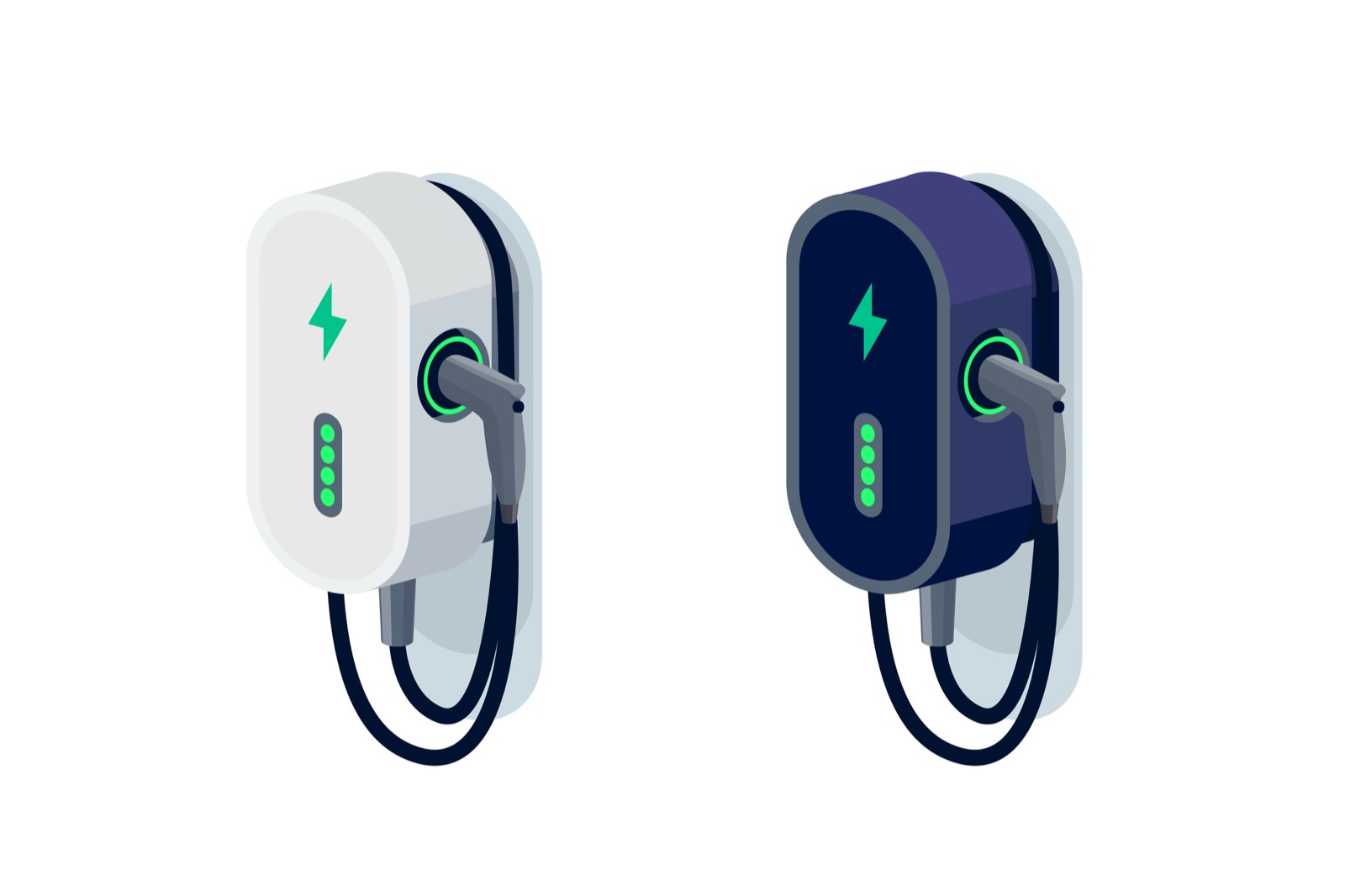
A fleet EV charger installation is different from putting one charger in a driveway. The main question is whether every vehicle that returns at night can leave with enough charge in the morning, without overloading the service, nuisance-tripping breakers or blocking vehicles in the yard.
We plan depot charging layouts for vans, service vehicles and delivery fleets around how the vehicles actually move. That means looking at stall location, cable reach, backing and pull-through routes, snow clearing, bollards or wheel stops, charger mounting height, and where drivers will park when a vehicle is assigned to a different route the next day.
Most fleet depots do not need public-facing features first. They need predictable Level 2 charging, clear labelling, safe cable management and a panel layout that can grow. For a small service fleet, that may mean several wall-mounted chargers along one side of a shop. For a delivery fleet, it may mean pedestals between parking rows, conduit runs under asphalt or concrete, and a dedicated EV subpanel close to the parking area.
We also consider charger behaviour. Some units share current between ports. Some need network setup. Some are simple hardwired chargers with local current limits. If your fleet uses a specific charger brand, we wire to the manufacturer’s requirements. If you are still choosing equipment, we can explain the electrical implications before you buy. For single-vehicle background, see our main EV charger installation service; fleet work uses the same code discipline but needs more planning around demand and expansion.
The right time to plan fleet charging is before the first vehicles arrive, not after drivers are already rotating extension cords or fighting over one plug. Common triggers include buying electric service vans, adding delivery vehicles, moving a fleet into a new yard, converting employee take-home vehicles to depot charging, or preparing a warehouse or office for staged EV adoption.
The critical issue is overnight charging capacity. A depot may have enough parking stalls but not enough electrical headroom to run every charger at full output at the same time. We review the existing panel, service size, spare breaker spaces, feeder capacity, grounding and nearby loads such as HVAC, compressors, welders, kitchen equipment or warehouse lighting.
Load management can make the project work without oversizing everything on day one. We can plan chargers so vehicles charge in sequence, share available current, or reduce output during peak building demand. For businesses on time-of-use or ultra-low-overnight rate strategies, the goal is usually to concentrate charging in the lower-cost overnight window while still having enough battery by dispatch.
A good fleet layout also needs an expansion pathway. If you start with four chargers but expect twelve, we look at conduit size, pull boxes, spare panel spaces, wall space, transformer and service limitations, and whether a future subpanel installation should be built into the first phase. It is usually cleaner to plan the pathway now than to cut open finished walls, trench the same asphalt twice, or replace a panel that was undersized for the next round of chargers.
We are also clear when the electrical service itself may become the limiting factor. If the building cannot support the planned charging load, the next step may involve utility coordination with Toronto Hydro, Alectra, Hydro One, Elexicon or the local utility for your area. That process can affect timing, so it should be identified early.
Fleet EV charger installation is electrical work that must follow the Ontario Electrical Safety Code. City Power Electrical Services is a Licensed Electrical Contractor, ECRA/ESA #7015314, and we file ESA notifications where required. Fleet EV charger projects are filed with the ESA when required and completed with inspection.
For fleet charging, the inspection is not just about whether the charger turns on. The ESA inspector may look at breaker sizing, conductor size, grounding and bonding, disconnecting means, outdoor-rated equipment, GFCI requirements where applicable, mechanical protection, trench depth and burial-rated wiring where underground work is involved, panel labelling and whether the installation matches the submitted scope.
Outdoor depots need extra attention. Chargers, junction boxes and disconnects must be suitable for the environment. Conduit must be supported and protected from vehicle impact. Pedestals need a stable mounting base. Cables must not become trip hazards across pedestrian paths, loading doors or accessible routes. In a yard with forklifts, plows, delivery trucks or cube vans, physical protection is not optional planning; it is part of keeping the equipment alive.
Indoor fleet charging has its own details. We look at ventilation concerns where relevant to the space, clearances around electrical panels, fire separation penetrations, conduit routes through block or steel, and coordination with overhead doors, racking and service bays. If chargers are fed from a new distribution point, we label the panel schedule so staff and future electricians can identify each stall circuit quickly.
Where a project is in a condominium, apartment or shared parking setting, the process can involve board approvals, ownership boundaries and service allocation. That is a different path from a private depot, and we cover it separately on our EV charger installation for condos and apartments page.
The first visit is practical. We ask how many vehicles are charging now, how many are expected later, when they return, when they leave, daily kilometres, battery sizes if known, and whether any vehicles need priority charging. A fleet with ten vans parked for twelve hours has a different design than four trucks that rotate in and out all day.
Then we trace the electrical path. We open the panel where safe to do so, note existing loads, check available spaces, inspect grounding and bonding, review the route to the parking area, and identify finished walls, asphalt, concrete, structural steel, ceiling height, trenching, bollard needs and network or Wi-Fi requirements for smart chargers. For phased work, we separate what should be installed now from what should be roughed in for later.
After the visit, you receive a free written estimate. Fleet EV charger installation is quoted in writing after a site visit because the cost depends on charger count, distance from the electrical room, service capacity, load management, trenching, wall finishes, pedestal work and utility involvement.
For context, a straightforward Level 2 installation in the GTA — panel nearby, capacity available — runs $800–$1,500 for labour, materials, and the ESA permit. For fleet charger installs, extended cable runs or finished wall work can bring the installation to $1,500–$3,500, with the EV charger adding $500–$1,200. Fleet projects multiply some parts of that work, but they can also reduce repetition when conduit, panels and charger locations are planned together. For more pricing background, see our EV charger installation cost guide.
Once approved, we schedule the work around your operation. Some depot projects can be completed in phases so part of the fleet remains accessible. We coordinate shutdowns if panel work is needed, install conduit and feeders, mount chargers or pedestals, terminate and torque connections, configure current limits where required, label circuits, arrange ESA inspection, test each charger and clean up the work area before handoff. If your fleet uses Tesla equipment, we can also review the electrical requirements for Tesla Wall Connector installation as part of the layout.
It depends on the service size, existing building loads, charger output and how much charging must happen at the same time. We review the panel, feeders and operating schedule, then recommend either dedicated circuits, a new subpanel, load management or a service upgrade pathway if the existing capacity is not enough.
Often, yes. Load management can share available power between chargers, reduce output during high building demand, or sequence vehicles through the overnight window. It does not create unlimited capacity, but it can make the first phase of fleet charging practical while leaving a clear path for future expansion.
Yes, EV charger wiring is electrical work and normally requires an ESA notification and inspection. City Power files ESA notifications where required, installs to the Ontario Electrical Safety Code, labels the circuits, tests the chargers and coordinates the inspection so the installation is documented properly.
Yes. Outdoor fleet charging needs weather-rated equipment, protected conduit, proper mounting, safe cable reach and physical protection from vans, plows and delivery traffic. We check the route from the electrical room to the stalls and include trenching, pedestals, bollards or wall mounting in the written scope where needed.
From startup spaces to corporate offices, we provide complete electrical services for new office buildouts and tenant improvements.
About office buildout

Industrial and warehouse spaces need robust electrical systems.
About warehouse electricalFree estimates on all projects. Same-day service available across the GTA. Send the details and a licensed electrician replies the same day.
Or call 416-837-4038Free written quote
Tell us about the job and we reply the same day. For an emergency, call 416-837-4038 instead.
A licensed electrician answers every call, day or night.