Comparison
Fuse Box vs Breaker Panel
Verdict: a correctly fused box can work, but a breaker panel is the better long-term choice for most GTA homes
If you are comparing a fuse box vs breaker panel, the practical answer is this: a fuse box is not automatically dangerous, but it is usually a sign that the home’s electrical service is older, smaller, and harder to insure or expand.
A breaker panel wins for most Toronto and GTA homeowners because it is easier to reset, easier to label, easier to inspect, and better suited to today’s loads: central air, induction ranges, basement apartments, EV chargers, hot tubs, home offices, and more kitchen counter circuits.
The main reason owners hesitate is cost. Replacing a 60A fuse box with a modern panel typically costs $4,000–$6,000, since the service entrance and meter base often have to be changed as well. That is a real project, not just a panel swap. It normally involves an ESA notification, inspection, and coordination with the local utility for disconnect and reconnect.
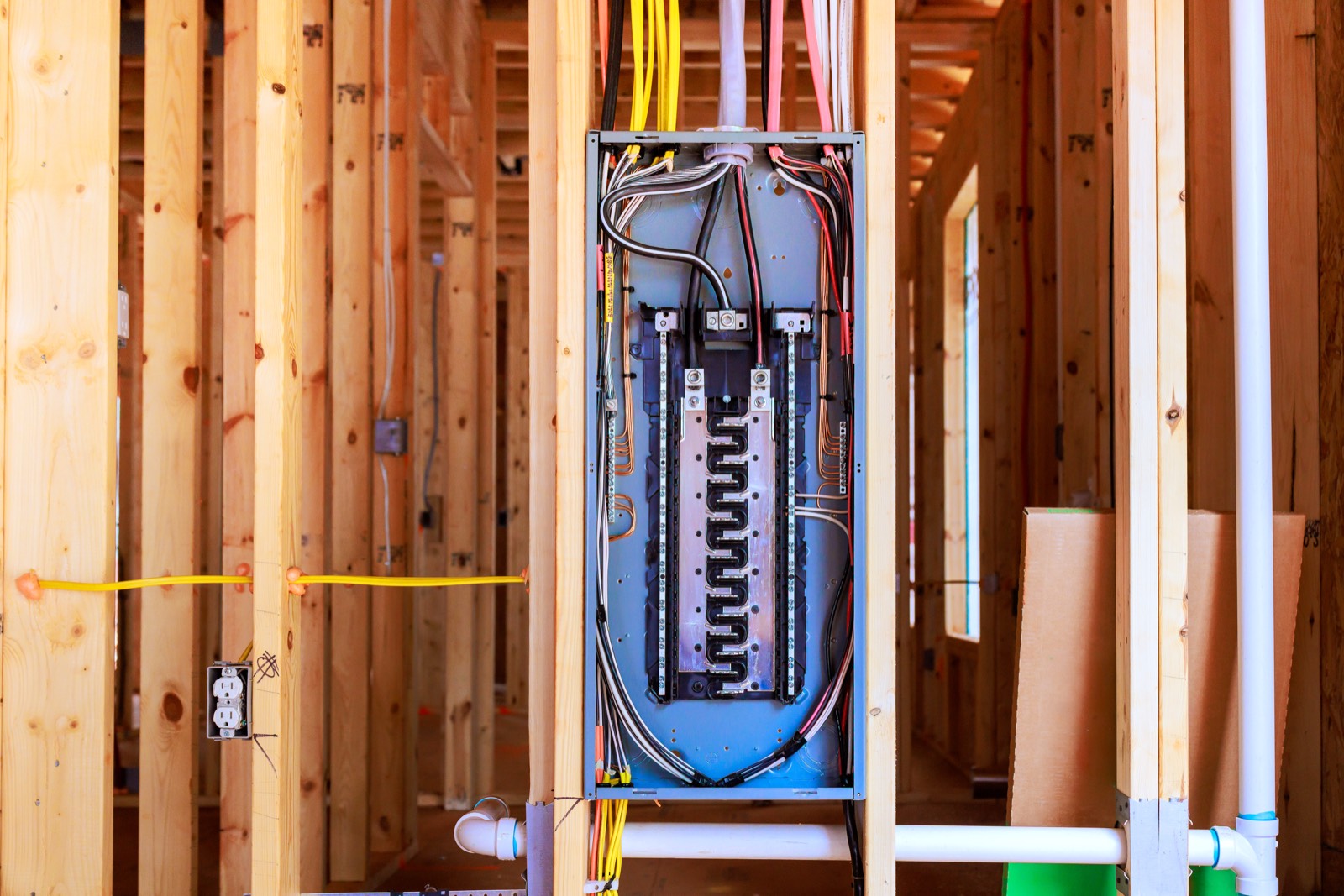
If you are buying, renovating, or adding a major load, we usually recommend planning the upgrade rather than trying to stretch an old fuse service. If you only need to understand what you have first, start by learning how to read your electrical panel and then have a licensed electrician inspect the service.
| Item | Fuse box | Breaker panel |
|---|---|---|
| Reset after overload | Replace the blown fuse | Switch breaker fully off, then on |
| Common older-home capacity | Often 60A in older homes | Often 100A or 200A, depending on service |
| Overload protection | Works only if the correct fuse size is installed | Matched breaker protects the circuit when properly installed |
| Insurance reaction | May trigger questions, conditions, or replacement requests | Generally easier to document and insure |
| Adding circuits | Limited space and capacity | More practical for new circuits and renovations |
| Labelling | Often poor or handwritten over decades | Easier to relabel during upgrade |
| ESA inspection path | Required when upgrade work is done | New work is inspected where required |
| Best fit | Stable older home with correct fuses and no new loads | Most renovations, purchases, and load additions |
Reset convenience matters because fuse boxes invite the wrong fix
A breaker panel is more convenient because a tripped breaker can be reset after the cause is addressed. A fuse box requires the correct replacement fuse, and that is where problems often begin.
In older homes we often see plug fuses for lighting and receptacle circuits, plus cartridge fuses in pullout blocks for larger loads. When a fuse blows, it has done its job: the circuit drew more current than it was designed to carry. The correct response is to find out why, reduce the load, repair the fault, and install the correct fuse rating.
The unsafe shortcut is installing a larger fuse because the smaller one “keeps blowing.” That can allow a branch-circuit wire to carry more current than it should. The fuse may stop being the weak point; the wiring inside the wall becomes the weak point.
Breaker panels are not immune to misuse. A breaker that keeps tripping is also warning you about overload, a short, a ground fault, a failing appliance, or a circuit issue. The difference is that the breaker size is fixed to the panel position and circuit design when properly installed. You do not have a drawer of replacement breakers tempting someone to oversize the protection on a Saturday night.
If you have a fuse that blows repeatedly, or a breaker that trips repeatedly, do not keep resetting or replacing it. The issue needs troubleshooting. For breaker-panel symptoms, our guide to why a circuit breaker keeps tripping explains the common causes.
Safety depends on condition, fuse sizing, grounding, and what has been added over time
A fuse box can be safe only when it is in good condition, correctly fused, properly grounded and bonded, and not overloaded by modern additions. The problem is that many fuse services have been altered over decades.
Things we look for include:
- Oversized plug fuses on small branch circuits
- Missing panel covers or open knockouts
- Burn marks around fuse holders or pullouts
- Loose fuse sockets that arc under load
- Double-tapped conductors where they do not belong
- Extension-cord living because the home has too few receptacles
- Added kitchen, laundry, air conditioning, or basement loads without enough capacity
- Outdated grounding or bonding at the service
- Mixed amateur wiring around the panel
Some fuse panels have Type S rejection adapters, which help prevent the wrong size plug fuse from being installed. That is better than an open screw-in fuse base, but it does not solve service capacity, old wiring condition, or insurance concerns.
A breaker panel is also not automatically perfect. It still needs correct breaker types, proper conductor sizing, clean terminations, a complete cover, working grounding and bonding, and accurate labelling. A messy breaker panel can be unsafe too. But a modern panel gives the electrician and ESA inspector a cleaner path to verify the work, correct deficiencies, and document the installation.
If your home still has fuses and you are unsure whether replacement is urgent, read our answer on whether a fuse box is safe or should be replaced. The short version: condition and use matter, but a fuse box should be inspected before you rely on it for renovations or major appliances.
Capacity is the biggest practical difference in older GTA homes
The biggest day-to-day difference is capacity. Many fuse services in older Toronto, North York, Scarborough, Etobicoke, Mississauga, Hamilton, and other GTA homes were installed for a smaller electrical lifestyle.
A 60A service may have supported lights, basic receptacles, a fridge, a stove, and modest appliances. It was not planned around multiple home offices, large air conditioning loads, EV charging, finished basements, heated floors, hot tubs, server equipment, and kitchen counter appliances running at the same time.
This does not mean every older home must be upgraded immediately. It means the service needs to match the actual load. A licensed electrician should look at the service size, main fuse rating, conductor size, grounding, panel condition, major appliances, and future plans.
Breaker panels also make new circuits more practical. Renovations often need dedicated circuits for kitchen appliances, laundry, sump pumps, bathroom receptacles, microwaves, or mechanical equipment. A fuse box may not have the physical space or service capacity to add those circuits cleanly.
If you are planning an EV charger, hot tub, basement apartment, large kitchen renovation, or electric heating change, the panel question should come before the renovation quote is finalized. Adding a load first and solving capacity later can create redesigns, delays, and extra utility coordination.
For a sizing overview, see what size electrical panel a house needs. The right answer is not just “more amps”; it is a load calculation, inspection of the existing service, and a plan for the equipment you actually intend to use.
Insurance and resale usually favour a breaker panel
Insurance is one of the main reasons owners replace fuse boxes. A fuse box may still function, but insurers often ask more questions about older electrical systems, especially if there are signs of overfusing, knob-and-tube wiring, aluminum wiring, amateur additions, or a small service.
We cannot speak for every insurer, and requirements can change. But in practical terms, a modern breaker panel with ESA documentation is easier to explain than an old fuse box with unknown history.
For resale, the same issue appears during buyer due diligence. A buyer may see fuses and assume the home needs electrical work, even if the system has been maintained. A home inspector may flag the fuse panel for further review by a licensed electrical contractor. A lender or insurer may ask for confirmation before closing. That does not make the house unsellable, but it can turn into a negotiation point.
A breaker panel does not erase every electrical concern. Older branch wiring, ungrounded receptacles, aluminum conductors, missing GFCI protection, or DIY wiring may still need correction. But replacing an obsolete or undersized fuse service removes one of the most visible objections.
Good labelling also helps. During an upgrade, circuits can be identified more clearly so future troubleshooting is less painful. If you already have a breaker panel and the directory is vague, our guide to labelling an electrical panel explains how to make the panel useful without guessing.
Upgrade recommendation: replace a 60A fuse service when you are renovating, adding load, or facing insurance pressure
For most GTA homes with an active 60A fuse panel, our recommendation is to plan a proper service upgrade instead of trying to keep adding onto the old equipment.
Replacing a 60A fuse box with a modern panel typically costs $4,000–$6,000, since the service entrance and meter base often have to be changed as well. That scope is different from simply installing a new breaker box on the wall. The electrician must assess the service conductors, meter base, grounding and bonding, mast or service entrance condition, panel location, available working space, and utility requirements.
For GTA homes, moving from a 100A breaker panel to 200A usually totals $3,200–$4,500, including the panel, labour, ESA permit, and inspection. If you already have a 100A breaker panel and need more capacity, that is a different starting point than a 60A fuse service.
A proper upgrade usually includes:
- Site assessment and load discussion
- Written quote before work starts
- ESA notification where required
- Utility disconnect and reconnect coordination with Toronto Hydro, Alectra, Hydro One, Elexicon, Oshawa Power, or the local utility serving the property
- Removal of the old panel equipment being replaced
- Installation of the new breaker panel and service equipment included in the quoted scope
- Grounding and bonding corrections required for the upgrade
- Circuit identification and panel directory work
- ESA inspection of the permitted work
- Cleanup after the job
The ESA inspection is not a cosmetic check. The inspector is looking at whether the permitted work meets the Ontario Electrical Safety Code: service equipment, conductor sizing, overcurrent protection, grounding and bonding, panel installation, working clearances, and other applicable details. If utility work is involved, the disconnect and reconnect must be coordinated so the service can be made safe for the electrician and restored properly.
If you are comparing options, the breaker panel is the clear winner for convenience, future capacity, insurance documentation, and renovation readiness. The fuse box only “wins” when it is already in good condition, correctly fused, not under insurance pressure, and the home has no meaningful new electrical loads planned.
City Power Electrical Services serves Toronto and the GTA as a Licensed Electrical Contractor, ECRA/ESA #7015314. For a written assessment and quote, see our panel upgrade service. If you want the sequence before booking, read what happens on panel upgrade day.
Want a licensed electrician to take a look?
Free written quote, usually the same day. ESA permits handled.