How-To
Panel Upgrade Day What to Expect
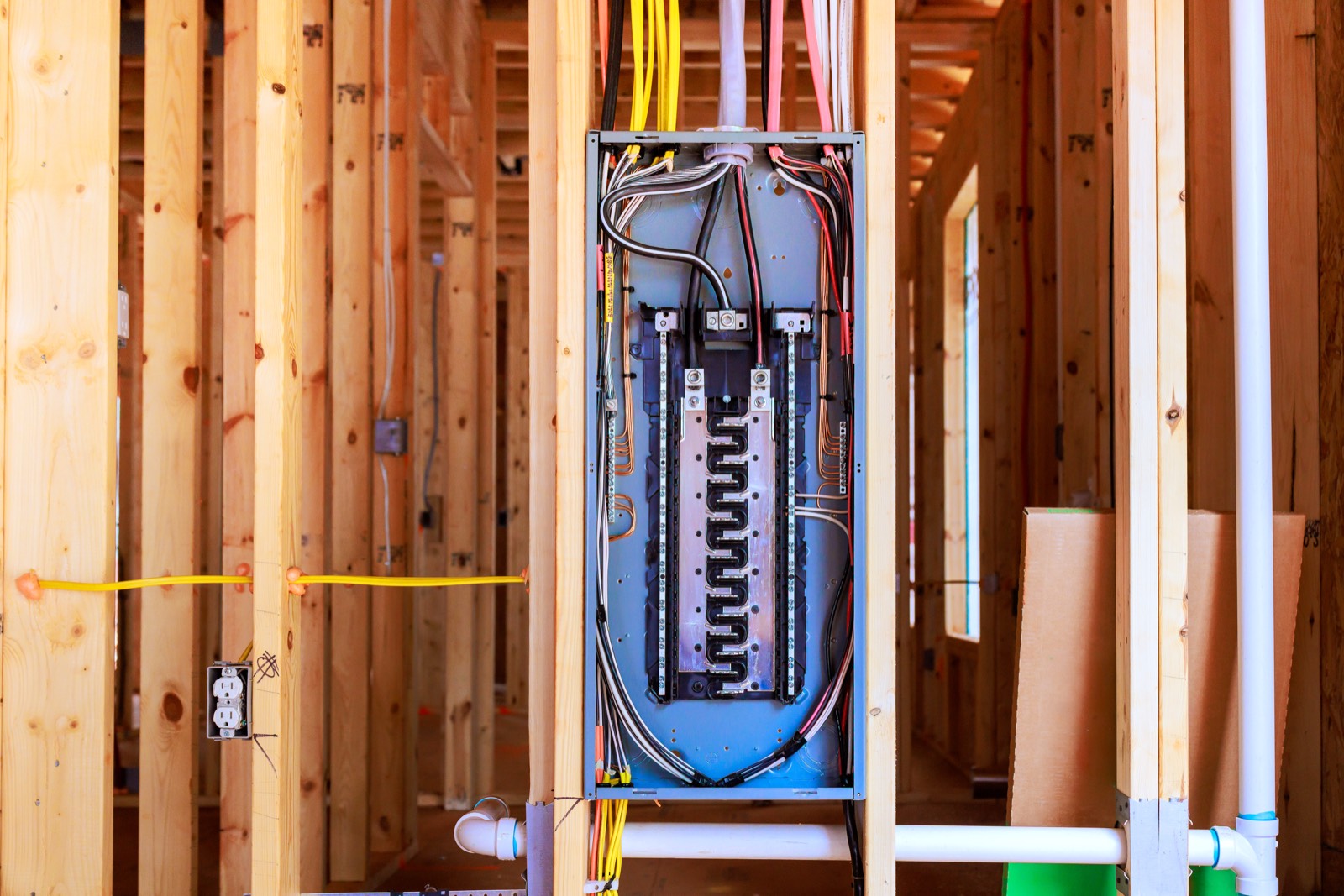
A panel upgrade is one of the few residential electrical jobs where your whole house power is intentionally shut off. That can feel stressful if you do not know the order of events.
Here is the practical sequence for panel upgrade day in Ontario: the utility disconnects the service, the licensed electrical contractor replaces and reconnects the panel, the ESA inspection or connection authorization is handled, the utility reconnects, circuits are tested and labelled, and the work area is cleaned.
City Power Electrical Services is licensed as an Electrical Contractor, ECRA/ESA #7015314. For a typical 100A-to-200A panel upgrade in the GTA, the published range is $3,200–$4,500 including the panel, labour, ESA permit, and inspection. The exact scope is confirmed in a free written estimate after a site visit.
1. Before upgrade day, the outage is scheduled and the ESA notification is opened
The day should not start with anyone guessing who is allowed to turn the power off. For a service or panel upgrade, the disconnect and reconnect must be coordinated with the local utility and the ESA process.
In Toronto and the GTA, that may involve Toronto Hydro, Alectra, Oakville Hydro, Burlington Hydro, Oshawa Power, Elexicon, Hydro One, or another local distributor. The utility controls the service connection and meter equipment. The electrician does not simply pull a meter and start work without the proper arrangement.
Before the work date, the licensed electrical contractor confirms the scope, files the required ESA notification, and books the utility disconnect/reconnect window where required. If the project involves a service size change, the utility may also need to confirm the service layout, meter base requirements, overhead or underground service details, and any utility-side conditions.
Your job as the homeowner is mostly preparation:
- Charge phones, laptops, power banks, and battery tools the night before.
- Keep fridge and freezer doors closed once the power is off.
- Know how to open the garage door manually.
- Shut down computers, network gear, and sensitive electronics before the outage.
- Plan for medical devices, aquarium pumps, sump pumps, security systems, and work-from-home needs.
- Make space around the electrical panel, meter area, and the path between them.
- Unlock side gates, electrical rooms, garages, or basements before arrival.
If you are still deciding whether the work is necessary, start with the signs you need an electrical panel upgrade or compare capacity in 100 amp vs 200 amp panels. If your upgrade is already booked, the most important thing is giving the crew clear access and expecting the home to be without normal power during the main work window.
2. On arrival, the electrician verifies the panel, service, grounding, and shutdown plan
The first step on site is confirmation. A good panel upgrade day starts with checking that the installed equipment matches the quoted scope and that the site is ready to be safely de-energized.
The electrician will typically review:
- The existing panel size, main breaker, and available working space.
- Whether the service is overhead or underground.
- The condition of the meter base, service mast or conduit, and service conductors.
- Grounding and bonding, including water pipe bonding where applicable.
- Existing branch circuits, multi-wire circuits, large loads, and any unusual breakers.
- Whether circuits are already labelled accurately or need tracing.
- Access for the utility, ESA inspector, and electrician.
This is also when surprises are most likely to surface. Examples include doubled-up conductors on breakers, damaged insulation near the panel, missing connectors, an overcrowded panel, amateur splices entering the enclosure, abandoned cables, old fuse equipment, or water marks below the meter or panel.
Some issues can be corrected as part of the planned upgrade. Others may change the scope and need approval before proceeding. We do not recommend letting anyone “make it work for now” inside a service panel. The panel is the distribution point for the entire house, and shortcuts here affect every circuit downstream.
Safety warning: do not remove the panel cover yourself before the crew arrives. Even if the branch breakers are off, parts of a service panel can remain live until the utility disconnects the supply. If you smell burning, hear arcing, see water entering the panel, or notice a hot breaker before the scheduled date, stop using affected circuits and call a licensed electrician. City Power provides 24/7 emergency service at 416-837-4038.
3. After utility disconnect, the old panel is removed and the new panel is built circuit by circuit
Once the utility disconnects the service and the electrician confirms the panel is de-energized, the replacement work can begin. This is the part homeowners usually imagine: the old panel cover comes off, circuits are disconnected, the enclosure is removed or replaced, and the new panel is mounted and wired.
A typical sequence looks like this:
- Verify power is off with proper test equipment.
- Remove the old panel cover and document existing circuits.
- Disconnect branch circuit conductors in an orderly way.
- Remove or rework old connectors, bushings, clamps, and cable entries as needed.
- Mount the new panel securely and align service conductors and branch cables.
- Terminate the main service conductors, neutral, bonding, and grounding conductors correctly.
- Install breakers listed for that panel, not whatever happens to fit mechanically.
- Reconnect branch circuits with proper conductor lengths, torque, and routing.
- Correct obvious defects at the panel, such as missing connectors or unsafe terminations.
This is not just a box swap. The quality of the work is in the details: conductor protection where cables enter the enclosure, correct neutral and bond separation where required, breaker sizing matched to conductor size, clean routing so the cover fits properly, and no loose conductors resting against sharp edges.
If the upgrade is tied to a larger load such as an EV charger, hot tub, addition, or heat pump, the electrician also has to consider the load calculation and panel space. For homeowners adding vehicle charging, our EV charger install day guide explains how that separate circuit work is normally handled.
When the old panel is out, power is not available for normal household use. Avoid asking the crew to temporarily energize one room or “just turn on the fridge” while the service equipment is open. The safer plan is to prepare for a planned outage and let the work proceed in the correct order.
4. Labelling and testing happen before you treat the upgrade as finished
A new panel is not complete if nobody can tell which breaker controls the kitchen counter, furnace, sump pump, exterior receptacle, or smoke/CO detector circuit. Labelling is part of making the upgrade usable after the electrician leaves.
The electrician will generally test and identify circuits after the panel is reconnected and safe to energize. Depending on the house, that may include turning circuits on one at a time, checking lights and receptacles, verifying major appliances, and confirming that dedicated circuits are where expected.
Good labels are specific. “Main floor lights” is better than “lights.” “Kitchen counter west wall” is better than “plugs.” “Basement freezer” is better than “basement.” The more accurate the labels, the easier it is to shut off the right circuit later without guessing.
Testing also matters because old houses often reveal odd circuit layouts. It is common to find a fridge receptacle tied to dining room plugs, a bathroom fan on a lighting circuit, exterior receptacles sharing with garage outlets, or a basement circuit feeding part of the main floor. A panel upgrade does not automatically rewire the house, but it is the right moment to identify what exists.
The electrician should also check that breakers reset properly, covers fit, unused openings are closed, and no circuit is left half-identified. If a breaker trips immediately when energized, that is not ignored. It may point to a downstream fault, crossed neutral, damaged cable, overloaded circuit, or equipment issue that needs troubleshooting before the circuit is put back in service.
For more on the overall duration and what can affect the schedule, see how long a panel upgrade takes.
5. ESA inspection and utility reconnection are the formal closeout steps
The ESA step is what separates permitted electrical work from informal panel swapping. For required work, the licensed electrical contractor files the ESA notification, and the installation is subject to ESA inspection or connection authorization according to the job type and local process.
On panel upgrade day, ESA and utility coordination can happen in more than one order depending on the utility, the nature of the service work, and inspection arrangements. In general, the important point is this: the utility needs the proper authorization before final reconnection where that authorization is required, and the electrical contractor is responsible for managing the permitted process.
The ESA inspection is not a home inspection and not a cosmetic review. The inspector is concerned with electrical safety and code compliance. Items commonly reviewed include:
- Service size and equipment rating.
- Main bonding and grounding.
- Panel and breaker compatibility.
- Conductor sizes and overcurrent protection.
- Cable entries, connectors, bushings, and mechanical protection.
- Neutral and bonding conductor termination.
- Working space and access.
- Labelling and closure of unused openings.
- Any visible defects connected to the notified work.
If the inspector identifies a deficiency, it must be corrected. That does not mean the whole project has failed; it means the item has to be brought into compliance. A licensed contractor should explain the issue plainly and arrange the correction and follow-up.
If you want a deeper look at the inspection side, read ESA inspection day what to expect. If you are comparing budget and scope before booking, our panel upgrade cost guide covers the published pricing context.
6. Cleanup, homeowner walkthrough, and the first evening after reconnection complete the day
Once the panel is energized, inspected or authorized as required, and tested, the last step is making sure you understand what changed. City Power includes full cleanup, so the work area should not be left with wire scraps, packaging, old parts, or drilling dust spread through the electrical room.
Before the crew leaves, ask for a short walkthrough:
- Where is the new main breaker?
- Which breakers control the furnace, air conditioner, kitchen, laundry, sump pump, and exterior receptacles?
- Are any circuits intentionally left off because of a downstream issue?
- Was anything found that should be repaired later?
- Where is the ESA documentation or inspection record kept?
- Did the utility reconnect normally, and is the meter seated and sealed as required?
After power is restored, check the ordinary things first. Make sure the furnace or boiler controls are back on, the fridge is running, the internet equipment has restarted, clocks are reset, GFCI receptacles are not tripped, and garage doors or smart devices have recovered. Some electronics need a manual restart after a full-home outage.
Call the electrician back promptly if you notice burning smell, repeated breaker tripping, lights dimming severely under normal loads, a dead critical circuit, buzzing at the panel, heat at a breaker, or anything unusual around the meter. Do not remove the panel cover to investigate.
A properly managed panel upgrade day is controlled, documented, and boring in the best way: planned shutdown, licensed electrical work, ESA process, utility reconnection, clear labels, and a clean electrical area. If you are booking a service upgrade in Toronto or the GTA, City Power can provide a free written estimate through our panel upgrades service page.
Want a licensed electrician to take a look?
Free written quote, usually the same day. ESA permits handled.