Answered by a licensed electrician
Do EV chargers work in winter?
Quick answer
Yes, EV chargers work in winter, but charging can slow because the vehicle battery is cold, not because the charger has stopped working. For a straightforward Level 2 installation in the GTA with capacity available and the panel nearby, expect $800–$1,500 for labour, materials, and the ESA permit, plus the charger itself.
Yes, EV chargers work in winter when the equipment is rated for outdoor use.
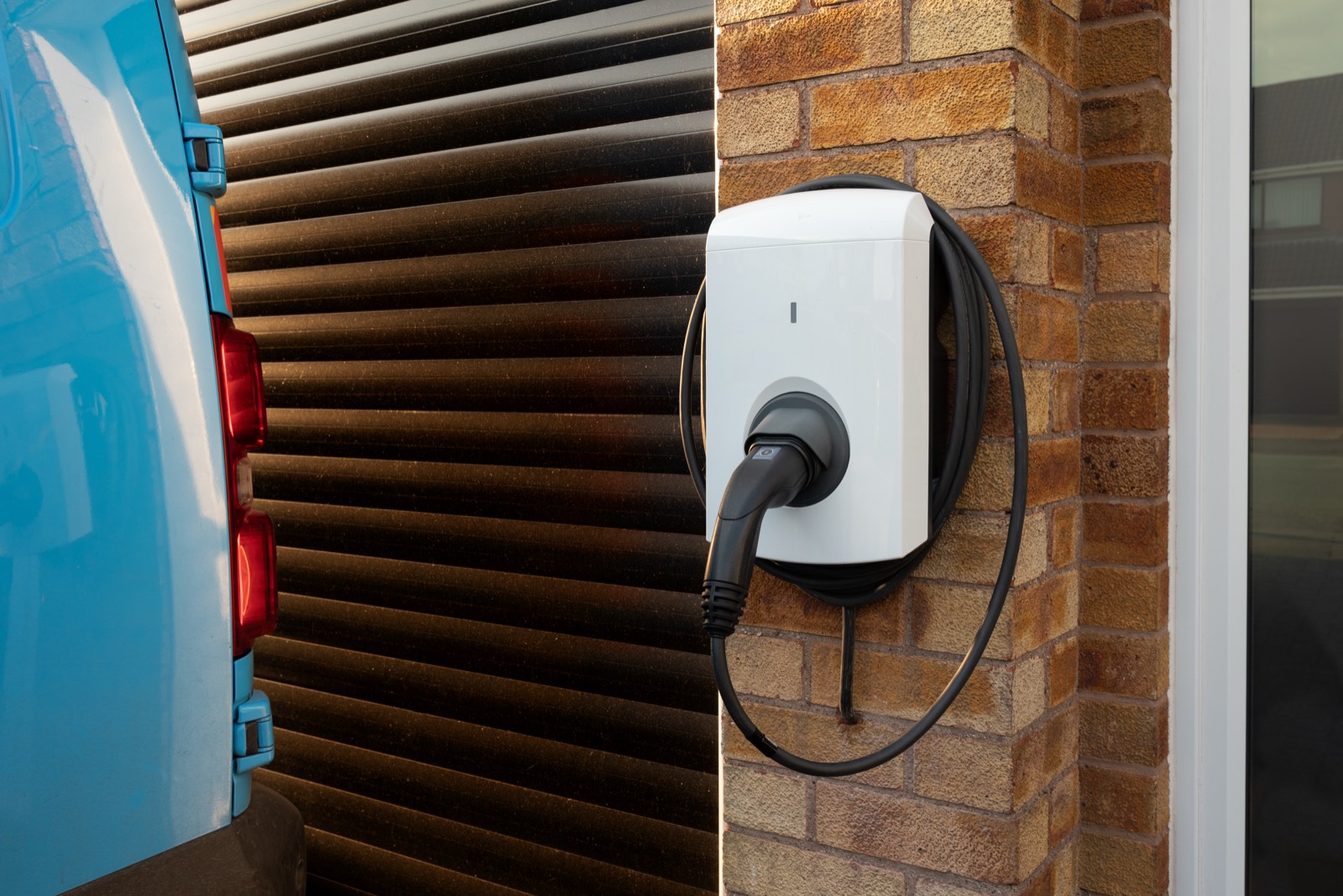
A properly installed EV charger is not a fair-weather device. Outdoor-rated Level 2 chargers are built to handle rain, snow, freezing temperatures, and normal winter exposure, as long as the unit, wiring method, breaker, and mounting location are chosen for the site.
The part homeowners notice first is usually not the charger body. It is the cable. In cold weather, some charging cables become stiff and awkward, especially when they have been lying in snow or are stored in a tight coil. A better winter installation considers where the cable hangs, how the connector is protected, and whether the cable remains flexible enough for daily use at the end of a driveway or beside a garage.
For an outdoor charger, we look at:
- A charger specifically approved for outdoor installation, not an indoor-only unit moved outside.
- A weather-resistant enclosure rating suitable for snow, rain, and blowing moisture.
- A mounting spot where the connector is not buried by plowed snow.
- Conduit, fittings, and terminations rated for wet or outdoor locations.
- Cable reach to the vehicle without stretching across a walkway or driveway edge.
- Protection from impact, shovels, garbage bins, and tight parking turns.
In Ontario, the installation still has to follow the Ontario Electrical Safety Code, the charger manufacturer’s instructions, and ESA notification requirements where the work requires it. A new 240V charging circuit is not the same as plugging in a seasonal appliance. If you are planning a driveway or exterior wall install, start with an outdoor-rated Level 2 EV charger installation rather than adapting an indoor setup.
Winter charging can be slower because the vehicle battery is cold.
The charger may be delivering power normally while the car limits charging speed to protect a cold battery. Lithium-ion batteries charge best in a moderate temperature range. When the battery pack is cold-soaked after sitting outside overnight, the vehicle’s battery management system may use some incoming power to warm the pack before accepting the full charge rate.
That is why two winter charging sessions can feel different even on the same charger. A car that has just been driven may charge faster than the same car after sitting in a wind-exposed driveway at low temperature. Some vehicles also precondition the battery when scheduled charging or navigation to a fast charger is used, but the exact behaviour depends on the vehicle.
The electrical installation still matters. A Level 2 charger on a properly sized dedicated circuit gives the vehicle more available power than a standard 120V cord. In winter, that headroom helps because the car can heat the battery and cabin while still adding useful range. With a slow 120V outlet, some of the energy may be consumed by warming systems, so range recovery can be disappointing on very cold nights.
A simple way to think about it:
| Winter issue | Usually caused by | Electrical fix? |
|---|---|---|
| Slower charging than summer | Cold vehicle battery | Level 2 helps, but vehicle controls speed |
| Stiff cable | Cable jacket material and storage | Choose a charger with a cold-friendly cable and good holster location |
| Snow around connector | Mounting location and cable management | Install above snow line and away from plow piles |
| Breaker or circuit concern | Circuit sizing, load, or installation defect | Have the circuit assessed, not guessed |
| Poor reach to the charge port | Charger location | Plan cable route before drilling or trenching |
If the charger powers up, the car recognizes it, and the circuit is not tripping, slower winter charging is often vehicle behaviour rather than a failed charger. If the charger is dead, showing faults, or tripping protection, that is a separate electrical problem and should be checked safely.
Outdoor Level 2 chargers need a dedicated, permitted circuit.
A Level 2 charger is normally installed on its own 240V branch circuit, sized to the charger’s continuous load and the manufacturer’s requirements. EV charging is a long-duration load, so the breaker, wire, terminations, and charger settings all have to match. This is not a place to reuse an old dryer circuit without confirming the load, conductor size, routing, and code requirements.
The dedicated circuit question matters even more outside. The run may pass through a garage, basement, exterior wall, conduit, or underground section. Each part of the route has different protection and moisture considerations. Finished walls, detached garages, long driveways, and side-yard parking can all change the wiring method.
Common winter-ready installation decisions include:
- Hardwired charger versus receptacle-style connection.
- Indoor panel to exterior charger route through conduit.
- Charger height and position so the connector stays above snow buildup.
- Cable reach to the charge port without crossing a main walking path.
- Load calculation to confirm the existing service can support the charger.
- Charger amperage setting where panel capacity is limited.
If your panel is close to the parking spot and has available capacity, the electrical work is usually simpler. If the panel is on the opposite side of the house, in a finished basement, or far from a detached garage, the design becomes more important. The question is not only “will it charge?” but “will it be safe, serviceable, and usable every winter?”
For circuit planning, see do EV chargers need dedicated breakers. For distance and routing decisions, see how far EV chargers can be from the panel. Those two details often decide whether an outdoor winter installation is straightforward or needs a more careful plan.
City Power Electrical Services is an ECRA/ESA Licensed Electrical Contractor, #7015314, and we file ESA notifications where required for EV charger work in Toronto and the GTA.
Snow, moisture, and cable handling decide how usable the charger feels in January.
The best winter charger location is not always the shortest wire run. It is the spot where the driver can plug in without fighting snowbanks, frozen cable loops, or a connector packed with slush. A charger mounted too low beside a driveway can disappear behind plowed snow. A charger mounted behind the parked car may force the cable under tires or across an icy path.
Outdoor electrical equipment also needs to shed water properly. Conduit entries, fittings, and wall penetrations have to be arranged so melting snow and wind-driven rain do not sit inside the wrong place. The charger should be fastened to a solid surface, with wiring protected from impact and strain. Where underground wiring is needed, the trenching method, burial-rated cable or conduit, and transition points must be planned before the driveway or landscaping is disturbed.
For winter use, we usually prefer to solve these details before choosing the final charger location:
- Which side of the vehicle has the charge port?
- Will the car usually park nose-in or back-in?
- Where does snow from the driveway get pushed?
- Will the cable cross a walkway used by children, tenants, or delivery drivers?
- Is there a garage wall, exterior brick wall, post, or pedestal available?
- Is the charger visible enough for use but not exposed to vehicle impact?
A cold-rated, outdoor-approved charger with a proper cable holster is easier to live with than a technically functional charger in the wrong location. If the charger is on a side wall, the cable may need enough reach for different parking positions. If it is on a post, the post needs secure support and a proper wiring method. If it is in a carport or open garage, it still may count as a damp or wet exposure depending on the location.
For more on exterior placement, read can Level 2 chargers go outside. If you are comparing indoor and garage locations, EV chargers in garages covers the practical differences.
The ESA inspection checks the electrical installation, not the car’s winter range.
An ESA inspection is about whether the electrical work is safe and code-compliant. It does not certify that your vehicle will charge at a specific speed in February. The inspector is looking at the circuit, wiring method, overcurrent protection, grounding and bonding, equipment approval, and whether the installation matches the permit scope and manufacturer’s instructions.
For an outdoor EV charger, the inspection may focus on items such as correct conductor sizing, breaker sizing, weather-rated equipment, secure mounting, proper conduit or cable protection, and safe routing. If a load-management device is used because the service capacity is tight, it also has to be installed as part of the approved design.
Homeowners sometimes ask whether they can install the charger first and deal with paperwork later. That is the wrong order. New EV charging circuits should be planned, permitted where required, installed correctly, and inspected. Unpermitted work can become a problem when selling, making an insurance claim, or troubleshooting a later fault.
If you are unsure whether your EV charger work needs an ESA notification, read what electrical work needs ESA inspection. If the goal is dependable winter charging, the clean path is a properly rated outdoor Level 2 charger, a dedicated circuit, and an installation documented from the start.
Want a licensed electrician to take a look?
Free written quote, usually the same day. ESA permits handled.
People also ask
Can an EV charger be left outside all winter?
Yes, if it is approved for outdoor installation and installed with weather-rated wiring methods. The charger should be mounted where snow will not bury the connector or strain the cable. Do not assume an indoor-only charger is acceptable outside just because it works when plugged in.
Why does my EV charge slower when it is cold?
Cold slows charging mostly because the vehicle battery management system limits current until the battery is warm enough. The charger may be supplying normal power while the car uses some energy for battery heating. A Level 2 charger helps by providing more available power than a standard 120V cord.
Is a hardwired EV charger better for winter?
Often, yes. A hardwired outdoor charger removes the plug-and-receptacle connection from snow, salt, and repeated handling. Receptacle installations can still be done where appropriate, but outdoors they need the right equipment, protection, and location. The best choice depends on the charger, panel capacity, and parking layout.
Do I need ESA inspection for an outdoor EV charger in Ontario?
A new 240V EV charging circuit normally requires ESA notification and inspection in Ontario. The inspection checks the circuit, breaker, wiring method, grounding and bonding, equipment approval, and outdoor suitability. Confirm the scope before work starts so the installation is documented properly.