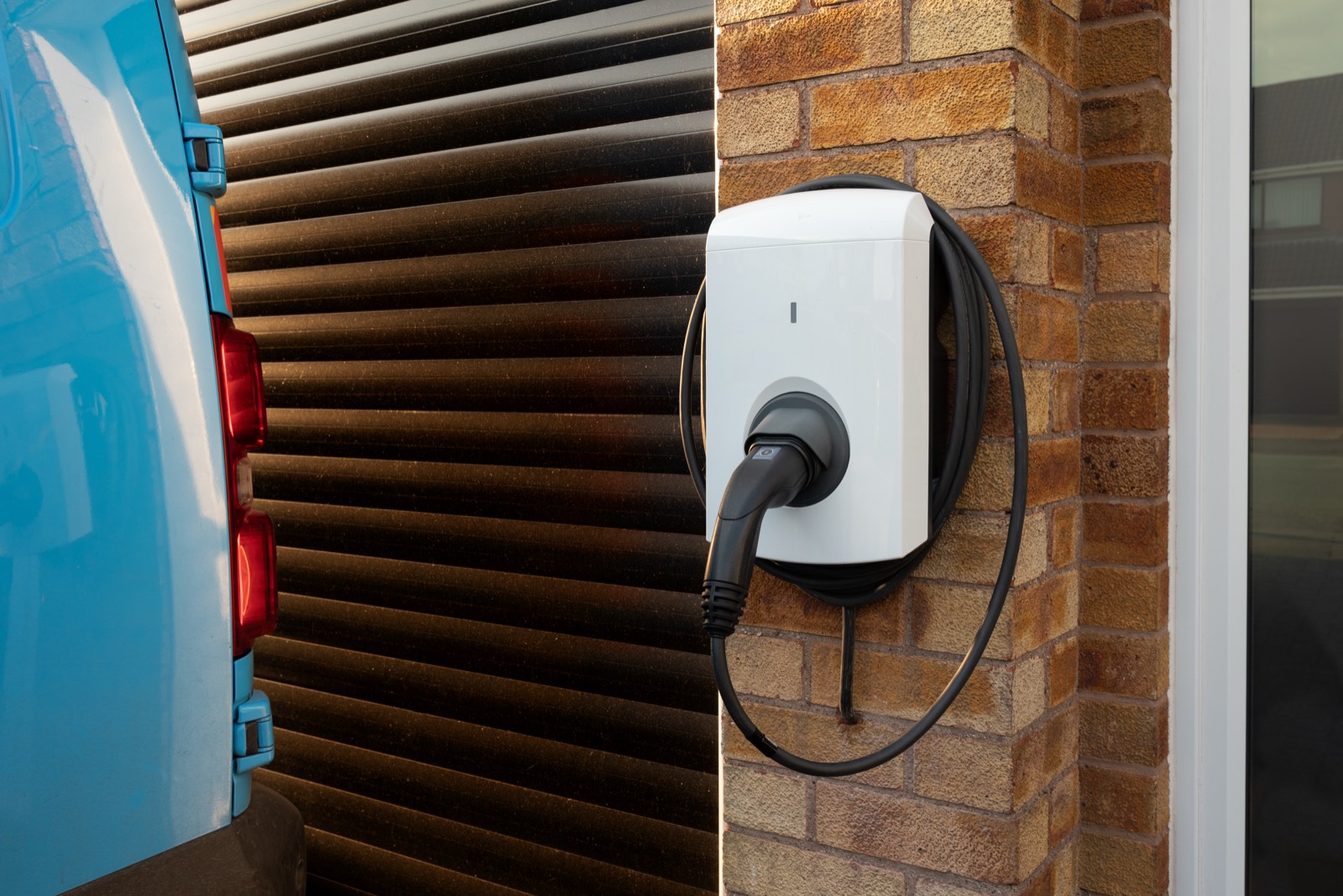
EV Charger Installation
Charge your electric vehicle at home or at your business.
About ev charger installationLighting control systems give homes, offices, conference rooms and retail spaces reliable dimming, scenes, keypads and app-based control. We install and troubleshoot control layouts after checking neutral wires, load types and device compatibility.

A good lighting control system starts with the fixtures, drivers and wiring already in the space. We check what each switch actually controls, whether the box has a neutral, whether the circuit is single-pole, three-way or multi-location, and what type of load is connected.
That matters because LED fixtures do not all dim the same way. Some need forward-phase dimming, some need reverse-phase dimming, some low-voltage drivers require specific control methods, and some commercial fixtures use 0–10V dimming. If the control and load do not match, the result is flicker, buzzing, lights that will not shut fully off, or a dimming range that jumps from bright to dark.
For homes, we install Lutron-style dimmers, smart switches, keypads, scene controllers and app-based controls without claiming a specific manufacturer certification unless it is confirmed for the product being used. A typical scene might be “cooking,” “dining,” “movie,” “all off” or “night path,” with one keypad replacing several separate switches.
For commercial spaces, controls can be more functional: a conference room with presentation, video call and cleaning scenes; a retail store with separate display, cash desk and after-hours settings; or an office area where lighting is grouped by room, row or use. If the lighting layout itself needs to be redesigned before controls are selected, we coordinate that with lighting design instead of guessing at the switch wall.
We also look at practical details before recommending devices:
Lighting control systems make sense when a room has multiple lighting zones, repeated daily settings, or several users who need the same result without learning a wall full of switches.
In a renovated main floor, the common mix is pot lights, pendants, under-cabinet lighting, accent lighting and exterior lights near the same entry point. A control keypad can simplify that into labelled scenes while still allowing manual dimming. If the lighting itself is being added, we may combine controls with lighting and pot lights so the switching is right before drywall is repaired or painted.
In a home theatre, family room or open-concept kitchen, controls solve a different problem: brightness levels. One dimmer may need to bring ceiling lights down to a low level, while another keeps task lighting bright enough to work. App control is useful, but the wall controls still have to be intuitive for guests, kids and anyone who does not want to open a phone.
In a conference room, lighting controls should support real use: full brightness for cleaning, even light for meetings, lower front lighting for screen sharing, and a video-call setting that avoids glare on faces. In retail, the priorities are display brightness, window presentation, after-hours lighting and staff simplicity. Those projects may tie into commercial lighting installation or retail lighting if fixtures, tracks or panels are being changed at the same time.
Lighting controls are also useful when existing smart switches have become unreliable. We often see mixed brands, overloaded dimmers, missing neutrals, smart devices installed in boxes that are too crowded, or LED bulbs that were never compatible with the dimmer. In those cases, the repair is not just “replace the switch.” The load and control method have to be matched.
Lighting controls are electrical equipment, and the installation still has to meet the Ontario Electrical Safety Code. City Power Electrical Services installs lighting control systems as a Licensed Electrical Contractor, ECRA/ESA #7015314, with ESA permits and inspections handled where required.
A simple replacement of a compatible switch or dimmer is different from adding new wiring, moving switch locations, installing new lighting zones, opening walls, adding a neutral, or changing commercial control wiring. When the work requires an ESA notification, we include that process in the written quote and arrange the inspection.
The code details are not decorative. Smart controls are deeper than old toggle switches, so box fill and conductor space matter. Metal boxes and device yokes must be properly bonded. Neutrals must not be borrowed from another circuit to make a smart device work. Existing GFCI and AFCI protection cannot be defeated to get a control operating. In commercial spaces, emergency and exit lighting circuits must remain code-compliant and cannot be casually routed through decorative controls.
ESA inspection, where required, is typically concerned with safe terminations, approved devices, correct conductor use, box fill, grounding and bonding, separation of line-voltage and low-voltage wiring where applicable, and whether the installed work matches the notification. For commercial projects, we also pay attention to maintenance access and labelling so staff can understand what each control or relay affects.
If a lighting control project connects with a broader automation plan, we route it through our smart home electrical service. That is the better fit when lighting is being coordinated with doorbells, sensors, shades, voice assistants, schedules or whole-home scenes.
The first step is a site visit or detailed review of the room. We identify each switch leg, fixture group and control location. In older homes, that often means opening the switch box to confirm whether a neutral is present. In commercial spaces, we may also check fixture drivers, panel schedules, ceiling access and whether any lighting is tied into emergency circuits or building automation.
For a small residential upgrade, the scope may be a few dimmers, one keypad and app setup. For a larger home or business, we build a room-by-room control schedule: which fixtures belong to each zone, what each keypad button should do, what scenes are needed, and whether the system should be hub-based, Wi-Fi-based or stand-alone.
Installation can include replacing dimmers, adding companion controls at multi-way locations, changing boxes where capacity is insufficient, correcting mixed-up switching, labelling circuits, setting dimming trim levels and testing each scene. We also clean up after the work is complete.
Published pricing is limited because lighting control systems vary heavily by device type, wiring access and programming time. For lighting control upgrades, installed smart dimmers and switches typically cost $150–$250 each, including pro-grade options such as Lutron Caseta or Leviton Decora Smart. For lighting controls on a typical main floor, installing 8–12 smart switches with hub setup and app configuration usually costs $1,500–$2,800. Larger keypad-based, multi-room, commercial or fixture-driver control systems are quoted in writing after a site visit.
If the project includes new fixtures, accent zones or exterior lighting, we may coordinate with under-cabinet and accent lighting or landscape and outdoor lighting so the controls match the lighting plan from the beginning.
Sometimes, but it depends on the device, load and wiring method. Some controls are designed for no-neutral installations, while others require a neutral to power the electronics. We open the box, confirm the conductors, check the lighting load and recommend a compatible option rather than forcing a device into a box where it will flicker or fail.
A smart switch controls one load or location. A lighting control system coordinates several loads, scenes and control points so the room behaves predictably. That may include dimmers, keypads, companion switches, app control, schedules and labelled scene buttons for uses like dining, presentation, cleaning or closing time.
If the work is only a compatible device replacement, an ESA notification may not be required. If we add wiring, move controls, create new lighting zones, alter circuits or perform commercial control wiring, ESA notification is typically required. City Power permits the job where required and arranges inspection.
The control idea is similar, but the priorities are different. Homes usually focus on dimming, scenes and simple app control. Businesses often need conference-room scenes, staff-friendly keypads, display lighting, after-hours settings and coordination with emergency lighting rules. We select the equipment after checking the actual loads and wiring.
Charge your electric vehicle at home or at your business.
About ev charger installation
Pool and spa electrical must meet strict safety codes due to the water proximity.
About pool & spa wiring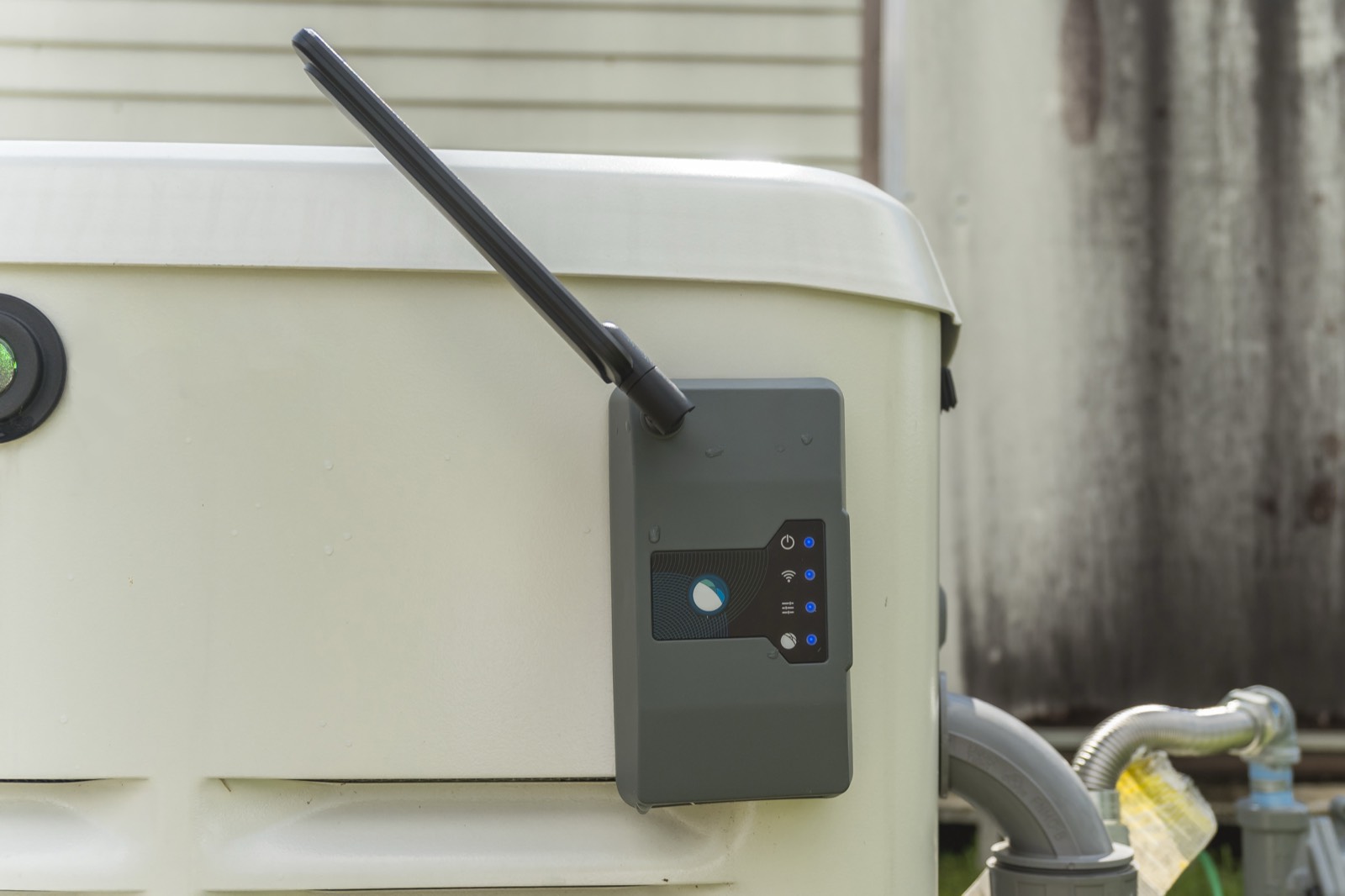
Free estimates on all projects. Same-day service available across the GTA. Send the details and a licensed electrician replies the same day.
Or call 416-837-4038Free written quote
Tell us about the job and we reply the same day. For an emergency, call 416-837-4038 instead.
A licensed electrician answers every call, day or night.