How-To
Toronto Hydro Disconnect Reconnect
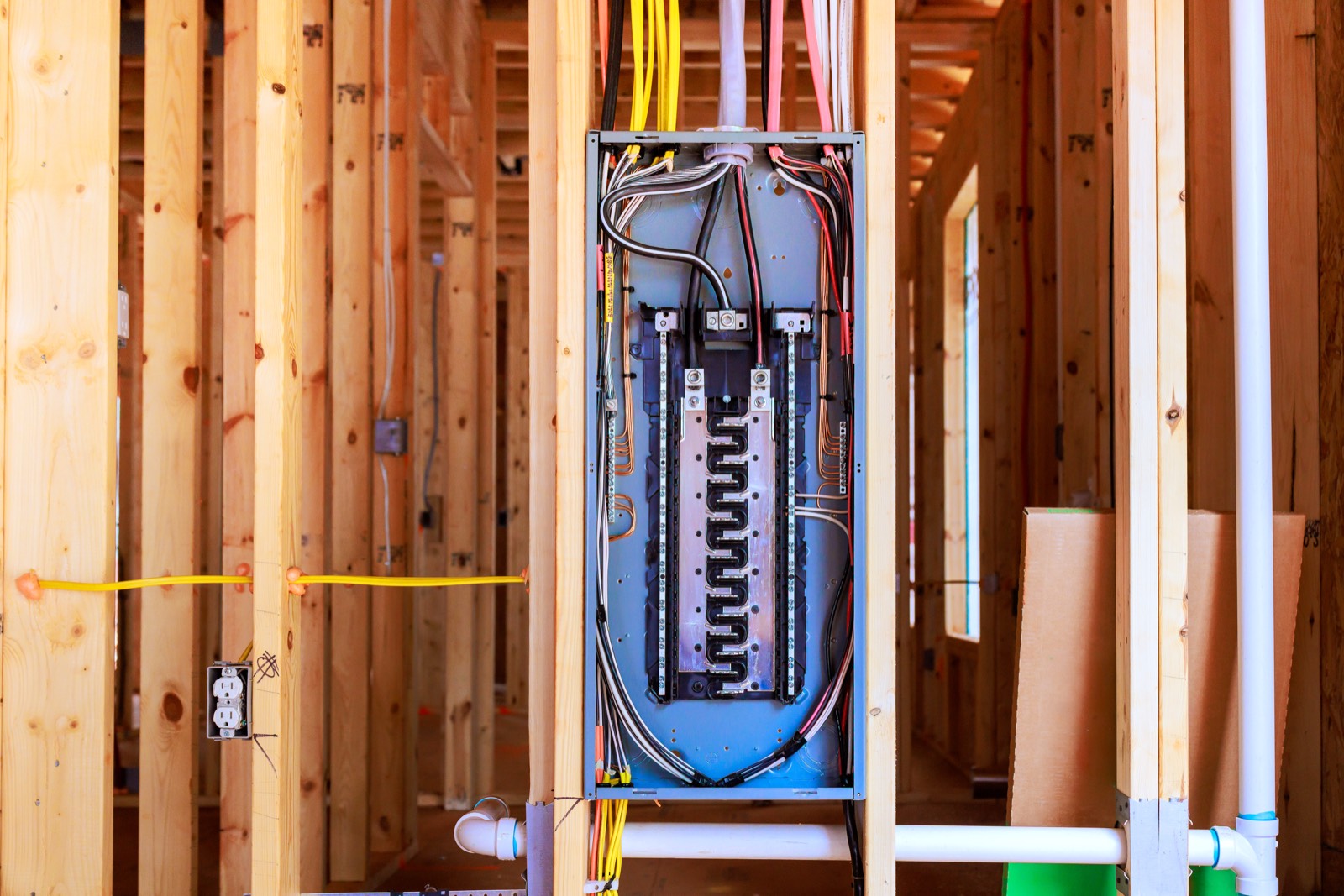
A Toronto Hydro disconnect/reconnect is the utility step that lets your electrician safely work on the service equipment before the main breaker. It is commonly needed for a panel upgrade, meter base change, service mast repair, overhead service upgrade, or any work where the live utility conductors must be isolated.
This is not a DIY shutoff. Turning off the main breaker only kills the branch circuits after the panel. The service conductors feeding the meter and main lugs can still be live. For that part of the job, Toronto Hydro and the ESA process have to line up.
City Power Electrical Services is an ECRA/ESA licensed electrical contractor, #7015314, and for Toronto service upgrades we coordinate the electrical scope, ESA notification, inspection, and utility reconnection requirements around the same job plan.
1. Confirm whether Toronto Hydro must disconnect power
Toronto Hydro is needed when the work touches equipment on the utility side or service-entry side of your electrical system. If the electrician cannot make the installation safe by shutting off breakers inside the panel, a formal disconnect/reconnect is usually required.
Common examples include:
- Replacing a 100A panel with a 200A panel
- Changing an old fuse panel to a breaker panel when service conductors are involved
- Replacing a damaged or obsolete meter base
- Replacing or raising a service mast, weatherhead, or point of attachment
- Upgrading overhead service conductors or the service entrance
- Correcting unsafe service equipment before the meter or at the meter
- Coordinating work where Toronto Hydro must remove and reinstall the meter
For a simple breaker replacement, outlet repair, light fixture, or load-side circuit addition, Toronto Hydro usually is not involved. For a full service change, they are.
The safety reason is straightforward: the conductors ahead of the main breaker do not become safe just because the panel is switched off. They are controlled by the utility. That is why a licensed electrical contractor plans the sequence with Toronto Hydro and ESA instead of treating it like an ordinary service call.
If you are trying to understand the whole path from request to reconnection, our Toronto Hydro service upgrade process guide goes deeper into the service-upgrade sequence.
2. Have the electrician design the service change before booking the shutdown
The disconnect/reconnect should be booked after the electrical scope is clear, not before. Toronto Hydro needs to know what is changing, and the ESA inspection has to match the work being done.
For a panel or service upgrade, the electrician first confirms the existing service type and the upgrade path. That means looking at the panel rating, main breaker, meter base, grounding and bonding, service mast, overhead clearances, conductor route, available wall space, and any obvious hazards around the meter.
Specific items that matter in Toronto homes include:
- Whether the service is overhead from a pole or underground to the meter
- Whether the existing meter base is rated for the proposed service
- Whether the mast and weatherhead are reusable or must be replaced
- Whether the panel location still allows safe working clearance
- Whether grounding and bonding need correction as part of the service change
- Whether the utility point of attachment is suitable for the upgraded service
- Whether old cloth service conductors, split-bus equipment, or a fuse panel change the scope
This is also when the load calculation is considered. A 200A upgrade is often requested because of EV charging, heat pumps, additions, basement apartments, hot tubs, or electric cooking equipment. The service size should be justified by the actual load, not guessed.
For typical Toronto-area pricing, a 100A-to-200A panel upgrade is usually in the $3,200–$4,500 range when the panel, labour, ESA permit, and inspection are included. If the home is moving up from a 60A fuse service, the work is often more involved because the service entrance and meter base usually have to be replaced as well, and the published range is $4,000–$6,000.
If you are planning the electrical upgrade itself, start with our panel upgrade service page so the Toronto Hydro step is tied to the actual panel and service work.
3. File the ESA notification and wait for connection authorization
The ESA notification is what makes the electrical work inspectable, and ESA connection authorization is the key piece Toronto Hydro relies on before power is put back on. In plain language: the utility disconnects so the work can be done safely, the electrician completes the permitted work, ESA inspects it, and the utility reconnects after the electrical authority authorizes connection.
The exact sequence depends on the job and the utility’s current process, but the usual flow is:
- The licensed electrical contractor opens an ESA notification for the work.
- Toronto Hydro disconnect/reconnect coordination is requested for the service location.
- Power is disconnected at the arranged time or the meter/service is isolated as required.
- The electrician replaces or upgrades the approved service equipment.
- ESA inspection is completed for the service work.
- ESA issues connection authorization when the installation passes the required inspection stage.
- Toronto Hydro reconnects according to its scheduling and field requirements.
The phrase “connection authorization” matters. It is not just a verbal thumbs-up from the electrician. Toronto Hydro needs the proper authorization from ESA before energizing the new or altered service.
What does ESA look at? For a panel or service upgrade, the inspector is checking that the installation matches the notification and Ontario Electrical Safety Code requirements. That can include service equipment rating, conductor sizing, grounding and bonding, breaker and panel compatibility, working clearances, meter and service entrance equipment, labelling, and whether the installation is complete enough to energize safely.
If there is a deficiency, it has to be corrected before the job can move forward. That is one reason the service work should be done by a contractor that handles these jobs regularly. A missed bonding detail, wrong meter base, or unsuitable service mast can turn a planned reconnect into an outage problem.
4. Plan the outage without assuming a guaranteed Toronto Hydro timeline
A disconnect/reconnect involves more than the electrician’s time on site. It depends on Toronto Hydro scheduling, ESA inspection availability, the condition of your existing service, and whether any field condition changes the plan.
For many panel upgrades, the goal is to disconnect, complete the service work, pass inspection, and reconnect in a coordinated window. But no contractor should promise a guaranteed Toronto Hydro timeline. The utility controls its own crew scheduling and reconnection process, and ESA must authorize the connection before the utility energizes the service.
Prepare for the power to be off during the work window. That means:
- Charge phones, laptops, and battery packs in advance
- Keep fridge and freezer doors closed
- Tell anyone working from home that internet and Wi-Fi will be down
- Plan around medical devices, sump pumps, security systems, and garage doors
- Shut down computers and sensitive electronics before the outage
- Make sure the electrical room, meter, and panel are accessible
- Keep pets and children away from the work area
If the job includes a mast, meter base, or overhead service change, outdoor access matters too. The electrician may need a clear path to the side wall, driveway, meter location, and service mast area. Snow, locked gates, stored materials, vines, decks, and sheds can all slow the job down if they block the service equipment.
For homes considering an upgrade because of EV charging, heat pumps, or electrification plans, it is also worth checking whether any current utility programs or account requirements apply. We keep a local resource page for Toronto Hydro programs, but the utility should always be treated as the final authority on its current forms, account rules, and scheduling requirements.
5. Do not remove a meter or work ahead of the main breaker yourself
The hard stop is simple: do not pull the meter, loosen service lugs, open sealed utility equipment, or work on conductors ahead of the main breaker. Those parts can remain energized at dangerous fault levels, and unauthorized meter removal can create safety, utility, insurance, and inspection problems.
Call a licensed electrical contractor if you see any of these service-side warning signs:
- Heat marks, buzzing, or burning smell at the meter or panel
- Water entry around the service mast, meter base, or panel
- A leaning or damaged service mast
- Loose overhead service attachment
- Cracked meter base, missing covers, or exposed conductors
- Flickering lights across the whole house rather than one circuit
- A fuse panel or undersized service that cannot support planned loads
- Renovation work that will require moving the panel, meter, or service entrance
A homeowner can safely reset a tripped breaker if there is no burning smell, heat, water, or repeated tripping. Beyond that, stop. Service equipment is not the place to experiment.
If the issue is urgent outside normal hours, you may need emergency help to make the site safe before a planned upgrade is scheduled. Our guide to emergency electrician rates in Toronto explains how after-hours calls are usually handled.
For non-emergency planning, the better path is to get the service assessed, decide whether the panel, meter, mast, or conductors are part of the scope, and then coordinate Toronto Hydro and ESA correctly from the start.
6. Get the quote based on the service equipment, not just the panel size
A Toronto Hydro disconnect/reconnect is only one part of the project. The accurate quote comes from the full service scope: panel, meter base, mast, grounding, bonding, utility coordination, ESA notification, inspection, and any repairs needed to make the service acceptable for reconnection.
Two homes can both be “100A to 200A upgrades” and still be very different jobs. One may have a clean panel location, reusable service route, and straightforward access. Another may have an old mast, deteriorated meter base, finished basement ceiling below the panel, tight working clearance, and grounding that needs correction.
When we quote a service upgrade, the written estimate should make clear:
- What panel size and equipment are being installed
- Whether the meter base is included
- Whether the service mast, weatherhead, and point of attachment are included
- Whether grounding and bonding upgrades are included
- Whether ESA notification and inspection are included
- What work depends on Toronto Hydro scheduling or field approval
- What needs to be cleared before the shutdown day
- Whether any circuits, labels, surge protection, or EV-ready work are included
If you are comparing contractors, be careful with quotes that only say “panel change” when your project really needs a coordinated utility disconnect/reconnect. The cheapest number can become expensive if the service cannot be reconnected because the meter base, mast, grounding, or ESA authorization was not handled correctly.
For a broader sense of Toronto electrical labour and quoting norms, see how much an electrician costs in Toronto. Then get the actual service upgrade quoted in writing after a site visit, because Toronto Hydro disconnect/reconnect work depends heavily on the condition and layout of your specific service.
Want a licensed electrician to take a look?
Free written quote, usually the same day. ESA permits handled.