Code, permits & compliance
Toronto Hydro Service Upgrade Process
In Toronto, a service upgrade is not just a panel swap: it involves a licensed electrical contractor, an ESA notification where required, and Toronto Hydro coordination for disconnect and reconnect. The utility appointment is separate from the electrician’s on-site work, so planning the sequence matters.
The process applies when the electrical service changes, not just when breakers are moved
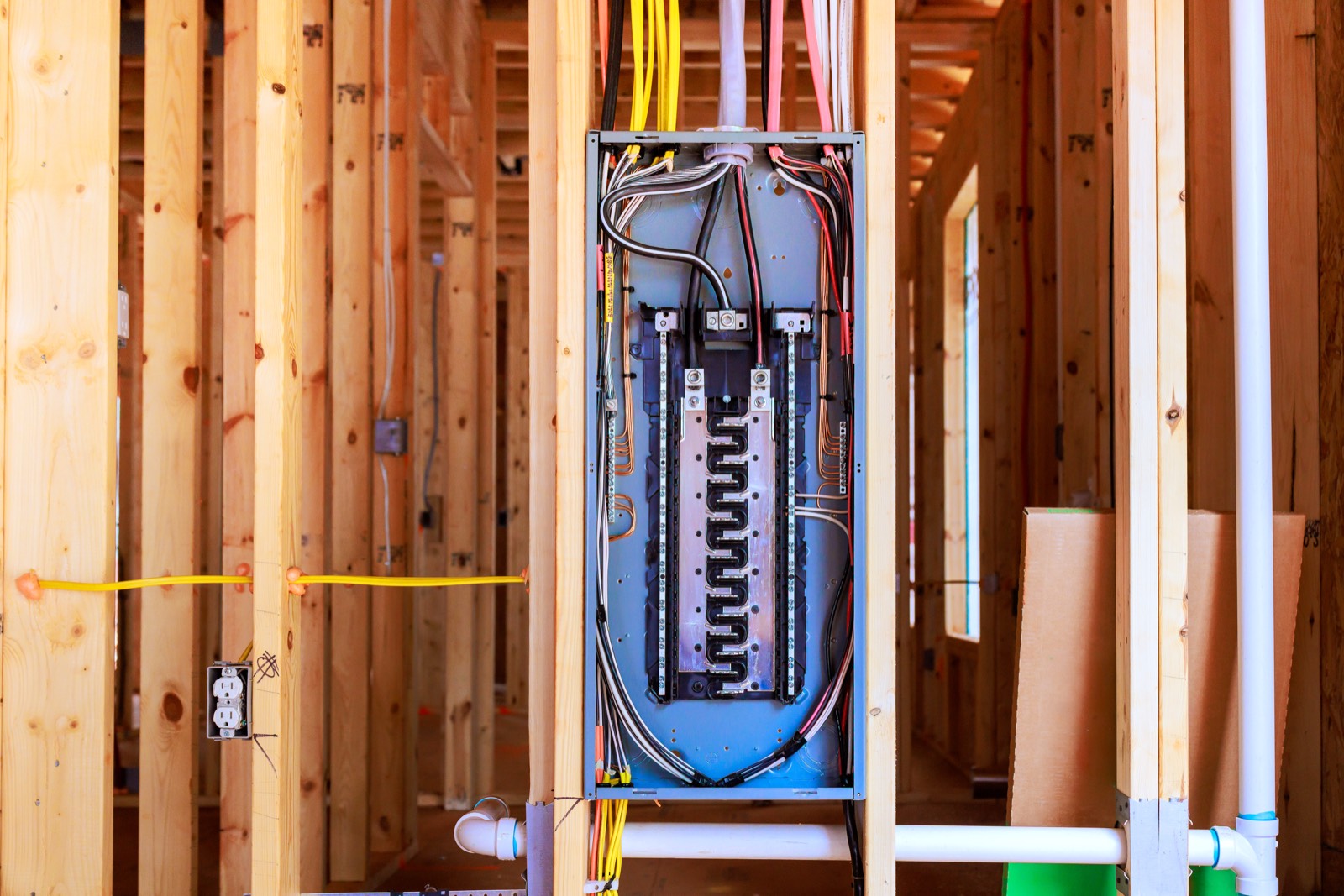
A Toronto Hydro service upgrade process usually applies when a home is moving from 60A or 100A service to 200A, replacing a fuse panel, changing the service entrance, or upgrading equipment between the utility connection and the main panel. This is different from replacing a light fixture or adding a receptacle circuit inside the house.
The work touches the point where Toronto Hydro’s system meets the customer-owned electrical installation. That is why three parties are normally involved:
- The homeowner or property owner, who authorizes the work and provides access.
- A Licensed Electrical Contractor, who designs and installs the customer-owned service equipment.
- ESA and Toronto Hydro, who deal with electrical inspection and utility disconnect/reconnect requirements.
City Power Electrical Services is licensed to complete Toronto Hydro service upgrades under ECRA/ESA #7015314. For a typical 100A-to-200A upgrade in the GTA, the published range is $3,200–$4,500 including the panel, labour, ESA permit, and inspection. A Toronto Hydro upgrade from a 60A fuse panel typically costs $4,000–$6,000, since the meter base and service entrance often have to be replaced as well.
If you are still deciding whether the capacity is needed, start with whether to upgrade from 100 amps to 200 amps. If the decision is made, the practical route is a permitted panel upgrade planned around Toronto Hydro’s appointment window.
The work requires an ESA notification, a utility disconnect/reconnect, and service equipment that matches the upgrade
For a 200A service upgrade, the electrician starts with a site assessment and load calculation. The Ontario Electrical Safety Code rule areas that matter include service equipment, consumer’s service conductors, grounding and bonding, panel working space, and service load calculations. The exact installation depends on whether the service is overhead or underground and what equipment is already installed.
In practice, the sequence usually looks like this:
- Confirm the existing service size, panel condition, meter base, grounding, and available working space.
- Identify the utility serving the property; this guide is specific to Toronto Hydro territory.
- Prepare the scope: panel, service conductors, meter base, conduit, service mast or underground raceway changes, grounding and bonding updates.
- File the ESA notification where required before the work proceeds.
- Coordinate the Toronto Hydro disconnect/reconnect appointment.
- Complete the customer-owned electrical work while power is off.
- Have the installation inspected or accepted under ESA’s process.
- Reconnect power once utility and ESA requirements are satisfied.
A service upgrade may be more than a new breaker panel. If the existing meter base is not rated for the new service, is damaged, is in the wrong condition for reuse, or does not meet current requirements for the new installation, it may need replacement. Older overhead services may also need conduit, service mast, weatherhead, or attachment updates. Underground services can involve different utility requirements and more coordination.
Grounding and bonding are not optional cleanup items. The electrician must confirm the grounding electrode connection, bonding to metal systems where applicable, main bonding arrangement, and panel labelling. These are the details that make a new 200A panel safe rather than just larger.
The ESA process itself is covered in more detail in our ESA notification process in Ontario. For the utility side, homeowners should also understand how a Toronto Hydro disconnect and reconnect affects timing.
The utility timeline is separate from the electrician’s work and can control the schedule
The electrician’s on-site work and Toronto Hydro’s availability are related, but they are not the same timeline. A straightforward residential panel and service upgrade may be planned as a same-day disconnect and reconnect, but the appointment date depends on utility scheduling, site readiness, and whether any utility-side review is needed.
Before the utility appointment, the homeowner usually needs to provide or confirm:
- Full service address and contact information.
- Proof that the property owner or authorized representative approves the work.
- Clear access to the meter, electrical room, basement panel area, driveway, side yard, and any service mast location.
- Parking or lane access if the work requires utility access at the street, laneway, or overhead service point.
- Tenant, condominium, or property manager coordination if access is shared.
- Any known restrictions, such as locked gates, dogs, finished basement access, alarm systems, or work-from-home needs during the outage.
The house will be without power during the cutover. That affects internet, furnace controls, sump pumps, fridges, garage doors, alarm panels, and medical or mobility equipment that relies on electricity. If the service is in a rental property, the outage needs to be communicated clearly to occupants. If it is in a condo townhouse or shared property, the owner may need management approval before exterior meter or service work is scheduled.
A common mistake is assuming the electrician can upgrade the service immediately after quoting. In reality, the equipment can be ready and the ESA notification can be filed, but the disconnect/reconnect still has to align with Toronto Hydro’s process. This is why the best time to call is before the EV charger, heat pump, basement apartment, hot tub, or kitchen renovation is waiting on capacity.
Mistakes are usually caught at the meter, mast, grounding, panel, or paperwork stage
The most common problems are not cosmetic. They are service details that affect safe reconnection.
Toronto Hydro may be concerned with the utility connection, meter access, service route, overhead clearances, and whether the installation is ready for reconnection. ESA is concerned with the customer-owned electrical installation under the Ontario Electrical Safety Code. The two reviews are different, and passing one step does not automatically replace the other.
Issues that can delay a reconnect include:
- Starting work without the proper ESA notification.
- Using a meter base, conduit, mast, or service conductors that do not match the new service.
- Reusing damaged or obsolete equipment that should have been replaced.
- Poor grounding or bonding, including missing or improper connections.
- Inadequate panel working space or an unsafe panel location.
- Unlabelled circuits or messy terminations inside the new panel.
- No safe access to the meter, mast, panel, or service point on the appointment day.
- Finished walls blocking required service routing that was not identified before scheduling.
A 60A fuse service is a special warning sign. These jobs often involve more than changing the box on the wall. The service entrance, meter base, grounding, and sometimes the route from the utility connection to the panel need to be brought into a condition suitable for the new service. For insurance context, see our guide to 60 amp service and home insurance in Ontario.
DIY work is another frequent problem. A homeowner cannot make utility service equipment safe by installing a larger panel or larger breaker without the service conductors, grounding, meter equipment, and load calculation to match. That is how overloaded equipment, nuisance trips, overheating, and failed inspections happen.
At inspection, sale, or claim time, the paper trail matters almost as much as the panel
A permitted service upgrade should leave a clear record: the contractor’s information, ESA notification, inspection or acceptance documentation, and a panel schedule that reflects the home. That record matters later when you sell, refinance, insure, renovate, or install another high-load device.
During ESA inspection or review, the focus is not whether the panel looks new. The inspector is looking at whether the installation complies with the Ontario Electrical Safety Code for the work performed. That can include service conductor sizing, panel rating, bonding, grounding, breaker compatibility, conductor terminations, working space, and whether the work matches the notification scope.
At sale time, buyers and home inspectors often notice old fuse panels, crowded breaker panels, double-tapped conductors, missing labels, and abandoned wiring. A clean 200A upgrade with ESA documentation is easier to explain than an unpermitted panel swap. At insurance time, a 60A service, active knob-and-tube, unremediated aluminum wiring, or obvious amateur work can trigger questions even if the home still has power.
At claim time, the concern is different: whether electrical work was performed legally and safely. No contractor should promise how an insurer will respond, but a documented ESA-permitted upgrade is the proper route. It shows that the work was done by a licensed contractor and inspected where required, instead of being an undocumented change to the service equipment.
The next step is to assess the service before booking the utility appointment
The safest next step is a site visit before any disconnect/reconnect date is requested. The electrician should open the panel, confirm the service size, inspect the meter base and service entrance, check grounding and bonding, review major loads, and identify whether the home is ready for a 200A upgrade or needs related repairs first.
City Power provides free written estimates, files ESA permits where required, coordinates required inspection steps, and performs full cleanup. For Toronto Hydro properties, we plan the work around the utility process so the installation is ready when the disconnect/reconnect appointment arrives.
If you are seeing flickering lights, a full panel, a 60A fuse box, EV charger plans, electric heating loads, or renovation capacity issues, review the signs you need a panel upgrade and then book a written quote. You can also compare timing expectations in how long an electrical panel upgrade takes.
Want a licensed electrician to take a look?
Free written quote, usually the same day. ESA permits handled.
Authorities cited
- Electrical Safety Authority (ESA): notification, permit, and inspection requirements for electrical work in Ontario.
- Ontario Electrical Safety Code: service equipment, consumer’s service conductors, grounding and bonding, working space, and load calculation rule areas.
- Toronto Hydro: customer service upgrade and disconnect/reconnect coordination requirements.
- ECRA/ESA licensing requirements for Licensed Electrical Contractors in Ontario.
Common questions
Do I call Toronto Hydro first or an electrician first?
Call a Licensed Electrical Contractor first. The electrician confirms the scope, files the ESA notification where required, and coordinates the Toronto Hydro disconnect/reconnect around an installation that is ready to inspect and reconnect.
Does every 100A to 200A upgrade need a new meter base?
No, but many do. The existing meter base, service conductors, conduit, mast, grounding, and panel location all have to be suitable for the upgraded service. If they are damaged, undersized, obsolete, or not acceptable for the new installation, they must be replaced or corrected.
How long will the power be off during the Toronto Hydro service upgrade process?
The outage is planned around the utility disconnect/reconnect and the electrician’s on-site work. The utility booking timeline is separate from the work day, so the appointment date can be the limiting factor even when the electrical materials and crew are ready.
Will ESA inspect the panel upgrade before Toronto Hydro reconnects power?
The required sequence depends on the job and ESA/Toronto Hydro process for the installation, but the work must be under the proper ESA notification where required and acceptable for reconnection. Your electrician should plan the inspection and utility steps before the outage is booked.