Cost Guide
Meter Base Replacement Cost Ontario
A meter base replacement in Ontario is quoted in writing after a site visit unless it is part of a larger published scope such as a 100A-to-200A panel upgrade or a 60A fuse-service upgrade. The price depends on the service size, meter location, overhead versus underground service, whether the service mast or panel also needs work, and the local utility’s disconnect/reconnect requirements.
For Ontario meter base replacement work, City Power Electrical Services is licensed under ECRA/ESA #7015314. For meter base work, we coordinate the ESA notification, the utility disconnect/reconnect, and the electrical repair so the power can be restored as safely and quickly as the inspection and utility process allows.
The cost is quoted after inspection because the meter base is tied to the whole service
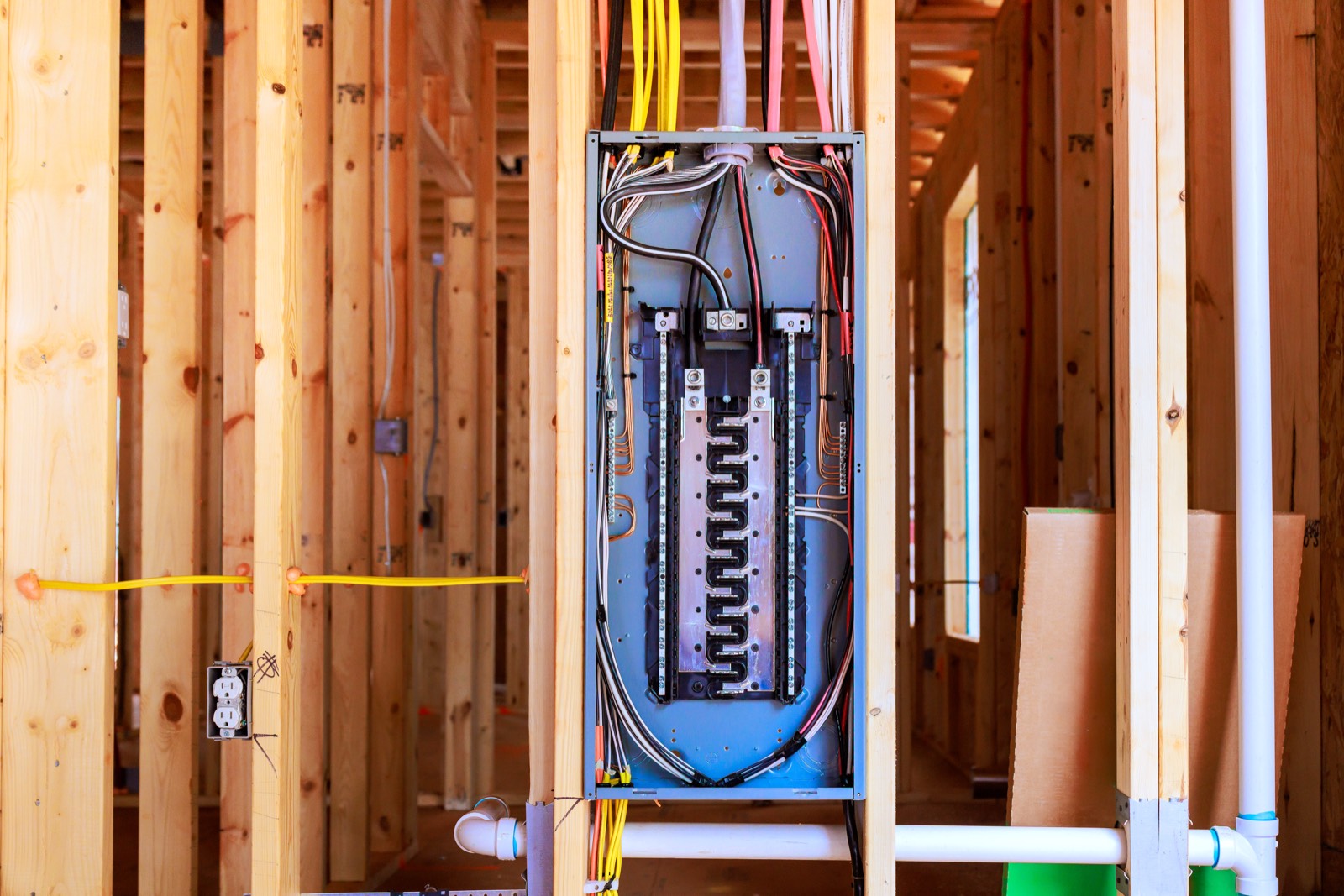
A meter base is not just a box on the wall. It is part of the service equipment between the utility supply and your main electrical panel. Replacing it can involve live utility conductors, utility seals, grounding and bonding, service entrance cable, the main disconnect, and sometimes the service mast or meter location.
That is why a stand-alone meter base replacement is quoted in writing after a site visit. The electrician needs to confirm:
- The amperage of the existing service
- Whether the meter base is damaged, rusted, loose, overloaded, or obsolete
- Whether the service is overhead or underground
- Whether the service mast, weatherhead, conduit, or service entrance conductors are also affected
- Whether the existing panel is being kept or upgraded
- Whether the utility will require a layout change before reconnection
- Whether the work is planned, urgent, or storm-damage related
Where published pricing does exist, it is for larger service scopes that commonly include meter equipment:
| Scope | Published cost band | What it usually means for the meter base |
|---|---|---|
| Stand-alone meter base replacement | Quoted in writing after a site visit | Depends on service type, utility requirements, location, and whether other service equipment must be replaced |
| 100A-to-200A panel upgrade in the GTA | $3,200–$4,500 including the panel, labour, ESA permit, and inspection | Often includes service equipment changes needed for the 200A upgrade |
| Upgrading from a 60A fuse panel | $4,000–$6,000 because the service entrance and meter base usually need replacement too | Meter base replacement is commonly part of the larger service upgrade |
| Service mast damage found at the same time | Quoted in writing after a site visit | See the related service mast replacement cost guide for what changes that scope |
| Panel capacity change at the same time | Published panel-upgrade pricing may apply | See our panel upgrade service for the larger service scope |
The important point: a meter base can look like a small part, but the cost is driven by the service configuration around it. A straightforward replacement beside an accessible panel is a different job from a rusted meter socket on a brick wall with an old mast, undersized conductors, and a 60A fuse panel inside.
The utility owns the meter, but the property owner usually owns the meter base
In Ontario, the round or digital meter itself is normally utility-owned. The meter base or meter socket mounted to the building is usually customer-owned equipment. The exact boundary can vary by utility and service type, so it must be confirmed with Toronto Hydro, Alectra, Hydro One, or the local utility before work starts.
A practical way to think about the boundary is:
| Equipment | Usually responsible party | Notes |
|---|---|---|
| Electric meter | Utility | The utility installs, removes, seals, and authorizes the meter |
| Meter seal | Utility | It cannot be cut casually; unauthorized seal removal can create problems with reconnection |
| Meter base or socket | Property owner | Replacement must be done by a licensed electrical contractor and inspected where required |
| Service mast, weatherhead, and attachment hardware | Usually property owner | Requirements vary by utility and service layout |
| Overhead service drop from pole | Utility | The utility controls disconnection and reconnection |
| Main panel and service conductors inside the building | Property owner | ESA notification and inspection may apply |
This boundary matters because homeowners sometimes call the utility first and are told the meter base is their responsibility. That does not mean the electrician can simply remove it while the service is live. The utility still controls the meter, the seal, and the supply conductors.
For planned work, we arrange the correct sequence: utility disconnect, licensed electrical replacement, ESA inspection or connection authorization where required, and utility reconnection. For urgent damage, the utility may make the site safe first, then the repair and inspection process follows.
For a deeper rule-focused explanation, read our guide to meter base replacement rules in Ontario.
The price changes when the meter base is not the only problem
The lowest-risk quote is the one based on what is actually on the wall, not a phone guess. Meter equipment fails for different reasons, and each one changes the job.
Common cost drivers include:
- Rust or water entry. A rusted socket can mean water has travelled through the hub, conduit, wall penetration, or service entrance. The repair may need more than the meter base.
- Loose jaws or heat damage. Burn marks, melted insulation, or a loose meter can indicate poor contact inside the socket. That can require replacement before the utility will reconnect.
- Storm or vehicle damage. A pulled mast, cracked meter base, or detached service can involve both meter and mast work, plus utility scheduling.
- Old 60A or fuse service. If the service entrance is outdated, the meter base may not be worth replacing like-for-like. A larger upgrade may be the proper route.
- 100A to 200A conversion. A new 200A panel may require service conductors, meter equipment, grounding, bonding, and utility approval that match the larger service.
- Underground service. Underground laterals can involve different utility rules, meter cabinets, conduit, trenching, or civil repair.
- Exterior finish. Brick, stucco, siding, stone, and tight side-yard access affect how the new base is mounted and sealed.
- Relocation. Moving a meter is not just replacement. Utility clearance, accessibility, conductor routing, and service layout all have to be approved.
The quote should also state what is included. For a properly scoped meter base replacement, look for:
- ESA notification where required
- Utility disconnect/reconnect coordination
- New approved meter base matched to the service
- Proper connectors, hubs, conduit, grounding and bonding work as needed
- Weather sealing around the exterior penetration
- Labelling where applicable
- Cleanup of removed equipment
- Written documentation for the homeowner, property manager, or insurer
If the panel is also old, full, damaged, or undersized, it may be more practical to price the meter base as part of a full electrical panel upgrade rather than repair one outdated piece of the service.
ESA notification and utility reconnection control the schedule
A meter base replacement is one of those jobs where the electrical work may be only part of the timeline. The power cannot be safely interrupted and restored without the proper utility and ESA process.
The typical planned sequence is:
- Site visit and quote. We inspect the meter base, panel, grounding, service conductors, mast or underground entry, and utility layout.
- Scope confirmation. We confirm whether it is a like-for-like replacement, part of a 200A upgrade, part of a 60A fuse-service replacement, or an emergency repair.
- ESA notification. Where required, the job is filed with the Electrical Safety Authority before the work proceeds.
- Utility disconnect booking. Toronto Hydro, Alectra, Hydro One, or the applicable local utility must be coordinated for the service disconnect. Local utilities may have different booking rules and availability.
- Replacement work. The old meter base is removed, the new one is installed, service conductors and grounding/bonding are completed as scoped, and the installation is made ready for inspection.
- ESA inspection or connection authorization. The inspector verifies that the installation is safe and compliant for reconnection.
- Utility reconnect. The utility returns, installs or reseats the meter, seals it, and energizes the service.
For a planned job, the goal is usually to coordinate the outage, electrical work, inspection, and reconnection as tightly as possible. Same-day reconnection may be possible when the job is ready, the utility appointment is aligned, and the installation passes. It is not something a contractor should promise blindly, because utility availability, inspection timing, damaged equipment, weather, and access can all affect the day.
Emergency cases move differently. If a meter base is arcing, pulled off the wall, smoking, flooded, or visibly burned, the first step is making the site safe. That may mean the utility disconnects immediately and the building remains without power until the licensed repair, ESA process, and reconnection are complete.
If you are comparing this with a general inspection, note that a home electrical inspection is a diagnostic visit, while a meter base replacement is service equipment work. Our electrical inspection cost guide explains the difference in scope.
The ESA inspection focuses on service safety, not just the new box
The ESA inspection is not only a glance at the new meter base. The inspector is looking at the service installation that will be energized by the utility.
On a meter base replacement, the inspection may include:
- Correct meter base rating for the service
- Proper conductor size and termination
- Suitable weatherproof fittings and hubs
- Secure mounting and mechanical protection
- Grounding and bonding condition
- Clearance and accessibility around the meter
- Service mast, conduit, or raceway condition if affected
- Panel connection and service disconnect arrangement
- Labelling and workmanship
- Whether the installation matches the filed scope
This is why cutting corners at the meter base is risky. A loose neutral, improper hub, corroded grounding connection, or mismatched service equipment can delay reconnection. It can also create a real hazard after the service is energized.
Older homes need extra attention. We often see meter equipment paired with fuse panels, mixed amateur repairs, deteriorated service entrance cable, or additions that outgrew the original service. In those homes, replacing the meter base alone may solve the immediate damage but not the larger capacity or safety issue.
If new circuits, a subpanel, EV charging, a hot tub, or a basement suite are part of the plan, the meter base conversation should happen alongside the service calculation. For example, adding a subpanel does not create more utility capacity by itself; it only distributes power from the existing service. Our subpanel installation cost guide explains when a subpanel helps and when a service upgrade is the better answer.
To get an accurate quote, send photos but expect a site visit
Photos are useful for triage, especially if the meter base is damaged after wind, ice, construction, or a vehicle impact. A good first set of photos includes:
- The full meter area from several metres back
- A close photo of the meter base and any rust, burn marks, cracks, or pulled hardware
- The overhead mast and weatherhead, if present
- The main electrical panel with the door open
- The panel label showing amperage, if visible
- The area between the meter and panel
- Any utility notice, ESA notice, or insurance letter
But photos do not replace an on-site quote. The electrician still needs to verify service size, conductor condition, grounding, access, wall construction, and whether the utility will require additional changes before reconnection.
Call City Power Electrical Services at 416-837-4038 if your meter base is damaged, loose, rusted, or flagged by the utility or insurer. We provide free written estimates, coordinate ESA notifications where required, arrange the utility steps, and clean up after the work. City Power serves Toronto and the GTA, including North York, Scarborough, Etobicoke, Mississauga, Brampton, Markham, Vaughan, Richmond Hill, Pickering, Ajax, Whitby, Oshawa, Oakville, Burlington, Hamilton, and surrounding areas.
If the meter base replacement is part of a larger capacity issue, start with our panel upgrades page. If you are comparing multiple electrical projects, the City Power blog has related Ontario cost guides and planning articles.
Want a licensed electrician to take a look?
Free written quote, usually the same day. ESA permits handled.