Code, permits & compliance
Meter Base Replacement Rules Ontario
In Ontario, a meter base is not replaced casually: it must meet the Ontario Electrical Safety Code, ESA notification requirements, and the local utility’s service standards. Replacement is usually triggered by a service upgrade, corrosion, physical damage, or a utility requirement before reconnection.
The rule: the meter base must satisfy both the OESC and the utility
A meter base replacement in Ontario must be installed by a qualified electrical contractor, inspected where required by the Electrical Safety Authority, and accepted by the local utility before the meter is reinstalled or energized.
That is the key point many homeowners miss. The meter base sits at the boundary between the customer’s electrical service equipment and the utility’s metering system. The electrician cannot simply swap the box and turn the power back on. The local utility controls the meter, the service connection, and the disconnect/reconnect process. ESA reviews the electrical installation for compliance with the Ontario Electrical Safety Code.
Replacement is commonly triggered by one of four situations:
- A service upgrade, such as moving from 100A to 200A, where the existing meter base is not rated for the new service.
- Corrosion, water entry, overheating, broken lugs, cracked jaws, or physical damage to the enclosure.
- A utility deficiency, such as a meter location, height, conduit, mast, or service layout that no longer meets its current standard.
- Related service work, such as replacing an old fuse service, damaged mast, undersized conductors, or obsolete panel equipment.
Utility requirements can differ across Toronto Hydro, Alectra, Hydro One, Elexicon, Oshawa Power, Oakville Hydro, Burlington Hydro, and other GTA utilities. One utility may require a specific meter base layout, bypass type, mast detail, or service entrance arrangement that another utility handles differently. The OESC sets the electrical safety baseline; the utility adds its own service standard for connection.
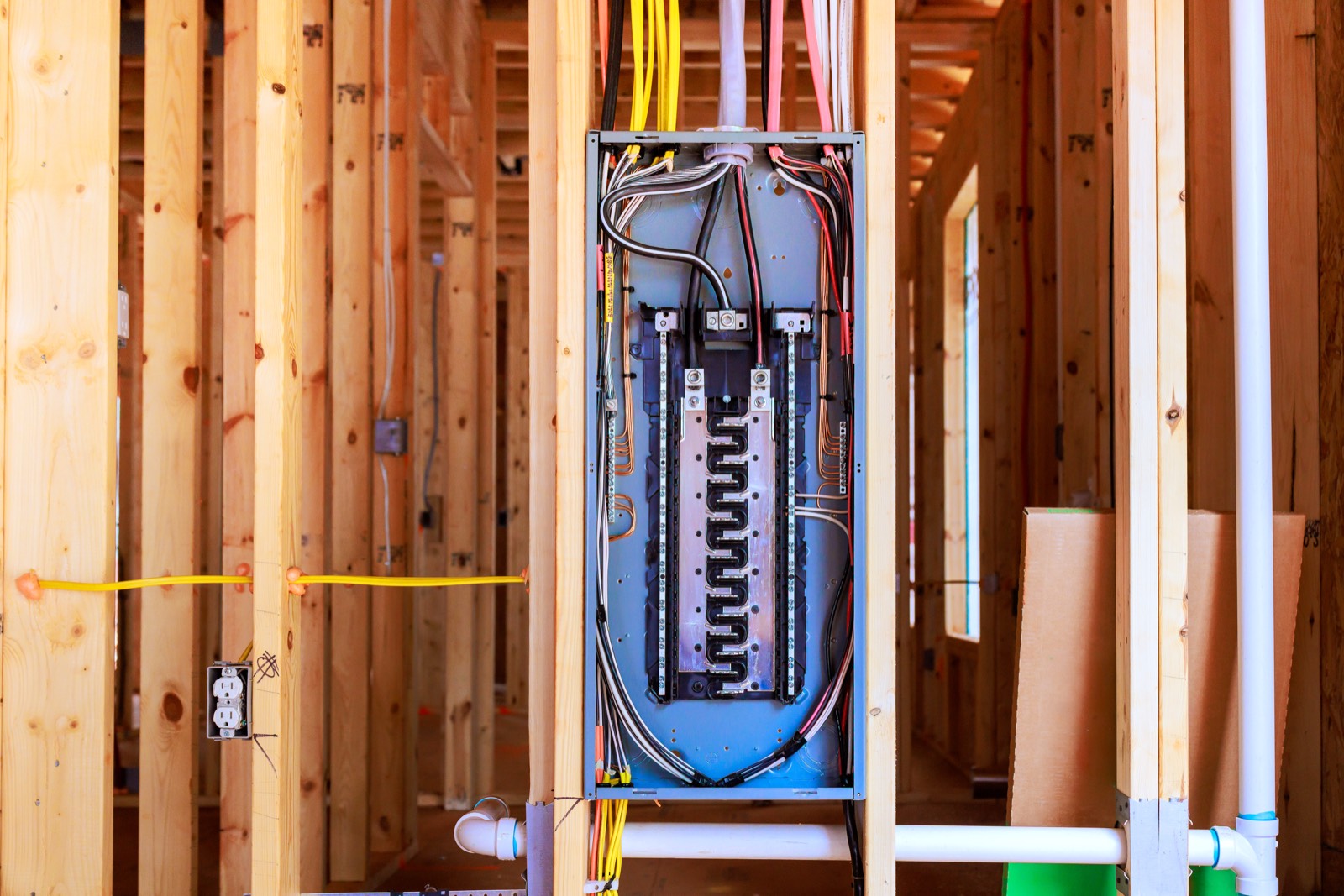
For homeowners planning a larger upgrade, the meter base is often reviewed with the panel, service mast, grounding, and service entrance conductors as one system. That is why meter work is usually tied to a panel upgrade, not treated as an isolated cosmetic replacement.
What replacement requires in practice
A compliant meter base replacement requires utility coordination, an ESA notification, correct service equipment, and a safe reconnect sequence.
In a typical GTA job, the process starts with a site review. The electrician confirms the existing service size, panel rating, service mast condition, grounding and bonding, meter location, conduit route, and whether overhead or underground service rules apply. The new meter base must match the planned service capacity and the utility’s accepted equipment standard.
The role split matters:
- The licensed electrical contractor assesses the installation, supplies and installs the customer-owned service equipment, files the ESA notification where required, and corrects any deficiencies.
- ESA inspects the electrical work under the Ontario Electrical Safety Code and issues acceptance when the installation passes.
- The local utility disconnects and reconnects the service, removes and reinstalls the meter, and confirms the service connection meets its requirements.
Homeowners should not cut meter seals, pull meters, modify service conductors, or open utility-side equipment. That work requires utility involvement. Unauthorized meter work can delay reconnection and create a serious shock, arc flash, or fire hazard.
The physical replacement may include more than the meter socket itself. A proper review checks:
- The service mast, weatherhead, attachment point, and overhead clearances.
- Rigid conduit, service entrance fittings, hub, and drip protection.
- Grounding electrode conductor, water pipe bonding where applicable, and bonding jumpers.
- Main panel rating, main breaker size, service conductors, and available panel space.
- Working space, mounting height, outdoor weatherproofing, and physical protection.
If the meter base failed because of water, corrosion, or heat, the cause has to be corrected. Installing a new box onto a leaking hub, loose service mast, or damaged conduit only moves the failure forward.
If you are early in planning, our Meter Base Replacement Cost Ontario guide explains the price factors. The exact scope should still be quoted in writing after a site visit.
Common mistakes and how they are caught
The most common mistake is treating the meter base as a one-for-one hardware swap when the whole service has to comply.
That mistake shows up quickly during ESA inspection or utility reconnect. For example, a homeowner may ask for a 200A panel while the existing meter base, service conductors, mast, or utility service are still arranged for a smaller service. In that case, the new panel rating alone does not make the service compliant.
Other common issues include:
- Installing a meter base that is not accepted by the local utility for that service type.
- Leaving a deteriorated mast, rusted hub, loose conduit, or damaged weatherhead in place.
- Failing to update grounding and bonding when the service equipment is replaced.
- Mounting the meter in a location that creates access, clearance, or utility service problems.
- Mixing old and new service equipment without verifying ratings from the utility point through to the main panel.
- Assuming Toronto Hydro rules are identical to Alectra, Hydro One, or another GTA utility.
ESA catches electrical code issues through the notification and inspection process. The utility catches service-standard issues before reconnecting or setting the meter. Either one can require corrections before power is restored.
Timing is also important. A service disconnect can leave the property without power while the meter base, mast, panel, or grounding work is completed and inspected. The schedule has to align the electrician, ESA inspection window, and utility reconnect appointment. For complex work, that coordination matters as much as the installation itself.
For a step-by-step explanation of notification timing, see our ESA Notification Process Ontario guide.
What inspection, sale, or insurance review looks for
At inspection, sale, or insurance review, the question is whether the service equipment is safe, rated correctly, and documented.
ESA is looking at the electrical installation under the Ontario Electrical Safety Code. That can include conductor sizing, overcurrent protection, grounding and bonding, weatherproofing, equipment ratings, workmanship, and whether the work matches the notification. The utility is looking at the meter installation, service connection, access, and its own metering standard.
At resale, an old or visibly damaged meter base can become a negotiation issue, especially if the buyer’s inspector sees corrosion, a leaning mast, water staining, an obsolete fuse panel, or a service size that does not match modern use. A home inspector may flag the concern, but a licensed electrician is the right person to assess the service equipment and identify the actual correction.
Insurance review can raise similar issues. Insurers may ask about service amperage, fuse panels, unpermitted electrical changes, aluminum wiring, knob-and-tube wiring, or evidence of overheating. The meter base itself is rarely the only concern; it is often part of a broader service-condition question.
Documentation helps. If ESA inspection applies, keep the certificate or acceptance record with your home file. Our ESA Certificate of Acceptance Ontario guide explains what that document is used for and why buyers, insurers, and future contractors may ask for it.
Condo buildings and multi-unit properties add another layer. Meter rooms, stacked meters, tenant disconnects, utility access, and building ownership boundaries can change who approves and pays for what. In those cases, the electrical contractor may need to coordinate with property management, the utility, and sometimes the condominium corporation before work proceeds.
What to do next
The next step is to inspect the whole service, not just the meter base.
If your meter base is rusted, damaged, overheating, blocked by a utility requirement, or holding up a service upgrade, book a site visit before buying equipment or scheduling other trades. The electrician should confirm the utility, service size, meter location, mast or underground service details, grounding, panel rating, and whether ESA notification is required.
A contractor-ready plan should answer these questions:
- Is the meter base being replaced only because it is damaged, or because the service size is changing?
- Does the panel also need replacement or upgrading?
- Are the mast, conduit, weatherhead, hub, and grounding still acceptable?
- Which utility serves the property, and what meter standard applies?
- Who is booking the disconnect, ESA inspection, and reconnect?
- How long will power be off, and what work must be complete before reconnection?
For Ontario meter base replacement work, City Power Electrical Services operates as a Licensed Electrical Contractor under ECRA/ESA #7015314. We serve Toronto and the GTA, file ESA notifications where required, coordinate utility-dependent service work, and provide free written estimates. For older service equipment, the practical route is usually to assess the meter base together with the panel and service entrance through our panel upgrade service or a focused electrical inspection if you are buying, selling, or responding to an insurance request.
If the job is urgent because of visible arcing, burning smell, a damaged mast, storm impact, or loss of power at the meter area, keep clear of the equipment and call for emergency service. Do not touch the meter base or service conductors.
Want a licensed electrician to take a look?
Free written quote, usually the same day. ESA permits handled.
Authorities cited
- Ontario Electrical Safety Code service, grounding and bonding requirements
- Electrical Safety Authority notification and inspection process for electrical work in Ontario
- Local utility service standards, including Toronto Hydro, Alectra, Hydro One and other GTA utilities
Common questions
When does a meter base have to be replaced in Ontario?
It is commonly required when the existing base is damaged, corroded, overheated, not rated for a service upgrade, or rejected under the local utility’s service standard. It may also be replaced as part of panel, mast, grounding, or service entrance work.
Who is allowed to replace a meter base?
The customer-owned service equipment should be replaced by a licensed electrical contractor. ESA inspects the electrical work where required, and the local utility handles the meter, disconnect, reconnect, and service connection requirements.
Can the power be reconnected the same day?
Sometimes, but it depends on the utility schedule, ESA inspection timing, and whether any deficiencies are found. Meter base work should be planned so the electrician, ESA, and utility reconnect are coordinated before power is disconnected.
Do Toronto Hydro and Alectra follow the same meter base rules?
They both operate within Ontario’s electrical safety framework, but their utility service standards can differ. The accepted meter base, mast details, access requirements, and reconnect process must be checked with the utility serving the property.