Local
Condo EV Charging Toronto
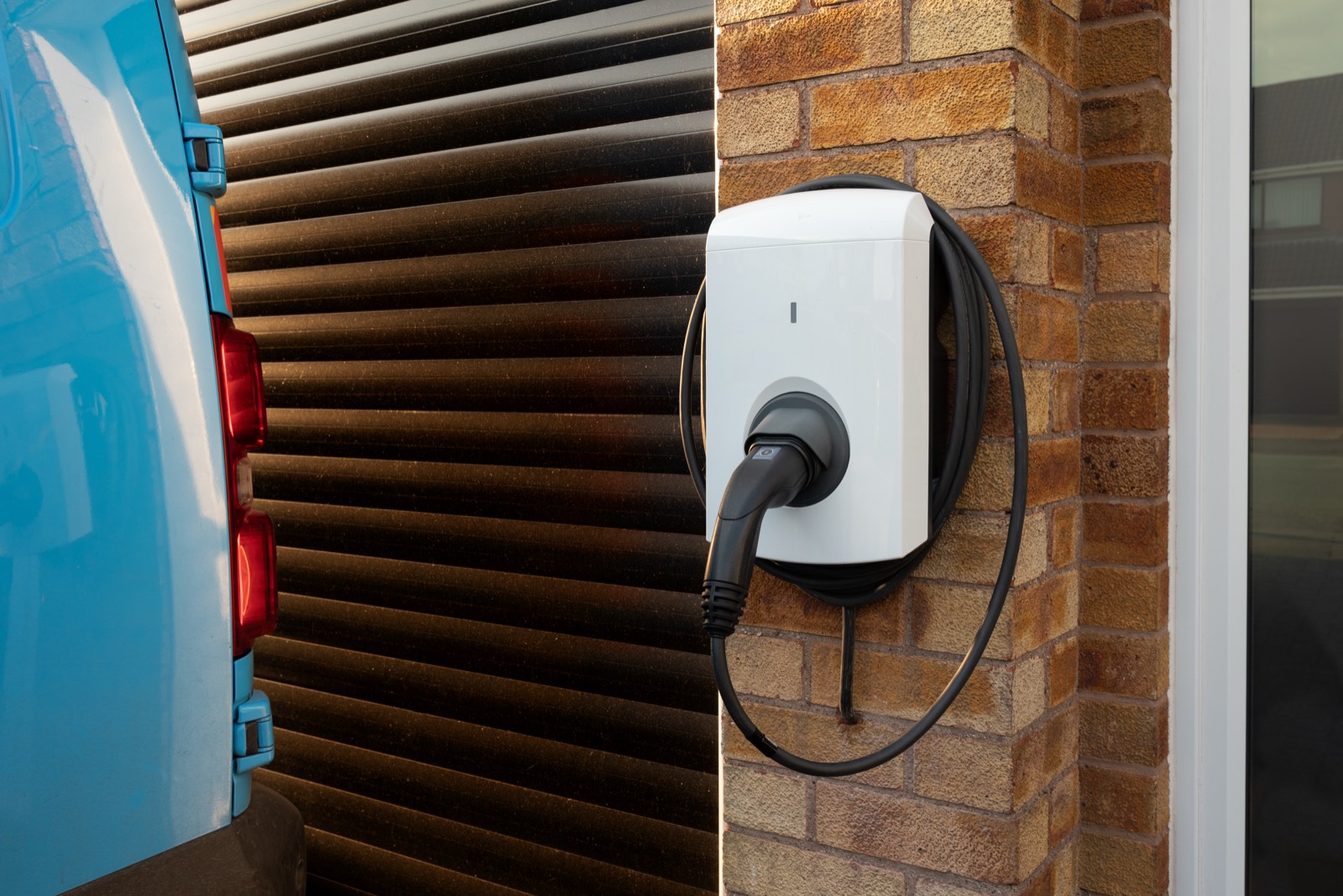
Toronto condo EV charging is not just a charger on a wall. In a detached house, the main questions are panel capacity, wire route and ESA permit. In a condo tower, the bigger questions are board approval, who owns the parking space, where the cable can run, how billing works and whether the garage electrical system can handle one charger now and many more later.
City Power Electrical Services installs EV charging in Toronto and the GTA as a Licensed Electrical Contractor, ECRA/ESA #7015314. For condo work, the electrical scope is only one part of the job. The paperwork and building coordination matter just as much.
Start with the condo approval process, because the board controls the common elements
Ontario condo EV rules require a formal owner request and condo corporation response process, commonly with a 60-day response window. Do not buy the charger first and hope the building will approve it later.
A good owner request should include more than “I want a charger.” The property manager and board usually need enough detail to understand the impact on the building:
- Your unit number and parking space number
- Whether the space is owned, assigned or exclusive-use
- The charger make, amperage and mounting location
- The proposed cable route through the garage
- Whether power comes from your unit meter, a common electrical room or a dedicated EV panel
- How electricity use will be metered and billed
- Confirmation that a licensed electrical contractor will file ESA notification where required
- Insurance, restoration and access details requested by the corporation
Parking ownership is often the first complication. Some Toronto condo owners own the parking unit separately. Others have an exclusive-use space that remains part of the common elements. Some spaces are rented from another owner. Each arrangement changes who must consent and what the condo corporation can require.
Common elements are the second issue. Garage walls, ceilings, cable trays, slab penetrations, electrical rooms and risers are usually controlled by the corporation. Even if the charger is beside your parking stall, the wiring route may pass through areas you do not own. That is why the property manager’s approval is essential before installation.
For owners in older downtown garages, visitor-level parking, tight mechanical rooms and concrete ceilings often make the route more important than the charger. Our EV charger installation service starts with the electrical path, not the product box.
The garage infrastructure decides whether the charger is simple, shared or load-managed
Most Toronto condo garages were not originally built for every parking stall to charge an EV at the same time. A single Level 2 charger may be easy to support. Ten, fifty or two hundred chargers are a different electrical design problem.
The electrician has to look at the building’s service, distribution panels, transformer capacity, garage sub-panels, available breaker spaces, conduit paths and existing loads. In many towers, the limiting point is not the owner’s suite panel. It is the garage electrical room, the house service or the lack of spare capacity in a common distribution board.
Load management solves this problem by controlling how much power EV chargers can draw as a group. Instead of every charger pulling maximum current at once, a managed system shares available capacity across connected vehicles. If only a few cars are plugged in, they can charge faster. If many cars are plugged in overnight, the system reduces or schedules output so the building limit is not exceeded.
That matters in buildings around CityPlace, Liberty Village, Humber Bay Shores, Yonge-Eglinton, North York Centre and Scarborough Town Centre, where multi-level underground garages may have hundreds of stalls. One owner’s charger cannot be designed as if no other owner will ever ask for one.
A condo board may require:
- A building-wide EV charging plan before approving individual installs
- A specific networked charger brand or vendor
- A dedicated EV distribution panel in the garage
- Dynamic load management tied to available building capacity
- Separate revenue-grade metering for billing
- Installation only along approved conduit routes
- Firestopping and concrete restoration where penetrations are permitted
The cleanest projects happen when the building decides whether it wants one-off owner installations, a shared EV backbone, or a full managed charging system. One-off installs can work in smaller buildings, but in larger towers they can create unfair first-come, first-served access to limited capacity.
Metering and billing must be decided before the wire is pulled
Condo EV charging in Toronto usually fails at billing before it fails at the charger. Someone has to pay for the electricity, and the building needs a defensible way to measure it.
There are three common approaches.
| Billing approach | How it works | Where it fits |
|---|---|---|
| From the owner’s suite meter | A circuit is routed from the owner’s electrical panel or meter stack to the parking space | Sometimes possible when the parking space is close and the building allows the route |
| Sub-metered common power | The charger is fed from a common electrical panel and usage is measured separately | Common in shared garages where suite-meter routing is impractical |
| Networked charging platform | The charger tracks user sessions and bills through software or the condo’s chosen system | Useful for buildings planning multiple chargers over time |
Routing power from a suite panel sounds simple, but in high-rise buildings it can be difficult. The suite may be many floors above the parking level. Running conduit through shafts, corridors or fire separations may not be practical or permitted by the condo corporation.
Common power is often more realistic, but it raises billing and fairness questions. The corporation will want to know whether electricity is charged back to the EV owner, included in common expenses, billed through a third-party platform or recovered through a user agreement.
Toronto Hydro serves Toronto buildings, but many condo corporations also deal with embedded metering providers inside the building. In nearby GTA towers, Alectra, Hydro One, Elexicon, Oakville Hydro, Burlington Hydro and Oshawa Power may be involved depending on the municipality. The owner may not be able to call the utility and change the garage setup directly; the corporation or property manager usually controls that account.
If you plan to charge mostly overnight, electricity pricing can affect operating cost. The tariff choice belongs to the account holder, not always the individual EV owner in a condo, so confirm how your building buys and bills power. For a homeowner-focused explanation of overnight EV rates, see our guide to the ULO rate for GTA EV charging.
ESA notification and inspection still apply in a condo garage
A condo board approval is not an electrical permit. EV charger wiring still has to meet the Ontario Electrical Safety Code, and ESA notification and inspection still apply where required.
For a typical Level 2 condo installation, the electrical work may include a 240V branch circuit, breaker, disconnect if required by the installation, conduit, charger mounting, labelling and commissioning. In a garage, the installation also has to respect mechanical protection, moisture, vehicle impact, fire separations and the condo’s approved routing.
The ESA inspection is concerned with electrical safety, not condo politics. The inspector may look at conductor size, breaker size, grounding and bonding, overcurrent protection, GFCI requirements where applicable, equipment ratings, installation method, labelling and whether the charger was installed according to the manufacturer’s instructions.
The property manager may separately inspect common-element restoration: core holes, anchors, conduit supports, firestopping, paint, cleanup and whether the installation matches the approved drawings or sketch. Both reviews matter. Passing one does not automatically satisfy the other.
This is also where the difference between municipal permits and ESA permits causes confusion. A charger installation is normally an electrical job, not a renovation permit issue, but larger garage infrastructure work may involve building management, engineers and sometimes other approvals. Our guide to Toronto renovation permits versus ESA permits explains the difference.
Pricing depends heavily on the building. For a simple condo Level 2 EV charger setup in the GTA — nearby electrical capacity and an accessible panel — expect $800–$1,500 for labour, materials, and the ESA permit. If the condo installation needs a longer cable route or work through finished walls, costs often rise to $1,500–$3,500, plus $500–$1,200 for the charger. For many Toronto condo owners, the complete EV charging project comes in around $1,500 to $3,000. Condo garages can be quoted in writing after a site visit because routing, metering, building rules and load management vary so much.
Hire the electrician after you have the building’s requirements, not after the charger arrives
The best time to involve a licensed electrician is after you have the property manager’s EV package or installation requirements, but before you submit the final owner request. That lets the electrical proposal match what the board actually needs.
For a Toronto condo EV charger, City Power can review the parking space, electrical room access, proposed route, charger requirements and ESA scope. We can also identify whether the building is asking for information that should come from an engineer, metering provider or charger network vendor rather than from the installing electrician.
A practical site visit should answer these questions:
- Where is the nearest suitable electrical source?
- Is there spare panel capacity and physical breaker space?
- Will the building require load management?
- Can conduit be surface-mounted, or does it need an approved tray or sleeve?
- Are there fire separations or concrete penetrations on the route?
- How will electricity be metered and billed?
- Who provides access to electrical rooms and parking levels?
- What documents does the condo corporation need before work starts?
Condo buildings in Downtown Toronto often have dense underground parking, shared electrical rooms and strict loading-dock booking rules. Buildings in Midtown Toronto may include a mix of older rental-conversion towers, 1980s condos and newer high-rises with different levels of EV readiness. The electrical answer changes by building, not just by neighbourhood.
We provide free written estimates, file ESA notifications where required, arrange inspection, and clean up after the work. For condo EV charging in Toronto, call 416-837-4038 or send the property manager’s EV requirements so the quote can reflect the building’s actual approval process.
Want a licensed electrician to take a look?
Free written quote, usually the same day. ESA permits handled.