Answered by a licensed electrician
Is it safe to reset breakers repeatedly?
Quick answer
No. A breaker that trips more than once is telling you there is an overload, short circuit, ground fault, arc fault, or failing breaker. Reset it once only after unplugging likely loads; if it trips again, leave it off and call an electrician. If the root issue is an undersized service, a 100A-to-200A upgrade in the GTA is typically $3,200–$4,500 including ESA permit and inspection.
No — repeated breaker resets are a warning, not a fix
No, it is not safe to keep resetting a breaker that trips repeatedly. The breaker is doing its job: opening the circuit before the wiring overheats or a fault continues to feed power into damaged equipment.
A circuit breaker is an overcurrent protection device. In plain terms, it is sized to protect the wire connected to it. A 15A breaker normally protects 14 AWG copper branch-circuit wiring; a 20A breaker normally protects 12 AWG copper. If more current flows than the circuit is designed for, or if a fault creates a sudden current spike, the breaker trips so the wire inside the wall does not become the weak point.
Most household breakers react to two different problems:
- Overload: too much normal load on the circuit, such as portable heaters, microwaves, kettles, dehumidifiers, or several tools running together.
- Short circuit or ground fault: current takes an unintended path because insulation is damaged, a conductor touches metal, moisture is present, or an appliance has failed.
- Arc fault, on AFCI-protected circuits: the breaker senses arcing patterns that can happen with damaged cords, loose terminations, pinched cable, or deteriorated wiring.
One reset can be reasonable if you know what changed: for example, a vacuum and a heater were on the same bedroom circuit, you unplugged one, and the breaker holds. Repeated resets are different. Each trip means heat, stress, or fault current has already occurred. Forcing the breaker back on again may energize a damaged cable, overheated device, or failing appliance.
If the breaker will not stay on at all, see why a breaker will not reset. If the breaker holds only after you move loads to extension cords, that is not a repair; permanent cord use creates its own risk, especially where cords are hidden under rugs or furniture. Read more on using extension cords permanently.
Leave the breaker off if it trips again
The safe move is to leave the breaker in the OFF position after a second trip and book circuit diagnosis. Do not tape it in place, hold it halfway, replace it with a larger breaker, or keep testing it every few minutes.
Use this sequence:
- Turn off or unplug devices on the affected circuit.
- Reset the breaker once, firmly to OFF and then ON.
- If it trips again, switch it OFF and leave it OFF.
- If you smell burning, see smoke, hear crackling, see water near the panel, or the panel cover is warm or damaged, keep away from the panel and call for emergency service.
- If the trip involves a fridge, sump pump, furnace, medical equipment, or other critical load, call sooner rather than trying workarounds.
Repeated resets can overheat weak connections. A breaker trips quickly during a hard short, but overloads can take time. During that time, heat builds at the hottest point in the circuit: a backstabbed receptacle, a loose neutral, a damaged cord cap, an old splice, or a breaker connection to the panel bus. The person at the panel may see only a handle moving, while the real problem is in a device box upstairs.
Do not solve a tripping breaker by installing a higher-amp breaker. If a 15A circuit is changed to 20A without confirming the wire size, device rating, and full circuit condition, the breaker may stop tripping because the wire is now the fuse. That is the opposite of what the Ontario Electrical Safety Code is designed to prevent.
Also be careful with space heaters. A portable heater can draw most of a 15A circuit by itself. A power bar does not add capacity; it only adds more receptacle openings. If this is part of the pattern, see whether power bars are safe for space heaters.
The cause is usually overload, a fault, a damaged appliance, or a panel issue
Most repeat trips come from one of a few categories, and the repair depends on which one is true. Guessing from the panel handle alone is unreliable because different faults can look the same to a homeowner.
| What you notice | Likely issue | Safe next step |
|---|---|---|
| Breaker trips only when several devices run together | Circuit overload | Reduce load and have an electrician assess whether a dedicated circuit is needed |
| Breaker trips instantly when reset | Short circuit, ground fault, or failed breaker | Leave it off and book diagnosis |
| Breaker trips when one appliance is plugged in | Appliance or cord fault | Stop using that appliance until it is checked or replaced |
| AFCI or GFCI breaker trips with no obvious overload | Arc fault, ground leakage, shared neutral, moisture, or wiring defect | Leave it off if it repeats; testing is needed |
| Breaker trips after renovation, new lighting, or added receptacles | Miswired device, nicked cable, overloaded circuit, or unpermitted work | Have the circuit inspected before using it |
| Breaker trips after adding EV charging, a hot tub, or a large appliance | Load calculation or circuit sizing issue | Confirm the equipment has the correct dedicated circuit and protection |
A dedicated load matters. EV chargers, ranges, dryers, hot tubs, many HVAC loads, and some kitchen equipment cannot safely share a general-purpose circuit. If the tripping started after vehicle charging was added, compare your setup with dedicated breaker requirements for EV chargers.
Panel space can also mislead people. A crowded panel does not automatically mean a home is unsafe, but adding twin or tandem breakers in the wrong panel position can create code and loading problems. Tandems must be allowed by the panel manufacturer and installed only where the panel label permits them. See when tandem breakers are allowed before assuming they are a simple fix.
Circuit diagnosis means testing the fault, not just swapping the breaker
A proper repair starts by proving why the breaker tripped. Replacing the breaker may be part of the work, but it should not be the first guess unless testing shows the breaker is defective or incompatible.
On a repeat-trip call, City Power checks the circuit from the panel outward. City Power Electrical Services is a Licensed Electrical Contractor, ECRA/ESA #7015314, and provides 24/7 emergency service across Toronto and the GTA.
Typical diagnosis includes:
- Confirming the breaker rating matches the conductor size and the panel label.
- Checking whether the breaker is the correct type and brand for that panel.
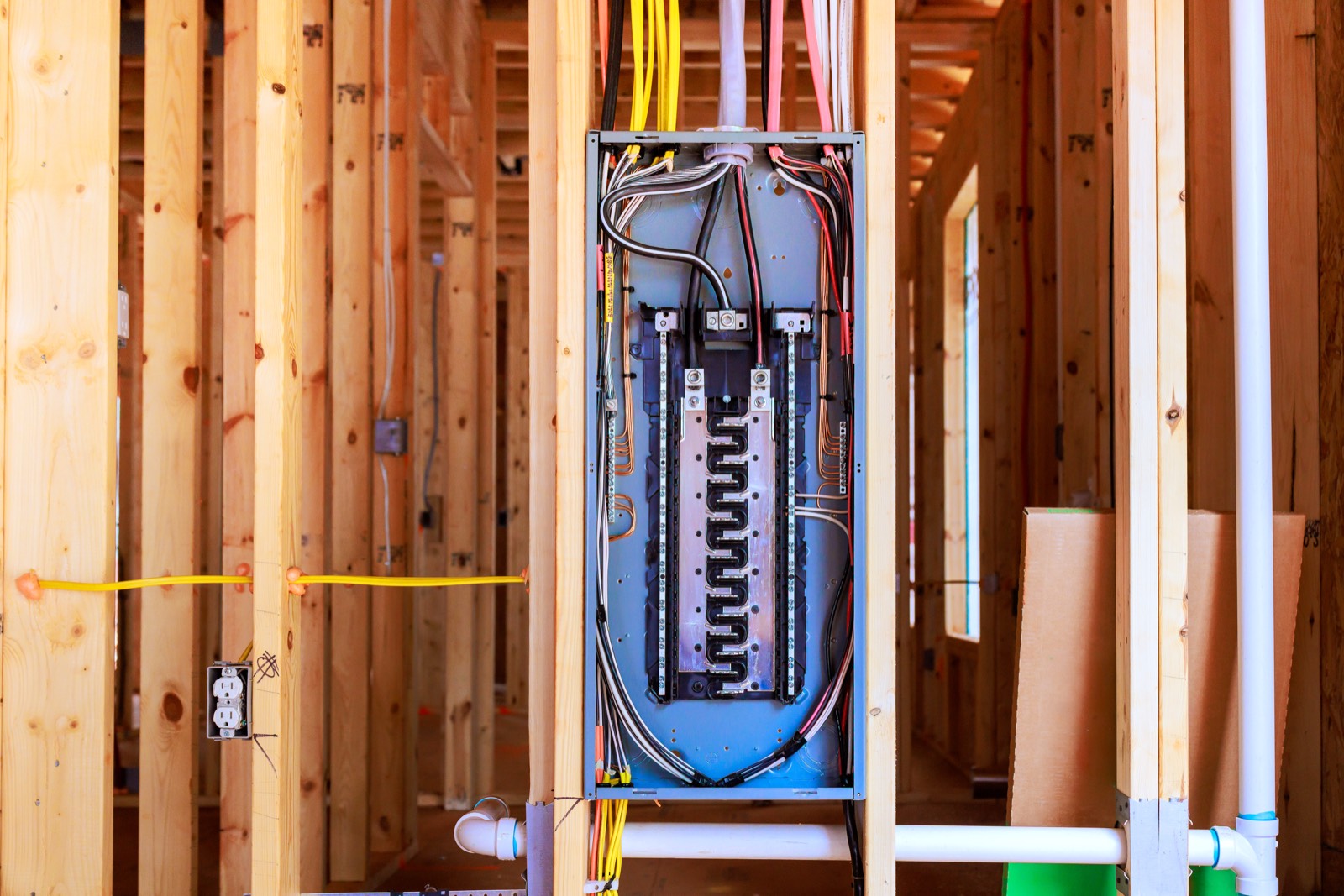
- Looking for heat damage, arcing marks, discolouration, loose lugs, and bus damage in the panel.
- Measuring load with the circuit operating, where it is safe to energize.
- Isolating appliances and downstream devices to see when the trip appears.
- Testing receptacles and switches for loose terminations, reversed polarity, open ground, shared neutrals, or damaged insulation.
- Checking AFCI/GFCI trip behaviour where those protective devices are installed.
- Looking for recent renovations, basement work, outdoor additions, or DIY splices that may have changed the circuit.
If the circuit cannot be safely energized, the electrician works with the breaker off and tests continuity, insulation, and device connections section by section. The goal is to find the first unsafe condition, repair it, and then test under load.
ESA notification may be required when the repair goes beyond like-for-like troubleshooting, such as adding a new circuit, replacing a panel, correcting significant wiring, or changing service equipment. Where required, the job should be filed and inspected. A written diagnosis is also useful for insurance, real estate files, landlords, condo boards, or a future panel upgrade decision.
A panel upgrade is needed when the tripping points to capacity, condition, or service limitations
A panel upgrade is not the answer to every tripping breaker, but it is the right answer when the panel or service is part of the problem. If one bedroom circuit is overloaded by plug-in heaters, a new dedicated circuit may solve it. If the whole service is at its limit, the panel is damaged, or the home has no room for properly protected new loads, the fix may be larger.
Common signs the diagnosis may lead to a panel upgrade include:
- A 60A fuse service or older panel that no longer suits the home’s actual loads.
- A full 100A panel with no legal space for new circuits.
- Burn marks, corrosion, overheating, or loose breaker-to-bus contact inside the panel.
- Repeated nuisance trips after major loads were added, such as EV charging, electric heating, a hot tub, or a finished basement.
- Breakers that are the wrong type for the panel, doubled-up conductors where they are not permitted, or unsafe add-ons used to create space.
- A load calculation showing the service is undersized for the connected equipment.
When a 100A-to-200A service upgrade is the correct repair path, GTA homeowners typically budget $3,200–$4,500 for the panel, labour, ESA notification, and inspection. If the home is being upgraded from a 60A fuse panel, the work is usually more involved because the service entrance and meter base often need replacement too; that commonly puts the project in the $4,000–$6,000 range.
Do not wait for the breaker to “prove it” one more time. A breaker that trips repeatedly has already identified an unresolved electrical problem. Leave it off, protect the people in the home, and have the circuit diagnosed before it becomes damaged wiring, a failed appliance, or a panel repair under emergency conditions.
For more homeowner safety answers, start with the electrical answers hub.
Want a licensed electrician to take a look?
Free written quote, usually the same day. ESA permits handled.
People also ask
How many times can I safely reset a breaker?
Reset it once after turning off or unplugging likely loads. If it trips again, leave it off. A second trip means the circuit still has an overload, short, ground fault, arc fault, or failing component. Repeated resets add heat and stress without fixing the cause.
Can repeatedly tripping a breaker damage it?
Yes. Breakers are built to trip, but repeated fault clearing and overheating can weaken the mechanism or damage the connection to the panel bus. More importantly, the wiring, receptacle, splice, or appliance causing the trip may be heating each time you reset it.
Should I replace the breaker if it keeps tripping?
Only after diagnosis. A bad breaker is possible, but many repeat trips are caused by overloaded circuits, damaged cords, loose receptacle connections, moisture, or wiring faults. Replacing the breaker without testing can hide the real problem, especially if the wrong breaker type or rating is installed.
When should I call an emergency electrician for a tripping breaker?
Call urgently if the breaker trips repeatedly, will not stay on, feeds critical equipment, or is associated with burning smell, smoke, crackling, water, heat, discolouration, or panel damage. Keep the breaker off until it is checked. Do not use extension cords as a permanent workaround.