Answered by a licensed electrician
Are power bars safe for space heaters?
Quick answer
No. A space heater should plug directly into a suitable wall outlet, not a power bar or extension cord. A 1,500 W heater draws about 12.5 amps on a 120 V circuit, which is most of a standard 15 amp branch circuit. If breakers trip, stop using the heater and have the circuit assessed.
No. A space heater should be plugged directly into a suitable wall outlet, not into a power bar, cube tap, extension cord, smart plug, timer, or surge protector.
A typical portable space heater can draw 1,500 W. On a 120 V household circuit, that is about 12.5 amps before anything else on the circuit is counted. On a 15 amp circuit, the heater is already using most of the available capacity. Add a lamp, computer, television, dehumidifier, or another room sharing the same breaker, and the circuit can overload.
The risk is not only the breaker. Power bars add extra contact points, a small on/off switch, internal bus bars, and sometimes surge-protection components that were not meant to carry a heater load for hours. When any connection is slightly loose, worn, dusty, corroded, or bent, resistance rises and heat builds at the plug or power bar body. That is how melted plastic, scorched blades, and fires start.
If you are using a heater because one room is cold, treat the wiring like part of the heating system. A properly placed receptacle on a circuit that can handle the load is safer than a temporary tangle of cords.
Plug the heater directly into the wall because the heater is already a heavy load
A 1,500 W heater is near the practical limit for a standard 15 amp circuit, so the safest setup is a direct connection to a wall receptacle that grips the plug firmly.
Before plugging in the heater, check the basics:
- The receptacle is not cracked, loose, painted shut, or damaged.
- The heater plug fits tightly and does not sag or fall out.
- The heater cord is fully uncoiled and not under a rug, mat, sofa, bed, or door.
- The heater sits on a stable surface with clear space around it.
- The plug is the correct type; never remove a ground pin from a three-prong heater.
- The heater is not sharing the receptacle with another high-load appliance.
Power bars are tempting because they move the connection closer to the cold spot. That convenience is exactly the problem. The heater now depends on the wall receptacle, the power bar plug, the power bar cord, the internal bar, the switch, and the heater plug connection. Each point can heat up under a long, steady load.
A power bar rated for electronics is not a heater circuit. It may be fine for a router, laptop charger, desk lamp, or phone charger, but a space heater is a resistive load that pulls high current continuously while it is heating. If the heater cycles on and off, the connection still sees repeated high-load heating cycles.
If the only wall outlet is across the room, the answer is not a heavier power bar. The answer is usually a better receptacle location or a dedicated branch circuit. See our dedicated circuit installation service if the room needs a safe, permanent heating load.
Stop using it immediately if the power bar, plug, or breaker shows stress
If you see heat damage, smell burning plastic, hear crackling, or the breaker trips, unplug the heater and stop using that setup. Do not try a different power bar and do not keep resetting the breaker.
The warning signs are usually specific:
| What you notice | What it can mean |
|---|---|
| Power bar feels hot near one socket | Loose internal contact or overload at that point |
| Heater plug blades look dark or pitted | Arcing or overheating at the connection |
| Plastic smells sharp or burnt | Insulation or device body may be overheating |
| Breaker trips after 10 to 30 minutes | Load is too high or a connection heats as the heater runs |
| Lights dim when the heater starts | Voltage drop on a loaded circuit or long run |
| Power bar switch flickers or feels loose | Worn switch carrying heater current |
If there is smoke, visible melting, sparking, or a burning smell that does not clear after unplugging the heater, treat it as urgent. Turn off the affected breaker if it is safe to do so and keep clear of the damaged device.
City Power Electrical Services is a Licensed Electrical Contractor, ECRA/ESA #7015314, with 24/7 emergency service from North York for Toronto and the GTA; call 416-837-4038 if a heater, power bar, or receptacle has overheated and you need it made safe.
A tripped breaker is doing its job. It is telling you the circuit cannot safely carry what is being asked of it, or that a fault needs diagnosis. If one room goes dead after a heater trip, the issue may be a breaker, GFCI, connection, or shared circuit; this guide on why one room lost power explains the first checks.
A dedicated circuit is the right fix when the room needs regular electric heat
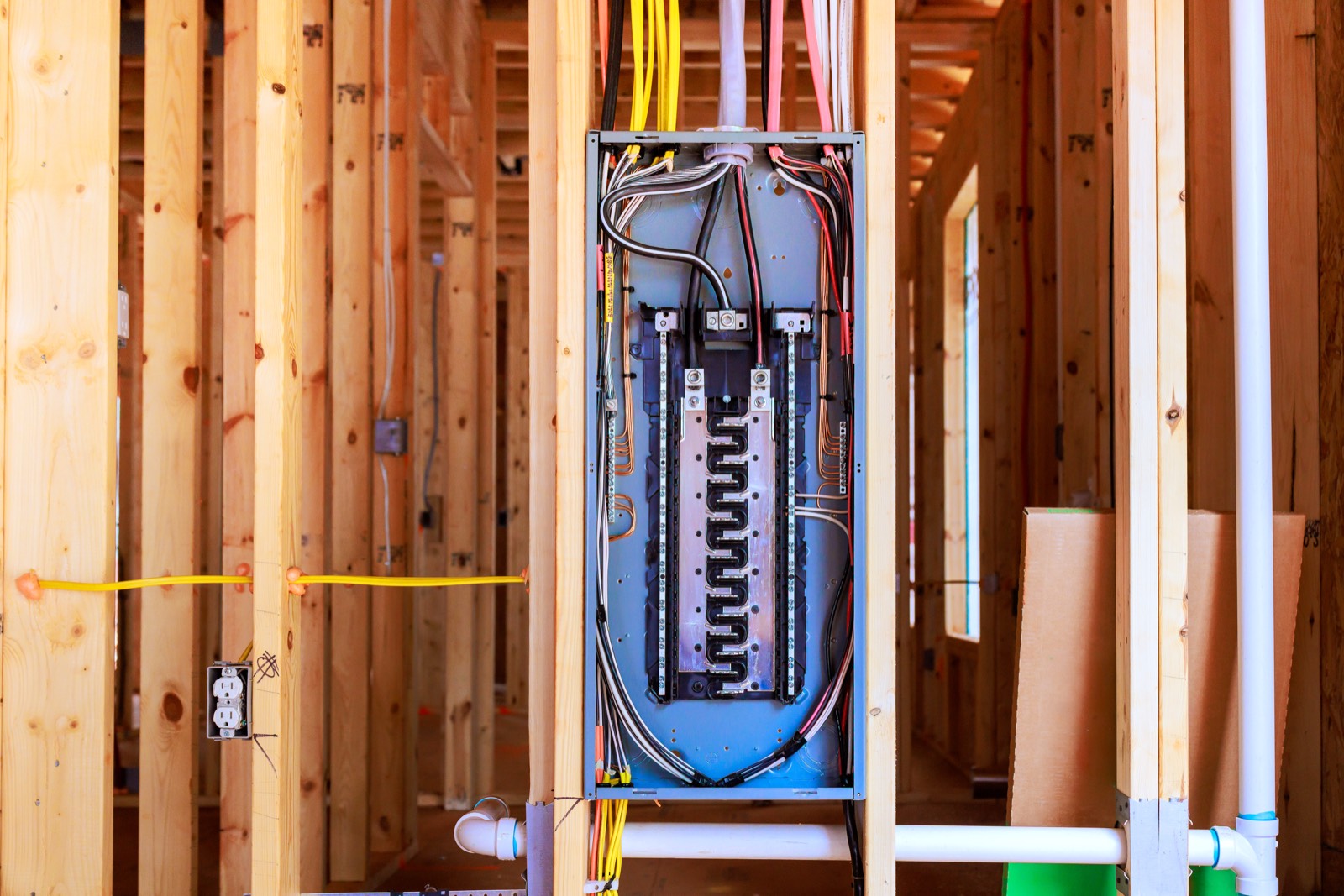
If you rely on a portable heater every day, a dedicated circuit or panel assessment is the safer permanent answer. The electrician checks whether the existing circuit is overloaded, whether the panel has capacity, and whether a new circuit can be run to the room.
For a typical 20 amp dedicated circuit from the panel, expect the electrical work to be in the $250–$500 range when the route is straightforward. Heavier 30 amp to 50 amp circuits are more, usually $400–$900, depending on distance and finished-wall access. If the heater problem is a symptom of an undersized panel, the panel has to be assessed before adding more load.
For a space-heater situation, a site assessment usually looks at:
- Which breaker feeds the receptacle and what else is on that circuit.
- Whether the receptacle is on a 15 amp or 20 amp branch circuit.
- Whether the breaker size matches the wire size.
- Whether the receptacle is worn, backstabbed, loose, or discoloured.
- Whether AFCI or GFCI protection is required for the location under current rules.
- Whether the panel has physical breaker space and electrical capacity for another circuit.
- Whether the route from the panel can be fished cleanly without surface cord work.
Where ESA notification is required, we file it and the work is inspected. For a new branch circuit, the inspection is not just paperwork. The inspector may verify the breaker, conductor size, device box, grounding and bonding, support and protection of cable, and whether the finished installation matches the Ontario Electrical Safety Code.
This matters in older Toronto and GTA homes where one bedroom, hallway, and part of another room may share a single circuit. A heater may work fine until someone starts a vacuum, laser printer, kettle in an adjacent room, or window air conditioner on the same branch. The breaker trip looks random, but the circuit map usually explains it.
Do not make temporary cords permanent because the hazard gets worse over time
Extension cords and power bars become more dangerous when they are left in place as if they were building wiring. A cord that seemed fine on the first night can loosen, kink, collect dust, get crushed by furniture, or heat under a rug over the season.
Portable heaters should never be run through:
- A coiled extension cord.
- A cord under carpet or a door threshold.
- A power bar with other devices connected.
- A cube tap or multi-outlet adapter.
- A smart plug or plug-in timer not specifically rated for that load.
- A damaged two-prong receptacle with an adapter.
- An outlet that no longer holds plugs tightly.
If the heater is being used because the main heating system cannot keep up, the electrical fix may only be part of the solution. But electrically, the goal is simple: one heater, one suitable wall outlet, on a circuit that can carry the load without nuisance tripping or overheated connections.
If you are asking because the power bar already failed, do not reuse the same heater until its plug and cord are checked. A damaged plug can overheat the next receptacle too. If the receptacle was affected, it should be opened and inspected, not just wiped clean.
For related safety situations, read whether extension cords are safe for permanent use and whether it is safe to reset breakers repeatedly. If your specific concern is leaving a portable heater on while sleeping, see are space heaters safe to run overnight.
The safest next step depends on what happened
If nothing is damaged and you simply wanted to know whether a power bar is acceptable, unplug it and use a suitable wall outlet instead. If the wall outlet is not in the right place, get a proper receptacle or circuit installed rather than stretching cords across the room.
If the breaker trips once, unplug the heater and reduce the load on that circuit. If it trips again with the heater as the only load you know about, book an electrical diagnosis. If it trips instantly, will not reset, or there is heat damage, leave the breaker off and call for service.
A practical decision guide:
| Situation | Safer next step |
|---|---|
| Heater was plugged into a power bar but nothing is damaged | Stop using the power bar and plug directly into a suitable wall outlet |
| Breaker trips when the heater runs | Have the circuit load and receptacle checked |
| Power bar or plug is melted | Do not reuse it; call an electrician to inspect the receptacle and circuit |
| Room has no convenient outlet | Add a properly placed receptacle or new circuit |
| Heater is used daily in the same room | Consider a dedicated circuit and panel capacity check |
| Multiple rooms lose power | Leave the circuit off if damage is suspected and troubleshoot the branch circuit |
For Toronto and GTA homes, this is a common winter call because portable heaters expose weak receptacles and overloaded circuits quickly. A written quote after a site visit is the right way to confirm the circuit route, wall access, panel capacity, and whether ESA inspection is required.
Want a licensed electrician to take a look?
Free written quote, usually the same day. ESA permits handled.
People also ask
Can I use a heavy-duty extension cord for a space heater?
It is still not the recommended setup. Space heaters should plug directly into a suitable wall outlet because a 1,500 W heater draws about 12.5 amps. Even a heavy cord can overheat if it is long, coiled, under a rug, damaged, or connected through a loose receptacle.
Why does my breaker trip when I turn on a space heater?
The heater may be using most of the circuit by itself. A 15 amp circuit with a 1,500 W heater has little room left for other loads, especially if another room shares the same breaker. If it trips more than once, stop using the heater there and have the circuit assessed.
Is it safe if the power bar says it has surge protection?
No. Surge protection is for voltage spikes, not for making a power bar safe for continuous heater load. The heater current still passes through the power bar plug, cord, switch, and internal contacts. Those parts can heat up if they are worn, overloaded, or not intended for that duty.
Do I need a dedicated circuit for a portable heater?
Not always, but you should consider one if the heater is used regularly in the same room or if breakers trip. A typical 20 amp dedicated circuit is often quoted at $250–$500 when the route is straightforward, with the final price confirmed in writing after seeing the panel and cable path.