Answered by a licensed electrician
How much does dryer circuit installation cost?
Quick answer
Dryer circuit installation in the GTA usually falls in the $400–$900 range because an electric dryer commonly needs a dedicated 240 V circuit sized to the appliance nameplate. The final cost depends on panel capacity, distance from the panel, wall or ceiling access, receptacle type, and the ESA notification required for a new circuit.
A new electric dryer circuit is usually a $400–$900 job in the GTA when the panel has capacity and the cable route is reasonably accessible. Dryers are heavier appliance loads, so they fall into the same dedicated-circuit category as other 30A–50A equipment rather than a standard outlet add-on.
That range covers the normal parts of the job: breaker, cable, dryer receptacle or junction, box, labour, testing, and ESA notification where required. The exact quote depends less on the dryer itself and more on the path from the electrical panel to the laundry location.
If the laundry is directly beside the panel in an unfinished basement, the work is usually near the low end of the range. If the dryer is being relocated to a second-floor laundry room, through finished ceilings, masonry, tight joist bays, or condo concrete, it moves toward the high end or is quoted in writing after a site visit.
For City Power Electrical Services, the cleanest starting point is a site-specific written estimate for a dedicated dryer circuit, because the same appliance can be simple in one house and invasive in the next.
The typical dryer circuit cost is $400–$900, with distance and access driving the difference
The price rises when the cable run is longer, harder to fish, or requires careful surface routing. A dryer circuit is not priced like replacing a receptacle faceplate; it is a new branch circuit from the panel to the laundry area.
The electrician has to confirm the dryer’s nameplate, choose the correct breaker and conductor size, install the proper receptacle or hardwired connection, secure the cable along the approved route, and test voltage and polarity at the end.
| Site condition | Cost effect |
|---|---|
| Panel beside laundry, unfinished basement ceiling | Usually the simplest version of the $400–$900 range |
| Laundry one room away with open joists | Still usually straightforward if routing is clear |
| Finished basement ceiling or finished walls | More labour to fish cable and avoid unnecessary openings |
| Second-floor laundry relocation | Often higher because the route is longer and access is limited |
| Condo or townhouse with concrete, fire separations, or limited panel access | Usually needs a site visit before quoting |
| Old dryer outlet being replaced with a modern setup | Depends on whether the existing cable and box are suitable |
The receptacle also matters. Many modern electric dryers use a 4-prong 240 V dryer receptacle, commonly a dryer-rated receptacle such as a 14-30 configuration, but the actual circuit must be matched to the appliance nameplate and Ontario Electrical Safety Code requirements. Older homes may have a 3-prong dryer outlet; we do not assume it can be reused without checking the existing cable, grounding and bonding arrangement, and panel connection.
If the dryer location already has an old outlet, the job may look simple from the laundry room but still require panel work or cable replacement. If the old circuit has the wrong breaker, damaged cable, no proper equipment bonding conductor, overheating marks, or an unapproved splice, it is no longer just a receptacle swap.
Electric dryers commonly need a dedicated 240 V circuit sized to the nameplate
The breaker size is not chosen by guesswork or by copying another dryer in the neighbourhood. Electric dryers commonly require a dedicated 240 V circuit, but the exact requirements come from the appliance nameplate and installation manual.
That nameplate tells the electrician what voltage, amperage, and connection type the appliance requires. A proper installation then matches:
- the breaker size to the appliance and conductor rating
- the cable size and type to the load and route
- the receptacle type to the dryer cord supplied or required
- the box and strain relief to the wiring method
- the panel termination to the manufacturer’s instructions
- the grounding and bonding to current safety requirements
This is also why a laundry renovation should be checked before cabinets and drywall are closed. If the dryer is moving from a basement wall to a stacked second-floor closet, the circuit path may need planning around plumbing, ducts, structural framing, and fire-stopping.
Gas dryers are different. They usually need a standard receptacle for the motor and controls, while the heat comes from gas. An electric dryer uses electrical resistance heat, so it is a much larger electrical load. If you are switching from gas to electric, do not assume the old laundry receptacle can serve the new dryer.
Dryers also should not share a circuit with nearby laundry plugs, freezers, sump pumps, lights, or basement receptacles. A dedicated circuit gives the appliance its own breaker and avoids nuisance problems caused by unrelated loads on the same branch circuit.
For similar appliance-load pricing, compare our pages on stove circuit installation cost, AC circuit installation cost, and hot tub circuit cost. The equipment is different, but the estimating logic is similar: load, distance, access, breaker space, and inspection.
Panel capacity can add work even when the dryer is close by
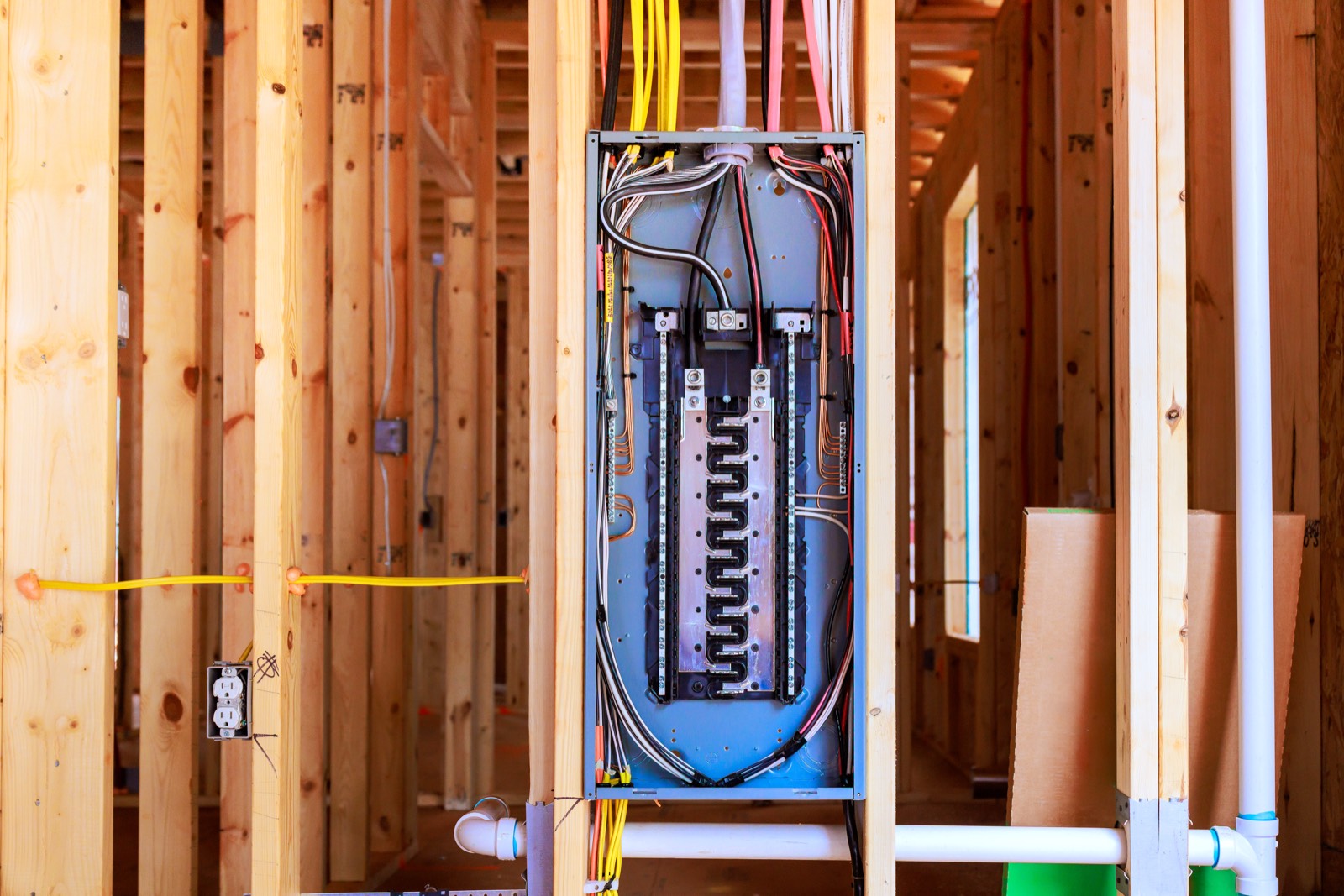
The panel has to have physical breaker space and enough electrical capacity for the added dryer load. A short cable run does not help if the panel is already full, poorly labelled, obsolete, damaged, or too small for the home’s present loads.
Before adding the circuit, we check the panel for:
- available breaker spaces, not just empty-looking gaps
- the correct breaker type for that panel manufacturer
- signs of overheating, corrosion, moisture, or loose terminations
- whether tandem breakers are allowed in the specific panel positions
- whether the service capacity is reasonable for the home’s loads
- whether existing laundry, kitchen, HVAC, EV, or basement circuits are already stressing the service
A dryer circuit may be easy in a modern 200A panel with spare spaces. It may be more complicated in a full 100A panel, a fuse panel, an older panel with unavailable breakers, or a panel that already carries electric range, air conditioning, hot tub, EV charging, and basement loads.
Sometimes the fix is straightforward panel reorganization with approved breakers. Sometimes the panel needs a sub-panel or service upgrade, which is a different scope and must be quoted separately. We do not hide that in a dryer-circuit number because the work is no longer just a dryer circuit.
The most common surprise is a homeowner saying, “There is an empty slot,” when the panel schedule, breaker type, or load calculation says otherwise. Physical space and electrical capacity are related, but they are not the same thing.
A new dryer circuit needs ESA notification and inspection where required
A new dedicated circuit is electrical work that normally requires an ESA notification in Ontario. The notification is the permit process: the Licensed Electrical Contractor files it, performs the work, and the Electrical Safety Authority may inspect before the job is closed.
For common residential jobs, ESA notification fees are typically $100–$200 and are normally included in the written quote. For a dryer circuit, the inspection focus is practical and specific. The inspector may check that the breaker, conductor, receptacle, box, support, grounding, bonding, and routing are suitable for the circuit installed.
ESA is not there to decide where your washer and dryer should go. They are checking that the electrical installation is safe and compliant. That matters for insurance, resale, and future troubleshooting. It also matters because laundry equipment creates heat, vibration, and lint; poor connections behind a dryer are not a place to cut corners.
City Power Electrical Services is a Licensed Electrical Contractor, ECRA/ESA #7015314, and every job is permitted with the ESA where required. For homeowners, that means the person quoting the job should be able to explain the notification, not treat it as an optional extra.
You should be cautious if a dryer circuit quote is unusually low and does not mention ESA, breaker compatibility, cable route, or receptacle type. Those are not minor details; they are the job.
The best way to control cost is to plan the laundry location before finishes close
The cheapest dryer circuit is usually the one planned before drywall, flooring, cabinets, and laundry closets are finished. Once walls and ceilings are closed, labour shifts from simple installation to careful fishing, patch avoidance, and sometimes surface raceway decisions.
Before asking for a quote, gather these details:
- the dryer make and model, or a photo of the nameplate
- whether the dryer is electric or gas
- the distance from the panel to the laundry area
- whether the basement ceiling is open or finished
- whether the laundry is on the main floor, basement, or second floor
- whether the dryer will be stacked in a closet
- whether an old dryer outlet exists now
- photos of the electrical panel with the door open and closed
A written quote should say what is included: new breaker, cable route, receptacle or connection point, ESA notification, testing, cleanup, and any assumptions about access. If finished walls must be opened, the quote should be clear about whether drywall repair and painting are included or excluded.
If you are pricing several appliance circuits at once, see our Ontario dedicated circuit cost guide. Doing related circuit work together can reduce repeat visits, but each load still needs to be sized and protected correctly.
For Toronto and GTA homes, City Power provides free written estimates for dryer circuits and other appliance wiring. The number to ask for is not just “a dryer plug”; it is a dedicated 240 V dryer circuit, matched to the appliance, installed with ESA notification where required, and tested before the dryer is pushed back into place.
Want a licensed electrician to take a look?
Free written quote, usually the same day. ESA permits handled.
People also ask
Can I plug an electric dryer into a regular outlet?
No. A typical electric dryer is a 240 V appliance and needs a dedicated circuit sized to its nameplate, not a standard household receptacle. A gas dryer may use a standard receptacle for controls and the drum motor, but an electric dryer’s heating element is a much larger load.
Does a dryer circuit need an ESA permit in Ontario?
A new dedicated dryer circuit normally requires an ESA notification in Ontario. The Licensed Electrical Contractor files the notification, installs the circuit, and ESA may inspect the breaker, cable, grounding, receptacle, box, and routing before the job is closed.
What makes a dryer circuit cost more?
The biggest cost drivers are distance from the panel, finished walls or ceilings, second-floor laundry locations, panel capacity, breaker compatibility, and whether an old dryer outlet can be reused. If the panel is full or the route is difficult, the job may need a site visit before a firm written quote.
Can you install a dryer circuit if my panel is full?
Sometimes, but not by forcing in the wrong breaker. The electrician has to confirm approved breaker spaces, panel rating, load capacity, and manufacturer rules. The solution may be approved panel reorganization, a sub-panel, or a panel upgrade if the service is already overloaded or unsuitable.