
Answered by a licensed electrician
How much does stove circuit installation cost?
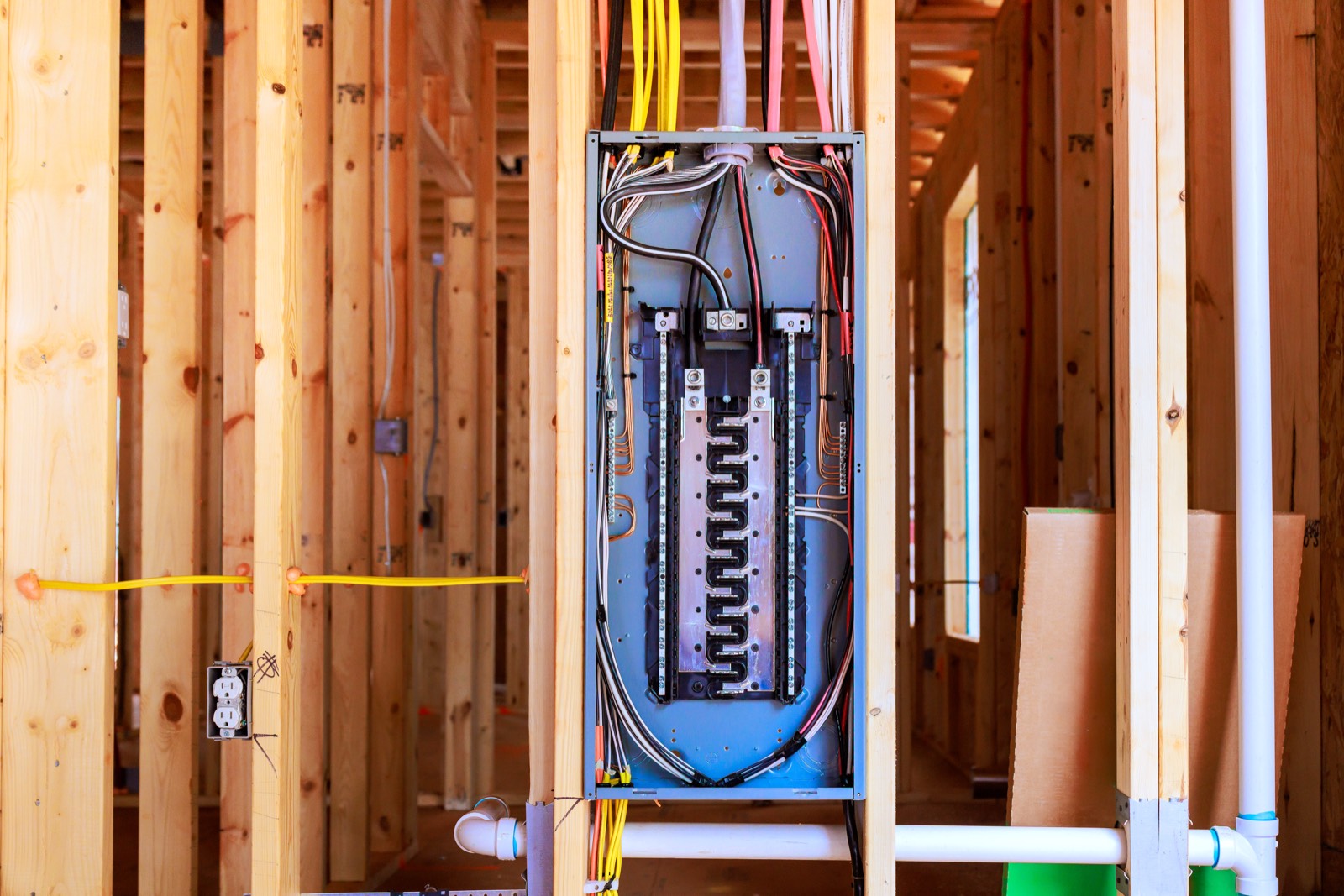
Quick answer
Stove circuit installation cost in the GTA is usually $400–$900 for a 30A–50A branch circuit when the panel has capacity and the cable route is accessible. The exact breaker, wire, receptacle, and junction box must match the appliance nameplate and Ontario Electrical Safety Code requirements, with an ESA notification for new or altered circuits.
A new stove circuit usually costs $400–$900 when the panel and route are straightforward.
That range applies to a typical 30A–50A appliance circuit for an electric range, cooktop, or wall oven where the panel has capacity, the breaker space is available, and the cable can be run without major finished-wall repair. If the work is part of an open kitchen renovation, the electrical portion is often simpler because studs, joists, and cabinet locations are visible.
The quote changes when the circuit is not a simple run. A stove circuit is not the same as changing a regular plug. It is a high-load 120/240V appliance circuit, and the breaker, cable, box, receptacle, and termination method all have to suit the actual appliance. For dedicated appliance work, see our dedicated circuit installation service.
Common price outcomes look like this:
| Stove circuit situation | Typical cost impact |
|---|---|
| New range circuit, panel nearby, unfinished basement or open ceiling | Usually within the $400–$900 circuit range |
| Kitchen renovation with open walls and cabinets not installed yet | Often cleaner labour, but layout changes must be confirmed before rough-in |
| Finished walls, tile backsplash, concrete, or long cable route | Quoted in writing after a site visit |
| Panel has no breaker space or load capacity is tight | May require panel work or a service upgrade |
| Separate cooktop and wall oven instead of one free-standing range | Often more than one circuit, quoted after reviewing appliance ratings |
If a 100A-to-200A panel upgrade is needed at the same time, the published GTA range is $3,200–$4,500 including the panel, labour, ESA permit, and inspection. That is not part of a normal stove circuit price; it only applies when the load calculation and existing service make it necessary.
City Power Electrical Services is a Licensed Electrical Contractor, ECRA/ESA #7015314, and we provide free written estimates for this work before the circuit is installed.
The circuit size is set by the appliance rating, not by guesswork.
A stove circuit must be sized from the appliance nameplate and installation manual, then installed to the Ontario Electrical Safety Code. Many free-standing electric ranges use a 40A or 50A 120/240V circuit, but that is not a rule you should apply blindly. Induction ranges, built-in ovens, cooktops, combination units, and older appliances can have different requirements.
Before pricing the job, we check:
- the appliance nameplate voltage and amperage or wattage;
- whether the unit is cord-and-plug connected or hardwired;
- whether it needs a 3-wire or 4-wire connection under the current installation requirements;
- the manufacturer’s required breaker size;
- the allowed conductor type and size for the route;
- whether a neutral is required;
- whether the appliance location affects receptacle placement or junction box access.
This is why a new range circuit should not be installed as “whatever breaker fits.” Oversizing the breaker can leave the cable under-protected. Undersizing it can cause nuisance trips or prevent the appliance from operating properly. Using a dryer receptacle or old appliance outlet because it “looks close” is also risky; dryer, range, welder, and EV receptacles can look similar while having different ratings and wiring requirements.
A free-standing range usually needs the receptacle positioned so the appliance can slide fully back without crushing the cord. A built-in wall oven or cooktop may need an accessible junction box inside a cabinet, not a surface receptacle directly behind the unit. For details specific to ranges and ovens, see stove and oven circuit installation.
The biggest cost factors are panel capacity, cable route, receptacle location, and renovation timing.
The same stove can be inexpensive to wire in one kitchen and much harder in another. The appliance load is only one part of the job. The path from the electrical panel to the kitchen often determines the labour.
Panel capacity matters first. We need to confirm there is physical breaker space and enough service capacity for the added cooking load. A full panel, tandem breaker complications, older fuse equipment, aluminum branch wiring, or a service already loaded with EV charging, electric heat, air conditioning, and a hot tub can change the scope. If the panel cannot safely accept the new circuit, the stove circuit cannot simply be squeezed in.
The cable route is next. A panel in an unfinished basement below the kitchen is much easier than a panel across the house with finished ceilings, tile, structural beams, or no clear joist path. Fishing a large range cable through finished walls can require access holes. In a condo, the route may also be limited by concrete walls, shared shafts, and building rules.
Receptacle or junction box location also affects the job. Cabinet plans, appliance depth, drawers, gas lines, water lines, and anti-tip bracket placement can all interfere with a range outlet. For wall ovens and cooktops, the junction box must remain accessible after cabinetry is installed. Moving the appliance a few feet during a renovation can turn a simple receptacle replacement into a new branch circuit.
Kitchen renovation access can save time if the electrical is planned early. The best moment is after the appliance specs and cabinet drawings are final, but before drywall, backsplash, and cabinets close the wall. If the range changes after rough-in, the outlet may end up in the wrong bay or at the wrong height.
If you are comparing other appliance circuits, our dryer circuit cost page explains the pricing differences for another common 240V appliance: dryer circuit installation cost. Heavier outdoor loads, such as spa equipment, have different disconnect and weatherproofing requirements, covered in hot tub circuit cost.
ESA notification is required when a stove branch circuit is added or altered.
Adding a new stove circuit, changing the circuit rating, or relocating the range outlet is not just a cosmetic appliance hookup. It is electrical installation work, and an ESA notification is required where a branch circuit is added or altered. The notification allows the Electrical Safety Authority to inspect the work.
For a stove circuit, the inspection focus is practical and specific. ESA may check that:
- the breaker rating matches the conductor and appliance requirement;
- the cable is the correct type and is protected from damage;
- the box, connector, and receptacle are rated for the circuit;
- bonding and grounding are correct;
- the neutral, if required, is present and terminated correctly;
- the cable is supported and routed properly;
- the panel has the correct breaker type and labelling;
- concealed wiring was inspected before it was covered, where required.
In a renovation, this can mean a rough-in inspection before drywall or cabinets, then final verification once the receptacle, junction box, and appliance connection are complete. In a finished kitchen, the inspection is usually tied to the completed circuit, provided the wiring route can be assessed.
The ESA notification fee is normally included in a proper electrical quote. For common residential jobs, ESA notification fees typically run $100–$200, depending on the scope. The important point is not the fee itself; it is that the work is documented and inspected instead of being left as unverified wiring behind cabinets.
A typical sequence is:
- confirm the exact appliance model and installation manual;
- inspect the panel and calculate available capacity;
- mark the receptacle or junction box location from the cabinet plan;
- file the ESA notification;
- rough in the cable before walls or cabinets close, if applicable;
- install the breaker, box, and receptacle or hardwired connection;
- complete the ESA inspection and correct any defect notices if issued.
If the stove is being replaced in the same location and the existing circuit is already correct for the new appliance, the job may be limited to connection, receptacle work, or verification. If the new appliance has a different rating or the old circuit is damaged, undersized, missing a neutral, or installed without proper protection, it becomes a circuit upgrade rather than a simple appliance swap.
The safest estimate starts with the appliance manual and a panel check.
The number that matters most is the installed cost for your exact kitchen, not a generic range outlet price. A site visit lets us confirm the panel, route, cabinet layout, appliance rating, and ESA requirements before walls are opened or the appliance is delivered.
Have these ready if possible:
- appliance make and model;
- installation manual or specification sheet;
- whether it is a range, cooktop, wall oven, or combination unit;
- cabinet drawings or the planned appliance location;
- photos of the existing panel and kitchen wall;
- whether the basement ceiling below is finished or open.
For most straightforward electric range circuits in Toronto and the GTA, the circuit itself fits the $400–$900 range. When the panel is full, the service is undersized, the route is difficult, or the appliance requires multiple circuits, the work is quoted in writing after a site visit.
Want a licensed electrician to take a look?
Free written quote, usually the same day. ESA permits handled.
People also ask
Can I use the existing stove outlet for a new electric range?
Only if the existing circuit matches the new appliance rating and current installation requirements. We check the breaker size, conductor, neutral, grounding, receptacle type, box condition, and location. If the new range has a different load or needs a different connection, the outlet may need alteration and an ESA notification.
Does a stove need its own dedicated circuit?
Yes, an electric stove or range is normally supplied by its own dedicated branch circuit. It should not share with counter plugs, lighting, microwave circuits, or small appliances. The circuit size is based on the appliance nameplate and OESC requirements, not on a spare breaker that happens to be available.
Do I need a panel upgrade to add a stove circuit?
Not always. We first check breaker space and perform a load assessment for the home. If the existing service can safely handle the new cooking load, a panel upgrade is not required. If capacity is too tight, a 100A-to-200A upgrade in the GTA typically costs $3,200–$4,500 including the ESA permit and inspection.
Who files the ESA notification for a stove circuit?
When you hire a Licensed Electrical Contractor, the contractor files the ESA notification for the electrical work. For a stove circuit, that notification is required when a branch circuit is added, relocated, or substantially altered. The inspection helps confirm the breaker, conductor, box, receptacle, bonding, and routing are code-compliant.