Answered by a licensed electrician
Do panel replacements need permits?
Quick answer
Yes. In Ontario, replacing an electrical panel or upgrading service requires an ESA notification and inspection. The work also needs utility coordination for the disconnect and reconnect with Toronto Hydro, Alectra, Hydro One, or the local LDC. A typical 100A-to-200A upgrade in the GTA is $3,200–$4,500 including the ESA permit and inspection.
Yes, panel replacements need ESA notification and inspection in Ontario
A panel change is not treated like swapping a light fixture. In Ontario, replacing the main electrical panel, changing the main breaker size, upgrading from fuses to breakers, or moving the service equipment requires an ESA notification and inspection.
People often call this an “electrical permit.” In Ontario, the practical term is an ESA notification. It creates a record of the work, identifies who is responsible for it, and triggers the inspection process.
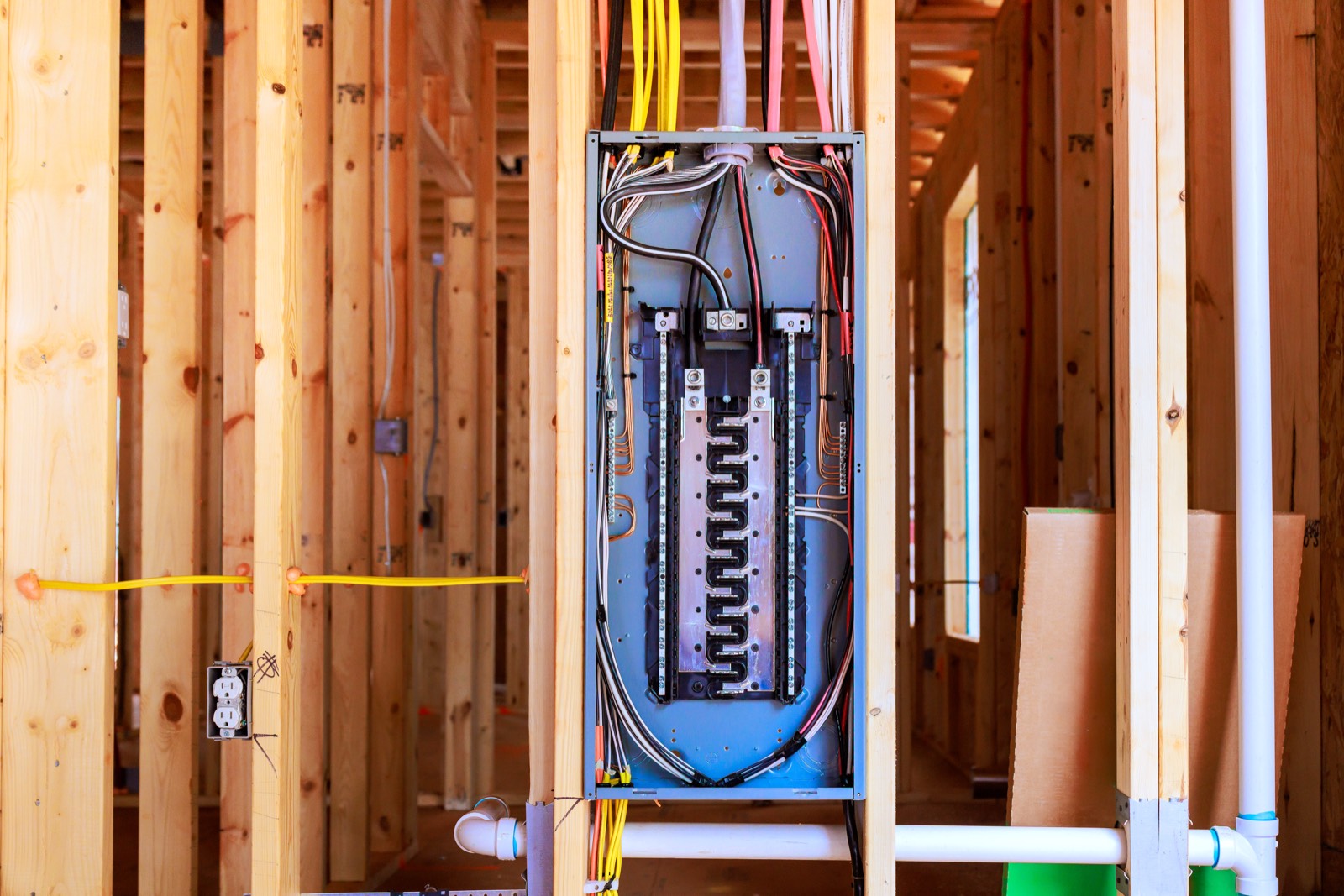
For a panel job, the inspector is not just looking at the new metal box. They are checking the service equipment as a system:
- Correct panel rating and main breaker size
- Approved breakers listed for that panel, not mixed brands
- Service conductor size and condition
- Neutral and bonding separation where required
- Grounding electrode and bonding connections
- Proper cable connectors, bushings, clamps, and knockouts
- Breaker labelling and panel directory
- Working space around the panel
- Evidence of overheating, double taps, corrosion, or amateur splices
This is why a legal panel upgrade is planned as an inspected job, not a quick parts swap. City Power Electrical Services is a Licensed Electrical Contractor, ECRA/ESA #7015314, and we file the ESA notification where required before doing this work.
A like-for-like panel replacement still needs inspection because the electrician is opening service equipment, disturbing feeder and branch-circuit terminations, and re-establishing grounding and bonding. If the job also changes the service size, such as going from 100 amps to 200 amps, the inspection scope becomes larger because the meter base, service mast or conduit, service conductors, and utility connection may be involved.
The utility disconnect is a separate step from the ESA inspection
The power usually has to be disconnected and reconnected by the local utility, not by the electrician. For Toronto and the GTA, that may mean Toronto Hydro, Alectra, Hydro One, Oakville Hydro, Burlington Hydro, Oshawa Power, Elexicon, or another local distribution company depending on the address.
A typical service upgrade has three moving parts:
| Step | Who is involved | What happens |
|---|---|---|
| ESA notification | Electrical contractor and ESA | The job is registered for inspection before the panel work proceeds. |
| Disconnect/reconnect | Local utility and electrician | The utility de-energizes the service so the panel and service equipment can be worked on safely. |
| Inspection | ESA inspector | The inspector checks the completed work and clears it for ongoing use or lists defects to correct. |
On many panel replacements, the goal is a same-day sequence: utility disconnect in the morning, electrical work during the day, ESA inspection, then reconnection. That timing depends on the utility schedule, ESA availability, weather, access to the meter, and whether hidden defects are found once the old panel is opened.
This is one reason you should not book drywall repair, appliance delivery, or an EV charger installation for the same afternoon unless the panel work has been coordinated properly. A missing meter appointment or failed inspection can leave the home without power longer than expected.
For older homes, we often find the panel is only one part of the work. The meter base may be too small for the new service, the mast may not meet current utility requirements, the grounding electrode may need correction, or the old service conductors may not be reusable. Those details are exactly why the site visit matters before quoting.
The person doing the work matters because the notification must match the job
A panel replacement should be done by a licensed electrical contractor, not a handyman or general renovator. The ESA notification needs to identify the responsible party, and the person doing the work must be qualified to work on service equipment safely.
The risk is not only paperwork. A main panel concentrates the largest electrical load in the house. Mistakes at this point can affect every circuit downstream. Common bad panel work includes:
- Neutral wires doubled under terminals not designed for two conductors
- Breakers installed that are not approved for the panel model
- Bonding screws installed or removed in the wrong situation
- Oversized breakers placed on undersized branch-circuit wiring
- Missing anti-short bushings on armoured cable
- Loose lugs that heat under load because they were not torqued correctly
- Open knockouts that leave live parts exposed inside the cabinet
If your concern is that the panel is making noise, smells hot, or shows burn marks, treat that as a safety call rather than a permit question. A sizzling electrical panel points to arcing or a failing connection, and a hot electrical panel can mean overloaded or loose equipment. In those cases, the first step is making the installation safe; the replacement and ESA process follows from there.
A permit also protects you later. Insurers, buyers, condo boards, and property managers may ask for proof that service equipment was changed legally. A clean ESA record is much easier to explain than a newer panel with no documentation.
A permit is required whether you replace the panel or upgrade the service
Both jobs need ESA involvement, but they are not the same job. A panel replacement changes the distribution equipment inside the home. A service upgrade changes the capacity and usually includes utility-side equipment such as the meter base, service conductors, mast or conduit, and the main disconnect rating.
The distinction matters for cost, scheduling, and inspection.
| Situation | Typical permit issue | Practical impact |
|---|---|---|
| Old breaker panel replaced with same amperage | ESA notification and inspection still required | Utility disconnect may be needed depending on the service arrangement. |
| 60A fuse panel changed to modern breakers | ESA inspection required, often with service equipment changes | Older service entrance parts are commonly replaced at the same time. |
| 100A upgraded to 200A | ESA plus utility coordination | Load calculation, meter equipment, conductors, and utility reconnect all matter. |
| Panel moved to a new location | ESA inspection required | Feeder lengths, working clearance, grounding, and splice methods must be reviewed. |
| Extra circuits added during panel work | ESA inspection required for the added wiring too | Breaker space, load calculation, AFCI/GFCI needs, and labelling must be addressed. |
If you are upgrading because of a charger, heat pump, basement suite, hot tub, or larger renovation, the panel decision should be made with a load calculation, not by counting empty breaker spaces. Empty spaces do not prove capacity. A 100 amp panel can look tidy and still be near its calculated limit. If you are planning a charger, see whether an EV charger can run on a 100 amp panel before assuming a full service upgrade is mandatory.
If the panel is a known problem model, the permit question is only one part of the decision. For example, owners asking whether to replace a Federal Pacific panel are usually dealing with insurance, breaker reliability, and resale concerns as well as inspection requirements.
Budget for the inspected job, not just the panel box
The price of a legal panel job includes more than the breaker panel on the wall. It includes planning, safe shutdown, utility coordination, labour, materials, ESA notification, inspection, labelling, testing, and cleanup.
For a 100 amp to 200 amp upgrade in the GTA, a realistic budget is $3,200–$4,500 when the panel, labour, ESA permit, and inspection are included. If you are starting from a 60 amp fuse service, the cost commonly rises to $4,000–$6,000 because the service entrance and meter base usually need replacement as part of the job.
A written estimate should state what is included. Look for these line items or clear wording:
- Panel amperage and main breaker rating
- Whether the meter base, mast, or service conductors are included
- ESA notification and inspection included in the scope
- Utility disconnect/reconnect coordination
- Grounding and bonding corrections included or separately identified
- Circuit directory and panel labelling
- Cleanup and removal of old equipment
- Any known exclusions, such as drywall repair or trenching
If the panel replacement is part of a larger project, the added circuits should be planned at the same time. For example, adding a dryer, range, EV charger, workshop circuit, or basement sub-panel may change the load calculation and breaker layout. The same ESA inspection can cover related work when it is included in the notification scope. If you are mainly asking because you want more breaker space, read can I add a circuit to my panel? before assuming replacement is the only answer.
Do not accept “no permit needed” as a shortcut for a panel change. It may look cheaper on day one, but it can create insurance problems, resale questions, and safety defects hidden behind a closed panel cover. The right next step is a site visit, a written scope, and an ESA-notified installation that the utility and inspector can sign off properly.
Want a licensed electrician to take a look?
Free written quote, usually the same day. ESA permits handled.
People also ask
Who files the ESA notification for a panel replacement?
For hired electrical work, the licensed electrical contractor normally files the ESA notification and manages the inspection. The notification should match the actual scope: panel replacement, service upgrade, added circuits, or panel relocation. Ask for the ESA reference before work starts so you know the job is registered.
Can I replace my own electrical panel in Ontario?
A homeowner may be allowed to do some electrical work on their own eligible dwelling, but a main panel is high-risk service equipment and still needs ESA notification and inspection. It also requires safe utility disconnection and reconnection. For most owners, hiring a licensed electrical contractor is the practical and safer route.
Does a 100 amp to 200 amp upgrade need the hydro utility involved?
Yes. A 200 amp upgrade usually requires utility coordination because the service must be disconnected and reconnected, and the meter base or service conductors may change. Depending on the address, that coordination may involve Toronto Hydro, Alectra, Hydro One, Elexicon, or another local LDC.
What happens if a panel was replaced without a permit?
Unpermitted panel work can create insurance, resale, and safety problems. ESA may need to inspect, and defects may have to be corrected before the installation is accepted. If the work is unsafe, a licensed contractor should first make it safe, then determine what documentation and inspection steps are available.