EV Charger Installation
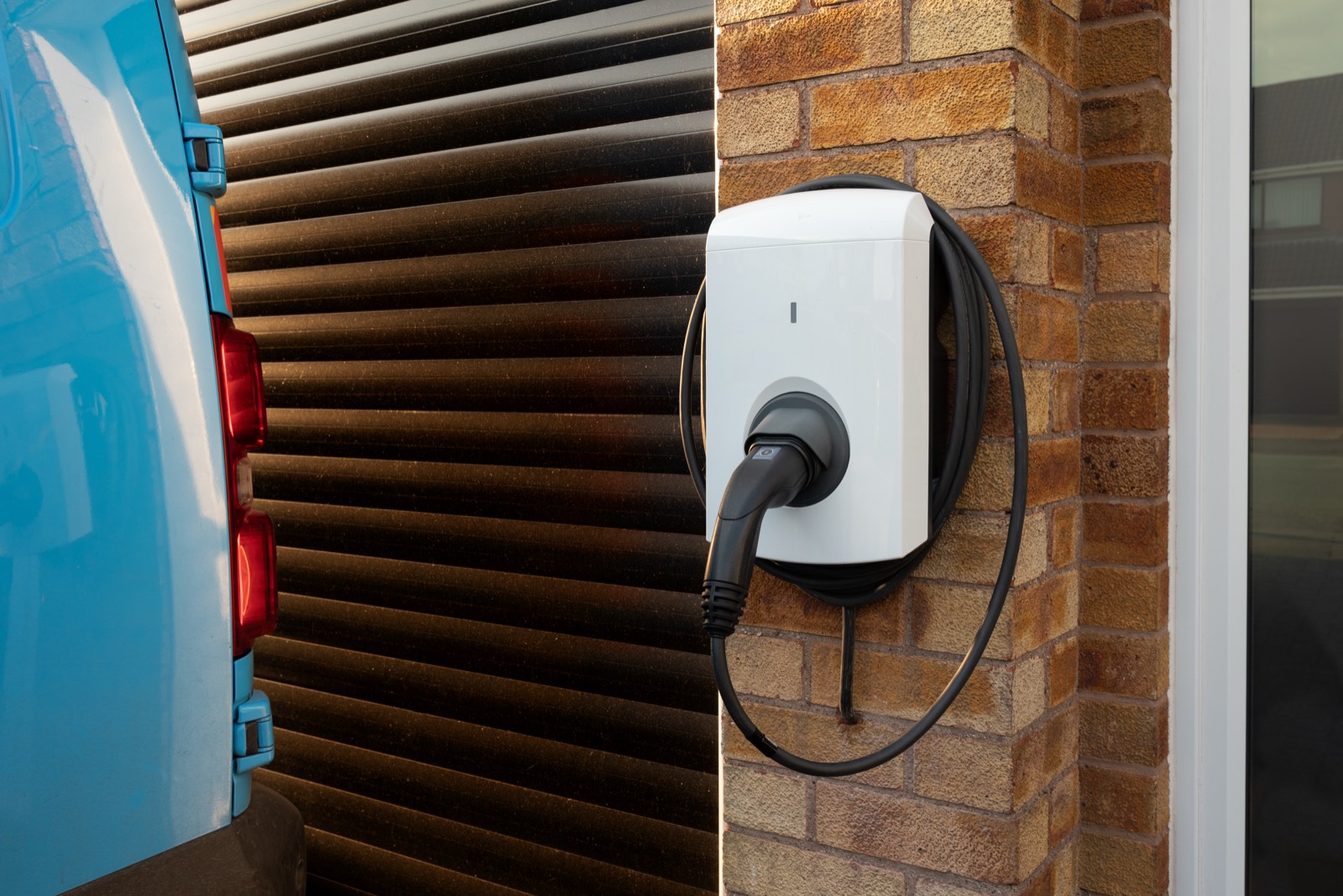
Charge your electric vehicle at home or at your business.
About ev charger installationCity Power installs security camera cabling for PoE camera systems in homes, warehouses, retail stores and parking areas. We plan clean cable routes, exterior penetrations, weatherproof terminations and network-video recorder locations so cameras have stable wired connections.

Most modern security cameras use PoE: power and data travel on the same network cable from a PoE switch, injector or network-video recorder. That makes the cabling layout critical. A weak Wi-Fi signal can be tolerated by a phone. A security camera that drops offline at the wrong time is a system failure.
We install security camera cabling for detached homes, townhomes, warehouses, retail stores, offices and parking areas across Toronto and the GTA. The work starts with camera locations: entrances, laneways, loading doors, cash areas, aisles, fenced yards, parking rows and blind corners. Then we plan how each cable gets back to the recorder, network room, office cabinet or mechanical room without being exposed to easy damage.
Camera cabling has details that general network cabling does not always face:
For broader network drops, office cabling and certified data runs, see our data cabling service. Camera work often uses the same cabling skills, but the exterior routing, camera mounting points and recorder layout make it its own job.
A wired PoE camera system is usually the right choice when cameras must stay online, record continuously or cover exterior areas. Battery cameras and Wi-Fi cameras can work for light residential use, but they are not ideal for a warehouse door, parking lot corner, retail cash area or laneway where uptime matters.
We often see camera cabling requested during renovations, tenant improvements, warehouse changes, retail buildouts and after a property owner realizes that plug-in cameras are creating blind spots. Common situations include:
The best recorder location is usually not the most convenient wall outlet. It should be indoors, protected, reasonably ventilated and close enough to the network equipment to keep the system clean. For businesses, we also think about who needs access to the recorder, whether the unit should sit in a locked office or cabinet, and how future camera additions could be routed.
Camera cabling also pairs well with exterior lighting planning. Cameras perform better when the scene is lit properly, and lights can reduce motion blur and improve identification at doors, yards and parking areas. For commercial lighting coverage, see exterior security lighting for businesses.
Many PoE camera cable pulls are low-voltage communications work and may not require an ESA notification by themselves. That does not mean the work can be sloppy. Cable routing still has to respect the building, the electrical system and fire separation.
The main issues are separation, protection and penetrations. Camera cables should not be bundled casually with power wiring, stapled through insulation, pinched under metal edges or left hanging across service areas. Where a cable passes through a wall, soffit, block wall or exterior envelope, the penetration should be drilled cleanly, sealed properly and routed so water cannot track into the building.
For exterior cameras, we look at:
If the camera system also needs new 120V power, a receptacle for the recorder, a hardwired power supply, a new circuit or electrical repairs, that part is electrical work. City Power installs security camera cabling as a Licensed Electrical Contractor, ECRA/ESA #7015314, with ESA permits and inspections arranged where required. If your project needs documentation for a manager, landlord, insurer or property file, we can include the electrical scope in writing. For ESA-specific documentation, see ESA electrical safety certificate service.
Commercial sites can also involve ceiling spaces, open warehouses, suspended ceilings and network rooms. Cable type and installation method matter in these areas. If you are choosing between cable categories for a larger office or mixed camera/network project, our Cat6 vs Cat6a office cabling guide explains the practical differences.
A security camera cabling visit starts with a walk-through. We ask where you need visibility, where the recorder or PoE switch will live, how many cameras are planned now, and whether you want spare cable capacity for later. Then we check the routes: attic or basement access in a house, ceiling tiles in a store, exposed structure in a warehouse, or conduit paths to exterior and parking-area cameras.
For each proposed camera, we look at the cable path, mounting surface, weather exposure, height, serviceability and how visible the wiring will be. A high camera may cover more area, but it can also make future service harder. A camera tucked under a soffit may be protected, but the angle may miss faces or licence plates. We do not design surveillance policy; we install the cabling infrastructure so your chosen camera system has solid wired connections.
After the site visit, you receive a free written estimate. Security camera cabling is quoted in writing after a site visit because the cost depends on distance, access, wall and ceiling finishes, exterior penetrations, conduit needs, recorder location and the number of cable runs. For standard data cabling context, in the GTA, a certified Cat6 drop typically costs $150–$250 including cable, jack, patch panel termination, and Fluke test certification; Cat6a runs slightly more. Camera cabling may price differently when it includes exterior routing, lifts, conduit, weatherproof boxes or difficult access.
If you are planning a camera project and want a deeper cost overview, see our security camera wiring cost Ontario guide. For active faults, damaged wiring, a dead camera feed or a recorder that lost power, we can also handle related electrical repair and troubleshooting.
Once approved, we schedule the work, protect finished areas, pull and secure the cable, terminate and label each run, test the cabling, and clean up. If ESA notification is required for any electrical portion, it is included where required and inspected. Sam founded and runs City Power, and our team serves Toronto, North York, Scarborough, Etobicoke, Mississauga, Brampton, Markham, Vaughan, Richmond Hill and the wider GTA.
Most PoE security cameras work well on properly installed Cat6 cabling, and many systems do not need Cat6a. The real issue is not only the cable category; it is the run length, termination quality, exterior protection, PoE load and recorder or switch location. We confirm the practical cabling choice during the site visit.
Yes. Exterior camera cabling needs proper routing, mechanical protection where exposed, weatherproof terminations and sealed penetrations. We plan drip loops, avoid water paths into the building, and protect cables from damage near doors, loading areas, parking edges and service spaces. Exposed exterior work is quoted after seeing the wall type and route.
The NVR should be indoors, protected, ventilated and accessible for service, but not sitting in an obvious or easy-to-remove location. In homes it may be near the network equipment; in businesses it may be in an office, cabinet or IT area. The best location depends on cable routes, power, network access and who needs permission to access recordings.
Many low-voltage PoE camera cable runs do not require an ESA notification by themselves. If we add or relocate 120V power, install a new circuit, repair electrical wiring or add a receptacle for the recorder, that electrical work is permitted with the ESA where required and inspected. We explain the permit requirement in the written estimate.
Charge your electric vehicle at home or at your business.
About ev charger installation
Pool and spa electrical must meet strict safety codes due to the water proximity.
About pool & spa wiring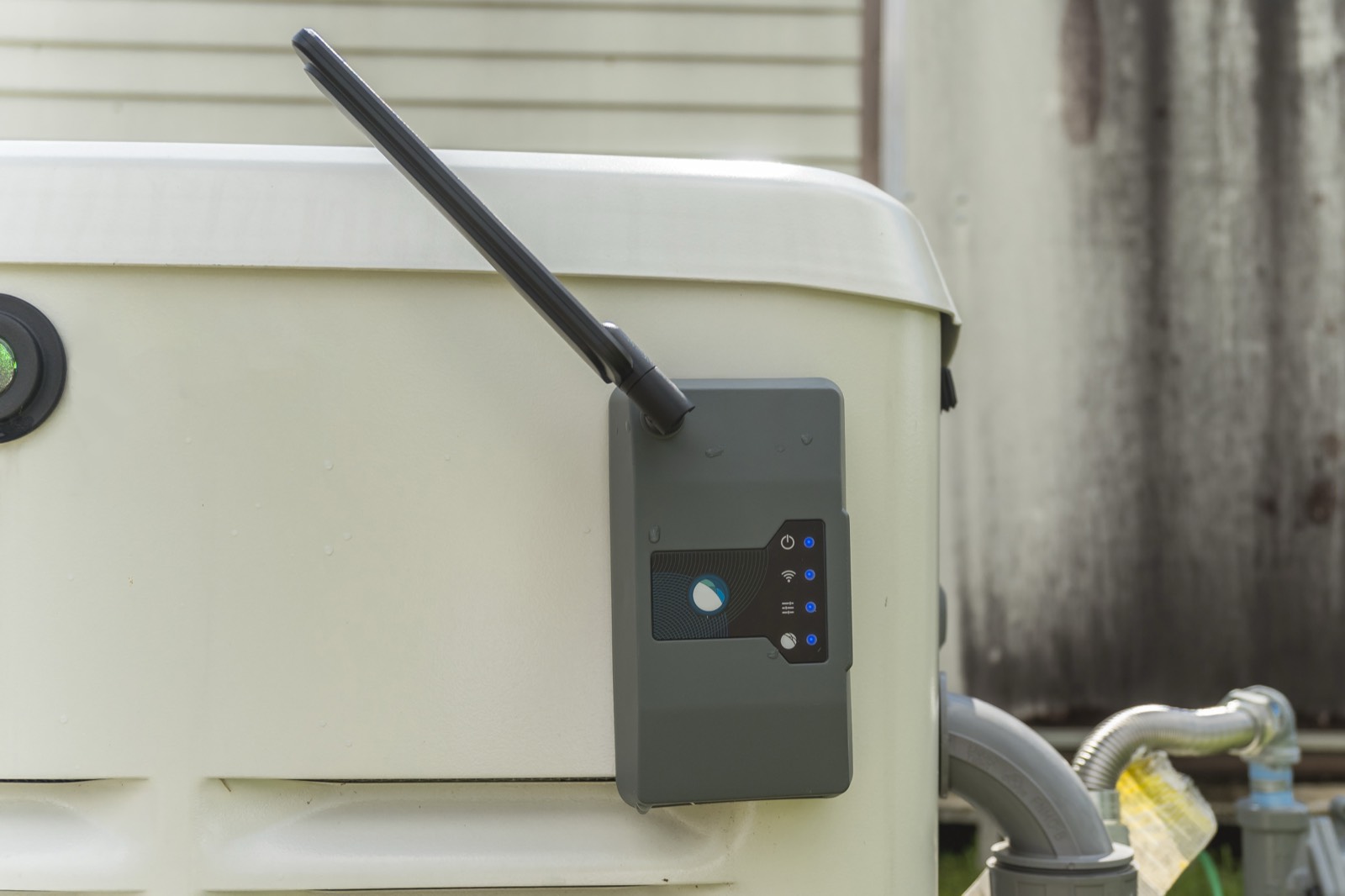
Free estimates on all projects. Same-day service available across the GTA. Send the details and a licensed electrician replies the same day.
Or call 416-837-4038Free written quote
Tell us about the job and we reply the same day. For an emergency, call 416-837-4038 instead.
A licensed electrician answers every call, day or night.