EV chargers · installed by a licensed contractor
ChargePoint Home Flex Installation in Toronto & the GTA
City Power installs ChargePoint Home Flex chargers across Toronto and the GTA for homeowners who want a properly sized, ESA-inspected Level 2 charging circuit. We confirm panel capacity, set the charger output to match the circuit, and provide a written estimate before work begins.
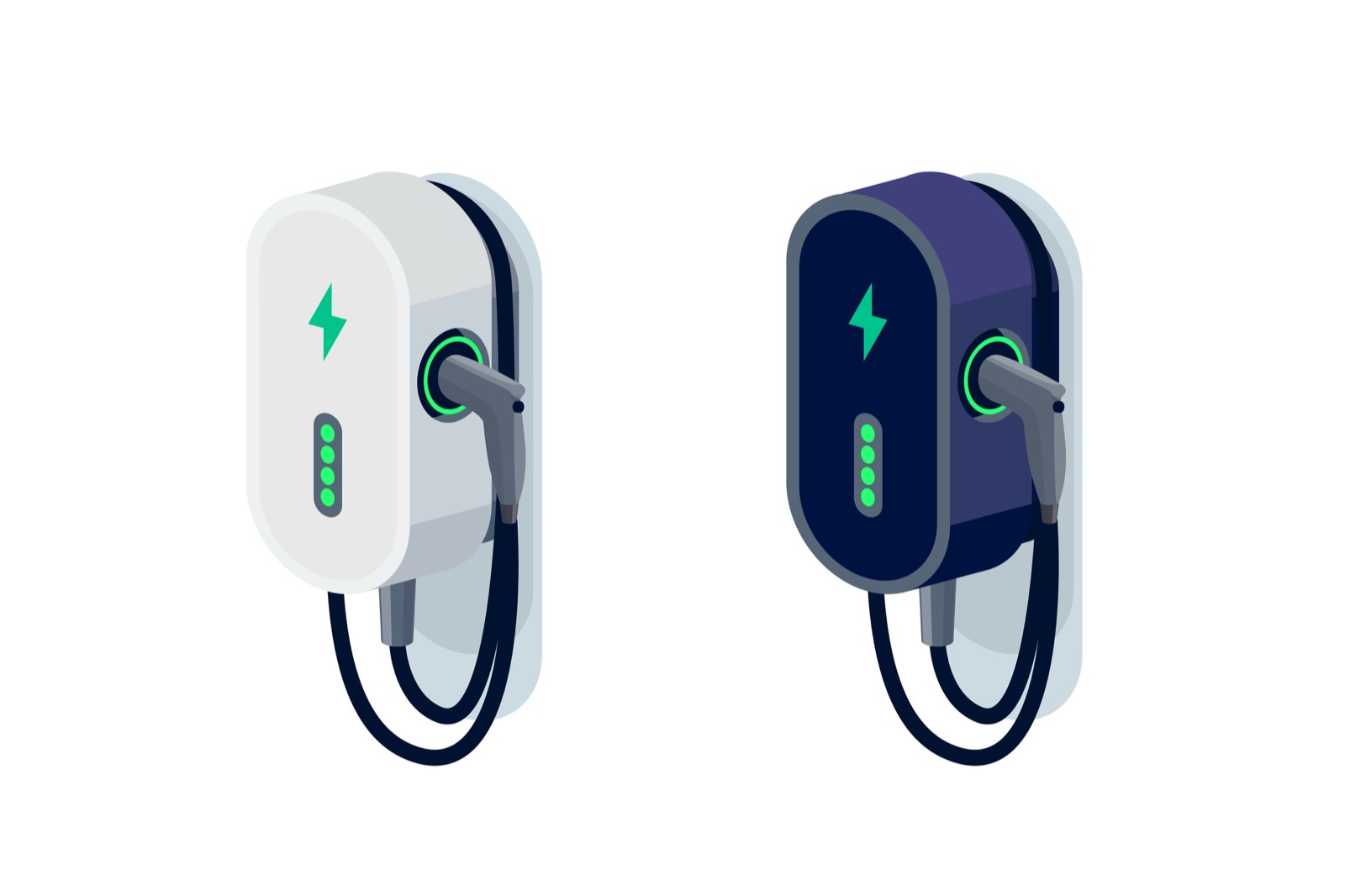
ChargePoint Home Flex suits drivers who want adjustable Level 2 charging
ChargePoint Home Flex is a residential Level 2 EV charging station for drivers who want faster home charging than a standard 120V cord and app-based control through the ChargePoint platform.
It is a good fit when you already know you want the ChargePoint ecosystem, you charge at home most nights, and you want the charger set up for the actual electrical capacity of your house, townhouse, or private garage. The Flex name matters: the unit is configurable, so the safe charging output depends on the breaker, conductor size, installation method, and available panel capacity. It is not something to simply plug into the biggest outlet nearby and hope for the best.
City Power Electrical Services is a Licensed Electrical Contractor, ECRA/ESA #7015314, founded and run by Sam, a licensed electrician with fifteen-plus years in the trade. For ChargePoint Home Flex work, we handle the electrical side: load calculation, breaker and wire sizing, ESA notification where required, mounting, terminations, setup checks, and cleanup.
If you are still comparing models, start with our EV charger installation service or browse the Toronto GTA charger product pages. If the ChargePoint unit is already purchased, send the exact Canadian model details before the estimate so we can confirm whether the installation plan should be hardwired or plug-in.
The circuit must be sized to the configured output, not just the charger name
The correct ChargePoint Home Flex installation starts with the circuit, because EV charging is a continuous electrical load under the Ontario Electrical Safety Code.
That means the breaker and conductors must be sized for the configured charging output. The charger setting, breaker size, wire type, wire length, termination temperature rating, and installation environment all have to agree. A larger breaker does not automatically mean faster safe charging. A receptacle label does not replace the load calculation. A charger app setting must not be used to exceed the installed circuit.
ChargePoint Home Flex may be installed as hardwired or plug-in depending on the model and installation plan. A hardwired installation is often preferred for a clean wall setup, fewer exposed connection points, and a dedicated installation that cannot be repurposed later without electrical work. Plug-in installations require a matching 240V receptacle, such as NEMA 14-50 or 6-50 where permitted, and the receptacle, box, cover, breaker, grounding, and conductor size all have to match the approved plan. We verify the exact Canadian SKU before relying on a plug type or maximum output.
Panel capacity is the other major issue. We check the service size, main breaker, existing loads, panel condition, available spaces, and high-demand equipment such as electric ranges, dryers, hot tubs, heat pumps, saunas, and basement suite loads. In many GTA homes, the question is not whether a charger can be installed; it is whether it should be installed at full output, a lower configured output, with load management, or alongside a service upgrade.
If capacity is tight, a load-management device may allow safe charging without replacing the main panel. We can discuss options such as DCC-9 load-management installation or Simple Switch installation where they suit the service, panel layout, and charger plan.
Installation starts with ESA notification and ends with testing and inspection
A new residential EV charger circuit requires proper notification to the Electrical Safety Authority where required, and the work must be available for inspection.
Our process starts with site details: panel photos, charger location, parking layout, wall construction, distance from the panel, preferred mounting height, Wi-Fi availability for app features, and whether the cable must cross finished ceilings, masonry, a garage fire separation, exterior wall space, or underground conduit. For condos and townhomes with shared property, approvals from the corporation or property manager may be needed before electrical work starts.
Once the written estimate is approved, we file the ESA notification where required and install the dedicated 240V circuit. That can include a new breaker, properly sized conductors, conduit or cable, a junction or device box where appropriate, the ChargePoint wall bracket, weather-appropriate fittings if the charger is outside, and labelled panel directory updates. Outdoor installations need attention to water entry, cord reach, snow clearance, impact risk, and where the vehicle actually parks.
For a hardwired ChargePoint installation, we terminate the conductors directly to the charger according to the manufacturer instructions and the approved electrical plan. For a plug-in installation, we install the correct 240V receptacle where permitted, using components rated for the load and environment. We do not install mismatched dryer receptacles, undersized cable, loose back-boxes, or unlabelled circuits for EV charging.
Testing includes verifying voltage, grounding, breaker operation, charger power-up, configured output, and basic app commissioning where the site Wi-Fi and account access are available. ESA inspection follows the notification process. The inspector may check the panel connection, conductor sizing, breaker rating, mounting, labelling, receptacle or hardwire terminations, and whether the installation matches the Code and the filed scope. We clean up the work area before leaving.
Cost, timeline, and alternatives depend on panel capacity and the route
ChargePoint Home Flex installation cost depends mainly on distance from the panel, wall access, service capacity, and whether the charger is hardwired or plug-in.
A straightforward Level 2 installation in the GTA — panel nearby, capacity available — runs $800–$1,500 for labour, materials, and the ESA permit. Longer wire runs or finished walls push it to $1,500–$3,500, and the charger itself adds $500–$1,200. Most homeowners land between $1,500 and $3,000 all-in.
If capacity is tight, a load-management device often avoids a panel upgrade; otherwise we upgrade to 200A ($3,200–$4,500) at the same time. Any work outside those published bands is quoted in writing after a site visit or after we review the panel and route photos.
Timeline is also site-specific. A simple garage installation is normally planned as a single electrical visit, with ESA inspection scheduled through the normal process. Finished basements, detached garages, trenching, condo approvals, load-management devices, or panel upgrades add coordination. We will state the expected sequence in the written estimate so you know what happens before the charger is usable.
ChargePoint Home Flex is the right choice if you want the ChargePoint app experience, configurable output, and a widely recognized home charger installed to match your electrical service. It may not be the best choice if you want a very simple charger with fewer smart features, if your Wi-Fi is weak at the parking spot, or if another model better matches a utility, fleet, or energy-monitoring preference.
For alternatives, compare the Canadian models before buying. A FLO Home charger installation may suit drivers who want a rugged Canadian-branded unit. A Wallbox Pulsar Plus installation may suit compact wall spaces and load-management planning. If you already own the ChargePoint, the priority is simple: install the right circuit, configure it correctly, and have the work inspected where required.
Want a licensed electrician to take a look?
Free written quote, usually the same day. ESA permits handled.
Common questions
Can City Power install a ChargePoint Home Flex I already bought?
Yes. Send the exact Canadian model details, panel photos, and charger location. We confirm the installation method, circuit size, panel capacity, and whether ESA notification is required before giving a written estimate.
Should my ChargePoint Home Flex be hardwired or plug-in?
It depends on the model, location, circuit plan, and whether a receptacle installation is permitted and practical. Hardwired is often cleaner for a permanent garage setup; plug-in requires the correct 240V receptacle and matching circuit.
Do I need a panel upgrade for a ChargePoint Home Flex?
Not always. We complete a load calculation and check the panel. If capacity is tight, a load-management device may avoid a panel upgrade; otherwise a 200A upgrade may be recommended and quoted in writing.