EV chargers · installed by a licensed contractor
FLO Home Charger Installation in Toronto & the GTA
City Power Electrical Services installs FLO Home EV chargers across Toronto and the GTA for garages, carports, and driveways. We size the circuit to the exact charger model, file the ESA notification where required, and leave the installation ready for inspection.
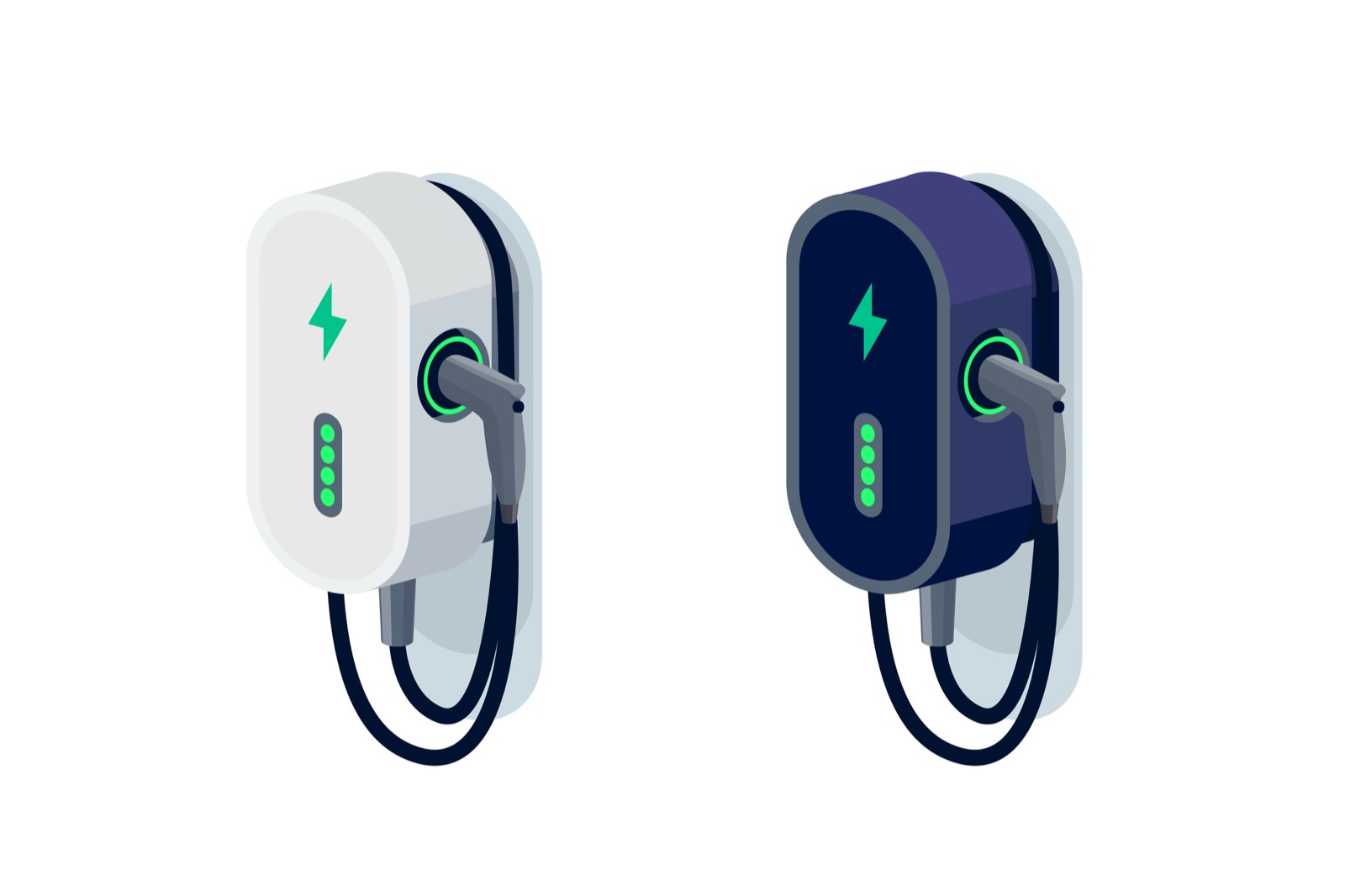
A FLO Home charger is for owners who want a fixed Level 2 charging spot at home
FLO Home units are commonly installed as 240V Level 2 chargers for residential garages and driveways. They suit EV owners who want a dedicated overnight charging location instead of relying on a standard receptacle, workplace charging, or public stations.
The important point is that a FLO Home charger is not just an appliance you hang on the wall. It becomes part of the home’s electrical system. The charger location, cable reach, breaker size, wiring method, weather exposure, and panel capacity all have to work together.
We see FLO Home installations in three common setups:
- A garage wall beside the parking space, with the cable kept clear of storage and the garage door track.
- An exterior wall beside a driveway, using a weather-rated location and protected wiring method.
- A detached garage or parking pad, where the route from the panel may involve finished areas, trenching, conduit, or a sub-panel review.
FLO is a good fit when you want a permanent home charging point and you already have, or are planning, a suitable 240V branch circuit. If you are still comparing hardware, start with our main EV charger installation service or browse other models in the EV charger product hub.
Before we quote the job, we verify the exact FLO Home model and current Canadian spec sheet. That matters because output settings, connection type, and installation instructions can change by model and revision.
Electrical requirements depend on the exact FLO model, the panel, and continuous-load sizing
Output and breaker size must be matched to the exact FLO model and OESC continuous-load sizing. We do not choose a breaker by guesswork, by the vehicle brand, or by what fits in the panel. We check the charger nameplate, the manufacturer’s installation instructions, the configured charging output, and the Ontario Electrical Safety Code requirements for a continuous EV charging load.
A proper FLO Home installation review includes:
- Panel capacity: We review the main service size, existing loads, available breaker spaces, and the condition of the panel. EV charging is a sustained load, so available physical space is not the same as available electrical capacity.
- Breaker and conductor sizing: The breaker, wire type, conductor size, terminations, and route must match the configured charger output and OESC rules. Finished basements, long garage runs, and detached structures can change the wiring method.
- Hardwired vs plug connection: The permitted connection method depends on the exact FLO unit and manufacturer instructions. Where a plug-in setup is allowed, the receptacle, cover, location, and GFCI requirements must still be code-compliant. A hardwired installation is often the cleaner choice for an outdoor or permanent wall-mounted charger, but we confirm against the model manual before quoting.
- Outdoor protection: Outdoor installations need a weather-rated mounting location and protected wiring method. That can mean weatherproof boxes, suitable conduit, correct fittings, and mechanical protection where the wiring could be hit by vehicles, shovels, tools, or stored items.
- Load management: If the panel is close to capacity, we may recommend a listed load-management device instead of immediately upgrading the service. If you are looking at that path, compare a dedicated FLO circuit with a device such as a DCC-9 load management installation.
The panel check is especially important in older Toronto, North York, Scarborough, Etobicoke, Mississauga, Brampton, Markham, Vaughan, and Hamilton homes where the garage was not originally planned for EV charging. A spare breaker space does not prove that the service can support a continuous Level 2 charger.
Installation includes ESA notification, mounting, testing, and inspection readiness
ESA notification is required for a new EV charging branch circuit. City Power Electrical Services installs FLO home chargers as a Licensed Electrical Contractor, ECRA/ESA #7015314, with ESA permits and inspections handled where required.
The installation process usually starts with a site visit or a clear review of panel photos, charger location photos, and the route between them. We still need enough information to quote responsibly: panel type, service size, distance, finished walls, outdoor exposure, parking position, and whether the charger cable can reach without crossing a walking path.
A typical FLO Home installation follows this sequence:
- Confirm the exact FLO model and installation manual.
- Review the panel and calculate whether capacity is available.
- Plan the route from the panel to the charger location.
- File the ESA notification where required.
- Install the breaker, wiring, conduit or cable assembly, boxes, fittings, and charger mount.
- Make terminations to manufacturer torque and connection requirements.
- Label the circuit and verify grounding and bonding.
- Energize, test, and confirm the charger operates normally.
- Coordinate ESA inspection requirements.
- Clean up the work area before we leave.
For a garage wall, the details are often about keeping the charger clear of door hardware, shelving, water exposure, and vehicle impact. For an exterior driveway installation, the details are more about weather-rated equipment, water-shedding fittings, UV exposure, and mechanical protection. For a detached garage, the feeder, trench route, burial method, and existing sub-panel capacity may become the main issue.
The ESA inspection is not a cosmetic walkthrough. The inspector is concerned with code compliance: breaker and conductor match, approved equipment, proper terminations, weatherproofing, grounding and bonding, mechanical protection, labelling, and whether the installation follows the manufacturer’s instructions.
Cost, timeline, and whether FLO is the right choice versus alternatives
For a simple FLO Level 2 charger installation in the GTA — with the panel close by and enough capacity — labour, materials, and the ESA permit are typically $800–$1,500. If the FLO charger needs a longer cable run or wiring through finished walls, installation usually rises to $1,500–$3,500, with the charger adding $500–$1,200. Most Toronto and GTA homeowners end up around $1,500 to $3,000 total for a FLO home charging setup.
When panel capacity is limited, load management can often prevent an upgrade; if not, we can complete a 200A upgrade ($3,200–$4,500) along with the FLO charger install. FLO installations that involve a detached garage, underground conduit, service upgrades, concrete work, or condo coordination are quoted in writing after a site visit.
A simple garage installation is commonly completed in one electrical visit, with ESA inspection timing depending on scheduling and scope. Projects take longer when the panel needs upgrading, the utility must be involved, the route is finished and concealed, or the charger is going on a post or detached structure.
FLO Home is the right choice if you like the hardware, the cable layout suits your parking space, and the exact model’s electrical requirements fit your home after a load calculation. The best charger is not always the one with the highest advertised output. In many homes, a well-sized charger on a compliant circuit is more useful than pushing the panel beyond what the service can support.
If you are comparing options, look at the physical details first: cord length, connector holster location, mounting footprint, outdoor rating, app needs, and whether the unit is hardwired or plug-in. We can install FLO when it is the right match, or help you compare it with a ChargePoint Home Flex installation, Grizzl-E charger installation, or another listed Level 2 charger.
For a permitted FLO Home charger installation in Toronto or the GTA, call City Power Electrical Services at 416-837-4038 for a free written estimate. We provide 24/7 emergency service, but EV charger installations are best planned with a proper load review, written quote, ESA notification, and inspection path from the start.
Want a licensed electrician to take a look?
Free written quote, usually the same day. ESA permits handled.
Common questions
Do I need an ESA permit for a FLO Home charger?
Yes, a new EV charging branch circuit requires ESA notification. City Power Electrical Services files the notification where required and installs the circuit for ESA inspection.
Can a FLO Home charger be installed outside on my driveway?
Yes, if the exact FLO model is suitable for the location and the installation uses a weather-rated mounting location with a protected wiring method. We confirm the model manual, wall or post location, conduit route, and exposure before quoting.
Will I need a panel upgrade for a FLO charger?
Not always. We perform a load review first. When panel capacity is limited, load management can often prevent an upgrade; if not, we can complete a 200A upgrade ($3,200–$4,500) along with the FLO charger install.