EV chargers · installed by a licensed contractor
Wallbox Pulsar Plus Installation in Toronto & the GTA
City Power Electrical Services installs Wallbox Pulsar Plus Level 2 EV chargers across Toronto and the GTA. We plan the circuit, panel capacity, mounting, ESA notification, inspection, and cleanup before the charger is put into daily use.
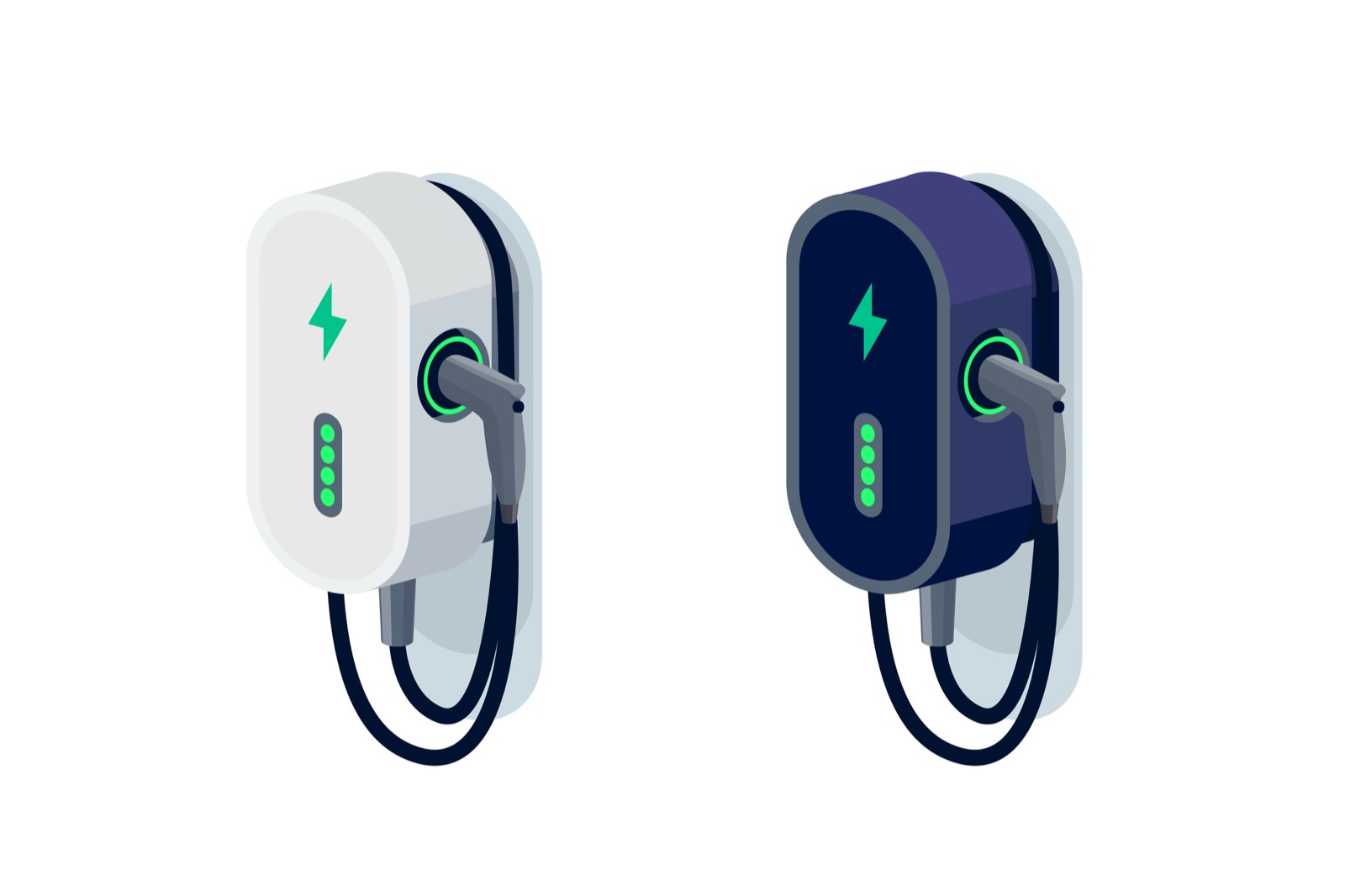
Wallbox Pulsar Plus suits drivers who want a compact Level 2 charger with app control and flexible output
Wallbox Pulsar Plus is a small wall-mounted Level 2 AC charger for home garages, driveways, condo parking spaces where approval is in place, and light commercial parking. It is popular with EV owners who want more charging speed than a standard 120V cord set without installing a large pedestal-style station.
The key point for installation is that Pulsar Plus is not one single electrical setup. The circuit depends on the exact model, the maximum charging current selected, and whether the unit is plug-in or hardwired. Before we quote or install, we confirm the nameplate, connector type, mounting location, panel space, service capacity, and the route from the panel to the charger.
Wallbox also offers app-based controls, Wi-Fi and Bluetooth setup, scheduled charging, and features that can support more advanced energy management. Those features are useful in Ontario because many homeowners want to charge overnight and keep the panel within its safe calculated capacity.
City Power Electrical Services installs Wallbox Pulsar Plus chargers as a Licensed Electrical Contractor, ECRA/ESA #7015314. For a complete service overview, see our EV charger installation service.
The electrical requirements depend on output, plug type, panel capacity, and load management
A Wallbox Pulsar Plus needs a dedicated 240V branch circuit sized to the charger configuration and the Ontario Electrical Safety Code. A 40A plug-in setup and a higher-output hardwired setup are not interchangeable from an electrical planning point of view.
For many North American Pulsar Plus installations, the common plug-in setup uses a NEMA 14-50 style receptacle and a charger output limited to suit that circuit. Higher-output configurations are normally hardwired and require different breaker, conductor, and disconnect planning. We do not size the circuit from the advertisement alone; we size it from the unit label, installation manual, OESC requirements, panel conditions, and the continuous-load calculation.
A proper installation checks:
- Whether the existing panel has physical breaker space and electrical capacity.
- Whether the service is 100A, 200A, or otherwise constrained by other major loads.
- Whether the run is through finished walls, exposed garage framing, exterior conduit, underground raceway, or a detached garage feed.
- Whether copper conductor size, conduit fill, temperature ratings, and voltage drop are appropriate for the selected output.
- Whether a GFCI strategy is required at the breaker, receptacle, or equipment level under the current code and manufacturer instructions.
Outdoor installations need more than simply mounting the charger outside. The setup needs a weather-rated arrangement, correct box and fitting selection, proper cable or conduit protection, and routing that avoids damage from vehicles, shovels, snow clearing, and water entry. A driveway post, brick wall, detached garage, and exterior side wall can each require a different method.
If the panel capacity is tight, load management should be planned before the charger is installed. That is especially important when adding multiple chargers, a second EV, a basement suite, a hot tub, or electric heating. Wallbox power-sharing features can be useful when multiple compatible chargers are installed, but they must be planned as a system, not added casually after the circuits are already in place. If capacity is the issue, a device such as a DCC-9 load management installation or Simple Switch installation may be reviewed as part of the design.
Installation includes the ESA notification, safe mounting, commissioning, and inspection
A new 240V EV charging circuit in Ontario requires ESA notification and inspection. City Power handles the electrical installation as permitted work where required, and the job is not treated as complete until testing, labelling, cleanup, and inspection steps are addressed.
The process starts with a site review. We check the main panel, breaker type, grounding and bonding condition, available capacity, charger location, wall structure, cable route, and Wi-Fi or Bluetooth setup needs. For condos and townhomes, the electrical plan may also need property management or board approval before work begins.
On installation day, we mount the Pulsar Plus at a practical height and location for the charging cable to reach the vehicle inlet without strain. We run the approved wiring method from the panel to the charger location, install the breaker or connection equipment, make the terminations to manufacturer torque requirements, and label the circuit. For plug-in models, the receptacle location and orientation matter because the charger body, plug, and cable holster need room without bending the cord sharply.
Commissioning is not just turning the charger on. We verify voltage, breaker operation, grounding continuity, charger start-up, app connection where requested, and the selected maximum charging current. If the Wallbox is configured below its maximum output because the panel calculation requires it, we make that clear so the homeowner understands why the charger is limited and what would be needed to increase output later.
The ESA inspection checks that the circuit and installation method meet code, not that the car charges at a preferred speed. That means the important items are conductor sizing, overcurrent protection, equipment rating, weather protection, mechanical protection, grounding, bonding, and workmanship. We leave the area cleaned up and provide a written estimate before work proceeds.
Cost, timeline, and alternatives depend on the route, capacity, and charging goal
For a simple Wallbox Pulsar Plus Level 2 install in the GTA — nearby panel and enough capacity — labour, materials, and the ESA permit typically cost $800–$1,500. If the Pulsar Plus needs a longer cable route or work through finished walls, installation usually rises to $1,500–$3,500, with the charger adding $500–$1,200. For most homes, the complete Wallbox Pulsar Plus installation total ends up between $1,500 and $3,000.
For a Wallbox Pulsar Plus install on a tight electrical panel, load management may avoid an upgrade; when it cannot, we can handle a 200A service upgrade ($3,200–$4,500) as part of the same job. The final price is quoted in writing after a site visit because a garage beside the panel is a very different job from a detached garage, an exterior brick run, or a condo parking stall with a long conduit path.
Timeline also depends on the site. Simple residential installations are usually easier to schedule once the charger is on hand and the panel details are confirmed. More complex projects may wait on condo approval, utility coordination, trenching conditions, panel work, or ESA inspection timing.
Pulsar Plus is the right choice if you want a compact charger, app control, adjustable output, and the option to plan multiple Wallbox chargers with power sharing. It is especially appealing where wall space is tight or where the driver wants charging schedules without a bulky station.
It may not be the best fit if you want a different app ecosystem, a heavier-duty simple charger, or a charger brand already used at another property. If you are still comparing, look at ChargePoint Home Flex installation for a widely used connected charger, Grizzl-E charger installation for a rugged Ontario-made option, or our product installation hub for other EV charging equipment. The best charger is the one that matches your vehicle, panel capacity, parking layout, and how you actually charge day to day.
Want a licensed electrician to take a look?
Free written quote, usually the same day. ESA permits handled.
Common questions
Do I need an ESA permit for a Wallbox Pulsar Plus installation in Ontario?
Yes. A new 240V EV charging circuit requires ESA notification and inspection in Ontario. City Power includes required permitting and inspection steps in the installation plan.
Can a Wallbox Pulsar Plus be installed outside?
Yes, when the exact model rating, mounting location, weather protection, conduit or cable protection, and fittings are suitable. We confirm the site conditions before quoting the installation.
Can I install more than one Wallbox charger on the same property?
Often yes, but power sharing or load management must be designed before the chargers and circuits are installed. We check panel capacity, service size, parking layout, and future charging needs first.