Standby generators · installed by a licensed contractor
Briggs and Stratton Generator Installation
City Power installs the electrical side of Briggs & Stratton standby generators for homes in Toronto and the GTA. We handle the transfer switch wiring, generator feeder, grounding and bonding review, ESA notification where required, testing, inspection coordination and cleanup.
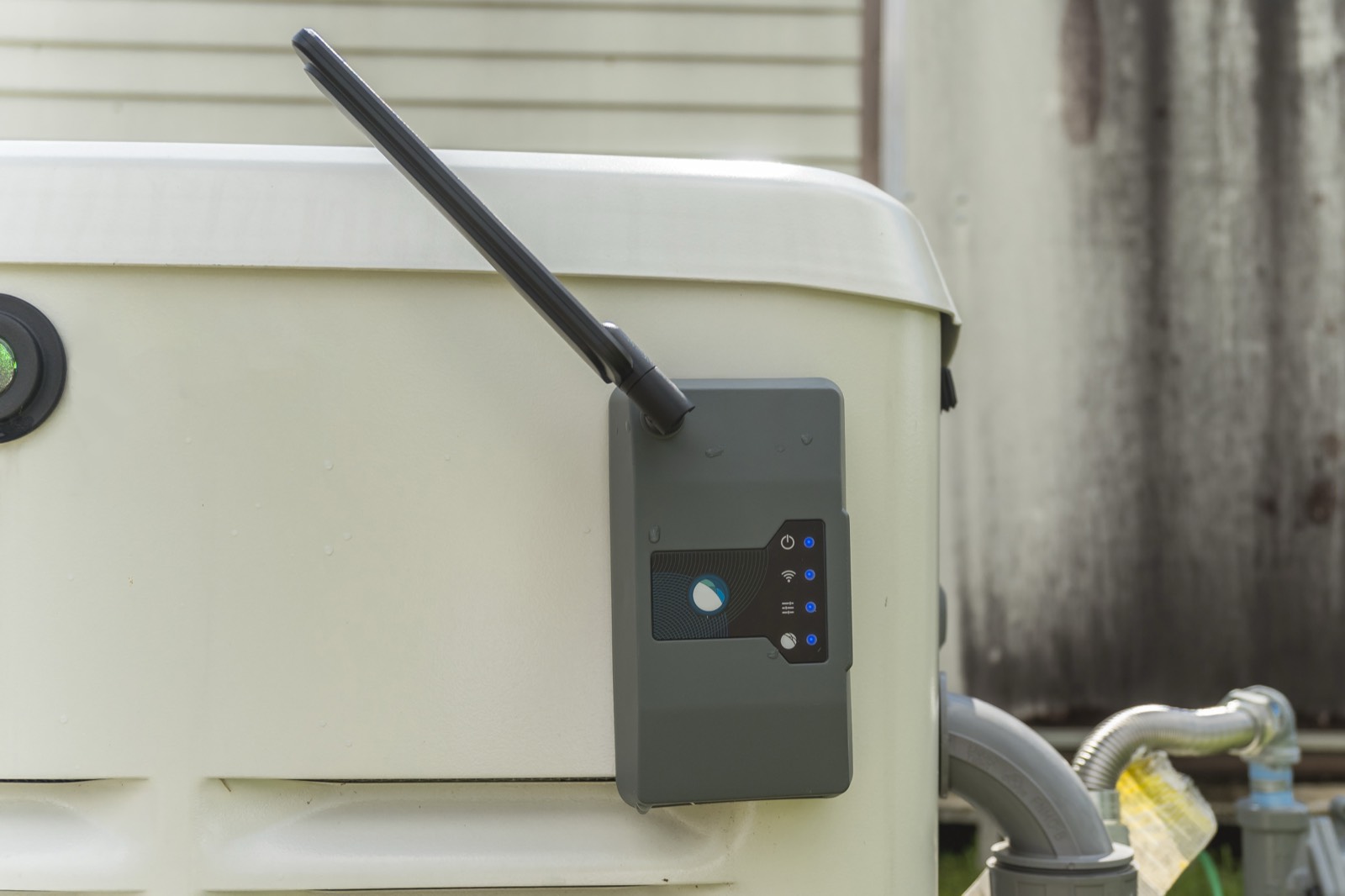
Briggs & Stratton standby generators suit homes that need automatic backup power
A Briggs & Stratton standby generator is a permanently installed backup power system. It is different from a portable generator because it is hardwired through approved transfer equipment and starts automatically when the utility supply fails, depending on the model and setup.
It suits homeowners who want refrigerators, sump pumps, furnace controls, internet equipment, selected lighting, garage doors, medical-device circuits or other essential loads to keep running during an outage. In some homes, the right design is an essential-load panel. In others, a whole-home transfer arrangement may make sense if the service capacity, generator capacity and connected loads support it.
That design choice matters. A standby generator is not just a machine placed outside. The electrical layout has to decide which loads are backed up, how the transfer switch isolates the house from the utility, how the generator feeder is routed, and whether large loads such as electric ranges, dryers, EV chargers, central air, electric heat or hot tubs need to be locked out, shed or left off backup.
We install Briggs & Stratton units as part of our standby generator installation service. If you are still comparing brands, we can also discuss how a Briggs & Stratton option compares with Kohler generator installation, Champion generator installation and Cummins generator installation from an electrical-installation point of view.
The right choice is usually the one that matches the loads you actually need, the available gas supply, the panel layout and the space available outdoors. We do not guess from a model number alone. We confirm the panel, service size, grounding and bonding, transfer equipment location, proposed generator location and route before quoting the installation in writing.
Electrical requirements depend on the transfer switch, backed-up loads and panel capacity
A Briggs & Stratton standby generator installation normally includes a generator feeder, transfer switch wiring, grounding and bonding review, panel integration and testing. The transfer switch is the critical safety device. It prevents the generator from backfeeding the utility grid and prevents utility power from energizing generator output at the wrong time.
The amperage, breaker size, conductor type and wiring method depend on the specific generator and transfer switch, the installation manual, the Ontario Electrical Safety Code and the actual route between equipment. We confirm these details on site before work begins. The system is hardwired; it is not treated like a plug-in appliance.
Panel capacity is part of the design. A whole-home transfer switch may be appropriate for some services, but it does not mean every load can run at once. High-demand equipment may need load management or may need to remain outside the backed-up circuits. An essential-load panel is often cleaner when the priority is heat controls, refrigeration, sump pump, security, network equipment and selected lights rather than every appliance in the house.
We also check the existing electrical service for issues that can affect the generator job: crowded panels, obsolete breakers, double-tapped conductors, poor labelling, missing bonding, older grounding arrangements, aluminum branch wiring, knob-and-tube remnants, and previous unpermitted work. A generator connection should not be added to a panel that has unresolved safety defects.
Fuel piping and the generator gas connection must be coordinated with a licensed gas fitter. City Power handles the electrical scope, and the gas fitter handles the fuel side. The two scopes have to line up because generator placement affects feeder length, disconnecting means, clearances, exhaust direction, service access and gas-pipe routing.
Installation includes ESA notification, mounting coordination, wiring, testing and inspection
In Ontario, the electrical portion of a standby generator installation requires ESA notification and inspection where required. City Power is a Licensed Electrical Contractor, ECRA/ESA #7015314, and we file the electrical notification for our scope.
A typical process starts with a site visit. We look at the main panel, meter location, possible transfer switch location, outdoor generator location, grounding and bonding, cable route, finished walls, service size and the loads you want backed up. We then provide a free written estimate. If a panel upgrade, sub-panel, essential-load panel or service correction is needed, that is identified before the work proceeds.
On installation day, the electrical work may include mounting or wiring the transfer switch, installing the generator feeder, integrating the transfer equipment with the main panel or essential-load panel, updating circuit labelling, installing required disconnecting means where applicable, and preparing the system for commissioning. The generator itself must sit on an approved base or pad in a suitable outdoor location, with clear access for service and safe exhaust discharge.
Testing is not just turning the unit on. The transfer sequence has to be checked. The generator output, transfer operation, backed-up circuits, neutral and bonding arrangement, grounding path and panel labelling all need to make sense together. Where the gas fitter’s work and generator commissioning are separate, we coordinate timing so the electrical inspection and startup steps do not conflict.
ESA inspection focuses on the electrical installation: approved equipment, wiring methods, conductor sizing, overcurrent protection, grounding and bonding, transfer switch installation, panel integration and general compliance with the Ontario Electrical Safety Code. When corrections are required, they have to be completed before the work is considered finished.
We clean up after the job and leave the homeowner with the basic electrical layout clearly explained: what is backed up, what is not backed up, where the transfer equipment is, and what to avoid during an outage.
Cost, timeline and alternatives are quoted after a site visit unless they match published ranges
A standby generator for a typical GTA home — unit, automatic transfer switch, gas connection, electrical, and permits — runs $12,000–$20,000 depending on size (10–26 kW) and site conditions. A budget alternative is a manual transfer switch with inlet box for a portable generator at $1,500–$2,500.
For a Briggs & Stratton standby generator, the final price is quoted in writing after a site visit. The main cost drivers are generator size, transfer switch type, whether an essential-load panel is needed, the distance from the panel to the generator, trenching or exterior conduit, finished-wall fishing, panel condition, gas-fitting complexity and whether utility or service changes are required.
Timeline also depends on scope. A straightforward electrical installation is faster than a project involving a panel upgrade, long exterior run, concrete pad, trenching, gas service changes or coordination with multiple trades. We confirm the expected schedule in the written estimate and include ESA notification and inspection timing in the plan.
If you want automatic backup power without handling cords during an outage, a Briggs & Stratton standby generator can be the right fit. If you only need occasional backup for a few circuits, a portable generator with a manual transfer switch may be more practical. If your goal is silent short-duration backup or solar-ready storage, battery storage may be a better discussion than a fuel-fired generator. For broader pricing context, see our generator installation cost guide.
The decision should start with loads, not brand alone. We help you separate must-run circuits from nice-to-have circuits, then design the transfer and panel work around the home you actually have.
Want a licensed electrician to take a look?
Free written quote, usually the same day. ESA permits handled.
Common questions
Do I need an ESA permit for a Briggs & Stratton generator installation?
Yes. In Ontario, the electrical portion requires ESA notification and inspection where required. City Power files the notification for our electrical scope as a Licensed Electrical Contractor.
Can a Briggs & Stratton generator power my whole house?
Sometimes, but it depends on generator size, service capacity and connected loads. Many homes are better served by an essential-load panel or load management so critical circuits stay on without overloading the generator.
Does City Power connect the gas line too?
No. We handle the electrical installation. Fuel piping and the generator gas connection must be coordinated with a licensed gas fitter, and we plan the electrical work around that scope.