Standby generators · installed by a licensed contractor
Cummins Generator Installation in Toronto & the GTA
City Power installs Cummins standby generators for homes in Toronto and the GTA, including transfer switch wiring, ESA notification, testing, and cleanup. Gas piping and the final fuel connection must be completed by a licensed gas technician.
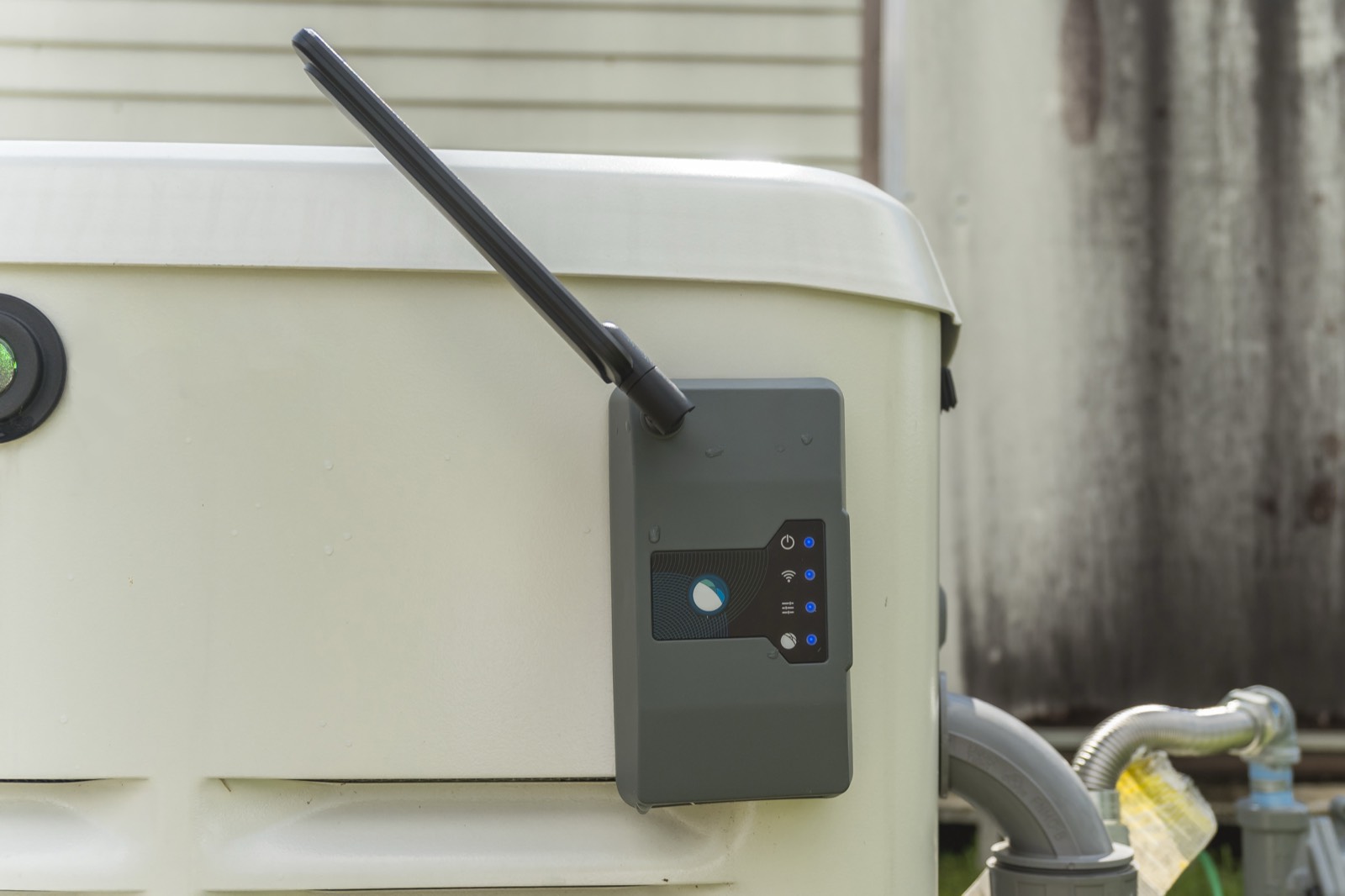
Cummins standby generators suit homes that need automatic backup power
A Cummins standby generator is a permanently installed backup power system that starts when utility power fails and feeds selected loads, or in some designs most of the home, through approved transfer equipment. It is different from a portable generator because it is fixed in place, hardwired, and arranged so it cannot backfeed the utility grid.
This setup suits homes where a long outage is more than an inconvenience: sump pumps, freezers, medical equipment, boiler controls, well pumps, security systems, garage doors, home offices, and winter heating controls all change the backup-power conversation. In Toronto and the GTA, we also look closely at basement flood risk, finished basements, detached garages, and whether the home already has heavy electrical loads such as central air, EV charging, electric ranges, hot tubs, or pool equipment.
The generator itself is only one part of the system. The transfer switch, load calculation, panel condition, grounding, working clearances, generator placement, and fuel coordination decide whether the installation is safe and practical. If you are still comparing brands, start with our main generator installation service page, or compare other product pages in our generator and electrical product hub.
City Power Electrical Services installs Cummins generators as a Licensed Electrical Contractor, ECRA/ESA #7015314. We provide free written estimates, pull ESA notifications where required, arrange inspection, and clean up when the electrical work is complete.
Electrical requirements depend on service size, starting loads, and the transfer strategy
A Cummins standby generator installation is hardwired. It is not plugged into a receptacle, and it should never be connected through a homemade cord, dryer outlet, or panel interlock that is not approved for the exact equipment and application.
The first electrical step is a load calculation. Running loads are only part of it. Starting loads matter because motors draw higher current for a short time when they start. We identify equipment such as:
- Central air conditioning compressors
- Sump and sewage pumps
- Furnace or boiler motors
- Well pumps where present
- Fridges, freezers, and larger kitchen appliances
- Pool pumps or larger outdoor motors
Transfer switch selection depends on the service size, backup strategy, and whether loads are managed. A smaller backup plan may feed a selected-load panel: furnace, sump pump, fridge, key lights, internet equipment, and a few receptacles. A larger plan may use service-rated transfer equipment, but that still needs a proper load calculation and may require managed circuits so the generator is not overloaded when air conditioning, pumps, and appliances call at the same time.
Panel capacity also matters. Older fuse panels, crowded breaker panels, missing labels, double-tapped conductors, damaged grounding, or undersized service equipment can turn a generator project into a panel correction first. If the generator plan exposes a capacity issue, we may recommend panel upgrades before or during the project.
Some loads are better handled as intentional essentials rather than automatic whole-home backup. For example, a sump pump may deserve priority, while an electric range or EV charger may be locked out during generator operation. Where dedicated essential circuits are needed, we can add dedicated circuits as part of the same permitted scope.
Gas piping and the final fuel connection must be done by a licensed gas technician. We coordinate the electrical side with that work, but we do not treat gas connection as an electrical task.
Installation includes ESA notification, mounting coordination, wiring, testing, and inspection
A proper installation starts with a site visit. We check the electrical service, panel location, grounding and bonding, available wall space, route to the transfer switch, outdoor generator location, clearances, and where the gas line will be brought to the unit by the licensed gas technician. We also confirm the utility service area, such as Toronto Hydro, Alectra, Hydro One, Elexicon, Oshawa Power, Oakville Hydro, or Burlington Hydro, when utility coordination is relevant.
Before electrical work begins, we file the ESA notification where required. That matters because standby generator work involves permanent wiring, transfer equipment, and safety checks that protect the home, utility workers, and future service technicians.
The installation usually includes mounting and wiring the transfer switch or transfer equipment, connecting the generator conductors, identifying backed-up circuits, making panel changes, labelling, grounding and bonding checks, and verifying that the generator cannot energize utility lines during an outage. We also check working clearances around the electrical equipment so future service work can be done safely.
Commissioning is not just “does it start?” Testing should confirm that the transfer sequence works, selected loads energize as intended, managed loads respond correctly, and the generator does not get overloaded by motor starts. Where the generator has exercise settings, controls, status wiring, or remote monitoring connections, those are checked according to the equipment requirements.
The ESA inspection verifies that the electrical installation matches the Ontario Electrical Safety Code requirements for the scope: conductor sizing, overcurrent protection, transfer equipment, grounding and bonding, labelling, panel work, and general workmanship. If you are buying a home with an existing generator and no paperwork, a separate electrical inspection can help identify whether the installation appears safe and whether documentation is missing.
Cost, timeline, and whether Cummins is the right choice
A standby generator for a typical GTA home — unit, automatic transfer switch, gas connection, electrical, and permits — runs $12,000–$20,000 depending on size (10–26 kW) and site conditions. For a lower-cost Cummins backup setup, a manual transfer switch with a portable-generator inlet box typically runs $1,500–$2,500.
Those are planning ranges, not a blind quote. Cummins generator installation is quoted in writing after a site visit because the final scope depends on panel condition, service size, generator location, trenching or conduit route, transfer switch type, number of backed-up circuits, load-management requirements, and gas coordination.
A straightforward project with good access, an available panel location, a clear generator pad area, and simple transfer equipment is faster than a home that needs a panel replacement, long exterior conduit, finished-wall fishing, load-shedding controls, or corrections to older wiring. We will tell you what has to be done for code, what is optional, and what should be handled before the generator is commissioned.
Cummins can be a good fit if you want a permanently installed standby system from a major generator manufacturer and you value automatic operation during outages. It is usually the wrong choice if you only need occasional backup for a fridge and a few lights, if there is no practical outdoor location, or if your budget points toward a portable-generator inlet instead.
It is also worth comparing service access, transfer switch options, warranty terms, parts availability, and generator sizing before choosing the brand. If you are still comparing, review our Kohler generator installation and Champion generator installation pages. The best system is not always the biggest generator; it is the one sized to the real starting loads, installed with approved transfer equipment, inspected by ESA, and simple enough for the homeowner to operate during a storm.
Want a licensed electrician to take a look?
Free written quote, usually the same day. ESA permits handled.
Common questions
Do I need an ESA permit for a Cummins standby generator installation?
Yes. Permanent generator wiring and transfer equipment require ESA notification where applicable and inspection. City Power includes the ESA process in the written electrical scope.
Can a Cummins generator power my whole house?
Sometimes, but it depends on the service size, generator size, starting loads, and load-management plan. Air conditioning, sump pumps, well pumps, pool equipment, and large appliances must be included in the calculation.
Who connects the gas line to the generator?
Gas piping and the final fuel connection must be completed by a licensed gas technician. City Power handles the electrical installation and coordinates around the fuel work.