Standby generators · installed by a licensed contractor
Champion Generator Installation in Toronto & the GTA
City Power Electrical Services installs the electrical side of Champion standby generator systems for Toronto and GTA homes. We size the electrical scope around your essential loads, transfer equipment, panel capacity, grounding and bonding, and ESA inspection requirements.
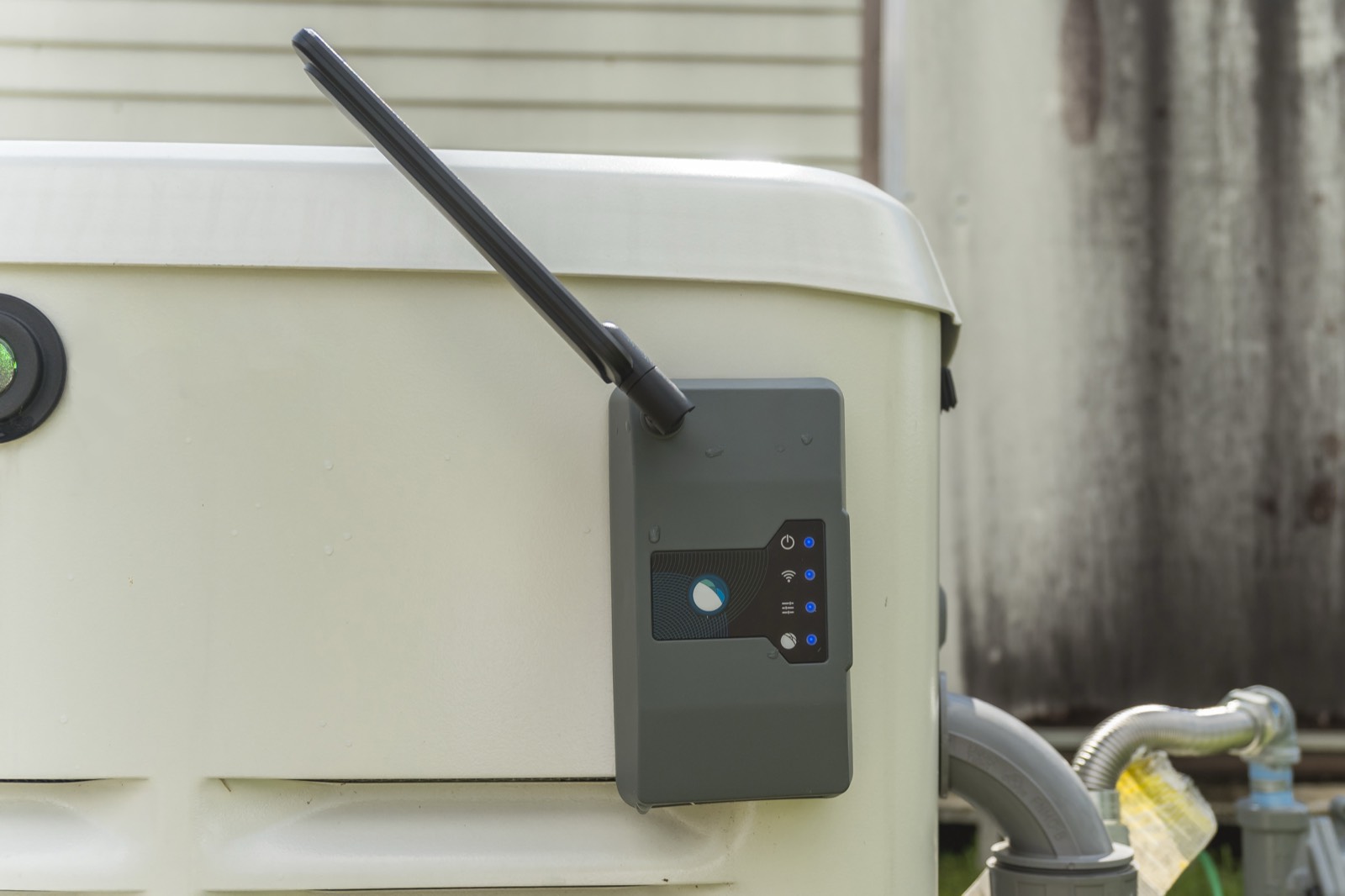
Champion standby generators suit homeowners who want automatic backup power for essential loads
A Champion standby generator is for a homeowner who wants backup power without rolling out a portable generator, running extension cords, or manually moving circuits during an outage.
Unlike a portable unit, a standby generator is a permanently installed system. It sits outside, connects through approved transfer equipment, and supplies selected home circuits or a larger portion of the panel when utility power fails. The electrical installation is not just “hooking up a generator.” It includes transfer equipment, feeder wiring, grounding and bonding, and panel integration.
Champion is worth considering when your priority is practical backup for the loads that actually protect the house: furnace controls, fridge, freezer, sump pump, internet equipment, selected lighting, and a few receptacles. Essential-load planning keeps the generator size realistic. It also avoids paying for a larger system just to cover loads that can usually wait, such as an electric range, dryer, EV charger, or large air-conditioning load.
That planning matters in Toronto and the GTA because many houses have older 100A services, finished basements, tight side yards, and panels that are already busy with renovations, hot tubs, EV chargers, or basement apartments. A good Champion installation starts with what the house needs to survive an outage, not with the biggest unit that will fit on a pad.
City Power Electrical Services installs Champion generators as a Licensed Electrical Contractor, ECRA/ESA #7015314. For broader backup-power planning, see our generator installation service, or compare other standby options on our products page.
The electrical design starts with amperage, transfer equipment, and realistic load selection
The generator’s output amperage, the transfer equipment rating, and the wiring method all have to match the selected Champion model and the loads being backed up.
A standby generator is hardwired. It is not a cord-and-plug appliance and it must not be connected through a dryer receptacle, range receptacle, suicide cord, or any arrangement that could backfeed the utility. Approved transfer equipment is what separates the generator from the utility supply so power cannot energize Toronto Hydro, Alectra, Hydro One, Elexicon, or another local utility line during an outage.
There are two common approaches:
- Essential-load panel: selected circuits are moved to a backup panel, often including furnace, fridge, sump, lighting, alarm, network, and key receptacles.
- Whole-home transfer equipment with load management: the generator connects to the main distribution system, but larger loads may be locked out, shed, or managed so the generator is not overloaded.
The right choice depends on the panel, the service size, and the loads. A 100A home with electric cooking, electric dryer, air conditioning, and an EV charger needs a different plan than a gas-heated home with a sump pump and a few critical circuits. We look at breaker sizes, actual appliance loads, available panel space, neutral and grounding arrangement, service equipment condition, and whether any existing wiring problems should be corrected before the generator is added.
Wire size, breaker size, conduit, disconnecting means, and bonding are chosen from the approved equipment ratings and the Ontario Electrical Safety Code. The generator feeder must be protected correctly. The transfer switch must be rated and installed for the intended use. Neutral and bonding details must follow the equipment design, because getting that wrong can create nuisance tripping, objectionable current on bonding conductors, or unsafe fault-clearing behaviour.
If capacity is tight, load management is usually better than oversizing the generator. Large loads such as central air, electric heat, range, dryer, hot tub, or EV charging can be excluded or controlled. If your home also needs an EV charger, compare this with a dedicated load-management product such as a DCC-9 installation, because generator backup and EV charging both affect the same service calculation.
Installation includes location checks, hardwired connections, testing, and ESA inspection
A proper Champion standby installation starts on site, because the generator location drives much of the electrical work.
The unit location must respect the manufacturer’s clearance requirements and practical municipal realities. We look for clearances from doors, windows, vents, meters, exhaust paths, property constraints, snow accumulation, service access, and a wiring route back to the electrical equipment. The gas side must also be planned by the appropriate gas trade; the electrical installation depends on knowing where the unit and transfer equipment can actually go.
For the electrical scope, the usual steps are:
- Review the main panel, service size, grounding and bonding, and available breaker space.
- Confirm essential loads and whether the job needs an essential-load panel, automatic transfer switch, or load-management equipment.
- Plan the feeder route between generator, transfer equipment, and panel.
- File the ESA notification where required before electrical work starts.
- Install transfer equipment, wiring, disconnects, grounding and bonding, and panel connections.
- Label backed-up circuits clearly so the system is understandable later.
- Test utility-to-generator transfer, return-to-utility operation, and selected load performance.
- Complete ESA inspection for the electrical installation.
The ESA inspection is not a formality. The inspector may review the transfer arrangement, conductor protection, bonding, panel integration, labelling, and whether the installation matches the notification. The point is to prove that the generator cannot backfeed the grid and that the home’s wiring remains protected in both utility and generator modes.
We also pay attention to failure modes that show up later: overloaded backup panels, sump and furnace on the wrong circuits, exterior conduit placed where it will be damaged, transfer equipment mounted where it cannot be serviced, and homeowners assuming the generator can run every load at once. Those issues are preventable during layout.
Cost, timeline, and choosing Champion
Champion generator installation is quoted in writing after a site visit because the cost depends on the selected unit, the transfer equipment, the gas work, the panel condition, the wiring route, and whether load management is needed.
As a planning range, a standby generator for a typical GTA home — unit, automatic transfer switch, gas connection, electrical, and permits — runs $12,000–$20,000 depending on size (10–26 kW) and site conditions. A budget alternative is a manual transfer switch with inlet box for a portable generator at $1,500–$2,500.
The timeline is also site-specific. The electrical work can only be scheduled properly after the equipment location, transfer method, gas requirements, ESA notification, and any utility constraints are known. Finished basements, long exterior runs, panel upgrades, and tight urban side yards all add planning time. We give a written scope so you know what is included before work starts.
Champion can be the right choice if you want automatic standby backup with an essential-load strategy and a practical budget. It is not automatically the right choice if you only need occasional manual backup for a fridge and furnace, or if your real problem is a weak electrical service that should be upgraded first.
If you are comparing brands, look at service access, transfer equipment options, local parts support, noise and placement constraints, and how the unit fits your load plan. You can also compare our pages for Kohler generator installation and Cummins generator installation. The best generator is the one that can be installed safely at your house, inspected properly, and carry the loads you actually need during an outage.
Want a licensed electrician to take a look?
Free written quote, usually the same day. ESA permits handled.
Common questions
Can City Power install the electrical side of a Champion standby generator?
Yes. City Power Electrical Services installs Champion generators as a Licensed Electrical Contractor, ECRA/ESA #7015314. We quote the electrical installation after a site visit, including transfer equipment, wiring, grounding and bonding, panel integration, and ESA inspection where required.
Do I need a whole-home generator or an essential-load setup?
Most homes benefit from essential-load planning first. Furnace, fridge, sump, selected lighting, internet, and key receptacles may be enough. Whole-home transfer can work, but large loads may need to be managed so the generator is not overloaded.
How much does a Champion standby generator installation cost in the GTA?
Champion-specific installations are quoted in writing after a site visit. As a planning range, a standby generator for a typical GTA home — unit, automatic transfer switch, gas connection, electrical, and permits — runs $12,000–$20,000 depending on size (10–26 kW) and site conditions.