Commercial electrical · by industry
Electrical Contractor for Grocery Stores
Grocery and convenience stores cannot afford nuisance trips, dark aisles or dead checkout lanes. City Power Electrical Services provides ESA-permitted electrical work for refrigeration, POS, lighting and maintenance across Toronto and the GTA.
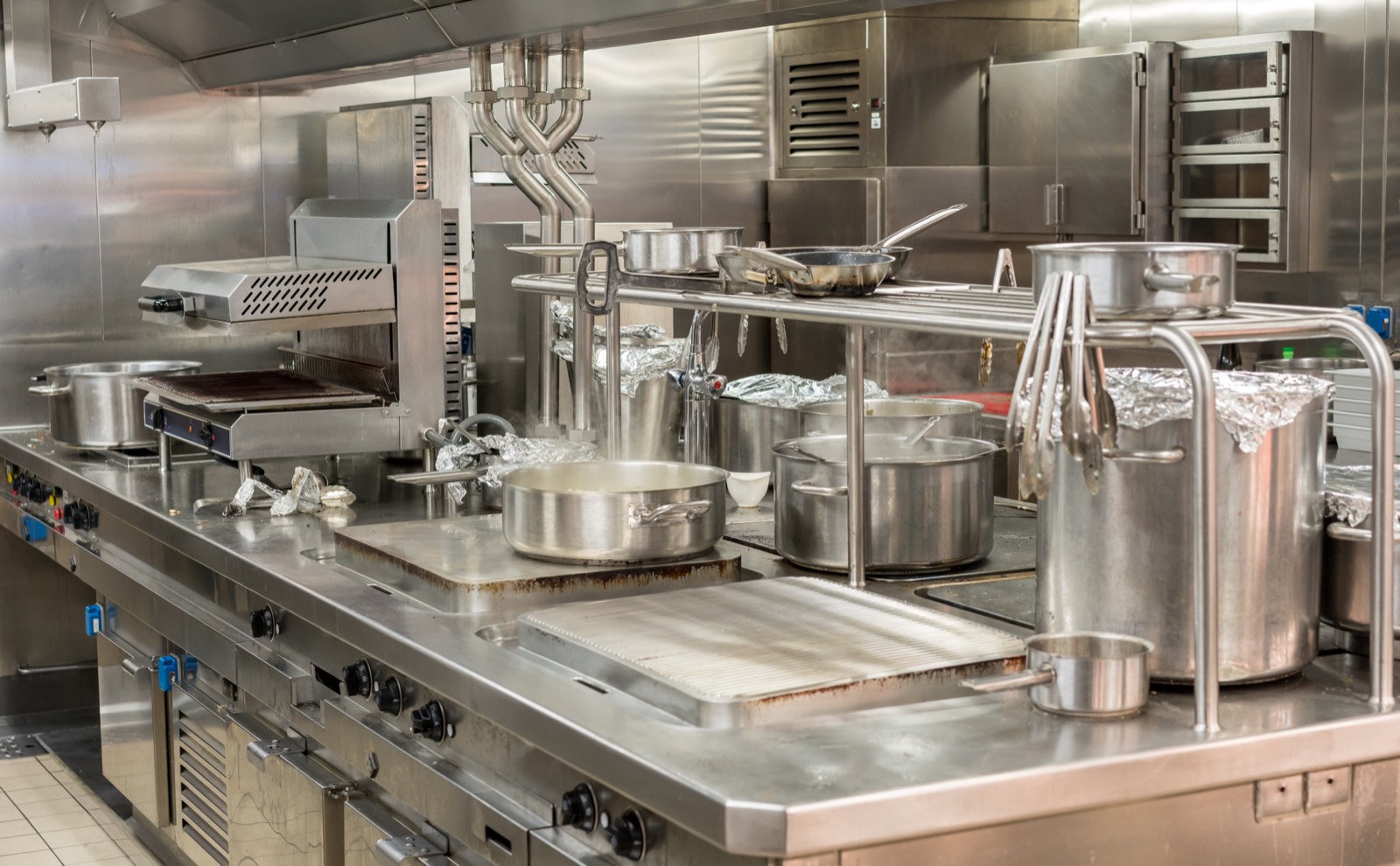
Grocery stores need clean power for cold chain, checkout, lighting and life safety
A grocery store electrical system has to protect product, keep sales moving and make the space safe for staff and customers. The highest-risk loads are usually refrigeration: walk-in coolers, walk-in freezers, reach-in cases, prep coolers, condensers, evaporator fans, defrost heaters, condensate pumps and control panels. These loads should not be sharing random general-use circuits with plugs, signs or small appliances.
We plan dedicated circuits where the equipment requires them, check breaker sizing against nameplates, and label panels clearly so a service technician can find the right circuit quickly. In a store with multiple cases, labelling matters during an emergency. “Cooler 1,” “meat case,” “walk-in freezer evaporator” and “rooftop condenser” are much more useful than a handwritten “plugs” label when product is at risk.
Checkout and front-end loads need the same attention. POS lanes, scales, scanners, receipt printers, customer displays, lottery terminals, ATMs and security equipment often need coordinated receptacle and data locations before counters are installed. A power bar under the cash desk is not a design. We rough in receptacles where the millwork, counter runs and cable paths actually land, and coordinate data cabling so payment and lottery equipment can be serviced without tearing apart the front end.
Lighting is also operational, not cosmetic. Aisle lighting affects how clearly customers see product and how well staff can monitor the floor. Sign lighting and exterior lighting affect visibility from the street, closing duties, delivery access and shrink control. Stockrooms, rear corridors, garbage areas and receiving doors need practical light levels, durable fixtures and switches that staff can actually find. If you are upgrading fixtures or maintaining a multi-site store, our commercial electrical maintenance work can include lighting, panel checks and priority repair planning.
Life safety loads include exit signs, emergency lighting, fire alarm interfaces where applicable, and any required lighting at exits, service corridors and public paths. Grocery stores also have staff-only areas with compressors, mop sinks, storage racks, freezers and wet cleaning routines, so device selection and cover plates must suit the location.
Permits, code and landlord rules are not optional in a food retail space
Most grocery electrical changes require the Ontario Electrical Safety Code to be followed and an ESA notification where required. New circuits, panel work, service changes, refrigeration circuits, exterior signs, emergency lighting alterations and tenant fit-out wiring are not casual handyman work. For grocery store electrical projects, City Power Electrical Services works as a Licensed Electrical Contractor, ECRA/ESA #7015314, with ESA permits and inspections handled where required.
The OESC issues that come up in grocery spaces are specific. Refrigeration equipment must be supplied according to its nameplate and installation instructions. Breakers, conductors and disconnects have to suit the load and the environment. Outdoor condensers, sign circuits, wet or damp locations, floor cleaning areas and exterior receptacles may require weather-rated equipment or GFCI protection depending on the installation. Extension cords are not a substitute for permanent wiring behind counters, in deli prep areas or at seasonal displays.
Fire and emergency systems need coordination too. The Ontario Fire Code, building fire alarm requirements and landlord standards may affect exit signs, emergency lighting, fire alarm tie-ins, hood or suppression system interfaces, and testing access. If a renovation changes the layout, adds new aisles, blocks exits or creates new rooms, the electrical scope should be reviewed before the shelves and coolers are set.
In leased plazas and malls, the landlord or property manager may control the base-building service, meter room access, rooftop equipment locations, coring rules, after-hours shutdown windows and acceptable contractors. Utility coordination may also be needed if the service size changes or if a new meter is part of the project. We review panel directories, existing capacity, available spare circuits, grounding, bonding and route options before recommending a scope.
For owners comparing commercial fit-out requirements across property types, our commercial electrical services page explains how we approach permitted work, inspections and trade coordination. For stores with tighter access control or specialized security layouts, our security-sensitive retail electrical work page shows related planning considerations, though grocery work is usually driven more by refrigeration uptime and checkout reliability.
A grocery electrical project is sequenced around refrigeration and trading hours
The work should be planned so the store can keep operating where possible and so shutdowns are short, controlled and understood in advance. We start with a site visit: panels, service size, refrigeration equipment, rooftop units, cooler rooms, POS counters, sign feeds, exterior lighting, emergency lighting and data routes. We look for overloaded circuits, unlabelled breakers, shared refrigeration loads, damaged covers, warm breakers, missing blanks, poor access to panels and old wiring that should not be extended.
For a tenant improvement, the rough-in sequence usually follows the store layout. Refrigeration locations come first because cases, walk-ins and condensers drive circuit size and routing. POS counters and lottery or ATM locations need confirmation before millwork arrives. Aisle lighting and sign circuits should be set before ceiling work closes. Stockroom, office, staff washroom, prep and receiving areas are then coordinated around plumbing, HVAC, shelving and security.
For an operating store, after-hours work is often the safest route for panel changes, lighting swaps, POS rewiring and circuit tracing. Some tasks can be done during open hours if they do not affect public areas or critical loads. Refrigeration shutdowns are planned separately. Before turning off a cooler or freezer circuit, the scope, timing and restart steps should be clear. If a refrigeration contractor is also involved, we coordinate so electrical disconnects, controls and equipment energization happen in the right order.
Backup power planning should be practical, not vague. A grocery store does not always need every light and every plug on backup, but it may need critical refrigeration, selected POS lanes, network equipment, security, emergency lighting and a few staff areas prioritized during an outage. We identify which panels and circuits matter most, then plan transfer equipment or generator connections accordingly. The same thinking applies to load shedding: protect the cold chain and the ability to take payment first.
ESA inspection timing is built into the schedule. Rough-in wiring may need to be visible before walls or ceilings close. Final inspection usually confirms completed devices, panel labelling, breaker sizing, bonding, covers, equipment installation and correction of deficiencies. At the end, we clean up, update labels where part of the scope, and leave the store with a clearer system than we found.
Grocery store electrical work is quoted after a site visit
Grocery and convenience store electrical work is quoted in writing after a site visit because the cost depends on equipment load, access, hours of work and how much of the existing system can be reused. A simple service call for a failed receptacle at a POS lane is very different from adding refrigeration circuits, replacing exterior lighting, upgrading panels or planning backup power for critical loads.
The main cost drivers are:
- Number and size of refrigeration circuits, including coolers, freezers, condensers, defrost heaters and controls
- Distance from the panel to cases, walk-ins, rooftop equipment, signs or POS counters
- Whether wiring can run in open ceiling, conduit, finished walls, underground or rooftop pathways
- Panel capacity, available breaker spaces and whether a sub-panel or service upgrade is needed
- After-hours labour, staged shutdowns and coordination with refrigeration, millwork, signage, security and data trades
- ESA notification, inspection requirements and any landlord documentation
Small facilities such as retail and office suites typically run $500–$1,500 annually for maintenance; grocery stores are still quoted after a site visit because refrigeration, exterior lighting, signs and emergency response expectations change the scope. Repairs, fit-outs and upgrades are also quoted in writing, with ESA permit requirements included where they apply.
Timelines depend on urgency and access. A troubleshooting visit or small repair may be handled quickly if parts and access are straightforward. A convenience store refresh with POS receptacles, lighting changes and a few added circuits may take multiple visits around operating hours. A larger grocery fit-out with refrigeration, signs, emergency lighting, data coordination and inspections should be planned with the general contractor, landlord and refrigeration contractor before equipment delivery.
City Power Electrical Services serves Toronto and the GTA, including North York, Scarborough, Etobicoke, Mississauga, Brampton, Markham, Vaughan, Richmond Hill, Oakville, Burlington, Hamilton, Pickering, Ajax, Whitby, Oshawa and Barrie. We provide free written estimates, 24/7 emergency service and full cleanup on completion.
Want a licensed electrician to take a look?
Free written quote, usually the same day. ESA permits handled.
Common questions
Can you add dedicated circuits for new coolers or freezers?
Yes. We check the equipment nameplate, panel capacity, route options and disconnect requirements, then install ESA-permitted circuits where required. We also label the panel clearly so refrigeration service is faster later.
Do grocery stores need backup power for all refrigeration?
Not always. Backup power planning usually starts by identifying critical coolers, freezers, POS lanes, network equipment and security loads. The final design is quoted after a site visit and coordinated with the generator or transfer equipment requirements.
Can you work after hours so the store can stay open?
Yes, where the scope allows it. We often plan panel work, lighting swaps, POS wiring and shutdowns outside trading hours, especially when refrigeration or customer areas are affected.
Do you handle ESA permits and inspections?
Yes. City Power Electrical Services provides licensed electrical contracting for grocery stores, ECRA/ESA #7015314. We file ESA notifications where required, complete the work to the Ontario Electrical Safety Code and coordinate inspection.