Comparison
Time of Use vs Ultra Low Overnight
Verdict: Ultra-Low Overnight usually wins when your EV can charge on a reliable overnight schedule
For many Ontario EV owners, the Ultra-Low Overnight plan is the better fit if the car can wait to charge until the low overnight window and your household can avoid heavy use during the higher-priced periods. If you plug in as soon as you get home, run laundry after dinner, cook electrically, or have people using power throughout the day, regular Time-of-Use may be simpler and less risky.
The important point: the electricity plan does not change how much energy your EV needs. It changes when that energy is billed. A Level 2 charger with scheduling lets you move most of the charging load into the cheapest window instead of starting immediately when you plug in.
Before switching, check current Ontario Energy Board pricing and your local utility details. Rates, time windows, eligibility, and bill examples can change. Your distributor may be Toronto Hydro, Alectra, Oakville Hydro, Burlington Hydro, Oshawa Power, Elexicon, Hydro One, or another Ontario utility, but the plan choice should be made using the current published information for your account.
If you are still deciding between plan types, also read our guide to Time-of-Use vs Tiered pricing. If your main reason for comparing plans is a new charger, start with a properly installed Level 2 EV charger so the schedule is reliable and code-compliant.
Side by side: Time-of-Use is forgiving, Ultra-Low Overnight is more targeted
Time-of-Use spreads electricity pricing across familiar daily periods; Ultra-Low Overnight creates a much stronger incentive to move flexible loads into the overnight window. That makes Ultra-Low Overnight powerful for EV charging, but less forgiving if your home uses a lot of electricity at the wrong times.
| Plan | How it works conceptually | Best fit | Main caution |
|---|---|---|---|
| Time-of-Use | Different rates apply at different parts of the day, with lower pricing during off-peak periods and higher pricing during busier periods. | Homes with mixed schedules, daytime use, evening cooking, laundry, or irregular EV charging. | Savings depend on shifting use, but the penalty for imperfect timing is usually less sharp. |
| Ultra-Low Overnight | Very low pricing applies during the overnight window, with higher pricing in other periods to balance it. | EV owners who can schedule most charging overnight and avoid heavy use during higher-priced periods. | If the car or house draws heavily outside the overnight window, the benefit can shrink or disappear. |
Think of Time-of-Use as a broad habit plan. You try to run flexible loads outside the busiest periods, but life can be a little messy.
Think of Ultra-Low Overnight as a scheduling plan. It works best when the EV, dishwasher, laundry, and other flexible loads can be delayed predictably. A smart charger or vehicle app makes this realistic because you can plug in after work and tell the charger not to start until the selected window.
For the most current program wording, review the Ultra-Low Overnight electricity rate information and then compare it against your own bill, not an average example.
Time-of-Use wins when your charging and household use are irregular
Time-of-Use is usually the safer choice when your home cannot consistently shift large loads overnight. That includes households where the EV comes and goes at different times, where a driver needs a partial top-up before going out again, or where someone works from home and uses significant electricity during the day.
It can also be better when the house has electric-heavy evening routines. Examples include an electric range used daily after work, laundry that happens in the evening, electric water heating, dehumidifiers, pool or spa equipment, or a basement apartment with its own cooking and laundry habits. Ultra-Low Overnight can still work in some of those homes, but you have to be honest about behaviour. A cheaper overnight price does not help if most consumption lands outside that window.
Time-of-Use also fits drivers who do not need a strict charging routine. If you drive short distances, charge only a few times per week, or often plug in during weekends and off-peak periods, a regular Time-of-Use plan may be easier than chasing one narrow window.
From an electrical point of view, Time-of-Use does not reduce the need for a safe charger circuit. Do not use extension cords, plug-in timers, or an old shared garage receptacle to imitate a charging schedule. EV charging is a long-duration load. Loose receptacles, worn contacts, undersized wiring, and shared circuits can overheat under continuous charging. If the setup is not designed for the load, the rate plan is not the real problem.
Ultra-Low Overnight wins when Level 2 charging can be scheduled and left alone
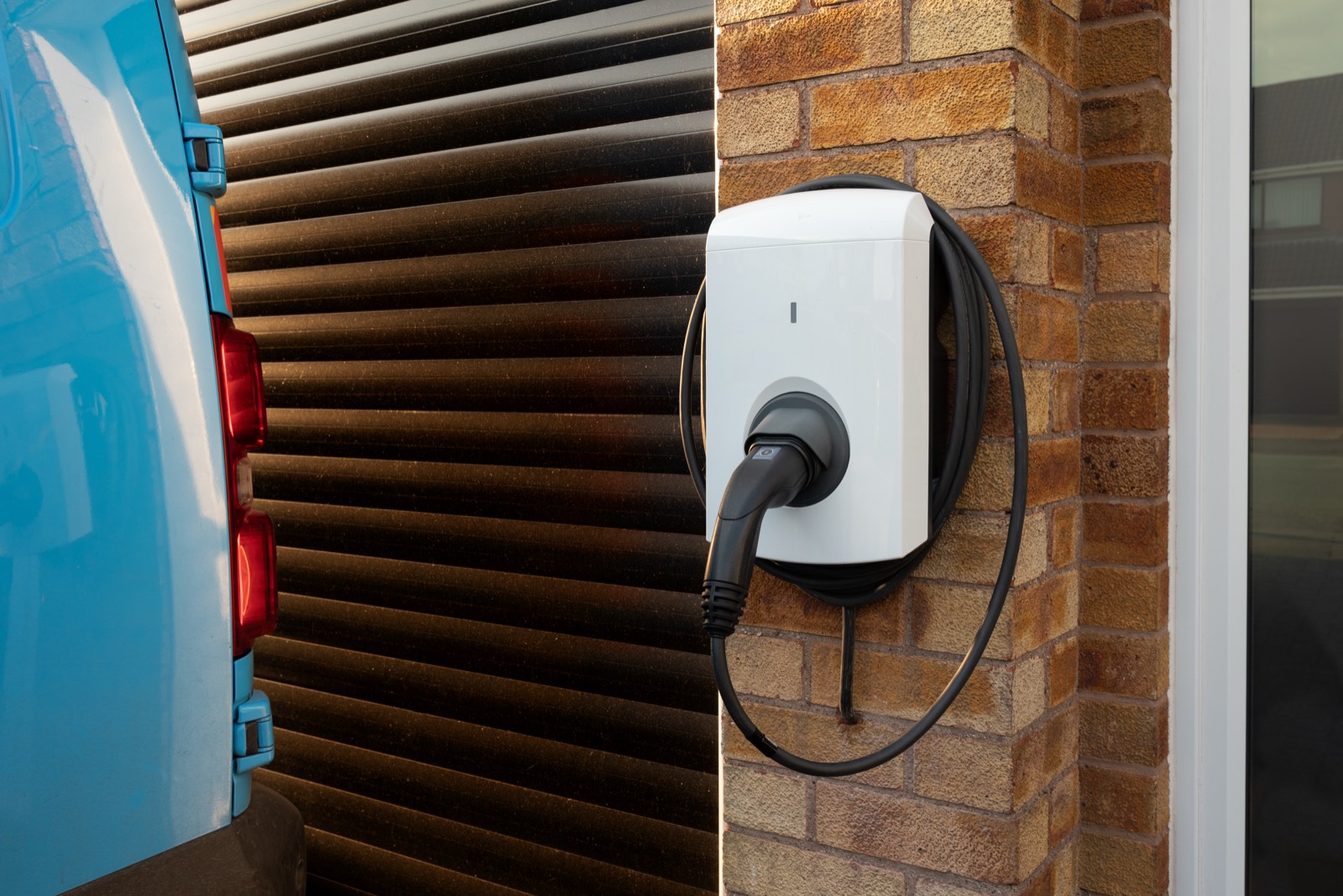
Ultra-Low Overnight is strongest when your Level 2 charger or vehicle can delay charging automatically. You plug in when you park, but the charger waits. By morning, the car is charged without you manually starting or stopping anything.
That matters because most EV owners do not want another nightly chore. The practical setup is:
- A dedicated 240V EV charger circuit installed to Ontario Electrical Safety Code requirements.
- A charger or vehicle app with delayed-start scheduling.
- A target charge level set in the vehicle, where available.
- Enough charging speed to recover your normal daily driving within the overnight window.
- A panel with enough capacity, or a load-management device if capacity is tight.
The charger size is not only about speed. It affects whether the car can finish during the low-priced window. A very slow setup may spill charging into higher-priced periods. An oversized setup may not be possible on an older panel without load management or a service upgrade. The correct design comes from the EV, the panel capacity, the wire route, the parking location, and how much you actually drive.
This is where the electrical work and the rate plan meet. Ultra-Low Overnight rewards a charger that can start, stop, and recover range predictably. A properly installed Level 2 charger makes that possible. A loose 120V garage plug does not.
Where required, EV charger work is permitted with the ESA and inspected. That matters because the charger is a fixed electrical load, not just an appliance you happen to plug in.
Our recommendation for a GTA home: check the bill, the car schedule, and the panel before switching
For a typical GTA home with one EV, we recommend a simple decision process: confirm the current rates, check when the car can actually charge, then confirm the electrical system can support the charger safely.
Start with your utility bill. Look at when your household uses electricity, not only the total monthly amount. If the home is empty during the day and the EV can wait until overnight, Ultra-Low Overnight deserves a serious look. If the house is active during higher-priced periods, Time-of-Use may be the better fit.
Then check the car side. Some vehicles schedule charging inside the vehicle app. Some chargers schedule charging inside the charger app. Some allow both, which can cause confusion if the two schedules conflict. Pick one primary schedule and test it for a week before assuming the bill will change.
Next, check the panel. EV charging can expose weak service capacity. A home with air conditioning, electric range, hot tub, basement apartment loads, or future plans for battery storage may need a load calculation before choosing charger amperage. When panel capacity is limited, load management can often keep overnight EV charging off a panel upgrade; if not, a 200A upgrade ($3,200–$4,500) is completed alongside the charger.
For a straightforward Level 2 installation in the GTA — panel nearby, capacity available — the published range is $800–$1,500 for labour, materials, and the ESA permit. For TOU or Ultra Low Overnight charging setups, longer cable routes or finished-wall fishing can bring installation to $1,500–$3,500, with the charger adding another $500–$1,200. For most homes comparing Time-of-Use and Ultra Low Overnight savings, the total installed cost ends up around $1,500 to $3,000.
If you are also adding electronics in the garage, a charger, networking gear, or a new panel, consider whether whole-home surge protection belongs in the same conversation. It is not required for choosing a rate plan, but it can protect sensitive equipment connected to the home electrical system.
The rate plan is a billing choice; the charger is a safety and performance choice
Switching from Time-of-Use to Ultra-Low Overnight is handled through the electricity account, but the charger installation is physical electrical work. Keep those decisions connected, but do not confuse them.
The rate plan answers: when should I buy electricity?
The charger installation answers: can my home safely deliver the charging load, in the right location, at the right speed, with ESA documentation where required?
During an EV charger assessment, we look at the panel rating, breaker space, service capacity, grounding and bonding condition, wire route, wall finishes, garage or exterior location, and whether the charger will be hardwired or connected through an approved receptacle where appropriate. We also look at practical use: where the vehicle parks, cable reach, snow and water exposure, and whether the driver needs daily charging or occasional top-ups.
The biggest mistakes we see are behavioural, not technical: choosing Ultra-Low Overnight but letting the car charge immediately after work; setting both the car and charger schedules so they fight each other; assuming a 120V receptacle is enough for a long commute; or using cords and adapters that were never meant for continuous EV charging.
The same caution applies to other overnight loads. Some appliances are designed to run unattended; some portable loads are not. If you are unsure, our article on whether overnight electrical loads are safe explains the difference in plain language.
For most EV owners, the practical answer is this: if you can schedule charging overnight and avoid heavy household use during the higher-priced periods, Ultra-Low Overnight is worth comparing with your current bill. If your schedule is unpredictable, Time-of-Use may be the steadier choice. Either way, install the charger properly first, confirm current OEB and utility rates, and make the plan decision based on your real household pattern.
Want a licensed electrician to take a look?
Free written quote, usually the same day. ESA permits handled.