Program · Ontario Energy Board; enrolled through your local electricity utility
Ultra-Low Overnight Electricity Rate
The ultra-low overnight electricity rate is an Ontario electricity price plan that can make home EV charging cheaper when you can shift charging into the lowest overnight window. It is not a rebate cheque; it is a billing choice you switch to through your utility account.
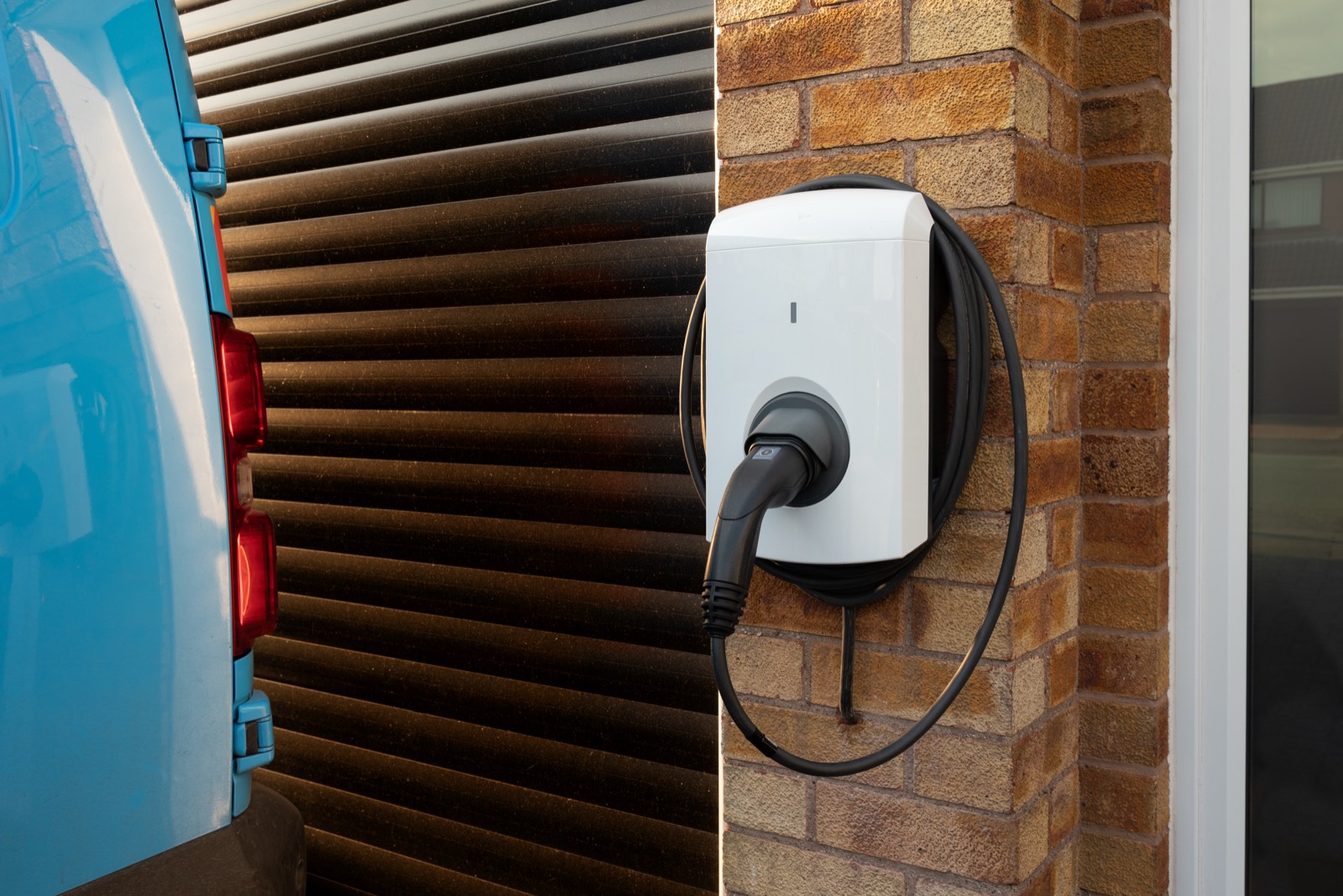
The ultra-low overnight electricity rate is a billing plan for shifting load into the night
Ontario’s ultra-low overnight electricity rate is an optional electricity price plan for eligible Regulated Price Plan customers. Instead of paying the same pattern as standard time-of-use or tiered pricing, ULO gives a very low overnight energy price and recovers more cost during higher-demand periods.
That structure is why EV owners pay attention to it. A car is one of the few household loads you can move almost completely into the middle of the night without changing how you live. If your EV is parked at home and your charger or vehicle app can schedule charging, ULO may reduce the energy portion of your charging cost.
Do not compare plans using old cents-per-kWh screenshots. Electricity rates change, delivery and regulatory charges still apply, and your best plan depends on when the home uses power. Check the current program page or your utility account before switching.
In practical terms:
- Time-of-use rewards off-peak use but still has a broader daily schedule.
- Tiered pricing ignores the clock and prices usage by monthly consumption blocks.
- Ultra-low overnight is built for customers who can move substantial use into the overnight period, such as EV charging.
For a deeper comparison of rate structures, see our guide to Time of Use vs Ultra Low Overnight and the broader Time-of-Use vs Tiered Pricing page.
Most eligible Ontario utility customers switch through their electricity account
ULO is offered through local electricity utilities for eligible customers on the Regulated Price Plan. In the GTA and surrounding service areas, that can include utilities such as Toronto Hydro, Alectra, Oakville Hydro, Burlington Hydro, Oshawa Power, Elexicon and Hydro One, depending on where the property is located.
The utility is the place to confirm eligibility and switch plans. You usually do this by signing in to the online electricity account, choosing the price plan option, and confirming the effective date shown by the utility. Some utilities also allow changes by phone or account form.
Before switching, check these details in your account:
- Whether your account is residential, small business, condominium suite, landlord-metered or separately metered.
- Whether you are on regulated utility supply or have a retail electricity contract.
- When the price plan change takes effect on your bill.
- Whether your meter and billing setup support the option.
- How often you are allowed to change price plans.
Condominium owners should be especially careful. Some suites are individually billed by the local utility, while others are served through a bulk-metered building, sub-metering company or shared garage electrical system. If the parking garage charger is on a common-area meter, your personal suite rate plan may not control the charger’s electricity cost.
Tenants should also check the lease and billing arrangement. If electricity is included in rent, or the landlord controls the account, the tenant may not be able to switch the rate plan directly.
ULO helps most when Level 2 charging is scheduled, reliable and on the right circuit
A Level 2 EV charger makes ULO easier to use because it can add meaningful range during a defined overnight window. A standard 120-volt receptacle may work for some drivers, but it charges slowly and can spill charging into higher-priced periods if the battery is low or the commute is long.
The setup matters. A proper EV charger installation normally includes a dedicated circuit sized for the charger, the panel capacity check, correct breaker and conductor sizing, and ESA notification where required. Hardwired chargers often support higher continuous charging rates, while plug-in units need the correct receptacle and GFCI protection where required by the Ontario Electrical Safety Code.
Scheduling is the detail that protects the savings. The charger, vehicle or both should be set so charging starts and stops inside the overnight period shown by your utility. We often see three avoidable problems:
- The vehicle is scheduled, but the charger is also scheduled differently, so charging does not start.
- The charger is left in “charge now” mode after a service visit or app reset.
- The EVSE is installed on a smaller circuit than expected, so it cannot finish the charge before the higher-price period begins.
Dedicated circuits also matter for safety. EV charging is a continuous load, not a brief appliance start-up. Loose terminations, undersized wiring, nuisance tripping or shared garage receptacles are not acceptable shortcuts.
Where panel capacity is tight, load management can help. A load-management device can reduce or pause EV charging when the home is using large loads such as an electric range, dryer, heat pump or hot tub. That can let some homes charge overnight without immediately moving to a larger service, but it must be selected, wired and documented correctly.
The application is a utility switch; the electrical paperwork supports the charger
Switching to ULO does not usually require an electrician’s invoice or ESA certificate. It is a billing selection made through your electricity account. The electrical paperwork becomes important when you install, modify or document the EV charger itself.
For an EV charger project, the paperwork may include:
- A written estimate describing the charger circuit, wiring method, breaker size and location.
- A load calculation showing whether the existing service and panel can support the added EV load.
- The ESA notification where required for new electrical work.
- The ESA certificate of acceptance after inspection, when the work is inspected and accepted.
- The final invoice identifying the electrical scope completed.
- Manufacturer information for the charger or load-management device, if requested by a condo board, property manager, insurer or utility.
The ESA inspection is not a review of whether ULO is the best billing plan. It is a safety inspection of the electrical work. For an EV charger, the inspector may look at conductor sizing, overcurrent protection, bonding, disconnecting means where applicable, GFCI requirements, outdoor rating, cable support, panel labelling and whether the installation matches the notification.
If you are troubleshooting a high bill before switching plans, start with the load pattern. Electric space heating, water heating, old refrigeration, dehumidifiers, pool pumps and always-on electronics can erase some of the benefit of an EV-friendly rate plan. Our guide to why your electricity bill is so high explains common non-EV causes.
City Power installs the electrical side so the rate plan can actually work
City Power Electrical Services is a licensed Ontario electrical contractor, ECRA/ESA #7015314, founded and run by Sam, a licensed electrician with fifteen-plus years in the trade. We do not administer ULO or switch your utility account for you. We make the home electrical setup safe, code-compliant and practical for overnight EV charging.
For a typical call, we look at the panel, service size, spare breaker space, major household loads, charger location, cable route and whether load management is sensible. If the charger is going in a garage, driveway, carport or condo parking space, we also look at physical protection, weather exposure, Wi-Fi or app access, and how the charging schedule will be controlled.
Where required, we file the ESA notification, complete the installation, arrange inspection and provide the paperwork you need for your records. Every job is permitted with the ESA where required and inspected, and we clean up when the work is done.
If you are comparing electricity plans, start with your utility account and current usage pattern. If the numbers point toward overnight charging, we can quote the electrical work in writing after a site visit and install the charger so the schedule, circuit and panel capacity match the plan. You can also check other energy-related options on our rebates and programs hub.
Want a licensed electrician to take a look?
Free written quote, usually the same day. ESA permits handled.
Common questions
Is the ultra-low overnight electricity rate an EV charger rebate?
No. ULO is a utility billing plan, not a rebate payment. It can lower the energy cost of charging if you reliably charge during the overnight period, but the charger installation is still a separate electrical project.
Do I need a Level 2 charger to benefit from ULO?
Not always, but Level 2 charging makes the plan more practical for many EV drivers. It charges faster, can be scheduled cleanly inside the overnight window, and should be installed on a dedicated circuit with ESA notification where required.
Will City Power switch my electricity account to ULO?
No. You switch the rate plan through your local utility account. City Power can install the EV charger, complete the load calculation, file ESA paperwork where required, and provide invoices and inspection documentation for your records.