Comparison
Solar Panels vs Battery Backup
Verdict: solar makes power, batteries make that power useful during outages
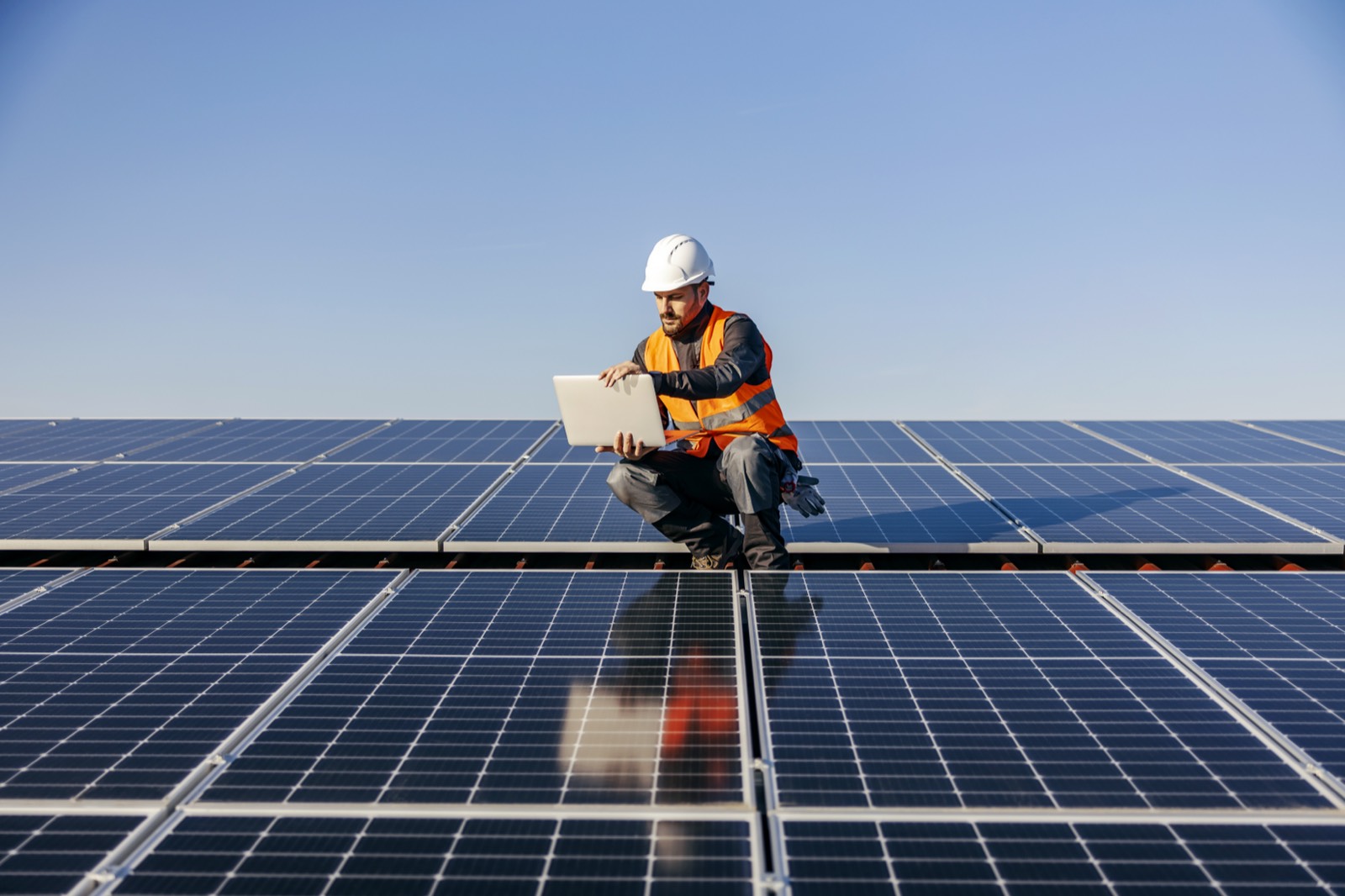
For most GTA homes, solar panels vs battery backup is not an either-or decision. Solar panels are generation. A battery is storage and backup control. Solar can reduce how much electricity you buy from the grid over the year, but a standard grid-tied solar system normally shuts down during an outage for utility worker safety. A battery system can keep selected circuits running when the grid fails, and it can also store solar energy if the system is designed for that from the start.
If your main concern is monthly electricity use and long-term energy independence, start with solar-ready planning. If your main concern is sump pumps, fridges, internet, medical equipment, or working from home during outages, start with battery backup planning. If you are renovating, upgrading a panel, finishing a garage, or opening walls, the smartest move is to wire for both even if you only install one today.
That is the point of solar-ready wiring: install the pathway, panel capacity, disconnect locations, labels, and future battery provisions before drywall, roofing work, or landscaping makes the route harder.
The side-by-side answer: solar offsets energy, batteries protect selected loads
Solar and batteries solve different electrical problems. The confusion comes from the fact that they are often sold together, use similar inverters, and both connect near the panel.
| Question | Solar panels | Battery backup |
|---|---|---|
| What it does | Generates electricity from sunlight | Stores electricity and supplies it later |
| Best at | Reducing grid consumption over time | Keeping selected circuits on during outages |
| Works at night | No | Yes, if charged |
| Works in a grid outage | Not by itself in most grid-tied systems | Yes, when installed with proper transfer/backup equipment |
| Grid interaction | Exports surplus through a utility-approved connection where permitted | Can charge from solar or grid, and may support time-of-use strategies depending on setup |
| Main equipment | Roof or ground-mounted panels, inverter or microinverters, DC/AC wiring, disconnects, utility interconnection | Battery cabinet, hybrid inverter or gateway, critical loads panel or whole-home backup equipment, monitoring |
| Electrical planning issue | Conduit path from roof to electrical room, inverter location, panel capacity, utility approval | Load selection, backup panel, battery location, clearances, transfer equipment, commissioning |
| Typical home role | Lower annual purchased electricity | Resilience for outages and essential circuits |
A key detail: solar production and outage backup are not the same thing. A sunny roof does not automatically mean your house can use that solar power when the utility grid is down. Grid-tied inverters must stop energizing utility lines during an outage unless the system is isolated through approved equipment. That isolation is why batteries, backup gateways, and critical-loads panels matter.
If you want a deeper resilience overview, see our guide to GTA home backup power. For installed battery options, we also provide battery storage installation.
Solar wins when your goal is generation, roof value, and future electrification
Solar is the better first priority when your roof, panel, and utility connection are ready and your goal is to generate electricity over many years. It fits homes that are adding EV charging, heat pumps, induction cooking, or other electric loads and want a long-term source of on-site generation.
The electrical work is more than just “panels on a roof.” A proper solar-ready plan looks at:
- A clean conduit route from the attic or roof area to the electrical room.
- Space near the panel for an inverter, combiner, disconnects, and labels.
- Panel capacity and breaker space for backfeed or supply-side connection methods where allowed.
- Grounding and bonding paths that match the equipment design.
- Utility coordination with the local distributor, such as Toronto Hydro, Alectra, Hydro One, Elexicon, Oakville Hydro, Burlington Hydro, or Oshawa Power, depending on the property.
- ESA notification and inspection where required.
Grid interaction is the big planning step. A solar system connected to the grid needs utility approval, appropriate metering, and protection so it does not energize the grid during an outage. Programmes and credits change, so we do not quote rebate amounts or savings promises. Confirm current rules directly with the utility or programme administrator before making a financial decision.
Solar also wins when you are opening the home anyway. If a renovation exposes a chase from the attic to the basement, that is the time to install a labelled raceway for future solar conductors. If you wait until after spray foam, finished ceilings, or a new basement ceiling are complete, the same pathway may require fishing, surface conduit, or drywall repair.
What solar does not do by itself is guarantee backup power. If the grid is down, a standard grid-tied solar system is usually down too. To run your fridge, furnace controls, router, freezer, or sump pump in an outage, plan the battery side at the same time.
Battery backup wins when your goal is outage protection and controlled loads
Battery backup is the better first priority when a short outage would cause real damage or disruption. In the GTA, that often means a sump pump, basement freezer, fridge, garage door opener, modem/router, furnace blower or controls, selected lighting, and a few receptacles for charging phones and laptops.
A battery system is not just a big power bank. The electrical design decides what it can safely run. The key pieces are:
- A battery cabinet or wall-mounted unit in a permitted location.
- A backup gateway, transfer device, or hybrid inverter that separates the home from the grid during an outage.
- A critical loads panel, unless the home is designed for whole-home backup.
- Load calculations so large appliances do not overload the battery system.
- Labelling, disconnects, working clearances, and ESA inspection.
- Commissioning so the system actually transfers correctly when grid power fails.
This is where many homeowners overestimate battery backup. One battery may be excellent for essentials, but large electric loads can drain it quickly or exceed its output. Electric ranges, central air conditioners, hot tubs, saunas, and electric vehicle chargers need careful review before they are placed on backup. Sometimes the right answer is not “back up everything”; it is “back up the loads that matter.”
A Tesla Powerwall 3 installed typically runs $13,000–$18,000 including the unit, backup gateway, electrical work, and permits. Other battery platforms, such as Enphase IQ Battery installation, FranklinWH battery installation, and EcoFlow battery installation, are quoted in writing after a site visit because the panel layout, load selection, location, and integration method change the scope.
Battery backup also makes sense when solar is not practical yet. A shaded roof, older shingles, condo restrictions, or future roof replacement may delay solar. You can still install a battery-ready electrical layout now: backup panel, transfer equipment space, raceways, and load separation.
The best GTA design usually plans solar and battery together
The strongest design is a home that is wired so solar can charge the battery and the battery can feed selected loads during an outage. Even if the solar array or battery is installed later, the electrical room should not paint you into a corner.
The planning details are specific:
- Panel location: There must be room for solar breakers, battery breakers, gateways, disconnects, surge protection, and future labels without crowding the working space.
- Critical loads panel: Essential circuits may need to be moved out of the main panel into a backup panel. That work is easiest before the battery arrives.
- Conduit sizing: A future solar route should account for the likely conductor count and bends from the roof area to the electrical room.
- Battery location: The battery needs a suitable wall or floor area, manufacturer clearances, protection from impact where required, and a practical route back to the panel.
- Utility and ESA sequence: Grid-tied generation, service upgrades, and battery interconnections may involve both ESA and the local utility. The order matters.
- Load management: EV chargers, electric heat, air conditioning, and kitchen equipment can affect whether the service has enough capacity.
This is why solar-ready wiring should be done by someone who understands service equipment, not just low-voltage or general renovation wiring. The future system may involve backfeed limits, inverter output, transfer equipment, and load calculations. If the home also needs a panel upgrade, the panel choice and layout should leave room for the next phase; our comparison of Square D vs Siemens vs Eaton panels explains why the panel family and breaker availability matter.
For outage-critical homes, we also look at single points of failure. A battery is useful, but a sump pump still needs a good circuit, correct GFCI protection where required, and a realistic runtime plan. If basement flooding is the main fear, review backup power for sump pumps before deciding how many loads to place on a battery.
What we recommend: wire for both, install based on your risk and timing
For a typical GTA detached or semi-detached home, our recommendation is simple: make the electrical system solar-and-battery ready, then choose the first installation based on your main problem.
Choose solar first if:
- Your roof is in good condition and has usable sun exposure.
- You want to reduce grid consumption over the long term.
- You are planning EV charging or other electrification.
- You can wait for backup power, but want the home ready for it.
Choose battery first if:
- Outages create safety, work, medical, freezer, or flooding concerns.
- You have a sump pump or basement that cannot tolerate downtime.
- Your roof is shaded, due for replacement, or not ready for solar.
- You want essential circuits protected now, with solar later.
Choose both together if:
- You want solar production during normal operation and controlled backup during outages.
- You are already upgrading the panel or opening walls.
- You want one integrated design instead of retrofitting around earlier decisions.
- You want the cleanest equipment layout with one coordinated ESA path.
City Power Electrical Services is licensed to perform electrical work under ECRA/ESA #7015314. We provide free written estimates, pull ESA notifications where required, arrange inspection, and clean up after the work. For solar-ready wiring or battery planning in Toronto and the GTA, we start with the panel, roof-to-panel route, utility service, backup loads, and future expansion goals. Then we quote the work in writing after a site visit, without relying on rebate assumptions that may change.
Want a licensed electrician to take a look?
Free written quote, usually the same day. ESA permits handled.