Home batteries · installed by a licensed contractor
FranklinWH Battery Installation in Toronto & the GTA
City Power installs whole-home battery systems for Toronto and GTA homeowners who want backup power, cleaner panel organization, and a planned strategy for essential loads. FranklinWH projects are quoted in writing after a site visit because the battery, gateway/control equipment, service capacity, and backed-up loads all have to be designed together.
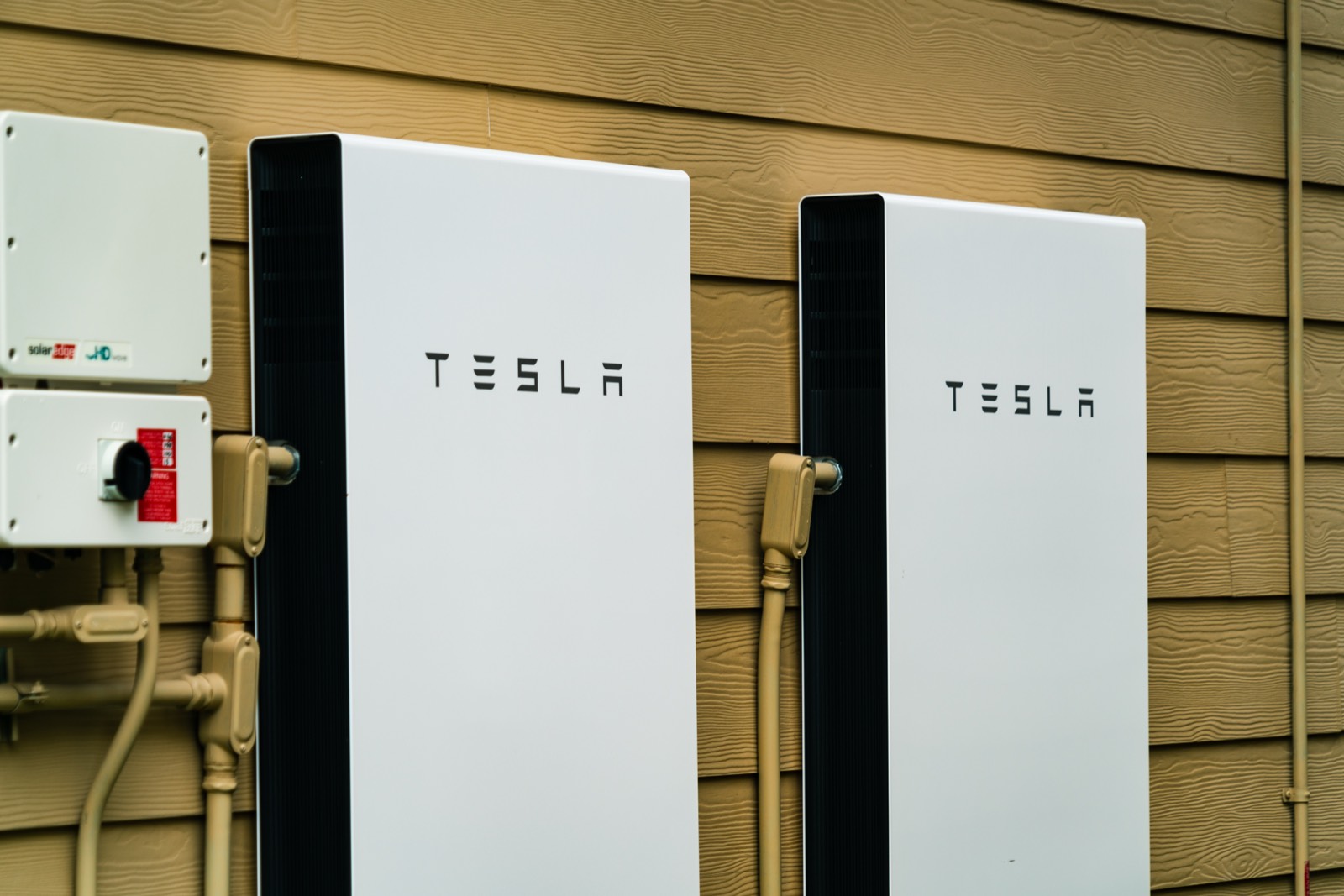
FranklinWH is a whole-home battery platform for planned backup, not a simple plug-in power pack
FranklinWH suits homeowners who want a permanently installed home battery system with transfer equipment, backed-up circuits, and a clear plan for what stays on during an outage. It is closer to a standby-power project than a small appliance install: the work includes the battery location, gateway or control equipment, disconnecting means, panel integration, and commissioning.
The right candidate is usually a detached, semi-detached, or townhouse homeowner who wants backup for refrigeration, internet, sump pump, furnace controls, selected lighting, receptacles, and other essential loads. Some homes can support a broader whole-home backup strategy, but large electric loads need careful review. Electric ranges, dryers, hot tubs, EV chargers, electric heat, and large air-conditioning equipment can drain a battery quickly or exceed the system’s supported output if they are not managed.
Before quoting a FranklinWH installation, we confirm current Canadian availability, approved equipment, installer documentation, and any manufacturer requirements that apply at the time. Battery product lines and utility interconnection rules can change, so we do not design from a brochure alone.
If your goal is battery backup generally, start with our home battery storage installation service. If you are still comparing equipment, our product installation hub can help you review battery and electrical upgrade options before a site visit.
The electrical design must prove the service, grounding, transfer operation, and backed-up loads will work safely
A FranklinWH battery installation is hardwired. It is not a plug-in unit, and it should not be connected through improvised cords, generator inlets, or unapproved transfer arrangements. The breaker size, conductor type, conduit route, disconnects, and overcurrent protection are selected from the manufacturer instructions, the Ontario Electrical Safety Code, and the actual panel conditions in the home.
The first question is service capacity. We review the main service size, existing panel, available breaker spaces, utility metering, grounding and bonding, and the household loads already connected. A home with a 100A service, electric cooking, air conditioning, an EV charger, and a hot tub is a very different design from a home with gas heat, gas cooking, and modest electrical demand.
The second question is the backup strategy. Some installations use a critical-loads panel so only selected circuits are backed up. Others may use control equipment to manage larger loads. Critical-load separation is often the cleaner design when the homeowner wants predictable runtime and fewer nuisance shutdowns. Typical backed-up loads may include:
- Fridge and freezer circuits
- Sump pump or sewage pump, if compatible with the design
- Furnace controls or boiler controls
- Internet modem, router, and home office receptacles
- Selected lighting and kitchen receptacles
- Smoke/CO equipment where the circuit design requires attention
The third question is transfer operation. The system must isolate properly during an outage so it does not backfeed the grid, and it must reconnect correctly when utility power returns. Grounding and bonding must be checked carefully because battery equipment, gateways, existing panels, sub-panels, and older renovations can expose problems that were not obvious during day-to-day use.
Placement also matters. Indoor versus outdoor mounting must follow the FranklinWH installation manual for clearances, temperature limits, wall or floor support, working space, weather exposure, and access for service. We also look at practical GTA details: narrow side yards, finished basements, shared townhouse walls, snow accumulation near exterior equipment, and whether the route from the panel to the battery location can be run cleanly.
Installation includes ESA notification, mounting, wiring, commissioning, and inspection where required
A proper FranklinWH installation is planned before anyone starts drilling. City Power Electrical Services installs FranklinWH battery systems as a Licensed Electrical Contractor, ECRA/ESA #7015314, with ESA permits and inspections completed where required. For grid-connected storage, ESA notification applies where required, and utility coordination may also be needed depending on the equipment, connection method, and local utility requirements.
The site visit starts with the existing electrical service. We open the panel where appropriate, identify spare capacity and breaker space, check grounding and bonding, review the meter/service layout, and confirm where the battery and control equipment can be installed. We also ask what the homeowner actually wants to run during an outage, because that answer drives the circuit design.
A typical installation plan covers:
- Battery and gateway/control equipment location
- Backed-up load list or critical-loads panel design
- Conduit or cable route from panel to equipment
- Required disconnects, labelling, and working clearances
- Any panel upgrade, sub-panel, or circuit relocation required
- ESA notification and inspection steps
- Utility coordination if the grid-connected storage design requires it
On installation day, the electrical work may include mounting equipment, running conduit or cable, landing conductors, installing or reorganizing a backed-up loads panel, adding required warning labels, and completing manufacturer commissioning steps. The system is then tested for normal operation, outage transfer behaviour, return-to-grid operation, and correct circuit backup.
The ESA inspection is not just paperwork. The inspector may review the installation method, conductor sizing, overcurrent protection, disconnecting means, labelling, grounding and bonding, working clearances, and whether the installation matches the filed notification. We clean up before we leave and provide the documentation available for the completed electrical scope.
If the battery work exposes service limitations, we may recommend a panel upgrade before or during the project. If you are also planning solar later, solar-ready wiring should be discussed before the battery location and conduit routes are finalized.
Cost, timeline, and alternatives depend on the site, the backup plan, and equipment availability
FranklinWH battery installation is quoted in writing after a site visit. We do not publish a flat price for this product because the cost depends on the battery equipment package, gateway/control requirements, panel condition, distance between equipment, critical-load separation, utility coordination, and whether the home needs service or panel changes first.
Timeline also depends on the design. A straightforward installation in a suitable electrical room may be much simpler than a finished basement with no clear route, a crowded older panel, and outdoor equipment placement. The planning stage often matters more than the labour day: the wrong backed-up load plan can leave the homeowner with a battery that trips, drains too fast, or fails to support the circuits they care about.
FranklinWH may be the right choice if you want a permanent battery system designed around backup operation and whole-home integration. It may not be the right choice if current Canadian availability, approved installer requirements, or utility rules do not fit your project timeline. In that case, we can compare other approaches before you commit.
For homeowners comparing battery brands, see our Enphase IQ Battery installation page. For a different style of backup power planning, compare it with EcoFlow battery installation, where the equipment and use case can be different.
Battery storage also competes with generator backup. A battery is quiet, automatic, and useful for selected circuits, but it has finite stored energy. A generator can run longer when fuel is available, but it brings fuel, exhaust, placement, transfer, and maintenance considerations. If your outage plan involves long winter outages, sump protection, medical equipment, or a home office that cannot go down, we will help you compare the options honestly before recommending equipment.
Want a licensed electrician to take a look?
Free written quote, usually the same day. ESA permits handled.
Common questions
Can FranklinWH back up my whole house?
Maybe. It depends on the battery configuration, service capacity, transfer equipment, and the loads you expect to run. We review large loads such as EV chargers, electric ranges, dryers, hot tubs, heat pumps, and air conditioning before deciding whether whole-home backup or a critical-loads panel is the safer design.
Does a FranklinWH battery need an ESA permit in Ontario?
Grid-connected home battery storage normally requires proper electrical notification and inspection where required. City Power files ESA notifications where required, installs to the Ontario Electrical Safety Code, and coordinates utility requirements when they apply.
Where can the battery be installed?
The location must follow FranklinWH manufacturer instructions for clearance, temperature, mounting, working space, and weather exposure. We confirm whether an indoor or outdoor location is practical during the site visit, including cable routes and access for future service.