Comparison
LED Retrofit Kit vs New Fixture
Verdict: choose an LED retrofit kit when the existing housings are sound, the layout already works, and you want a faster, lower-disruption upgrade. Choose new LED fixtures when the old luminaires are damaged, the space needs better light distribution, controls need to be redesigned, or maintenance access has become a problem.
For many GTA offices, retail stores, warehouses, and homes, the best answer is not one or the other across the whole property. It is often a mixed plan: retrofit the good fixtures, replace the weak ones, and standardize the drivers, colour temperature, and controls so the system is easier to maintain.
City Power Electrical Services handles commercial and residential LED retrofits across Toronto and the GTA. We provide free written estimates, arrange ESA notification where required, and quote the work in writing after a site visit when there is no published price band.
The choice is really about the condition of the fixture, not just the LED technology
A retrofit kit upgrades what is already there. A new fixture replaces the whole luminaire.
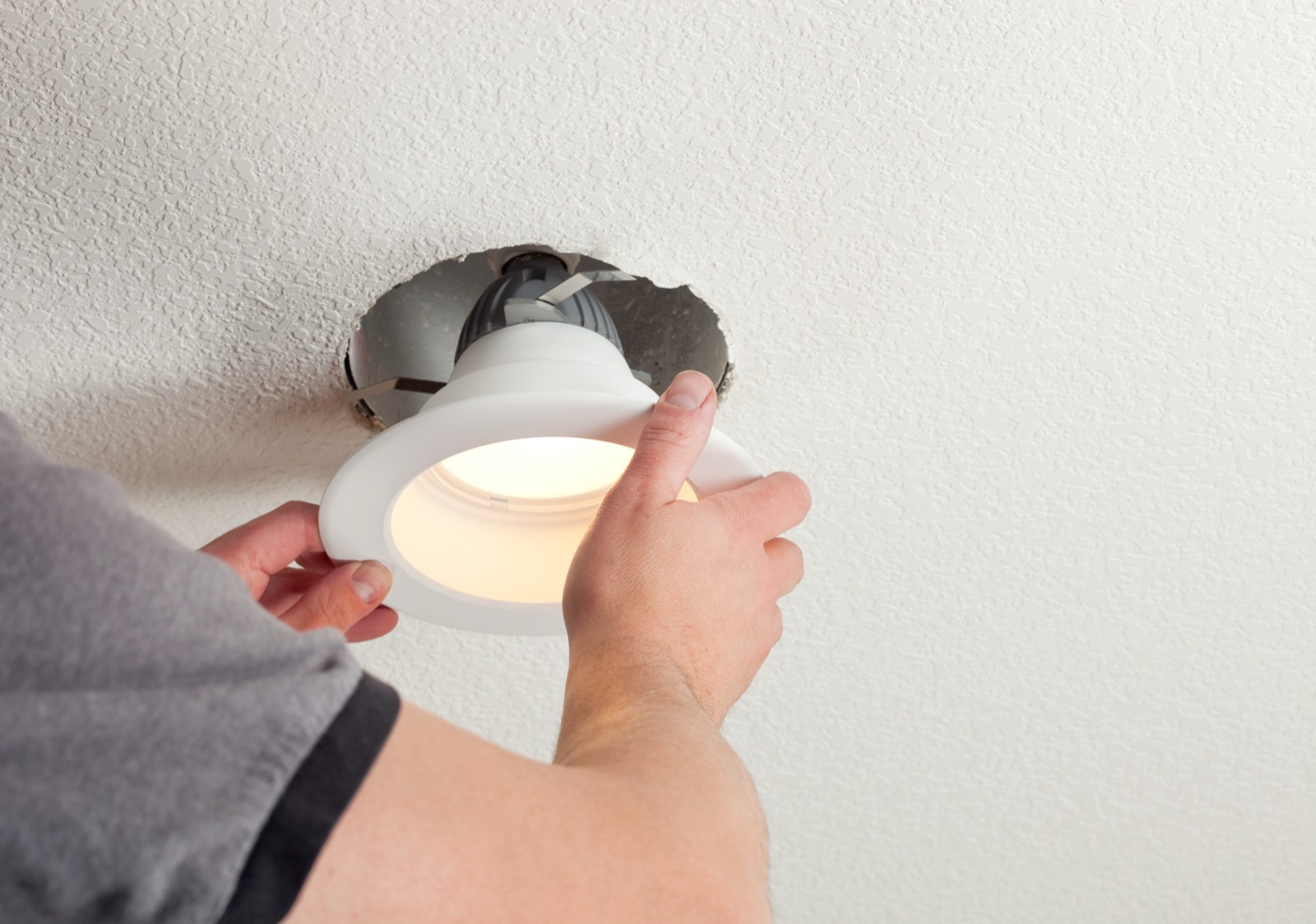
In a fluorescent troffer, a retrofit might mean LED tubes, ballast bypass wiring, new tombstones, a driver kit, or an LED panel insert that fits inside the old housing. In a pot light, it may be a trim-and-module kit that clips into the existing can. In a warehouse high bay, it may be a lamp or gear-tray conversion if the housing is still useful and safely serviceable.
A new LED fixture removes the old body and replaces it with a purpose-built LED luminaire. That usually gives cleaner optics, a new lens, a new driver, fresh mounting hardware, and better compatibility with occupancy sensors, dimmers, and low-voltage control systems.
The mistake is judging only by the first quote. Labour, ceiling access, fixture age, light output, emergency circuits, dimming, and future maintenance all matter. A cheap retrofit in a brittle, yellowed, poorly located fixture can become an expensive compromise. A full replacement where the existing grid troffers are in good condition can waste budget that would be better spent on controls or higher-priority electrical work.
If you are comparing LED to older lamp types, start with the practical differences in LED vs halogen vs fluorescent lighting, then use this page to choose the upgrade path.
Retrofit kits win when the housing is good and disruption has to stay low
A retrofit kit is usually the right move when the existing fixture layout already lights the space properly and the housings are straight, grounded, accessible, and not heat-damaged.
Good retrofit candidates include:
- Office T-bar ceilings with clean 2x4 fluorescent troffers and a layout that already suits the desks
- Retail back rooms, storage areas, corridors, and service spaces where function matters more than a new architectural look
- Residential recessed cans where the trim is dated but the can is secure and correctly installed
- Warehouses with structurally sound high bay housings, accessible disconnecting means, and a lighting layout that still matches the racking
The biggest benefit is lower disturbance. In an occupied office, a retrofit can often be staged after hours, row by row, without opening large sections of ceiling. In a store, it can reduce the time that aisles or displays are blocked. In a condo or house, it can refresh light quality without repainting ceilings or changing fixture openings.
The electrical details still matter. Ballast-bypass LED tube work is not just “changing bulbs.” Once a fixture is rewired, the ballast is removed or disconnected, line voltage may be present at the lampholders, and the fixture needs proper labelling for the next person who services it. In commercial buildings, we also check whether the circuit is 120V, 347V, or part of an emergency lighting system before selecting products.
Retrofits can also make sense where the goal is fast payback. An office with 100 fluorescent troffers typically saves $3,000–$5,000 annually after converting to LED. A 50,000 sq ft warehouse typically saves $10,000–$20,000 per year, and motion sensors in low-traffic aisles add another 20–30%. Those figures depend on run hours, fixture count, controls, and utility rates, so the quote should be based on the actual site.
New fixtures win when the old luminaires are limiting the result
A new fixture is the better choice when the existing equipment is worn out, badly placed, unattractive, or incompatible with the controls you want.
Common signs that replacement is smarter than retrofitting:
- Brittle sockets, burnt wiring, cracked lenses, rust, water staining, or missing covers
- Old troffers with yellowed lenses that block light even after new LED components are installed
- Mixed fixture types that make colour temperature and brightness inconsistent
- Poor light distribution, glare, dark corners, or shelf shadows that a lamp swap will not fix
- Need for dimming, daylight harvesting, occupancy sensors, or networked controls
- Hard-to-service fixtures where future driver or tube replacement will be awkward
Retail is a clear example. A store may technically be able to retrofit old fluorescent strips, but new linear LED fixtures or track heads can improve vertical light on shelves, reduce glare at the cash desk, and make merchandise colour look more consistent. That is not just an energy decision; it affects how the space feels.
Warehouses are another example. If racking has changed, replacing old high bays may allow a better beam angle and sensor placement. A retrofit kit can reduce wattage, but it cannot move the light to suit a new aisle layout.
In homes, new fixtures often win when the goal is appearance. A retrofit module can modernize an old recessed can, but if the can is loose, poorly spaced, not insulation-rated where required, or not compatible with the ceiling finish, new fixtures or a revised layout may be cleaner. For fixture-by-fixture work, see our Ontario light fixture replacement cost guide.
Side-by-side comparison: LED retrofit kit vs new fixture
| Factor | LED retrofit kit | New LED fixture |
|---|---|---|
| Best fit | Sound existing housings and a layout that already works | Damaged, obsolete, ugly, or poorly located fixtures |
| Labour | Usually less invasive because the ceiling openings and mounting points stay | More removal, mounting, patching coordination, and disposal planning |
| Light output | Can be very good, but limited by old lens, reflector, and fixture shape | Designed as a complete LED optical system with matched lens and driver |
| Controls | Possible, but depends on existing wiring and driver compatibility | Easier to specify for dimming, sensors, 0-10V control, and daylight response |
| Maintenance | Keeps some old components in service unless the kit replaces them | Starts fresh with new fixture, driver, lens, and mounting hardware |
| Appearance | Keeps the same fixture shape, sometimes with a new trim or lens | Best for a visible design refresh or consistent look across a space |
| Disruption | Often lower, especially in offices, corridors, and occupied spaces | Higher, but may solve long-term layout and service problems |
| ESA considerations | Required where wiring is altered or new electrical work is performed | Required where wiring, circuits, or fixture connections are changed |
| Pricing | Quoted in writing after a site visit | Quoted in writing after a site visit |
Pricing for this decision is site-specific because the labour changes with ceiling type, voltage, fixture condition, access equipment, controls, and after-hours scheduling. A simple drop-ceiling office is not the same job as a warehouse that needs lift access, nor is it the same as a finished home with plaster ceilings.
Commercial rebate programmes should be checked before approving the scope because availability, product eligibility, paperwork, and incentive amounts change. We do not assume a rebate until it is confirmed for the specific project and fixture list. For budgeting and payback planning, read Commercial LED Retrofit Cost & ROI in Ontario.
Office, retail, and warehouse examples show why one answer rarely fits every room
Office example: A professional office with clean T-bar ceilings and standard fluorescent troffers is often a strong retrofit candidate. The layout already matches desks and corridors, ceiling access is reasonable, and work can be staged. The key decisions are colour temperature, glare control, whether the existing switching still makes sense, and whether boardrooms need dimming that the open office does not.
If the office is being renovated, the recommendation can change. During an office buildout, walls move, workstations shift, meeting rooms get added, and emergency lighting paths may change. In that case, new fixtures tied to a revised lighting plan may be better than retrofitting fixtures that no longer line up with the layout.
Retail example: A shop may use a mix of ceiling troffers, track heads, display lighting, and back-room strips. We often separate the project into zones. Sales floor fixtures may be replaced to improve colour rendering, shelf visibility, and fixture appearance. Storage rooms and staff areas may be retrofitted because the existing layout is fine and aesthetics are secondary.
Controls also differ by zone. A storage room may benefit from occupancy sensors. The sales floor may need consistent lighting during business hours and separate control over display zones. A retrofit-only plan can miss those operational differences.
Warehouse example: High bays need a closer look at mounting height, aisle layout, sensor coverage, and maintenance access. If the old fixtures are still solid and positioned well over aisles, retrofit kits may be practical. If racking has changed or fixtures are difficult to service safely, new LED high bays with the right beam pattern and integrated sensors may be the better long-term choice.
A warehouse project also needs coordination around lifts, loading docks, sprinkler clearance, production schedules, and emergency lighting. The electrical work may be straightforward, but the site logistics often decide the labour.
Our recommendation for GTA homes and businesses is a fixture-by-fixture plan
For a GTA home, we recommend retrofit kits only where the existing housing is safe, compatible, and in the right location. Recessed cans, underused basement fixtures, and utility areas can be good candidates. For kitchens, living rooms, exterior lighting, damp locations, and visible feature fixtures, new LED fixtures often give a better result because appearance, dimming, and beam spread matter more.
For commercial spaces, we recommend a short lighting audit before choosing products. The audit should document fixture type, voltage, mounting height, ceiling access, switching, emergency circuits, operating hours, and control goals. It should also flag damaged fixtures that should not be retrofitted.
What we include in a proper LED retrofit quote:
- Fixture count by type and area
- Retrofit kit or new fixture recommendation for each group
- Voltage and driver compatibility check, including 347V where present
- Dimming, occupancy sensor, and daylight control options where useful
- ESA notification and inspection where required
- Disposal and cleanup plan
- Written pricing, with rebates checked separately if applicable
For LED retrofit kit and new fixture projects, City Power works as a licensed electrical contractor, ECRA/ESA #7015314. Sam, a licensed electrician, founded and runs the company, and our work is permitted with the ESA where required and inspected. For a written recommendation on retrofit kits versus new fixtures, start with our LED retrofit service or browse more practical electrical guides on the City Power blog.
Want a licensed electrician to take a look?
Free written quote, usually the same day. ESA permits handled.