
Comparison
Generac vs Kohler Generator
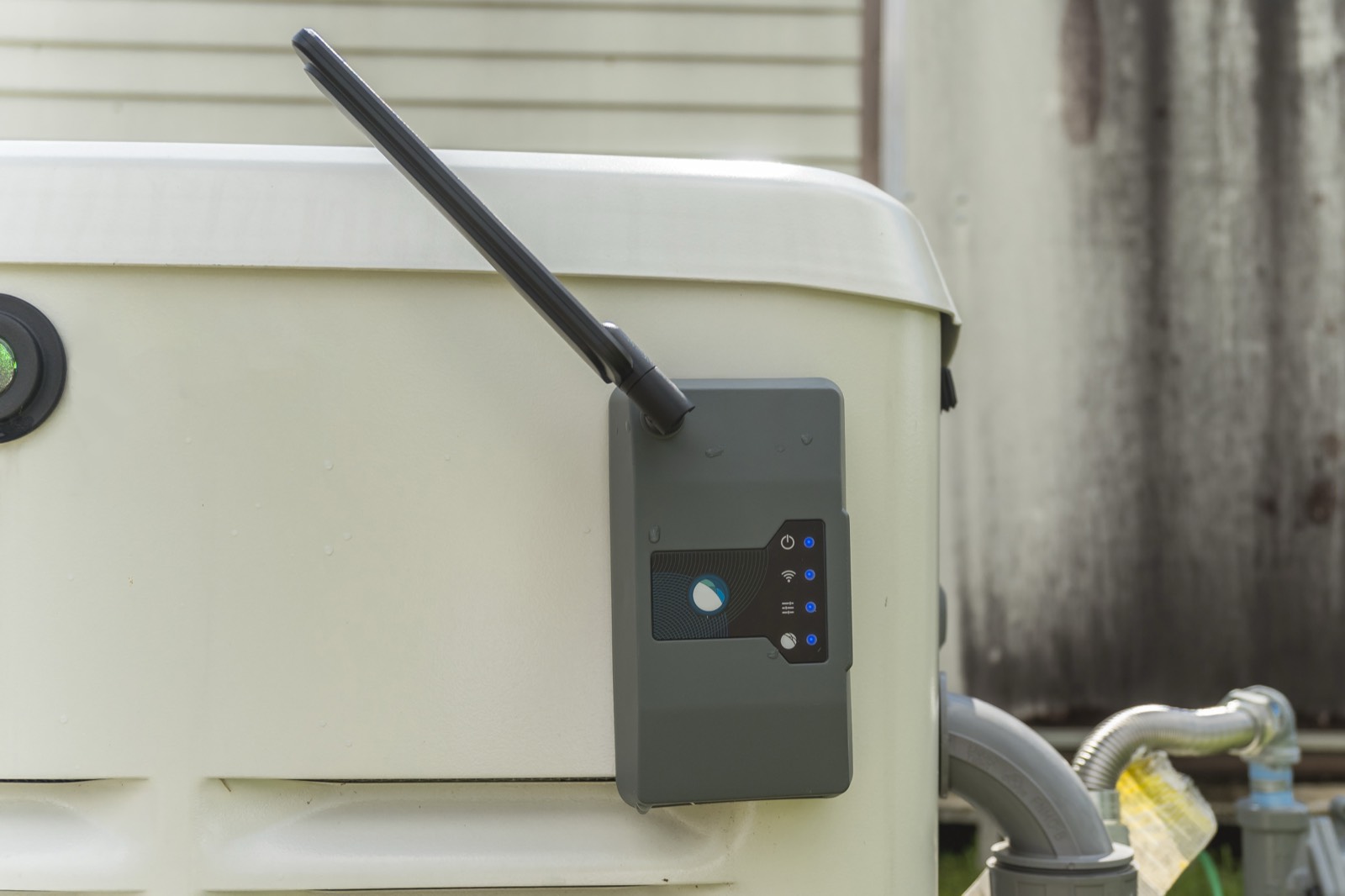
The practical verdict: a Generac vs Kohler generator decision should be made around load sizing, transfer equipment, service access, noise placement, warranty terms, and installer support — not a blanket claim that one brand is always better.
Both brands make permanently installed standby generators that can start automatically during an outage and feed selected circuits or a whole home through a transfer switch. The bigger difference for a GTA homeowner is usually the site: panel capacity, gas supply, where the unit can sit, how close it is to windows and lot lines, and whether the electrical work is designed cleanly for ESA inspection.
If you are comparing specific models, put the current manufacturer spec sheets side by side. Look at rated output on natural gas, transfer switch compatibility, enclosure material, sound rating at the listed test condition, maintenance access, and warranty terms. Model lines change, so any firm brand claim should be backed by the exact data sheet for the unit being quoted.
Generac vs Kohler: the side-by-side answer is site-dependent
For most Toronto and GTA homes, either brand can work well if it is sized correctly and installed with the right transfer switch. The wrong size or a poor installation matters more than the logo on the enclosure.
| Factor | Generac standby generator | Kohler standby generator | What matters on site |
|---|---|---|---|
| Sizing | Commonly considered for whole-home and essential-load backup | Commonly considered for whole-home and essential-load backup | Load calculation, starting loads, gas capacity, and whether large appliances need load shedding |
| Transfer switch integration | Typically paired with compatible automatic transfer switch equipment | Typically paired with compatible automatic transfer switch equipment | Service entrance rating, panel layout, neutral/grounding arrangement, and utility disconnect requirements |
| Serviceability | Parts, diagnostics, and maintenance access depend on model and local support | Parts, diagnostics, and maintenance access depend on model and local support | Clear working space, weather exposure, and whether the installer can support the equipment after installation |
| Noise | Compare current model sound data rather than relying on reputation | Compare current model sound data rather than relying on reputation | Placement near bedrooms, neighbours, fences, and windows often matters more than small published differences |
| Warranty | Terms vary by model, registration, and maintenance requirements | Terms vary by model, registration, and maintenance requirements | Read what is covered, what maintenance records are required, and who handles warranty service |
| Best-fit question | Often shortlisted when the homeowner wants a widely available residential standby option | Often shortlisted when the homeowner wants a premium residential standby option | The correct answer depends on load, budget, physical location, and service support |
For a typical GTA home, a standby generator installation—including the unit, automatic transfer switch, gas hookup, electrical work, and permits—usually costs $12,000–$20,000, depending on site conditions and 10–26 kW sizing. If you want the full installation cost context before choosing a brand, start with our generator installation cost guide or our answer on home standby generator cost in Ontario.
Sizing wins before brand: choose the generator around the loads you actually need
The first question is not Generac or Kohler. It is what you want running during an outage.
A standby unit can be set up for essential loads only, such as furnace controls, fridge, freezer, sump pump, internet, selected lights, and some receptacles. It can also be sized closer to whole-home backup, where more of the house stays available. The second approach needs more careful load calculation because electric ranges, dryers, air conditioners, hot tubs, EV chargers, and electric heating can create heavy demand.
For a GTA home, we look at the main electrical service, the existing panel, large 240V loads, heating type, sump pump needs, and whether the home has equipment that must restart automatically. A central air conditioner, for example, creates a different sizing problem than lighting and receptacles. Some installations use load-management equipment so the generator is not asked to start every large appliance at once.
This is where spec sheets matter. Compare the rated output on the fuel you will actually use, usually natural gas in urban areas where available. Do not compare one brand’s propane rating against the other brand’s natural gas rating. Also check motor-starting capability if the generator will support air conditioning, pumps, or other equipment with inrush current.
If you are deciding between common residential sizes, our 14kW vs 22kW generator comparison explains the load-planning side in more detail. That choice can change the brand decision because one model may fit the load and available gas supply better than another.
Transfer switch design is the real electrical difference
The transfer switch is the part that safely separates your home from the utility supply and connects the generator when the power fails. It is not an accessory to treat casually. It is central to code compliance and safe operation.
Most standby systems use an automatic transfer switch. When utility power drops, the generator starts, stabilizes, and the switch transfers the selected load. When utility power returns, the system transfers back and cools down. The switch must be compatible with the generator controls and correctly matched to the service or panel arrangement.
For a whole-home setup, the transfer switch may be installed near the meter and main panel so it can feed the full service, subject to generator capacity and load management. For an essential-load setup, selected circuits may be moved to a generator sub-panel or controlled through approved transfer equipment. The right design depends on panel space, service equipment, grounding and bonding, and the layout of finished walls.
ESA inspection will care about the electrical installation, not the sales brochure. The inspector is looking for approved equipment, correct conductor sizing, proper grounding and bonding, correct overcurrent protection, suitable wiring methods, working clearances, and a transfer arrangement that prevents backfeeding the grid. City Power Electrical Services is a Licensed Electrical Contractor (ECRA/ESA #7015314), with ESA permits and inspections arranged whenever required.
Brand-specific packages can simplify compatibility, but they do not remove the need for a proper electrical design. If you are looking at model-specific options, compare Generac Guardian installation in Toronto & the GTA with Kohler generator installation in Toronto & the GTA, then confirm the transfer switch and panel plan in writing.
Serviceability, noise, and warranty should be checked before you buy
A generator is outdoor electrical and mechanical equipment that has to be serviced. Choose a unit that can be maintained where it will actually sit on your property.
Serviceability starts with access. The technician needs room to open panels, change service parts, test the unit, and work safely around energized equipment. A tight side yard, a fence gate that blocks the enclosure, or snow piling against the intake side can turn a good generator into a frustrating installation. Before choosing between brands, confirm which side needs service clearance and whether the proposed location leaves usable space.
Noise is similar. Do not rely on a general statement that one brand is quiet and another is loud. Compare the current sound rating for the exact model and the test condition used by the manufacturer. Then look at the real property: bedroom walls, basement windows, neighbour windows, fences, hard surfaces, and where snow drifts. A unit that looks acceptable on paper can still be annoying if it is aimed into a narrow side yard beside a bedroom.
Warranty is also model-specific. Read the current warranty document before approving the quote. Check whether registration is required, what parts and labour are covered, whether transfer switch components are treated separately, and what maintenance records must be kept. A standby generator is expected to exercise, run during outages, and be maintained; missed maintenance can affect warranty support.
Local service support matters more than online brand arguments. Ask who will handle startup, maintenance, troubleshooting, and warranty coordination. A clean installation with good documentation helps any future technician: labelled conductors, accessible disconnects, a clear transfer switch arrangement, and an ESA certificate where required.
The electrical installation is separate from gas fitting
A standby generator installation has two coordinated scopes: electrical work and fuel work. They overlap in schedule, but they are not the same trade.
The electrical scope includes the generator circuiting, transfer switch, control wiring, grounding and bonding, panel work, load-management equipment if used, ESA notification, inspection, testing, and labelling. If the installation requires a service change, panel work, or relocation of circuits, that must be included in the electrical quote.
The gas scope includes confirming the fuel load, gas pipe sizing, regulator considerations, shutoff location, pressure requirements, and the final gas connection. That work must be handled by the appropriate licensed gas professional. In many homes, the generator’s fuel demand is the limiting factor, especially if the house already has a furnace, water heater, range, fireplace, or pool equipment on gas.
The sequence usually looks like this:
- Site visit and load discussion: what the homeowner wants backed up, what the panel can support, and where the generator might sit.
- Electrical design: generator size, transfer switch type, conductor route, panel changes, load shedding, and ESA requirements.
- Gas review: available gas capacity, pipe route, connection location, and whether upgrades are needed.
- Utility and outage planning where required: some service arrangements need coordination with the local utility.
- Installation and startup: electrical work, gas connection, testing, transfer operation, labelling, cleanup, and inspection.
For a walkthrough of the actual sequence, see generator installation day: what to expect. If you are still comparing backup types rather than brands, our Powerwall vs standby generator guide explains how battery backup differs from fuel-powered standby generation.
What we recommend for a GTA home
We recommend choosing the brand after the load calculation and site plan, not before. A good quote should show the generator size, transfer switch approach, what loads are backed up, what is excluded, who is handling gas fitting, whether ESA notification is included, and what warranty and maintenance path applies.
Choose Generac if the specific model, transfer switch, service support, and installed price fit your home and the current documentation checks out. Choose Kohler if its specific model, enclosure, controls, service plan, and warranty terms are the better fit for the same load. Neither choice should be justified by a vague claim that one is always superior.
For many GTA homes, the deciding factors are practical:
- Can the unit be placed where noise, exhaust clearance, snow, and service access make sense?
- Does the gas supply support the selected size?
- Will the transfer switch fit the existing service layout?
- Are you backing up essential circuits or trying to carry the whole home?
- Is the installer providing ESA-permitted electrical work and a written scope?
City Power Electrical Services installs standby generator electrical systems across Toronto and the GTA. We provide free written estimates, include ESA permitting and inspection where required, and separate the electrical scope clearly from gas fitting so there are no surprises. For a site-specific recommendation, request a quote through our generator installation service.
Want a licensed electrician to take a look?
Free written quote, usually the same day. ESA permits handled.