Standby generators · installed by a licensed contractor
Generac Guardian Installation in Toronto & the GTA
Generac Guardian is a well-known home standby generator family for automatic backup during outages. City Power installs the electrical side in Toronto and the GTA, with ESA notification where required and coordination around gas and equipment placement.
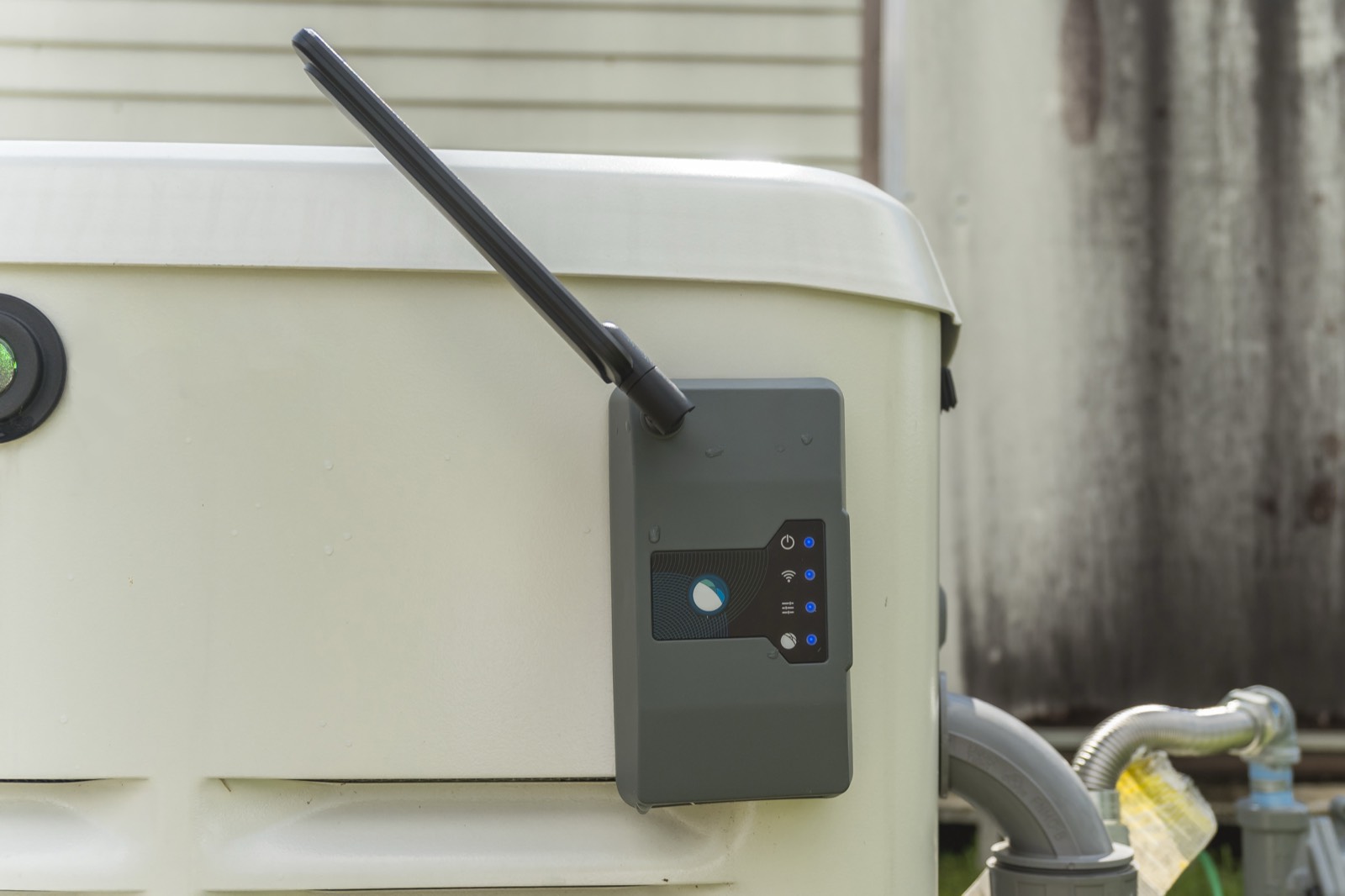
Generac Guardian is for homeowners who want automatic standby backup, not a cord-and-plug emergency setup
A Generac Guardian is a permanently installed standby generator that starts automatically when utility power fails and feeds selected circuits, or in some homes the whole service, through an automatic transfer switch. It is normally installed outdoors, connected to a natural gas or propane fuel source, and wired into the home’s electrical system by a licensed electrical contractor.
It suits GTA homes where outages affect heating equipment, sump pumps, refrigeration, medical equipment, home offices, security systems, or basic lighting and receptacles. The important planning decision is not only the generator brand. It is whether you want whole-home backup or essential-load backup.
Whole-home backup is convenient, but it requires a generator and transfer equipment sized to the calculated load. Essential-load backup is more controlled: the generator feeds selected items such as furnace controls, fridge, freezer, sump pump, internet equipment, lighting, and a few receptacle circuits. That approach can reduce nuisance overloads and may fit homes where panel capacity, gas capacity, or budget makes whole-home backup less practical.
For a turnkey view of the service, see our standby generator installation page. If you are comparing installed equipment options, our product installation hub lists other systems we install.
The electrical requirements depend on load selection, transfer switch type, panel capacity, and grounding
A Guardian installation is hardwired. It is not the same as plugging a portable generator into an inlet. The electrical scope includes transfer switch wiring, the generator feeder, overcurrent protection, grounding and bonding review, load selection, labelling, and verification that the standby system is separated correctly from the utility supply.
The transfer switch is the key safety device. It prevents the generator from backfeeding the utility grid and transfers the home’s selected load between utility power and generator power. Depending on the design, it may be service-rated for whole-home backup or arranged to feed an essential-load panel. The correct arrangement is chosen after reviewing the main service, the existing panel, available space, grounding and bonding, and the circuits you actually need during an outage.
Amperage, breaker size, conductor size, and generator feeder routing are not guessed from the generator nameplate alone. They are based on the generator model, transfer switch rating, installation manual, Ontario Electrical Safety Code requirements, and the load calculation. Large motor loads, electric ranges, electric dryers, hot tubs, EV chargers, central air conditioning, and electric heat all matter because they can exceed what a residential standby unit should carry at the same time.
Load management may be part of the design. That can mean choosing an essential-load panel, locking out non-critical loads, or using approved controls so the generator does not try to start several heavy loads together. Without that planning, common failure modes include nuisance shutdowns, overloaded generator output, lights dimming heavily on motor start, or a homeowner discovering that a critical pump was never placed on the backed-up side.
The gas connection must be handled by a properly licensed gas technician, separate from the electrical work. The electrical installation still has to coordinate with gas capacity, generator location, clearances, and service access, but City Power does not treat gas piping as electrical work.
Installation starts with site planning, then ESA notification, wiring, testing, and inspection
A proper installation starts with the panel and the loads, not with pouring a pad. We review the existing service, panel layout, grounding and bonding, possible transfer switch location, route from the generator to the electrical equipment, and which circuits must run in an outage. We also look for practical site issues: finished basements, tight side yards, outdoor working space, snow accumulation, exhaust direction, and whether the chosen location will be serviceable later.
ESA notification is required for standby generator electrical installation in Ontario. City Power files ESA notification where required, completes the electrical work under our ECRA/ESA licence, and arranges inspection. The inspector is looking for code-compliant transfer equipment, correct conductor sizing and protection, secure terminations, suitable wiring methods, grounding and bonding, labelling, and a safe arrangement that prevents utility backfeed.
Mounting and placement are planned before wiring begins. The generator must sit on an appropriate outdoor base or pad and be located so that air intake, exhaust, service access, openings, and property constraints are respected. The gas technician completes the fuel connection. The electrician completes the generator feeder, transfer switch wiring, control wiring as applicable, grounding and bonding review, and panel changes required for the chosen backup design.
Testing is more than confirming that the engine starts. The transfer sequence is checked, the backed-up circuits are verified, and the selected loads are tested so the homeowner understands what will and will not run during an outage. Labels should make the system understandable for future service: generator disconnects, transfer equipment, backed-up panel or circuits, and any load-management controls.
After inspection, we leave the electrical area cleaned up and provide the documentation available from the permitted work. For homeowners comparing brands, we can also discuss how a Guardian installation differs from a Kohler generator installation in transfer equipment, service layout, and homeowner preferences.
Cost, timeline, and alternatives depend on the site, so Guardian installations are quoted after a visit
We do not publish generator unit pricing without current supplier confirmation. For a typical Toronto or GTA home, a Generac Guardian standby generator installation — including the unit, automatic transfer switch, gas connection, electrical work, and permits — usually costs $12,000–$20,000, based on 10–26 kW sizing and site conditions. Your written quote depends on the generator selected, transfer switch arrangement, gas coordination, panel condition, trenching or exterior routing, finished-wall access, and whether an essential-load panel or load-management equipment is required.
Timeline also depends on the site and equipment availability. Straightforward electrical work can often be scheduled efficiently once the generator, transfer equipment, mounting location, gas work, and ESA notification are coordinated. More complex homes take longer when the panel is crowded, the service needs changes, the generator must be placed far from the panel, or finished areas limit wiring access.
A Guardian is the right choice when you want automatic backup without being home to start a generator, especially for sump pumps, heating controls, refrigeration, remote work, and security equipment. It is usually not the lowest-cost backup option. For a lower-cost backup option, a portable generator can be connected through a manual transfer switch and inlet box for $1,500–$2,500. That option can work well for selected emergency circuits, but it requires a portable generator, fuel handling, manual setup, and someone on site during the outage.
Battery storage is another alternative when the priority is quiet operation and short-duration backup, while a permanently installed standby generator is usually chosen for longer outages and higher continuous loads. The best answer comes from a load review: what must run, how long it must run, and whether you want essential-load backup or whole-home convenience.
City Power provides free written estimates, and every job is permitted with the ESA where required and inspected. For a Guardian installation in Toronto, North York, Scarborough, Etobicoke, Mississauga, Brampton, Markham, Vaughan, Richmond Hill, Oakville, Burlington, Oshawa, Barrie, and across the GTA, the next step is a site visit and a written scope.
Want a licensed electrician to take a look?
Free written quote, usually the same day. ESA permits handled.
Common questions
Do I need an ESA permit for a Generac Guardian installation in Ontario?
Yes. Standby generator electrical installation requires ESA notification where applicable. City Power files the notification for our electrical scope and arranges inspection.
Can a Generac Guardian power my whole house?
Sometimes, but it depends on the generator size, transfer switch, panel, and calculated loads. We separate whole-home backup from essential-load backup during planning so heavy loads do not overload the generator.
Does City Power connect the gas line?
No. The gas connection must be completed by a properly licensed gas technician. City Power handles the licensed electrical scope, including transfer switch wiring, feeder, grounding and bonding review, testing, and ESA inspection coordination.